
All You Need to Know About Vacuum Switches: What They Are and Where They Are Used
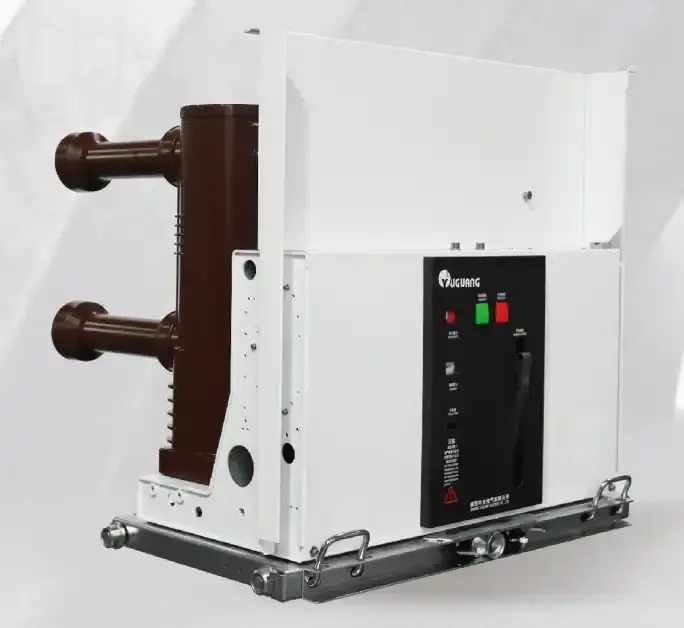
A vacuum switch is a sophisticated electrical component that operates within a sealed vacuum environment to control and interrupt electrical circuits, primarily in medium to high-voltage applications. Unlike conventional air-insulated switches, these devices leverage vacuum arc-extinguishing technology to achieve superior safety, reliability, and longevity. Their sealed design eliminates environmental contamination risks while ensuring maintenance-free operation across demanding industrial sectors including power generation, renewable energy infrastructure, heavy manufacturing, and critical facility operations.
Introduction
It's important that switching devices are of high quality when project managers at thermal power plants have to deal with unplanned downtime due to broken switches or when operations teams at data centers have to worry about equipment compatibility during system updates. It's not enough to know the scientific details of vacuum switches; you also need to know how these important parts can change the reliability of operations, lower long-term repair costs, and make sure that power flows smoothly in complex industrial settings.
This article tells people in charge of making decisions, top engineers, purchasing, and management teams everything they need to know to properly evaluate, choose, and use vacuum switches. We will look at how these devices work on a basic level and how they are used in steel making and urban rail transit. We will also talk about how they solve problems that keep coming up, such as equipment not working with other pieces of equipment, delivery times that are too slow, and not being able to change well enough to tough operational situations. Whether you're looking for parts for a collector circuit in a wind farm or updating old infrastructure in a petrochemical plant, you'll learn how modern vacuum technology makes operation stable and safe while lowering total ownership costs over the lifecycle of the equipment.
Understanding Vacuum Switches: Function, Types, and Operating Principles
What Vacuum Switches Are and How They Function?
Vacuum switches work by controlling electrical pathways through contacts inside a vacuum box that can't be opened. An electric arc forms for a short time when the contacts part during a breaking process. The vacuum atmosphere, which usually has pressures below 10⁻⁴ Pa, has a very high electrical strength that puts out this arc very quickly, usually in microseconds. This quick arc extinguishing stops touch erosion and gets rid of the explosive risks that come with options that are gas-insulated or oil-filled.
This is because of how vacuum arcs work physically. The metal smoke from the contacts spreads out and condenses on the room walls instead of continuing to burn. This means that the device can be used over and over again without breaking down. Modern units have permanent magnet working systems that don't need to be oiled or adjusted on a regular basis. This means that they work perfectly for 20 years without any upkeep.
Mechanical Versus Electronic Vacuum Switches
Mechanical vacuum switches depend on spring-loaded devices or electromagnetic drivers to separate the contacts physically. These work great in high-current situations where durability and ease of use are important. The permanent magnet actuator is a big step forward because it keeps the working force constant even when the temperature changes around it, and it uses less energy during swapping cycles.
Electronic versions have sensors and microprocessor controls that allow accurate pressure tracking and automatic switching reactions. Even though these offer better troubleshooting tools, the extra complexity might not be right for all uses, especially in places where electromagnetic interference (EMI) or high temperatures can be a problem for computer parts. Which technology will best meet your infrastructure needs depends on how you run your business.
Installation Best Practices for Industrial Integration
The first step in a proper installation is to make sure that the voltage ratings match the system requirements. For medium-voltage distribution networks, these requirements usually range from 6kV to 40.5kV. The direction of mounting affects the position of the mechanical links; setups that are horizontal need extra support to keep the drive shafts from wearing out from vibrations. When wiring something, you have to think about the places of any extra switches that send state information to SCADA systems from afar.
Sealing against the environment is very important in open substations or dirty industrial settings. At the very least, devices should meet IP67 standards and have coats that are resistant to corrosion that are put on using ceramic and powder coating methods and then cured at a steady temperature. This treatment makes the equipment last a lot longer when it is used in seaside areas or chemical processing plants where airborne toxins speed up the breakdown of materials.
Practical Applications and Case Examples of Vacuum Switches
Power Generation and Distribution Networks
Vacuum switching technology is essential for feeder circuit safety and load control in large power plants, such as coal-fired thermal stations, wind farms, and solar arrays. Switching operations happen a lot in green energy setups because intermittent generation sources join and disconnect from the grid. In these kinds of duty cycles, oil circuit breakers usually fail early, but vacuum interrupters can handle tens of thousands of processes without having to change their contacts.
Compact vacuum switch designs cut cabinet sizes by 30–40% compared to older air-insulated equipment, which is good for Ring Main Units that serve urban distribution lines. Underground substations don't have a lot of room, so this reduction is very important. The sealed vacuum environment also gets rid of fire risks, which is very important for safety in crowded cities where broken equipment could cause more damage to the infrastructure.
Heavy Industrial Manufacturing Applications
There is conductive dust, corrosive gas, and big changes in temperature in the air around steel mills, chemical factories, and industrial plants. The arc chamber separation keeps outside contaminants from affecting the performance of the vacuum switches, so they work well here. A metallurgy client in the Midwest switched from air-break switches to vacuum units in their arc furnace circuits. Over three years of operation, they saw a 60% drop in unexpected outages.
The flexible design philosophy makes it possible to connect to current bus systems without having to do a lot of work to them. Small cages can fit in equipment areas that aren't very big, and housings with an IP67 rating can handle the washing down processes that are common in making food or medicines. This ability to work in a wide range of workplace situations comes from engineering that focuses on scenario-based customization over one-size-fits-all solutions.
Infrastructure and Transportation Systems
Ground power systems at airports, data centers, and urban train traction substations all have to meet the same standards: they can't have any unexpected downtime, and they need to be able to fix problems quickly. When vacuum switches are built into these important systems, they provide the level of stability that these industries need. Transit officials like that the equipment doesn't need to be maintained because getting to trackside equipment is hard to coordinate and causes major service interruptions.
When computer racks turn on and off, they cause harmonics and load transients that are unique to data centers. Vacuum switching technology handles these nonlinear loads with ease, keeping the integrity of the contacts when regular switches wear out faster. When a big cloud services provider upgraded their 12kV distribution system, they chose vacuum load break switches. This cut the annual repair windows from 48 hours to 8 hours, which directly led to better service availability measures.
Troubleshooting Common Operational Issues
When auxiliary switches don't signal the right position, it's usually because the mechanical links aren't lined up right, not because the contacts are broken. Changing the length of the drive rod to make sure there is enough contact wipe without too much over-travel usually fixes the problem. Resistance tests should be done to make sure that the contact resistance stays below 50 microhms. Readings above this level suggest contamination, so the chamber should be replaced instead of being cleaned.
Control voltage problems or coil breakdowns in the working system are usually to blame for situations where the device doesn't work. Mechanical problems with permanent magnet motors don't happen very often, but problems can happen in external control systems. Schedules for preventive maintenance should include checking connections with a thermogram, looking at how mounting structures shake, and making sure that backup power sources work. All of these tasks can be done without stopping the main circuit from working.
How to Choose the Best Vacuum Switch for Your Needs?
Key Technical Selection Criteria
The main standard is the voltage grade, and devices are grouped by their system nominal voltage and Basic Impulse Insulation Level (BIL). Depending on how well the system is grounded and how often it is hit by surges, a 12kV vacuum switch needs 75kV or 85kV BIL. The rated current needs to be enough to handle the steady load plus a safety cushion for transient inrush. 630A units are used for normal feeders, while 1250A units are used for main buses.
Short-time resist current, which is usually measured between 20kA and 25kA for three seconds, shows fault tolerance. This setting makes sure that the device can handle through-fault situations until upstream safety kicks in. Breaking capacity tells you the biggest current that the switch can safely stop. Load break switches can handle rated currents, but they need fuse coordination for short-circuit safety. Vacuum circuit breakers, on the other hand, can clear fault currents of more than 20kA on their own.
Comparing Vacuum Technology to Alternative Solutions
Pressure switches keep an eye on the state of the system without being able to cut off the current. They are more for diagnosing problems than for protecting them. In the same way, vacuum gauges give measurement data but don't have any moving connections. Mechanical disconnect switches separate circuits physically, but they can't safely stop load currents. When choosing parts for Ring Main Units or switchgear lines where different tasks need to work together, these differences are important.
Because of worries about carbon gases, SF6 gas-insulated switches are being phased out by the government. This is pushing the market toward vacuum technology. Oil circuit breakers need a lot of upkeep and can pollute the environment when they break down. Air-break switches take up too much space and put repair workers at risk of arc flashes. These problems are taken care of by vacuum technology, which also provides better performance density (more stopping capability per cubic meter of equipment space).
Evaluating Manufacturers and Product Lines
Internationally known names like Schneider Electric, ABB, and Siemens have a wide range of products and help networks around the world. However, makers that only make vacuum switching technology often offer better engineering for specific situations. Yuguang is a good example of this method because it focuses its research and development efforts on 6kV to 40.5kV applications and has 39 patents that solve specific operating problems.
When judging providers, you should carefully look at how they make things. Precision drilling at an aerospace level for arc-extinguishing tanks makes sure that the dimensions are within acceptable ranges, which has a direct effect on the vacuum integrity and dielectric strength. Corrosion-resistant metals and IP67-rated seals keep things from breaking down too soon in tough conditions. Reliable makers are different from those who skimp on quality control because they use multi-round testing methods to check arc extinguishing performance, insulation resistance, and load adaptability.
Long-term satisfaction is greatly affected by the technical help system. Suppliers who give help with installation, testing, and finding extra parts lower the risks of a project. Customization lets you meet the unique needs that come up in retrofit jobs or specialized production processes. A company that is ready to change the way their products are mounted or create working mechanisms that work only with certain applications shows that they care about more than just selling products.
Procurement and Supply Chain Insights: Buying Vacuum Switches
Sourcing Strategies for B2B Clients
Framework deals are usually made with accepted vendors after open bidding processes by large power groups and regional utilities. Lifecycle costs are more important than the initial purchase price in these contracts, which take into account measures for reliability, warranty terms, and upkeep assistance. EPC companies have different problems because they need to deliver quickly to meet building deadlines and stick to their budgets. Different manufacturers have different minimum order numbers. Some require case amounts that are too high for pilot projects or quick replacements. Yuguang can take orders as little as one unit, and they can handle both small-volume purchases and big customization programs. This freedom is very helpful when trying brand-new vacuum switches before putting them into use across the whole fleet or when looking for emergency replacement parts for old machines.
Lead Times and Delivery Considerations
Standard store items can be shipped within 7–15 days if they are in stock, but customized options take 30–60 days to make. When planning a project, engineering teams should keep these deadlines in mind, especially if the specs call for non-standard voltage ratings, unique mounting setups, or built-in extra devices. There may be extra fees for rush orders; telling producers about needs early lets them properly divide production capacity.
Packing rules must be followed for international shipping. Wooden crating that is resistant to moisture and shock keeps vacuum tanks from getting damaged during shipping, and making sure that all the paperwork is in order to avoid customs delays. When compared to makers who only work in the United States and don't know how to ship goods internationally, suppliers like Yuguang who have been exporting for a long time can streamline operations and cut delivery times by 15 to 20 percent.
Evaluating After-Sales Service Capabilities
Comprehensive after-sales help goes beyond just guarantee coverage in a number of ways. Proper commissioning is made sure of by installation guide services, which also stop early fails caused by bad integration. Maintenance deals include regular checks and tests of performance that find signs of wear and tear before they lead to fails. Spare parts supply deals make sure that parts will be available for as long as the equipment is used. This way, investments won't be lost if parts become obsolete.
Support for modification plans takes into account changing operating needs. When changes to the system voltage or the load need to be made, makers that offer free rethink talks and retrofit engineering keep the costs of the impact as low as possible. This complete service model, which includes research and development, production, installation, and after-sales, tells the difference between partners who really care about their clients' success and suppliers who are just meeting orders.
Some providers are better off when they can combine their skills in making things in the United States with their ability to provide services across borders. Companies that have factories in well-established industrial hubs like Baoji benefit from supply lines that are well-developed and skilled technical workers. When these companies create foreign support networks and expert documentation in English, they offer cost-effective solutions without lowering the level of service. This is a great combination for procurement managers who are watching their budgets.
Conclusion
Vacuum switches are important parts of infrastructure whose dependability has a direct effect on operations, worker safety, and the company's bottom line. To choose the right devices, you have to weigh technical specs against prices over their entire life, the capabilities of the supplier, and the needs of the particular application. By moving from old switching technologies to new vacuum solutions, environmental rules are met while upkeep is made easier and the system stays up and running longer.
Aside from product datasheets, other things that go into purchasing choices are manufacturer technical support, the ability to customize, and the commitment to customer service after the sale. Companies that focus on building long-term relationships with providers that offer a wide range of technical skills and fast service networks regularly do better than companies that only look at the cost of acquisition.
FAQ
What's the Difference Between Pressure and Vacuum switches?
Vacuum switches control electrical circuits by making contacts inside sealed vacuum tanks. This stops load currents and separates the circuit. Pressure switches check the conditions of a gas or hydraulic system and send control messages when certain levels are reached, but they can't stop the flow of current. The word "vacuum" refers to the arc-extinguishing medium, not the ability to sense pressure.
During load, why won't my vacuum switch work?
Problems with the control circuit are more likely to cause non-activation than problems with the interrupter. Check that the voltage from the extra power source meets the coil's needs. Also, check the mechanical links for any binding or misalignment, and test the working coil's resistance. Permanent magnet systems rarely break down on the inside, but motors on the outside can go wrong. If the contact resistance is more than 100 microhms, it means that the chamber is worn out and needs to be replaced.
Can Vacuum Switches Be Customized for Specialized Applications?
Manufacturers with strong research and development (R&D) departments can easily change standard designs to meet specific needs. Customizations can include special mounting brackets for tight areas, different working voltages for foreign markets, built-in extra switches for complicated control schemes, and environmental hardening for use in harsh conditions like high temperatures or contamination. Talk about the details of the application with the tech teams while the specifications are being made to find the best solutions.
Partner with Yuguang for Reliable Vacuum Switch Solutions
Yuguang is an expert at providing designed vacuum switch options for industrial settings with the strictest requirements. We're known for our stable, maintenance-free performance in power generation, heavy industry, and important infrastructure. We have 39 patents covering 6kV to 40.5kV applications and are ISO 9001:2015 certified. Our combined modular designs have small sizes, IP67 sealing, and corrosion-resistant construction to make sure they last in harsh environments that are hard on other equipment.
As a vacuum switch maker based in Baoji, we offer full-chain support, which includes customized research and development, precision production, installation help, and full service after the sale. Standard items are sent out within 7 to 15 days, while it takes our tech team 30 to 60 days to create custom solutions for unique situations. We can handle orders of any size, starting with just one unit, whether you need a new unit or a lot of them for a big job.
You can talk to our technology experts about your needs by emailing ygvcb@hotmail.com. Our team provides thorough technical advice, application engineering help, and affordable quotes. They back these up with official credentials and a track record of dependability in both domestic and foreign installations.
References
1. IEEE Standards Association. (2021). IEEE Guide for the Application of Vacuum Interrupters in Switchgear. IEEE Power & Energy Society Technical Report C37.85-2020.
2. Garzon, R. D. (2019). High Voltage Circuit Breakers: Design and Applications (3rd ed.). CRC Press, Taylor & Francis Group.
3. International Electrotechnical Commission. (2020). High-Voltage Switchgear and Controlgear – Part 103: Switches for Rated Voltages Above 1 kV up to and Including 52 kV. IEC Standard 62271-103:2020.
4. Slade, P. G. (2020). The Vacuum Interrupter: Theory, Design, and Application (2nd ed.). CRC Press, Taylor & Francis Group.
5. Ryan, H. M., & Jones, G. R. (2018). SF6 Switchgear: Environmental Impact and Vacuum Technology Alternatives. The Institution of Engineering and Technology (IET) Power and Energy Series, Volume 92.
6. Dullni, E., Fink, H., & Renz, R. (2017). "Vacuum Circuit Breaker Technology for Medium Voltage Applications: State of the Art and Future Trends." IEEE Transactions on Power Delivery, 32(4), 1716-1725.

Send Inquiry
You may like
