
Best Practices for Installing Load Switches in Urban Renovation
In the United States, urban repair projects need more and more complex electrical infrastructure that can keep up with rising energy needs while still meeting safety and dependability standards. Installing Load Switch Installation is an important part of these remodeling projects because they make sure that power gets to all the buildings in business, residential, and mixed-use developments. The right way to put something makes sure it works perfectly, keeps downtime to a minimum, and follows the strict electrical codes that guide urban building projects. If these installations are done right, they will provide long-term working efficiency while lowering upkeep costs and raising the general reliability of the system.
Understanding Load Switches and Their Role in Urban Renovation
Load switches are important control devices that keep the flow of electricity in power distribution systems safe by isolating and moving between different electrical loads. The main job of these devices is very different from that of regular circuit breakers. Circuit breakers protect against overcurrent situations, while load switches safely disconnect electrical loads when the system is working normally.
Modern repair projects in cities often use a number of different types of load switches, each made to work in a certain way. Manual load switches are often used in substations and distribution panels where human oversight is desired because they can be controlled directly by an operator. Automatic load switches can be controlled from a central control room, so system workers can handle electrical loads from there. Vacuum load switches are perfect for medium-voltage uses that are popular in urban infrastructure because they use vacuum interrupters to stop electrical arcs. In small setups with limited room, SF6 gas-insulated switches work better than other types.
Decisions about which of these choices to use depend on voltage levels, the surroundings, and the unique needs of each repair job. There are some problems that only happen in cities, like not having enough room for installations, electromagnetic interference, and the need for easy repair access.
For urban repair projects to go smoothly, it's important to know the basic differences between load switches and circuit breakers. Load switches are made to work with normal loads and provide reliable isolation for repair work. Circuit breakers, on the other hand, have safe relay systems that stop fault currents instantly. This difference affects both the installation requirements and the operating processes. It also affects choices about how to build the system and where to put its parts in the electrical distribution networks.
Step-by-Step Load Switch Installation Guide for Urban Renovation
To install a Load Switch Installation correctly in a city, you need to carefully plan ahead and follow set steps that take into account the limited room and safety rules that are specific to cities. Before the construction process can begin, the site must be carefully inspected and prepared. Next, the parts must be carefully put together and tested thoroughly.
For professional load switch installation, you need special tools made for working with high power and installing in cities. Insulation resistance testers make sure that the electrical connections are properly isolated before they are turned on, and torque wrenches make sure that the connections are made correctly according to the manufacturer's instructions. During testing processes, digital multimeters give accurate readings of voltage and current. In crowded cities where entry is often limited, cable pulling systems make it easier to place wires.
When buying materials, it's important to pay close attention to quality standards and needs for compatibility. In cities, where the air quality may speed up rusting, high-grade copper wires don't rust. Insulation materials must meet or go beyond local building codes and be reliable over time in places where temperatures change often, like cities.
There are more safety risks in urban renovation projects because of the existing electricity systems, small areas, and closeness to buildings that are already occupied. Complete de-energization verification using approved testing tools is the first step in safety measures that cover everything. Lockout/tagout measures keep power from being turned back on by chance during installation work. When working at heights, personal protective equipment must include arc-rated clothes, insulated tools, and safety belts.
Clearing installation areas of trash and setting up safe work zones that protect workers and building occupants are all parts of site preparation. All construction staff must be told about and follow emergency action plans, which should include plans for electrical accidents and how to get out of the building in case of an emergency.
The methodical assembly process starts with placing the mounting hardware according to the engineering plans and the manufacturer's instructions. Mounting surfaces must be strong enough to support operating loads and seismic standards that apply to the construction site. For electrical links to be reliable in the long term, they must meet set torque standards and conductor preparation processes.
Through thorough electrical and mechanical checks, testing processes confirm the quality of the work. Insulation resistance testing makes sure that the links between the stages and the ground are properly isolated. Before turning on the system, measuring the contact resistance makes sure the link is solid and finds any possible trouble spots. Operational testing shows that the change works correctly under realistic load conditions.
Comparing Load Switch Installations: Choices and Cost Considerations
When remodeling an urban area, it's important to carefully consider all of the load switch choices so that performance needs are met while also keeping installation times and budgets in mind. To compare manual and automatic switching systems, you have to look at their practical benefits, the amount of upkeep they need, and the total cost of ownership over the lifecycle of the equipment.
Manual load switches are good for situations where operation can be done locally and guidance from afar is not needed because they are simple and reliable. Most of the time, these systems have lower start-up costs and simpler connection and control wiring. Maintenance needs are usually very low, and mostly just involve lubricating and inspecting the contacts every so often.
Automatic Load Switch Installation systems give operators the freedom and integration tools they need to handle modern city infrastructure. Remote operation lets you handle multiple switching points from one place, so you don't need as many people on-site during normal operations. Advanced tracking features give you state updates and diagnostic data in real time, which helps preventative maintenance programs.
When choosing between human and automatic systems, you should think about how they will be used, how many people will be needed to run them, and how well they will work with other building control systems. People who live in cities often choose automatic systems because they are safer and keep workers from coming into contact with electricity dangers.
The cost of installing a load switch depends on the power level, how hard it is to install, and how much customization is needed. Standard setups in easy-to-reach places are usually the most cost-effective option. On the other hand, custom designs for specific urban settings may need more planning and manufacturing, which drives up the total project cost.
When making a budget, you should think about both the initial costs of the tools and the long-term costs of running the business, such as upkeep, stocking up on extra parts, and possible growth needs. Labor costs are directly affected by how hard the installation is, especially in cities where safety rules and limited access can make the installation take longer. The warranty terms and the supplier's ability to help can have a big effect on the total cost of ownership, so they should be carefully looked at when buying something.
Ensuring Safety and Compliance in Load Switch Installations
In cities, electrical systems have to follow many rules, such as local building codes, national electrical standards, and the needs of the utility business. To prove compliance, you need to know what standards apply and make sure that the right tests and recording steps are taken during the whole installation process.
When installing a load switch in a city, it needs to meet IEEE standards for medium-voltage switchgear, NEMA standards for electrical casings, and any local electrical codes that may have extra rules for city installs. UL rating rules make sure that equipment meets safety standards, and utility interconnection rules decide how it can connect to current power systems.
During the construction process, certification paperwork must be kept and given to regulatory officials when asked. Inspection methods vary from place to place, but they usually check for proper installation, recording of test results, and compliance with approved technical plans.
A full risk assessment finds all the possible dangers that come with installing load switches in cities, such as the risks of electrical shock, arc flash exposure, and mechanical hurt. When designing a grounding system, it's important to think about how the dirt and structures in a city might change ground resistance values. Protective device coordination makes sure that things work right when there is a fault while having the least amount of effect on nearby electricity systems.
On-site safety rules set out how to do safe work, such as checking that the energy is disconnected, using personal protective equipment, and what to do in an emergency. Training standards make sure that installation staff understand the risks that come with living in cities and how to deal with them.
Procuring Reliable Load Switch Solutions for Urban Renovation Projects
When renovating cities, finding the right providers means looking at their professional skills, how well they deliver, and how well their support services fit with tight project deadlines and quality standards. When evaluating a supplier, you should look at both the quality of their products and their ability to organize in a way that can support complex urban installs.
Reliable providers show steady quality by using well-known methods for quality control and manufacturing. ISO 9001 certification shows that quality control is done in a planned way, while certifications for specific electrical industries show that the person has specialized knowledge. For placements in cities, where standard solutions might not meet specific needs, technical support services like engineering help, custom product development, and field service support are especially important.
When renovating an urban area, delivery performance is very important because late equipment deliveries can affect many trades and make the whole job take longer than planned. The supplier should be able to offer fast delivery choices and good contact systems that give accurate information on the state of deliveries.
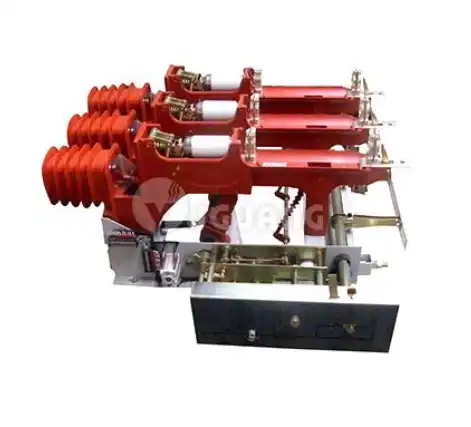
Shaanxi Yuguang Electric has a wide range of products for 6KV to 40.5KV uses to meet the specific needs of urban rebuilding projects. Our FZN21-40.5 and YGFZN25B series Load Switch Installation uses advanced vacuum interruption technology that works best in ring network applications that are popular in power distribution systems in cities. The combined modular designs of these products make them easier to install and take up less room while still providing better sealing performance and longer operating life.
For important parts like solid-sealed poles and arc-extinguishing chambers, our manufacturing method uses precision technology that is used in aircraft. Corrosion-resistant metals and IP67 closing systems make sure that equipment works reliably in tough urban settings where temperature and air quality changes can affect how well it works. Multiple rounds of testing make sure that the product works well under different loads and meets all international electrical standards.
The company has 39 patents that show it is always coming up with new ideas for load switches. Our ISO 9001:2015 certification and status as a "High and New Technology Enterprise" also show that we are dedicated to quality excellence. Our full-chain service method includes custom research and development, precise production, professional installation help, and full support after the sale that lasts for the life of the equipment.
Conclusion
To install Load Switch Installation in urban repair projects, you need to pay close attention to technical requirements, safety rules, and the supplier's ability to deal with the unique problems that come up in cities. Choosing the right tools and installing it correctly has a direct effect on how reliable the system is, how efficiently it works, and how much upkeep it needs over time. Suppliers who can offer customized solutions, fast shipping, and full expert help during the installation process are good for urban projects. Urban renovation projects can meet their electrical infrastructure goals while staying safe and in line with regulations if they stick to established best practices and work with qualified providers.
FAQ
What is the difference between load switches and circuit breakers in urban applications?
Load switches are mostly made to do normal switching tasks when there is a load on them, which makes them safe for repair work. Circuit breakers have safety relay systems that stop fault currents instantly. These systems switch and protect the circuit. In cities, load switches are often used for planned moving tasks, and circuit breakers are used to protect against faults.
How long does it usually take to put a load switch in a city?
Installing a standard load switch can take anywhere from two to five days, based on the power level and the level of difficulty. Access problems, the need to coordinate with utilities, and extra safety rules in cities can all make timelines longer. Including planning, manufacturing, and installation, custom setups can take anywhere from 4 to 8 weeks.
Should we use professional installation services for load switch projects?
Because they are so complicated and need to be installed safely, medium and high-voltage load switches should only be put in place by professionals. Installers who are qualified know how to deal with problems that only happen in cities, like limited room, coordinating utilities, and following local rules that affect the installation process.
What maintenance is required for load switches in urban environments?
In cities, load switches usually need to be visually checked once a year, their moving parts oiled every so often, and their electricity tested every three to five years. In cities, where air quality and weather can change quickly, it may be necessary to check seals and other outside parts more often.
How can we make sure that our method will work with the electricity systems that are already in place in cities?
To make sure something is compatible, you have to look at the power levels, current values, control systems, and physical installation needs. A professional engineering evaluation can find possible connection problems and suggest the best ways to fix them, such as making custom changes or using interface equipment.
Partner with Yuguang for Superior Load Switch Installation Solutions
For difficult urban renovation projects in many fields, such as power generation, mining, and infrastructure development, Yuguang Electric offers a wide range of load switch installation services. Our successful track record in complicated works comes from a mix of advanced production skills and a lot of experience working in the field. As a reliable load switch installation company, we offer complete solutions, from the initial advice to long-term upkeep support. Our services are backed by 39 patents and leading industry certifications. Get in touch with our expert team at ygvcb@hotmail.com to talk about your unique needs and find out how our tailored approach can help you improve the electrical infrastructure in your urban renovation.
References
1. Institute of Electrical and Electronics Engineers. "IEEE Standards for Medium Voltage Load Switches in Urban Applications." IEEE Power Engineering Society, 2023.
2. National Electrical Manufacturers Association. "Load Switch Installation Guidelines for Urban Infrastructure Projects." NEMA Technical Publication, 2022.
3. International Electrotechnical Commission. "High-Voltage Switchgear and Controlgear Standards for Urban Power Distribution." IEC Publication Series, 2023.
4. American Society of Civil Engineers. "Electrical Infrastructure Design Standards for Urban Renovation Projects." ASCE Infrastructure Guidelines, 2022.
5. Electric Power Research Institute. "Best Practices for Load Switch Selection and Installation in Metropolitan Areas." EPRI Technical Report, 2023.
6. Urban Land Institute. "Electrical Systems Integration in Mixed-Use Urban Development Projects." ULI Development Guidelines, 2022.

Send Inquiry
You may like
