
Best Vacuum Breakers for Substation Projects
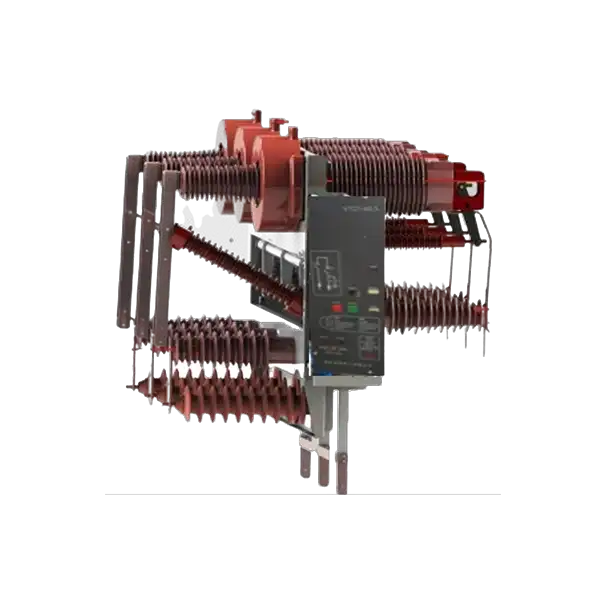
The substation vacuum circuit breaker is the best vacuum breakers for substation projects. It is the best choice for current electrical systems. Vacuum technology is used by these high-tech devices to safely and quickly stop electrical currents. They work better than traditional switching equipment. Vacuum circuit breakers are the best way to protect important base equipment in power generation, transmission, and distribution networks around the world. They are very reliable, don't need much upkeep, and are better for the environment.
Understanding Vacuum Circuit Breakers in Substations
Core Function and Operating Principles
Vacuum circuit breakers are important safety devices in electrical substations. They stop fault currents and separate electrical circuits when things are going normally and when there is an emergency. Vacuum technology is at the heart of how it works. Electrical contacts separate in a protected vacuum room, which leaves no air molecules in the area that could support an electrical arc.
There are several important steps that the vacuum stoppage system goes through. The working mechanism moves the moving contact away from the fixed contact when the breaker gets a trip signal. This makes a gap in the vacuum interrupter. There are no charging particles in the vacuum, so any electrical spark that forms between the contacts that separate them goes out very quickly. This method stops the flow of electricity safely and effectively, without creating any toxic gases or the need for extra arc-quenching materials.
Technical Specifications and Performance Parameters
Substation vacuum circuit breakers can handle voltages between 6KV and 40.5KV, which means they can be used in substations for medium-voltage tasks. The breaking ability is usually between 25kA and 63kA, which can handle the different fault current levels that can happen in different substation layouts. With more than 10,000 mechanical operations and 100 electrical operations at rated power, these devices have a very high mechanical durability.
In advanced designs, the permanent magnet working system allows for quick reaction times; full contact separation is usually reached in 50 milliseconds. This ability to respond quickly is very important for keeping the system stable and saving equipment further down the line from damage when there is a problem.
Environmental and Safety Benefits
Compared to other circuit breaker technologies, vacuum technology is much better for the earth. In contrast to SF6 gas-insulated breakers, vacuum circuit breakers do not release any carbon gases when they are in use or when they are being maintained. The sealed vacuum tanks don't need to be refilled or monitored for gases on a regular basis, which cuts down on costs and damage to the environment.
Because they are naturally stable, vacuum circuit breakers are better for safety reasons. Since there are no flammable insulating oils, there are no fire risks, and the tight design keeps harmful gases out. Because of these safety features, vacuum breakers work best in indoor substations and sites close to people.
Comparing Vacuum Circuit Breakers with Other Technologies
Performance Analysis Against Alternative Technologies
When substation vacuum circuit breakers are compared to other switching technologies, they show clear advantages in a number of performance areas. Even though SF6 gas-insulated breakers are very good at stopping, they are getting more and more attention from environmentalists because they can cause global warming. These environmental problems are taken care of by vacuum breaks, which keep the electricity performance the same.
Even though oil circuit breakers have been effective in the past, they need a lot of upkeep, like checking and replacing the oil on a regular basis. Because they can catch fire and are bad for the environment, oil breakers aren't as popular in current transformer designs. With vacuum technology, these upkeep tasks are no longer needed, and the system works more reliably.
Air circuit breakers, which are usually used for lower voltage tasks, don't have the ability to stop that is needed for medium-voltage substation tasks. Compared to small vacuum designs, they are less useful because they take up more space and need more upkeep.
Total Cost of Ownership Considerations
Lifecycle cost study always shows that vacuum circuit breakers are cheaper than other methods. Vacuum interrupters don't need to be serviced often, so you don't have to pay for things like gas tracking, oil replacement, or contact repair. Over the usual 30-year service life of substation equipment, this operating benefit saves a lot of money.
When looking at energy efficiency, vacuum breaks use very little power when they're not in use, while permanent magnet systems only need power when they're switching. This economy leads to lower operating costs and better environmental performance over the whole lifetime of the equipment.
Reliability and Diagnostic Capabilities
Vacuum circuit breakers are more reliable because they have a simple mechanical design and don't use any materials that need to be replaced often. The sealed vacuum chambers keep their insulating qualities forever under normal working conditions. This means that they don't have to deal with the problems that come up with gas or oil-insulated systems.
These days, vacuum breaks have advanced diagnostic features that let you plan ahead for upkeep. Contact wear tracking, vacuum integrity assessment, and mechanical operation analysis can help you make the most of your maintenance plans and avoid failures that you didn't expect.
Selection Criteria and Buying Guide for Substation Vacuum Circuit Breakers
Defining Technical Requirements
To successfully buy vacuum circuit breakers, you must first clearly define the technical needs of the project. The breaking capacity must match the highest fault current levels that are expected in the design of the substation. The voltage values should be able to handle both normal working voltages and short-term overvoltage situations.
The predicted switching frequency and operating task cycles determine how long the mechanical parts need to last. In substations where load swapping happens a lot, breakers need to be rated for high mechanical endurance. On the other hand, emergency protection applications may value electrical stopping performance over mechanical cycling capability.
Environmental factors have a big impact on the choice of tools. For outdoor installations, better resistance to rust and temperature stability are needed. For indoor installations, smaller sizes and lower noise emissions may be more important. In areas that are prone to earthquakes, special mounting and structure support are needed.
Compliance Standards and Certifications
Regulatory compliance is a very important factor to consider when buying power equipment. International standards, like IEC 62271-100, set basic performance standards for medium-voltage circuit breakers. Regional standards, on the other hand, may require more testing and approval.
Quality management certifications, like ISO 9001, show that a manufacturer is dedicated to consistently high quality output and ongoing growth. Environmental management standards, such as ISO 14001, show that companies are responsible for protecting the earth and using sustainable production methods.
Customization Capabilities and Manufacturer Support
Substation vacuum circuit breakers can adapt to harsh conditions and industry-specific needs thanks to their exceptional scenario-based customizing features. Different uses have different practical challenges that need to be met by specialized coatings, better closing systems, and changed operating mechanisms.
The concepts of integrated modular design make customization easier while keeping standard interfaces and the ability for parts to work together. This method cuts down on wait times for unique solutions while keeping the benefits of reliable designs that have already been tried and tested.
The first step in making something is carefully choosing the raw materials. Corrosion-resistant metals and IP67-rated closing parts are given extra attention. Advanced shearing and stamping processes are used to make precise basic structure parts. Core parts, such as solid-sealed poles and arc-extinguishing chambers, are processed to flight standards using special tools.
Using special tools and modular assembly methods, you can precisely connect parts, making sure that the quality and dimensions are always correct. Surface treatment methods, such as ceramic coating and powder coating, make things less likely to rust and last longer by controlling the bonding process.
Maintenance Best Practices and Lifecycle Management
Preventive Maintenance Strategies
Vacuum circuit breakers are easier to maintain than other technologies, but they will continue to work at their best for as long as they are in use thanks to regular preventative maintenance. Instead of the sealed vacuum interrupters, routine checks focus on the outside parts, such as the working mechanisms, extra contacts, and control circuits.
Without having to go into vacuum tanks, mechanical operation testing makes sure that drive systems and contact alignment are working correctly. Electrical testing, such as measuring insulation resistance and checking contact resistance, makes sure that the system can keep working and finds problems before they affect its dependability.
Lifecycle Extension Techniques
Controlling the environment has a big effect on how long vacuum circuit breakers last. Proper ventilation keeps wetness from building up and damaging the outside parts, and temperature control lowers the stress that thermal cycle puts on mechanical parts. Cleaning on a regular basis gets rid of contaminants that could stop something from working or speed up rusting.
Technologies for predictive maintenance, like thermal imaging and sound tracking, find problems before they get bad enough to break down equipment. These diagnostic tools make it possible to schedule upkeep based on conditions, which makes the best use of resources while still meeting high standards for uptime.
Many standard maintenance tasks aren't needed for vacuum interrupters because they don't need to be maintained. However, keeping a systematic record of operating history is still an important part of lifecycle management. Recording switching operations, trouble breaks, and environmental conditions lets you make choices based on data about when to replace and update equipment.
Conclusion
Substation vacuum circuit breakers are the best way to protect modern substations because they combine excellent technical performance with care for the environment and high operating efficiency. They are the best choice for engineers and procurement workers because they don't need any upkeep, are very reliable, and can work in a variety of situations. The technology will continue to be useful in tomorrow's more complex electricity systems because it is always getting better through smart integration and new materials. Investing in good vacuum circuit breaker technology pays off in the long run by lowering costs, making things safer, and being better for the earth.
FAQ
What voltage ranges are available for substation vacuum circuit breakers?
Most of the time, substation vacuum circuit breakers work with voltages between 6KV and 40.5KV, which covers most medium-voltage tasks that happen in electrical substations. For distribution substations, industrial sites, and transmission interface uses, this voltage range works well. It also keeps the small size benefits of vacuum technology.
How do vacuum circuit breakers compare to SF6 breakers in terms of environmental impact?
Vacuum circuit breakers are better for the environment than SF6 gas-insulated breakers because they don't release any greenhouse gases. Even though SF6 gas is thousands of times more likely to cause global warming than CO2, vacuum technology doesn't release any emissions when it's used, when it's being maintained, or when it's being thrown away. This makes it the best choice for modern substations that care about the environment.
What maintenance requirements apply to vacuum circuit breakers?
Because they are sealed and don't need any waste materials, vacuum circuit breakers don't need as much upkeep as other technologies. External parts like working mechanisms, secondary contacts, and control systems are what routine maintenance takes care of. The vacuum interrupters, on the other hand, usually don't need any maintenance for their 30-year design life.
Are vacuum circuit breakers suitable for harsh environmental conditions?
Modern vacuum circuit breakers are very good at working in harsh environments because they are made with special materials that don't rust and better closing systems. With customization choices, you can get the best performance in harsh environments with problems like high humidity, extreme temperatures, toxic atmospheres, and earthquakes.
Partner with Yuguang for Premium Substation Vacuum Circuit Breaker Solutions
Yuguang Electric makes high-quality vacuum circuit breakers with 39 patents to back them up and full 6KV–40.5KV coverage for tough substation uses. Our integrated method combines advanced manufacturing skills with full-lifecycle support, making sure that the product works reliably from the first meeting to installation and ongoing upkeep. As a well-known company that makes substation vacuum circuit breakers, we offer custom solutions that meet strict quality standards and solve specific business problems. Email our engineering team at ygvcb@hotmail.com to talk about your unique needs and find out how our new vacuum circuit breaker technology improves the reliability and operating efficiency of substations.
References
1. IEEE Standard for AC High-Voltage Circuit Breakers Rated on a Symmetrical Current Basis - Preferred Ratings and Related Required Capabilities for Voltages Above 1000V, IEEE Std C37.06-2009.
2. International Electrotechnical Commission, High-voltage switchgear and controlgear - Part 100: Alternating current circuit-breakers, IEC 62271-100:2021.
3. Ryan, Hugh M. "High Voltage Engineering and Testing, 3rd Edition." Institution of Engineering and Technology, 2013.
4. Nakanishi, Kenji. "Switching Phenomena in High-Voltage Circuit Breakers." Marcel Dekker Publications, 1991.
5. Flurscheim, Charles H. "Power Circuit Breaker Theory and Design." Institution of Electrical Engineers, 1982.
6. Dufournet, Denis. "Technical Requirements for Substation Equipment." CIGRE Technical Brochure 525, International Council on Large Electric Systems, 2013.

Send Inquiry
You may like
