
Best Vacuum Contactor for Harsh Mining Environment Applications
If you need a direct answer: the best vacuum contactor for harsh mining environments combines sealed vacuum interrupter technology, IP67-rated housing, and a voltage range that covers 6KV to 40.5KV. These devices handle frequent switching cycles without arc flash risk, making them the preferred choice for underground mining, tunnel ventilation, and ore processing equipment. A properly specified high-voltage vacuum contactor reduces unplanned downtime, lowers long-term maintenance costs, and keeps personnel safe in dust-heavy, moisture-prone, and vibration-intensive mining sites.
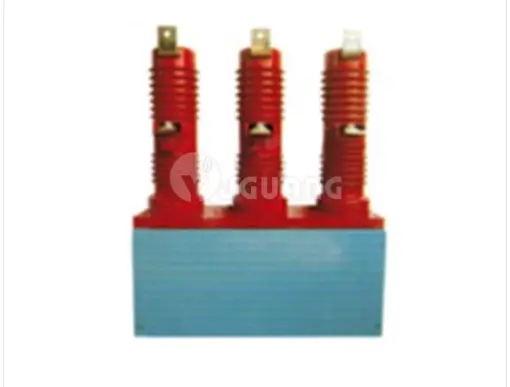
Understanding High-Voltage Vacuum Contactors in Mining Environments
Standard switchgear is pushed to its limits when it comes to mining electrical systems. Before choosing a device, it's helpful to know what a high-voltage vacuum contactor does and why it works better than other options in this situation.
What a Vacuum Contactor Actually Does
By removing two contacts inside a sealed vacuum bottle, a high-voltage vacuum contactor stops and starts an electrical current. The electrical arc goes out almost instantly because there is no oxygen inside the interrupter. Because of this, it works very well for turning motors, transformers, and capacitor banks that work at medium voltage on and off often.
Key Technical Specifications to Check
When choosing a mining device, pay attention to its rated voltage (6KV–40.5KV), rated current (up to 630A or higher for heavy loads), mechanical longevity (up to 1,000,000 operations for quality units), and ingress protection grade (IP67 at the very least for environments underground). For grid surge safety, both the insulation class and the impulse resist voltage (BIL) of at least 75kV are important.
Why Mining Demands More Than Standard Ratings
Coal dust, silica particles, and high humidity are always being made in underground mines. Surface-mounted mining equipment has to deal with UV light, changes in temperature, and vibrations from heavy machinery and blasting. Under these conditions, normal indoor switchgear breaks down very quickly. When you build devices with ceramic-coated surfaces, corrosion-resistant alloy housings, and solid-sealed poles, they last a lot longer and need less service.
Challenges in Harsh Mining Environments and How Vacuum Contactors Solve Them
Some of the most dangerously dangerous places in the industrial world are mines. Knowing about specific threats helps procurement teams choose equipment that will really work for the job.
Dust and Moisture Penetration
Coal or mineral dust in the air clogs up regular air-break contactors, breaking down insulation and contact quality. Outside elements can't get to the arc-extinguishing zone because a high-voltage vacuum contactor keeps the switching arc inside a sealed interrupter. When combined with IP67 casings, this design gets rid of the most common way that mine switchgear fails.
Vibration and Mechanical Shock
Continuous blasting, vibrating conveyors, and moving heavy equipment all cause mechanical shocks that wear out contact springs and loosen terminals in units that weren't designed well. Yuguang's integrated modular design holds internal parts in place against a rigid frame, which lowers the wear caused by vibrations. Field trials in metallic processing plants have shown that these air breaks last over 30% longer than traditional options under the same load cycles.
Corrosive Atmospheres in Chemical and Mining Sites
Mine water mist and sulfur compounds are acids and attack metal surfaces in a mine. Yuguang's manufacturing method includes ceramic coating, powder coating treatment, and constant-temperature curing. These steps work together to make a surface shield that is resistant to chemical attack. This means that the outside building is still structurally sound even after years of being in harsh mine environments.
Comparing Vacuum Contactors with Alternative Solutions for Mining
A vacuum circuit breaker, an SF6 contactor, or an air-break device are all things that procurement engineers often ask if they would work just as well. The answer depends on the situation, but a high-voltage vacuum contactor always comes out on top when it comes to mining where switching happens often.
Here is a clear breakdown of the three main types of technology:
- High-voltage vacuum contactor vs. Vacuum Circuit Breaker (VCB): A VCB is made to stop faults rarely and has a high short-circuit breaking ability. A high-voltage vacuum contactor is designed to switch loads over and over again, up to one million times. This makes it the best choice for motor starters and capacitor switching on mine conveyors or ventilation fans. When you move a VCB a lot, the contacts wear out faster, and the total cost of ownership goes up.
- High-voltage vacuum contactor vs. SF6 Contactor: SF6 (sulfur hexafluoride) switchgear has been used for a long time in high-voltage situations. However, SF6 is a strong greenhouse gas that can warm the planet 23,500 times more than CO₂. A lot of places are intentionally limiting its use. Vacuum technology doesn't harm the environment and doesn't need any infrastructure for monitoring gasses, which lowers both the risk of compliance and the cost of running the business.
- High-voltage vacuum contactor vs. Air-Break Contactor: Air-break devices let the surrounding air touch the switching contacts, which can cause an arc flash in dusty or possibly dangerous mine air. To meet the strict safety requirements set by MSHA in the US and similar foreign mine safety standards, vacuum technology completely gets rid of this danger.
These differences have a direct effect on choices about what to buy. If you choose the wrong type of technology, you could end up with problems with compatibility, higher upkeep costs, and even safety violations that cause projects to be late.
How to Choose the Best High-Voltage Vacuum Contactor for Your Mining Project
You can't just look at the voltage number to pick the right gadget. A complete selection process looks at technical fit, source capability, and project logistics all at the same time.
Match Voltage and Current Rating to the Load Profile
Make sure you know the exact system voltage (6KV, 7.2KV, 10KV, 12KV, or up to 40.5KV) and the full-load current of the equipment that is connected. When starting a motor, you need to take into mind the inrush current multiplier, which is usually 6 to 8 times the rated current, and make sure that the high-voltage vacuum contactor can handle this peak without having to be welded together.
Verify Certifications and Compliance
For mining projects in the US and around the world, you need equipment that meets certain standards. At the very least, look for certifications from GB/T 14808, IEC 60470, and ISO 9001:2015. Yuguang has 39 approved patents, national inspection reports, and ISO 9001:2015, ISO 14001, and ISO 45001 certifications, which meet most of the standards for public tenders and EPC contractors.
Evaluate Supplier Delivery and Customization Capability
In mining construction, project schedules are always very tight. Products from Yuguang usually ship in 7 to 15 days. Within 30 to 60 days, fully customizable units are shipped. These can have special enclosure grades, non-standard voltage taps, or fuse-contactor combinations that are built in. The MOQ starts at one unit, which can be used for pilot installations before the whole project goes live. Because of this freedom, one of the biggest complaints is not having to over-order in order to get a decent lead time.
Maintenance, Troubleshooting, and Lifespan Optimization
A organized repair plan is good for even the best high-voltage vacuum contactor. Luckily, repair work is much less common and complicated with vacuum technology than with older switching technologies.
Routine Inspection Priorities
If you want to be sure, check the contact gap and wear indicators every 12 months or after 200,000 operations. Make sure the vacuum interrupter can handle a power-frequency withstand voltage test, which is usually 42kV for one minute across open contacts. If the test fails, it means that the vacuum is getting weaker, and the interrupter needs to be replaced before the unit can be used again.
Early Warning Signs of Failure
The most common early warning signs are strange noises when the contacts close (which means the contact bounces more than 2ms), higher working coil temperatures, and closing times that aren't the same across all three stages. If you take care of these signs right away, you can avoid contact welding and unplanned production stops that cost mining companies thousands of dollars per hour.
Extending Service Life in Aggressive Environments
Store spare units in wooden boxes that won't get wet or damaged by shock. This is the same kind of box Yuguang uses for sending things around the world. When updating old systems, ask the seller for a free change plan before you buy, because installation delays are often caused by mechanical dimensions that don't match. As part of its normal service promise, Yuguang's after-sales team helps with installation, sets up upkeep plans, and provides spare parts.
Conclusion
Picking the correct high-voltage vacuum contactor for a mining project can impact safety, output, and maintenance costs for the whole equipment's life. Problems with arc flash, contamination, and maintenance that come with traditional mining switching devices can be fixed with vacuum interrupter technology.
The products that Yuguang makes run from 6KV to 40.5KV, are made to international standards, and come with a full-chain service model. This gives buying teams a choice that is both technically sound and good for business. If you are in charge of a mining substation or a network that distributes power to multiple sites, one of the best ways to lower project risk is to make sure that the medium-voltage contactor you choose comes from a reputable manufacturer.
FAQ
How long does a vacuum contactor last in a mining environment?
A good high-voltage vacuum contactor can handle between 500,000 and 1,000,000 mechanical operations in normal mining conditions and with regular checks. The electrical life depends on the switching frequency and load current. Under full load, it usually lasts between 100,000 and 300,000 operations.
Does vacuum technology work in potentially explosive mining atmospheres?
Yes. High-voltage vacuum contactors don't have an ignition risk from the arc itself because the switching arc is trapped inside an airtight vacuum bottle and isn't exposed to the air outside. But you should always make sure that the enclosure rating matches the zone grade needed by the site's dangerous area assessment.
Can a vacuum contactor handle capacitor bank switching?
Yes, but there needs to be safety against overvoltage. When vacuum switching happens, current can jump around, which can lead to short-term overvoltages that hurt capacitor dielectrics. In capacitor switching situations, it is common to connect RC absorbers or zinc oxide varistors in parallel with the contactor.
What is the difference between electrical holding and mechanical latching types?
As long as control power is present, electrical holding keeps the contactor closed. If power goes out, it opens itself (failsafe open). The mechanical locking keeps the contactor closed and needs an active trip signal to open. This way, the circuit stays open even if the control power goes out. Choose based on what you need for process continuity.
Does altitude affect vacuum contactor performance?
The height doesn't change the internal pressure gap. However, external air insulation gaps must be lowered for lengths longer than 2,000 meters, and the design of the switchgear enclosure may need to be changed to keep safe external flashover distances in air that is thinner.
Get a Customized Vacuum Contactor Quote from Yuguang Today
Yuguang has been designing and making medium-voltage switching equipment since 2008. They have 39 patents and are fully ISO certified. Yuguang is a reliable high-voltage vacuum contactor supplier that works with applications ranging from 6KV to 40.5KV. They offer fast delivery and service from the factory to the site. You can email us at ygvcb@hotmail.com with your technology needs or go to ygvcb.com to get a price and talk to our engineering team directly.
References
1. IEC 60470:2019 – High-voltage switchgear and controlgear: AC contactors for voltages above 1 kV and up to and including 52 kV. International Electrotechnical Commission, 2019.
2. IEEE Std C37.60-2019 – IEEE Standard Requirements for Overhead, Pad-Mounted, Dry-Vault, and Submersible Automatic Circuit Reclosers and Fault Interrupters for AC Systems Rated Over 1000 V. IEEE, 2019.
3. Slepian, J. – "Theory of the Deion Arc Rupture", AIEE Transactions, 1929. (Foundational reference on vacuum arc extinction principles.)
4. Mine Safety and Health Administration (MSHA) Electrical Safety Standards for Underground Metal and Nonmetal Mines, 30 CFR Part 56/57. U.S. Department of Labor, 2022.
5. Greenwood, A. – Vacuum Switchgear. IET Power and Energy Series, Institution of Engineering and Technology, 1994.
6. SF6 Reduction Programme and Alternatives in High-Voltage Equipment. CIGRÉ Technical Brochure TB 783, 2020.

Send Inquiry
You may like
