
Can an electrical overload damage a breaker?
Yes, electrical overloads can indeed damage a breaker, though these protective devices are specifically designed to handle temporary overcurrent conditions. An overload breaker operates by detecting when electrical current exceeds the circuit's rated capacity and interrupting the flow to prevent damage. However, repeated or prolonged overload conditions can cause thermal stress, contact erosion, and mechanical wear within the breaker mechanism. While modern overload protection devices are built to withstand thousands of switching operations, extreme or frequent overload events may accelerate component degradation, potentially leading to premature failure or reduced reliability in critical industrial applications.
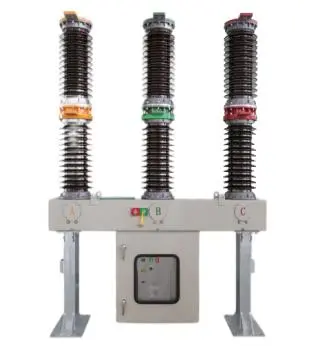
Understanding Electrical Overload and Its Effects on Breakers
One of the most common problems that industrial power systems have to deal with these days is electrical overload. When an electrical current flows through a circuit faster than it was built to, it puts stress on every part of the path, even the safety devices that are supposed to keep the system safe.
The Science Behind Electrical Overloads
Overload situations usually happen when electrical parts slowly break down, when equipment starts up quickly, or when motors start up quickly. Overloads happen more slowly but can last for a long time, unlike short circuits that cause huge current spikes all at once. This constant stress builds up heat inside circuit parts, which could lead to insulation failure, wire damage, and protection device wear and tear.
When choosing the right safety methods, it's important to know the difference between overloads and short circuits. Short circuits need to be stopped right away, within milliseconds, and overloads need coordinated reactions that let temporary overcurrent situations happen without tripping for no reason. Because of this difference, some specialized overload breakers incorporate thermal time-delay features in addition to immediate magnetic safety.
How Overload Breakers Respond to Stress
To find and deal with overcurrent situations, modern overload safety systems use complex thermal and electric principles. When there is a continuous overcurrent, the thermal element heats up a bimetallic strip or heating coil. The magnetic element, on the other hand, protects right away from serious overcurrents. This two-protection system makes sure that both slow overload protection and short-circuit interruption are possible.
But using these systems over and over again under overload situations wears them down over time. Arcing can hurt contact surfaces, thermal elements can lose their accuracy in calibration, and mechanical parts wear out over time from regular use. Manufacturers of electrical equipment have found that breakers that are frequently used at 150% of their maximum current may have a 30% shorter useful life than when they are used normally.
Types of Overload Breakers and Their Applications
Different types of protection are needed for industrial sites based on the tools they use, the environment, and their operating needs. Knowing about the different overload safety methods helps engineering teams choose the best ones for each job.
Thermal Overload Protection
When an overcurrent situation lasts for a long time and heat builds up, thermal overload devices kick in. Bimetallic bands or eutectic alloy elements that change state when exposed to high temperatures are used in these gadgets. The thermal reaction has built-in time-delay features that let motors handle normal starting currents while saving them from long-term overloads.
When it comes to motor safety, thermal protection works best because starting inrush currents can hit 600% of rated current for a few seconds. The time-delay feature stops annoying trips while the equipment is working normally and protects reliably against dangerous overload situations.
Magnetic Overload Protection
Magnetic overload breakers use electromagnetic bands to find overcurrent situations right away. When the current goes over a certain limit, the magnetic field creates enough force to set off the trip device. This technology gives exact, repeatable trip characteristics that are not changed by changes in the temperature of the environment.
Magnetic protection works well in situations where exact current limits and reliable performance are needed in a variety of environmental conditions. Magnetic overload safety systems are stable and accurate, which makes them useful in places like data centers, factories that make semiconductors, and machines used for precise manufacturing.
Comparative Applications Across Industries
Different types of industries need different kinds of overload safety. Manufacturing sites that make steel need strong thermal protection that can handle big changes in temperature and a lot of swapping. Chemical processing plants need buildings that can't explode and materials that won't rust. Renewable energy systems need designs that can withstand the weather and last longer in a variety of weather situations.
Installation, Maintenance, and Troubleshooting of Overload Breakers
Overload breaker effectiveness and longevity are directly correlated with installation and repair procedures. Industrial settings have special problems that need special ways to put things and do preventative upkeep.
Installation Best Practices
Installing an overload breaker correctly starts with figuring out the surroundings and choosing the right tools. The way heat is dissipated is affected by the direction of the mounting, and the temperature of the environment affects the accuracy of the trip curve. To keep electrical connections from coming loose and causing heating issues, torque standards must be followed.
In enclosed switching situations, where heat buildup can affect many devices, ventilation is very important. The best conditions for working are those with enough space between gadgets, good air flow, and temperature tracking systems. Strain relief and cable handling keep terminals from being put under mechanical stress that could damage the link over time.
Preventive Maintenance Protocols
Routine maintenance extends overload breaker life and maintains protection reliability. Visual checks find signs of burning, worn contacts, or mechanical damage before they become major problems with the system. Infrared thermal scanning can find problems with connections and stress inside parts that might not be obvious when the system is working normally.
Operational testing checks the accuracy of the trip curve and the purity of the motor operation. Calibrated test equipment compares real trip times to what the maker says they should be. This shows which devices need to be adjusted or replaced. By writing down test results, you can look for trends and plan maintenance based on real performance data instead of random time intervals.
Troubleshooting Common Issues
Frequent trips could mean that the motor is broken, that the wrong device was chosen, or that surrounding factors are changing the way trips work. To find the root causes of problems, systematic troubleshooting uses measuring power, keeping an eye on temperature, and checking for technical issues. Measuring contact resistance shows issues with connections or wear on internal contacts that need to be fixed.
Failure to trip during overload situations is a more serious safety issue that needs to be fixed right away by replacing the device and evaluating the system. Load testing in controlled environments makes sure that the security system works properly and finds potential safety risks before they hurt people or damage equipment.
How to Choose the Best Overload Breaker for Your Industrial Needs?
To choose the right overload safety, you need to look at a lot of factors, including electrical parameters, environmental conditions, and operating needs. Technical specifications, the ability of the provider, and long-term help are all things that go into the decision-making process.
Technical Selection Criteria
The basic selection factor is the current rating, but the real safety performance is determined by the trip curve characteristics. Class 10, 20, and 30 numbers show how long it takes for a motor to trip at certain stress levels. The right class to use depends on the motor's specs and the needs of the application. Ratings for voltage must take into account the system voltage and leave enough room for safety in case of sudden changes.
Specifications for breaking capacity make sure that the device can stop fault currents safely, without harm or danger. Fault currents in industrial settings can be anywhere from a few thousand amps in smaller buildings to over 100,000 amps in large substations. When upstream protective devices are properly coordinated, annoying trips are avoided while selective security is maintained.
Supplier Evaluation and Procurement Considerations
When evaluating overload breaker suppliers, procurement teams must look at providers of overload breakers based on their technical skills, dependability of delivery, and ongoing support services. Leading manufacturers like Siemens, Schneider Electric, and ABB are just a few of the top makers that offer complete product lines with lots of testing and licensing paperwork. Regional providers, on the other hand, may offer more competitive options with faster delivery and better expert support.
Listings with quality approvals like UL, IEC, and CSA make sure that safety standards and building rules are followed. Manufacturers' testing facilities and quality management systems give customers faith in the dependability and regularity of their products' performance. Long-term operational costs and repair plans are affected by warranty terms and the supply of replacement parts.
The procurement decision involves balancing initial cost, delivery schedules, and supplier relationship factors. Bulk purchasing deals may save you money, and flexible shipping terms can work with your project's schedule. Having technical support skills is very important during the starting and fixing stages, when professional help can avoid delays that cost a lot of money.
Benefits and Future Trends of Using Overload Breakers in Electrical Circuits
Modern overload safety technology has big operational and economic benefits. It is also moving toward smart, connected systems that make building management better.
Operational and Economic Advantages
Overload breakers are an important part of protecting equipment because they keep motors from breaking down and production from stopping. In factories, replacing motors can cost tens of thousands to hundreds of thousands of dollars. This is why effective overload safety is an important investment for keeping operations running. In addition to protecting the equipment directly, coordinated overload protection lowers the risk of arc flash and lowers insurance rates by making safety better.
Maintaining the motor's best working conditions and stopping wear and tear that increases power consumption are both ways to save energy. Overload safety systems let you keep an eye on things to see if problems are happening and report them before they waste energy or damage equipment. Overload protection data can be used to make predictive repair plans that cut costs by 25% while also making devices last longer.
Smart Technology Integration
New technologies are changing the way overload safety works, turning it into smart tracking and control systems. Smart breakers have built-in contact features that give you real-time state updates, operational data, and predictive analytics. These systems allow tracking from afar, automatic reporting, and connection to facility management systems to provide full operating oversight.
Connectivity to the internet of things (IoT) lets overload protection devices be a part of bigger plans for optimizing facilities. Machine learning programs look at old data to guess what problems will happen with equipment, find the best times to do repairs, and find ways to save energy. Cloud-based analytics systems collect data from many sources and make it possible to compare benchmarks and find the best ways to do things.
Monitoring contact wear, combining thermal imaging, and sound analysis are some of the advanced testing tools that can be used to get a full picture of an item's health. These technologies make condition-based upkeep methods possible, which make the best use of resources while still meeting high standards for reliability. When you connect it to an ERP system, you can automatically handle your inventory and make the best purchases based on actual equipment condition data.
Conclusion
Breakers can be damaged by electrical overloads if the safety devices are used outside of their designed limits or are put under stress over and over again. But overload breakers that are properly chosen and kept offer reliable security that far beats the risks of being exposed to overloads sometimes. Knowing how overload conditions affect the performance of safety devices helps people make smart choices about what equipment to buy, how to place it, and how to keep it in good shape. Today's overload protection technology has advanced solutions that balance protecting equipment, keeping operations running smoothly, and saving money. It is also moving toward smart systems that make building management better by using advanced tracking and predictive analytics.
FAQ
Can overload breakers handle repeated overload conditions?
Quality overload breakers are designed to handle thousands of switching operations under normal conditions. However, repeated operation at overload levels accelerates wear and may reduce operational life. Most industrial-grade devices can withstand occasional overloads at 150% rated current without significant degradation, but frequent operation above 200% may require more frequent inspection and potential replacement.
What is the difference between overload protection and short circuit protection?
Overload protection responds to sustained overcurrent conditions with time-delayed characteristics, allowing temporary current spikes during motor startup while protecting against harmful sustained overloads. Short circuit protection provides instantaneous response to massive current spikes that could cause immediate damage. Many modern devices combine both protection functions in a single unit.
How often should overload breakers be tested in industrial facilities?
How often something is tested relies on how important the purpose is, the environment, and what the manufacturer recommends. Some critical applications may need to be tested every month, while most normal industry applications only need to be tested every three to six months. Facilities that have harsh environments, a lot of moving activities, or high-value protected technology may benefit from testing more often.
Partner with Yuguang for Reliable Overload Protection Solutions
Yuguang Electric specializes in manufacturing high-quality overload breakers and comprehensive protection solutions for demanding industrial applications. Our ISO 9001:2015-certified factory uses cutting-edge production methods and strict quality control to make safe devices that are reliable and last a long time. These devices meet international standards such as IEC and GB approvals. With 39 patents and recognition as a High and New Technology Enterprise, we provide customized overload breaker solutions for power plants, mining facilities, and heavy industry uses all over the world. Our skilled engineering team provides full technical help from the original choice to installation and ongoing upkeep. You can email our overload breaker supply team at ygvcb@hotmail.com to talk about your specific safety needs and get full technical specs that are made to fit your building.
References
1. Institute of Electrical and Electronics Engineers. "IEEE Standard for Motor Overload Protection in Industrial Applications." IEEE Press, 2022.
2. National Electrical Manufacturers Association. "Application Guide for Overload Protective Devices in Industrial Motor Circuits." NEMA Publications, 2021.
3. International Electrotechnical Commission. "Overload Protection Requirements for Low Voltage Switchgear and Controlgear." IEC Standards Publication, 2023.
4. Electric Power Research Institute. "Reliability Analysis of Thermal and Magnetic Overload Protection Systems." EPRI Technical Report, 2022.
5. American Society for Testing and Materials. "Standard Test Methods for Overload Circuit Breaker Performance and Durability." ASTM International, 2021.
6. Industrial Electrical Safety Association. "Best Practices for Overload Protection in Heavy Industrial Applications." IESA Technical Guidelines, 2023.

Send Inquiry
You may like
