
Circuit Breaker Mechanism Guide for Equipment Repair & Replacement
The Circuit Breaker Mechanism serves as the heart of electrical protection systems, ensuring safe and reliable operation across industrial facilities worldwide. When equipment failures occur, understanding these mechanisms becomes crucial for making informed repair and replacement decisions. Modern industrial operations depend on sophisticated switching devices that can handle high-voltage applications ranging from 6KV to 40.5KV, requiring specialized knowledge for proper maintenance and procurement strategies.
Understanding Circuit Breaker Mechanisms: Components and Operating Principles
Core Components of Modern Switching Systems
There are several important parts that make up industrial circuit breakers that all work together to protect electricity safely. The main part that carries current is the contact assembly, which is made of high-conductivity materials that can handle being opened and closed many times. Arc quenching rooms use high-tech tools like vacuum or SF6 gas to safely stop fault currents. This keeps equipment from getting damaged and keeps operators safe.
The working mechanism turns saved energy into fast contact motion and is the mechanical heart of the system. Electromagnetic systems respond right away to control signals, while spring-operated devices store energy slowly and quickly when they need to. Permanent magnet mechanisms are more reliable because they have better operating qualities and less complicated mechanics.
Operational Principles and Control Systems
When a Circuit Breaker Mechanism is turned on, it follows a very specific set of steps that are set off by either human orders or automatic safety signals. When the device is normally closed, it charges the energy storage elements and places the contacts so that current routes can be made. When opening instructions are sent, stored energy quickly separates contacts and sets off arc extinguishing devices at the same time.
Electrical factors are constantly being checked by trip units, which compare recorded values to limits that have already been set. Microprocessor technology is used in modern electronic trip units to accurately sense current and make safety shapes that can be customized. These high-tech systems can tell the difference between normal changes in load and real faults. This cuts down on unnecessary trips while still providing full safety.
Classification of Industrial Protection Devices
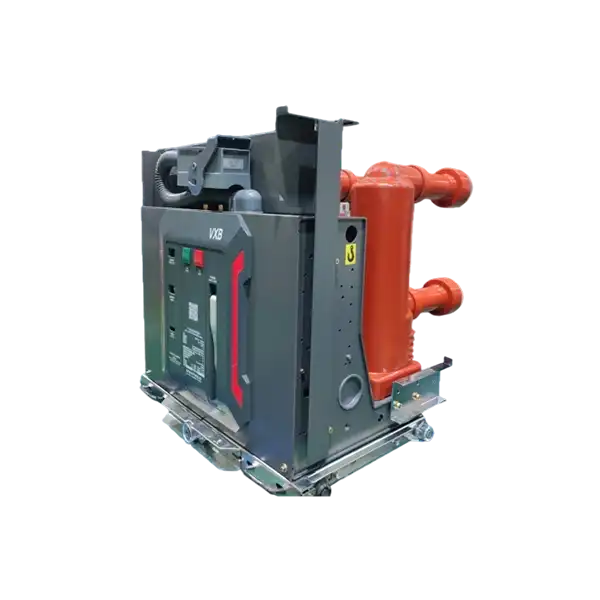
Depending on the voltage, current, and environmental factors, different protection methods are needed in industrial settings. Vacuum circuit breakers work great in middle voltage situations because they don't need to be maintained and can stop very well. Because they have sealed contact areas, they don't need to be maintained often and can reliably stop an arc in a wide range of temperatures.
Molded case circuit breakers are used in low-voltage situations where space-saving form and low cost are most important. These units have safety features built into enclosures that take up little room. This makes them perfect for use in motor control centers and distribution panels. Air circuit breakers are used in places where repair and adjustments need to be easy to get to and for high current uses.
Common Problems and Maintenance Tips for Circuit Breaker Mechanisms
Identifying Typical Failure Modes
One of the most common problems that makes the Circuit Breaker Mechanism less reliable is mechanical wear. Over time, activities that are interrupted remove material from touch areas naturally. This is called contact erosion. This wear and tear can cause the resistance to rise, the device to get too hot, and eventually stop safely carrying the rated current. Scheduling regular inspections and replacements of contacts keeps the system reliable and stops major breakdowns before they happen.
Energy storage systems are affected by spring mechanism wear, especially in places where they are used a lot. When the spring tension is lowered, the contact moves more slowly, and the fault may not be fully cleared. Contaminants in the environment also cause big problems because dust, water, and chemicals can make it hard for machines to work and for electrical shielding to work properly.
Preventive Maintenance Strategies
Using thorough repair plans greatly increases the life of equipment and lowers the chance of unexpected breakdowns. Visual checks should center on the state of the contacts, the alignment of the springs, and the cleaning of the mechanism. Schedules for lubrication must be followed exactly as written by the maker, and the right lubricants must be used to keep their properties across a range of operating temperatures.
Functional testing checks how well something works in a controlled environment. As part of these tests, you should measure the time of the contacts, check the insulation resistance, and calibrate the safety system. Keeping track of test data allows for trend analysis, which helps support teams spot problems before they become major.
Condition tracking technologies are used in advanced maintenance plans to check on the health of machines all the time. Vibration analysis, heat images, and measuring partial discharge can all help find problems early on. These methods to predictive maintenance make the most of maintenance times while also making the system more reliable as a whole.
Comparing Circuit Breaker Mechanisms: Making the Right Choice for Your Application
Technology Selection Considerations
Vacuum technology has a lot of benefits for medium voltage uses, especially in places where it's hard to do upkeep. The sealed vacuum tanks get rid of worries about pollution from the outside and keep working at the same level throughout their service life. Most of the time, these devices don't need much upkeep other than regular mechanical checks and checks of the contact state.
Air Circuit Breaker Mechanisms are still the best choice for situations that need to be adjusted and maintained often. Their open design lets you look at all of their parts in great detail, which makes them perfect for demanding situations where full tracking is needed. But protecting the environment and the need for regular cleaning must be taken into account when figuring out the total cost of ownership.
Mechanisms that are protected by SF6 gas have great interrupting power for high voltage uses. Because SF6 is a better insulator, it can be used in small systems that can handle high currents. Environmental rules about how to handle and get rid of SF6 must be taken into account when making a choice. Gas-filled systems also have special upkeep needs that must be met.
Performance Characteristics and Application Matching
The ability to interrupt current is a basic selection factor that needs to match the amount of system fault. Mechanisms must show that they can safely cut off the highest fault current while keeping the structure's stability. Ratings for short circuits should include both the maximum current that can flow in an instant and the maximum temperature that can be handled for the amount of time that safe relay coordination calls for.
Different systems and uses have very different operational life expectancies. At rated power, vacuum systems usually last between 10,000 and 30,000 operations, and under normal conditions, they can last over 100,000 operations. Most of the time, spring devices last longer than electric systems. This is especially true in situations where the system needs to be used often.
The ability to change to different environments affects the choice of technology for a given installation situation. When the environment is dirty, sealed systems work better, but when the temperature and humidity are managed, air-insulated types may be better. Extreme temperatures, altitude, and the need for protection against earthquakes can all affect which technology is best for a given job.
Procurement Insights: Where and How to Source Circuit Breaker Mechanisms?
Quality Assurance and Certification Requirements
When businesses make purchases, they need to give preference to sellers who have a lot of certifications that show they follow the rules for their industry. The IEC 62271 set of standards spells out the performance needs for high-voltage switchgear, while the IEEE C37 standards cover uses in North America. Suppliers should give full certification paperwork, such as type test results and quality system approvals.
Manufacturing quality systems have a big effect on how reliable equipment is over time and how well suppliers can help you. ISO 9001 certification shows that you care about quality management, and ISO 14001 and ISO 45001 certifications show that you care about the environment and safety. Advanced providers usually have extra licenses that are special to their ability to make and test electrical equipment.
Authenticating a product is becoming more and more important as fake parts pose serious risks to safety and dependability. Suppliers that are trustworthy give a lot of paperwork, like test results, material certificates, and records of where the goods came from. To make sure that products are real and the quality is consistent, procurement teams should check the credentials of suppliers and, if possible, visit production sites.
Supplier Evaluation and Partnership Development
For lead time management to work, suppliers must be carefully chosen based on their ability to produce and their stocking plans. Standard goods usually ship within 7 to 15 days from reputable sellers who have enough stock on hand. Customized solutions may take 30 to 60 days, based on how complicated the changes are and where they are in the manufacturing line. In case of an emergency, replacement needs should be met through deals with suppliers that ensure fast delivery.
A partnership's long-term success after the original procurement transactions is often determined by how well it can provide technical help. Suppliers should offer full application tech support, which should include help choosing the right product, installing it, and making sure it works properly. For repair, troubleshooting, and modification needs, ongoing expert help makes sure that the equipment works at its best throughout its working life.
When choosing suppliers for foreign projects and for ongoing support needs, the global supply chain comes into play. Suppliers with well-established transportation networks and the ability to offer local service can help with repair and replacement needs more quickly and effectively. Shipping goods across borders and knowing how to fill out paperwork make it easier to complete projects for foreign sites.
Conclusion
Circuit Breaker Mechanisms are important parts of infrastructure that need to be carefully chosen, properly maintained, and partnered with dependable suppliers to make sure they work safely and efficiently. Knowing the basic ideas, common ways things go wrong, and available tools helps you make smart choices that are best for safety and cost-effectiveness. Procurement strategies that work well balance technical needs with suppliers' abilities. This makes sure that important electrical safety systems can be used in a wide range of industries for a long time.
FAQ
What are the primary causes of circuit breaker mechanism failures?
The most common type of failure is contact erosion, which happens naturally during normal stopping activities. Pollution in the environment, wear and tear on moving parts, and not enough care all play a big role in early fails. Setting up regular maintenance and taking care of the surroundings can stop most types of failure and make tools last longer.
How often should industrial circuit breaker mechanisms undergo maintenance?
Maintenance times depend on how hard the coating is and the weather. Most makers say that important applications should be inspected once a year and get full maintenance every two to three years. Applications with a lot of operations may need to be checked on more often, but sealed vacuum systems can usually go up to 5–7 years between checks if conditions are right.
Can circuit breakers replace traditional fuses in industrial applications?
Circuit breakers are much better than fuses because they can be used more than once, their safety can be changed, and they can be controlled from a distance. Fuses, on the other hand, clear certain types of faults more quickly and may be better for some security needs. For most business uses, circuit breakers are the best choice because they are cheaper and easier to maintain.
What customization options are available for specialized applications?
Modern makers let you make a lot of changes, like using different types of touch materials, sealing against the environment, making sure the product is safe for earthquakes, and integrating it with certain control systems. Different voltages, current values, and working needs can be met by electromagnetic, spring, and permanent magnet operating mechanisms. Custom tech help makes sure that difficult applications work at their best.
Partner with Yuguang for Reliable Circuit Breaker Mechanism Solutions
Yuguang Electric offers a wide range of circuit breaker mechanisms that are made to work in tough industrial settings. Our 39 patents and advanced production skills make sure that our security works well across the whole voltage range of 6KV to 40.5KV. We solve problems with compatibility by using combined modular design and scenario-based customization. This lets power plants, industrial facilities, and building projects run smoothly and for a long time.
Our full-chain service method includes everything from the initial planning to installation and ongoing assistance. This means that you don't have to worry about managing a bunch of different suppliers. As a top company that makes circuit breaker mechanisms, we mix our knowledge of making products in the United States with service standards from around the world to provide solutions that lower running costs and make systems more reliable. For personalized engineering advice, email our technical team at ygvcb@hotmail.com and find out how our tried-and-true methods can improve your electricity safety systems.
References
1. Association for the IEEE Standards. "IEEE Standard for AC High-Voltage Circuit Breakers Rated on a Symmetrical Current Basis." 2018 by the Institute of Electrical and Electronics Engineers.
2. International Commission for Electrotechnical Standards. The IEC 62271-100 Standard from 2021 talks about "High-voltage switchgear and controlgear – Part 100: Alternating current circuit-breakers."
3. Robert M. Johnson, Jr. "Modern Circuit Breaker Technology: Principles and Applications for Industrial Power Systems." Industrial Power Engineering Quarterly, no. 45, no. 3, 2023.
4. Smith, David A. This article from the Electrical Maintenance and Safety Journal talks about how to take care of high-voltage circuit breakers in industrial settings. 28, no. 2, 2022.
5. Thompson and Lisa K. "A Study of Vacuum Circuit Breakers in Medium Voltage Distribution Systems" in Power System Protection Review, vol. 39, no. 4, 2023.
6. Wilson, Mark J. The Industrial Equipment Management Magazine has an article called "Economic Analysis of Circuit Breaker Selection for Industrial Facilities." 52, no. 1, 2022.

Send Inquiry
You may like
