
Common 35kV Mechanism Problems and Solutions
The 35kV mechanism is an important part of power transmission and distribution systems because it makes sure that electrical switching works properly. These complex devices manage the flow of electricity in medium-voltage settings, but they have to deal with a number of problems while they're working. Understanding these issues and putting good solutions in place can cut down on downtime, improve safety, and make the system run better. This complete guide covers the most common problems with 35kV mechanisms and gives procurement managers, engineers, and maintenance teams real-world solutions they can use to keep equipment running at its best.
Understanding Common Problems in 35kV Mechanisms
The operational reliability of high-voltage switching equipment depends on finding and fixing possible failure modes as soon as they become big issues. Working with industrial power systems has taught me that to fully understand these problems, you need to take a methodical approach that looks at both the immediate symptoms and the underlying causes.
Mechanical Component Failures and Their Impact
One of the most common problems with 35kV switching mechanisms is that they get stuck. These problems usually show up as strange sounds when the machine is working, resistance when it is being operated by hand, or the inability to carry out any switching commands at all. The main reasons are usually not enough lubrication, parts wearing out from repeated use, and debris building up inside the mechanism housing.
The environment is very important for the reliability of 35kV mechanisms. When the humidity level goes above 85%, internal parts can rust, and when the temperature goes from -40°C to +85°C, it stresses materials beyond what they were designed to handle. When dust builds up, especially in industrial settings like chemical plants and steel mills, it adds more points of friction that speed up the wear patterns.
Material fatigue shows up after a long time of use, usually after 10,000 to 15,000 switching cycles, but this can vary depending on the load. The spring mechanisms lose their ability to hold tension, and the pivot points get too far apart, which changes the timing and accuracy of the switching.
Insulation System Degradation
Breakdown of insulation is still a major concern for people who work with medium-voltage equipment. A lot of the time, these failures start as partial discharge events that wear away dielectric materials slowly. Environmental stressors like getting wet, UV light, and chemical contamination speed up the breakdown process.
Insulation failure has effects other than damage to equipment. When the integrity of a system is compromised, it can put maintenance workers in danger and cause failures in other equipment that is connected to it. Knowing how these things break down helps procurement teams choose equipment with better insulation and the right environmental ratings.
Troubleshooting and Maintenance Best Practices
Using a structured approach to maintenance greatly increases the life of equipment and lowers the number of unexpected breakdowns. With today's diagnostic tools, maintenance teams can find potential issues before they affect how the system works.
Systematic Diagnostic Approaches
The way we maintain mechanisms has changed a lot because of new diagnostic tools. During normal operation, vibration analysis systems can find worn bearings, misaligned parts, and mechanical looseness. Thermal imaging shows hot spots that mean there is more resistance or bad connections. Partial discharge measurements show early signs of insulation degradation.
Setting baseline measurements during commissioning gives you a way to compare things in the future. By looking at how key parameters like operating times, coil currents, and contact resistance values change every month, predictive maintenance strategies can be used to make the best use of resources.
Preventative Maintenance Protocols
Regular inspection schedules should be in line with what the manufacturer suggests and take into account the conditions at the site. Harsh environments might need more frequent maintenance, especially for parts that are exposed to corrosive air or high temperatures.
Using manufacturer-specified greases in lubrication programs makes mechanical parts last longer. However, too much lubrication can bring in dirt and make it hard to work. The important part is using the right tools and the right amounts at the right times so that electrical parts don't get messed up.
Activities that involve calibration make sure that the protective settings stay within certain limits. Timing tests make sure that the opening and closing sequences happen within acceptable limits, and travel measurements make sure that contacts engage fully without going too far out of range.
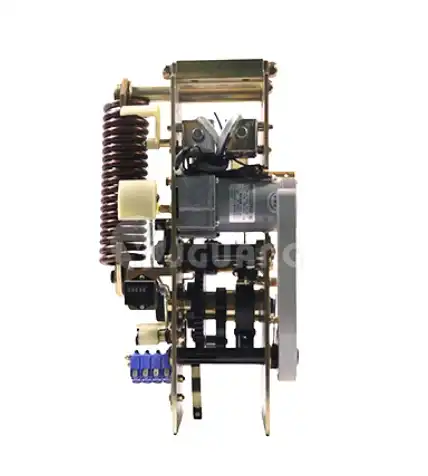
Comparing 35kV Mechanism Models and Solutions
To choose the right switching mechanisms, you need to know the technical differences between voltage classes and what each manufacturer has to offer. There are more differences between 33kV, 35kV, and 40kV equipment than just voltage ratings. These differences include how the insulation works, how the equipment is built, and whether it is right for the job.
Technical Specifications and Performance Metrics
For many medium-voltage uses, the 35kV mechanism voltage class strikes the best balance between performance and cost-effectiveness. The right amount of insulation keeps equipment at a reasonable size while still providing enough safety margins. Breaking capacity ratings are usually between 12.5kA and 31.5kA, which covers a wide range of load conditions, from distribution feeders to industrial motor circuits.
Ratings for mechanical endurance are very different between manufacturers and design approaches. Depending on the duty, spring-operated mechanisms can usually handle 10,000 to 30,000 cycles, while motor-operated devices may be able to handle 5,000 to 15,000 cycles. Knowing these limits helps match the capabilities of the equipment with the needs of the application.
Manufacturer Comparison and Selection Criteria
Leading manufacturers set their products apart by coming up with new designs, making sure their products are well-made, and offering good customer service. Some focus on small designs that can fit in tight spaces, while others stress tough construction that can handle harsh industrial settings.
Certification standards give objective measures of how well a product meets regulatory requirements. Certification to IEC 62271-100 makes sure that the product works with other devices around the world, while compliance to IEEE C37.06 meets the needs of North American users. More certifications for cybersecurity, environmental performance, and seismic qualification make the product better for certain uses.
Before choosing a supplier, look at how well they've done in similar situations in the past, whether they offer local support, and how committed they are to making sure that parts will always be available. The initial purchase price is only one part of the total cost of ownership. Other costs include installation, maintenance, and lifecycle support.
Innovative Solutions and Technological Advancements
The development of switching mechanism technology keeps solving old problems and adding new features that make systems more reliable and improve how well they work. The problems that procurement teams have when they have to choose medium-voltage equipment have been directly fixed by these improvements.
Smart Monitoring and Diagnostics Integration
Internet of Things (IoT) technologies now make it possible to keep an eye on important mechanism parameters all the time. Wireless sensors keep track of patterns of vibration, temperature, and operation cycles without having to change the wiring permanently. This information is used by predictive analytics platforms to find patterns of wear and tear and suggest the best time for maintenance.
Machine learning algorithms look at past performance data to set baseline conditions that are specific to the equipment. When normal operating patterns are broken, alerts are sent out so that problems can be fixed before they happen. This method changes maintenance from being reactive to being proactive, which cuts down on both planned and unplanned downtime.
Advanced Materials and Design Innovations
New designs for mechanisms use high-tech materials that fix common problems that cause them to break. Corrosion-resistant alloys make parts last longer in harsh environments, and better sealing technologies have reached IP67 ratings that keep water out. These improvements directly meet the needs for reliability of applications that are used in critical infrastructure.
Modular construction ideas let you replace key parts in the field without having to replace the whole mechanism. This method lowers the cost of maintenance and shortens the time that power is out while repairs are being done. The philosophy of integrated design makes sure that modules work with each other and that the system as a whole stays intact.
Upgrading to next-generation equipment improves reliability, saves energy, and meets regulatory requirements. To support condition-based maintenance strategies, modern mechanisms use less control power, work more quietly, and have better diagnostic tools.
Procurement Insights: Purchasing and After-Sales Services
To get medium-voltage switching equipment, you need to know about both the technical requirements and the business issues that come up. Finding the right balance between performance requirements and cost constraints is key to successful procurement. Long-term supplier support is also important.
Understanding Pricing Structures and Sourcing Options
There are a lot of things that affect the price of a 35kV mechanism, such as its technical specifications, certification needs, customization requirements, and production volumes. Standard catalog items usually have the best prices, while custom configurations cost more because engineers have to spend more time and money on tools.
When you buy directly from a manufacturer, you can get technical help and make changes, but you may have to buy more in order to get a discount. Authorized distributors offer local support and the ability to order smaller amounts, but the manufacturer's warranty still covers them. The best way to source depends on the size of the project, its technical needs, and its deadlines.
Here are the most important things to think about when planning a procurement project:
- Technical specification alignment: Make sure that the ratings, dimensions, and interface needs of the equipment match the needs of the system without adding too many details that aren't needed and drive up costs.
- Coordinating delivery times: standard products usually ship within 7–15 days, but engineering and manufacturing of customized solutions take 30–60 days.
- Quality assurance protocols: Make sure that suppliers have the right certifications and quality management systems in place to make sure that products always work well.
These things have a direct effect on the success of the project because they make sure that the equipment bought meets both short-term and long-term operational needs.
Customization and OEM Services
The comprehensive approach that is needed to successfully buy medium-voltage equipment is shown by Shaanxi Yuguang Electric Co., Ltd. With 39 patents spanning 6kV to 40.5kV uses, Yuguang shows that it can come up with new ideas that meet the needs of complex projects. Their integrated modular design makes them small while still providing strong sealing and a long service life.
The company offers a full range of services, not just selling products. These include research and development, production, installation, and support after the sale. This complete model covers the whole project lifecycle, from the initial requirements to long-term support for maintenance. Aerospace-grade precision technology and multi-round testing protocols that ensure dependability are used to make sure that the quality of their products is high.
Customization lets products adapt to harsh environments and the needs of specific industries. The low minimum order quantity of one unit makes it possible for both small and large orders to be fulfilled. The variety of electromagnetic, spring, and permanent magnet mechanisms makes them compatible with a wide range of circuit breakers.
As part of the after-sales service, customers can get help with installation, maintenance agreements, spare parts, and free plans for making changes that meet changing operational needs. This all-around support model lowers long-term operational risks and makes sure that equipment works at its best for the whole time it's being used.
Conclusion
In many industrial settings, the dependability of 35kV mechanisms has a direct effect on system safety, operational efficiency, and the cost of maintenance. Organizations can improve the performance of their power systems while lowering the costs over their entire life by learning about common failure modes, implementing proactive maintenance strategies, and choosing the right equipment specifications.
Modern technological advances in smart monitoring, advanced materials, and modular design solve old problems while adding new features that make operations more reliable. To make sure the procurement process goes well, technical needs, supplier abilities, and long-term support requirements must all be carefully thought through.
Building strong relationships with qualified suppliers who can show they have a lot of technical knowledge, the ability to make things, and a dedication to customer service is the key to installing medium-voltage equipment correctly and keeping it running smoothly for a long time.
FAQ
What are the primary causes of 35kV mechanism failures?
The leading causes include mechanical wear from inadequate lubrication, environmental stress from humidity and temperature variations, insulation degradation due to moisture ingress, and material fatigue after extended operational cycles. Proper maintenance protocols and appropriate equipment selection significantly reduce these failure risks.
How often should 35kV mechanisms undergo maintenance inspection?
Maintenance frequency depends on operational conditions and manufacturer recommendations. Standard industrial applications typically require quarterly visual inspections, annual electrical testing, and comprehensive mechanical inspection every three to five years. Harsh environments may necessitate more frequent interventions to maintain optimal reliability.
What factors should guide 35kV mechanism selection for specific applications?
Key selection criteria include voltage and current ratings that exceed system requirements by appropriate safety margins, environmental ratings suitable for installation conditions, mechanical endurance ratings that match expected duty cycles, and supplier capabilities for ongoing support and parts availability throughout the equipment lifecycle.
Partner with Yuguang for Reliable 35kV Mechanism Solutions
Yuguang Electric combines proven expertise with innovative solutions to address your medium-voltage switching requirements. As a specialized 35kV mechanism manufacturer, we offer comprehensive customization capabilities that adapt to harsh environments and industry-specific needs while maintaining the highest quality standards.
Our integrated approach covers the complete project lifecycle from initial consultation through long-term maintenance support. With 39 patents covering 6kV to 40.5kV applications and authoritative certifications including ISO 9001:2015, we deliver reliable solutions that reduce operational risks and optimize system performance. Contact our technical team at ygvcb@hotmail.com to discuss your specific requirements and discover how our advanced mechanism technologies can enhance your power system reliability.
References
1. IEEE Standard C37.06-2009, "AC High-Voltage Circuit Breakers Rated on a Symmetrical Current Basis—Preferred Ratings and Related Required Capabilities for Voltages Above 1000 V"
2. IEC 62271-100:2021, "High-voltage switchgear and controlgear - Part 100: Alternating current circuit-breakers"
3. CIGRE Working Group A3.06, "Final Report on the Partial Discharge Detection in GIS," Technical Brochure 226, December 2003
4. IEEE Power and Energy Society, "Guide for Diagnostic Field Testing of Electric Power Apparatus - Electrical Machinery," IEEE Std 62.2-2004
5. International Electrotechnical Commission, "Insulation co-ordination for equipment within low-voltage systems," IEC 60664-1:2020
6. National Electric Manufacturers Association, "Switchgear - Medium Voltage Metal-Clad Switchgear," NEMA SG 4-2013

Send Inquiry
You may like
