
Common faults in industrial power distribution
Industrial power distribution is an important part of modern factories, but they can still fail in a number of ways that can stop production and put workers in danger. Short circuits, overloads, insulation breaks, grounding issues, and mechanical part failures are common in these distribution networks, which control the flow of electricity from main sources to end-use equipment. When problems happen in high-voltage switches, transformers, circuit breakers, or distribution panels, they don't just cause power to go out; they also damage equipment, raise upkeep costs, and put worker safety at risk. When engineering teams and procurement managers understand these fault patterns, they can take preventative steps, choose the right tools, and work with providers who offer reliable, maintenance-free solutions that are made to keep operations stable over the long term.
Comprehending Common Faults in Industrial Power Distribution
Short Circuit Events and Their Impact
One of the most dangerous types of faults in power systems is a short circuit. When electrical current goes around standard load lines because of a broken insulation or a conductor contact, a huge amount of energy is released in milliseconds. This quick rush creates a lot of heat, which could lead to arc flashes that hurt people and damage equipment. To keep things from going horribly wrong, metal-enclosed switches and circuit breakers must quickly stop these fault currents. The problem is worse in places with voltages between 6KV and 40.5KV, where fault currents can be as big as thousands of amps.
Overload Conditions and Thermal Stress
Overload faults happen slowly when the demand for electricity is higher than the system's capacity. Overloads, on the other hand, cause long-term heat stress that breaks down shielding materials, weakens wire connections, and speeds up the aging of parts. A lot of facilities get too busy when production is high or when new equipment is added without first doing a good load analysis. Thermal imaging tests show hot spots before a catastrophic failure happens, but many operators don't have full tracking systems that can find these early warning signs.
Insulation Degradation Mechanisms
A lot of industrial power distribution system problems in steel mills, chemical plants, and manufacturing facilities are caused by insulation failure. Dielectric materials break down over time because of things in the environment like humidity, dust, chemical contact, and changes in temperature. Internal partial discharge starts, making carbonized tracks that finally cause the insulation to fail completely. For equipment to work properly in tough settings, it needs better sealing (IP67 or higher) and materials that don't rust so it can last a long time.
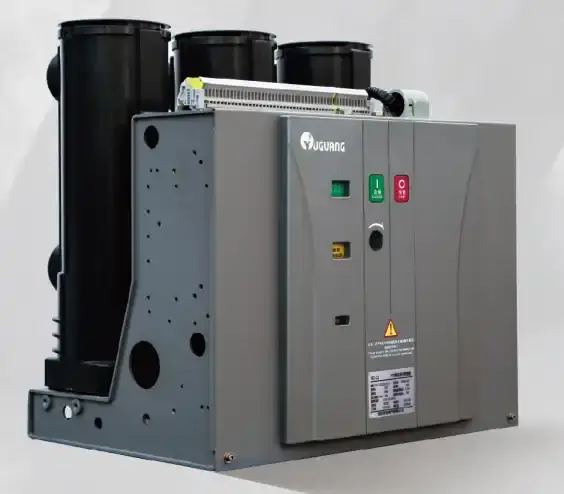
Root Causes and Diagnostic Principles of Industrial Power Distribution Faults
Equipment Aging and Lifecycle Challenges
Facilities where original equipment has been used for decades past its intended service life are at a high risk because their infrastructure is getting old. When an arc is interrupted over and over, mechanical parts wear out, spring systems become out of whack, and touch surfaces get pits. It's hard for procurement managers to decide whether to fix old tools or buy new, more up-to-date ones. Permanent magnet operating mechanisms have become the best options because they don't need to be maintained and keep working well after millions of switching cycles. These high-tech devices get rid of hydraulic systems and spring units that used to need to be serviced regularly.
Installation and Environmental Factors
When work is done wrong, problems are hidden for years before they show up. Not enough pressure on the links between the conductors causes resistance heating, and parts that are not lined up correctly cause mechanical stress during operation. These problems are made worse by the environment. Facilities near the coast have to deal with air that is full of salt, mines have to deal with dust that is rough, and petroleum plants have to deal with atmospheres that are toxic.
Yuguang deals with these problems by scenario-based customization, which changes the specs of tools to fit different work settings. During project planning, our engineering team looks at the conditions of the site and suggests better seals, specialized coatings, and material choices that make tools last longer in tough situations.
Advanced Diagnostic Technologies
Modern testing methods have changed the way faults can be found. Before they break, thermal imaging cameras find strange patterns of temperature that point to loose links or overloaded wires. Insulation resistance testing measures how much the dielectric strength is decreasing, which lets condition-based repair methods work. Monitoring for partial release finds internal insulation breakdown early on, stopping power outages that aren't expected. Integration of smart sensors allows for constant tracking and automatic alerts when parameters go beyond acceptable limits. When compared to reactive maintenance methods, thorough diagnostic programs cut unexpected downtime by 40 to 60% in facilities that use them.
Effective Fault Prevention and Maintenance Strategies
Proactive Maintenance Programs
Setting up routine repair plans is the first step in making sure that power is distributed reliably. During routine checks, the state of the equipment should be looked at visually, connections should be scanned for heat, vital circuits should be insulated, and protective devices should be checked to make sure they work. Cleaning up built-up dirt and grime stops tracking tracks that lead to flashovers. Lubricating moving parts keeps them running smoothly and stops friction wear. Writing down what was found during a check makes historical records that show patterns of wear and tear and help with choices about replacement.
Yuguang's combined modular design for industrial power distribution makes maintenance easier by letting parts be serviced without having to shut down the whole system. Our vacuum circuit breakers have sealed arc extinguishing tanks that mean they don't need the regular upkeep that oil-filled or air-blast designs do. The permanent magnet mechanism works consistently for more than 20 years without any adjustments, which means it requires a lot less upkeep over its lifetime than traditional spring or hydraulic systems.
Technology Upgrades and Modernization
Upgrading to more modern tools makes problem avoidance a lot better. Switchgear that was made 30 to 40 years ago doesn't have the safety features that are now standard. Modern metal-clad switchgear is built to withstand arcs and has full monitoring and ground fault protection. Monitoring systems that use the Internet of Things (IoT) let you see what's going on in real time and find problems before they get worse.
Our product line includes products that work with voltages from 6KV to 40.5KV and are designed to work best in situations that happen a lot in the industrial and process industries. Our vacuum interrupter technology is great for places like steel mills, mines, and wind power plants because it doesn't need to be maintained and works well even in high-duty cycles. With 39 patents protecting our innovations, Yuguang has technology benefits that lead to more reliable operations and lower total costs of ownership.
Compliance and Safety Standards
Following foreign safety standards is an important way to lower risks. IEC 61439 sets the standards for low-voltage switchgear systems, and IEEE C37.20 controls the design of metal-enclosed switchgear. NEC and NFPA 70E require certain ways to place things and guard against arc flashes. Facilities must make sure that equipment has the right approvals and that the way it is installed meets the rules set by the code.
Yuguang has ISO 9001:2015, ISO 14001, and ISO 45001 certifications, which show that we care about quality, being good to the environment, and keeping workers safe. To make sure our goods meet both national and foreign standards, they are put through a lot of tests, such as arc extinguishing verification, insulation withstand testing, and load adaptability validation. This thorough training helps our customers with their bidding processes and meeting legal requirements.
Case Studies: Resolving Common Faults in Industrial Power Distribution
Overload Resolution in Metal Processing Facility
During busy production times, a steel plant's 10KV distribution system kept going off because of heat overloads. Thermal imaging showed that the bus links in the main switchgear lineup were getting too hot. Our expert team did a load study that showed the system was 15% over its original design capacity because of increased production. The problem was fixed by moving the load to more feeders, replacing bus parts that were too small, and adding better tracking. Using vacuum circuit breakers with higher interrupting capacity and heat withstand ratings got rid of annoying trips and made fault prevention better. The building was able to run smoothly and has room for future growth.
Insulation Failure Prevention in Chemical Plant
During regular checks of their medium-voltage industrial power distribution panels, a petroleum plant found strange partial discharge activity. Insulation resistance tests showed that several panels that were exposed to chemical fumes had broken down. Instead of waiting for a catastrophic failure, the company worked with Yuguang to replace the equipment before it broke. They used our enhanced-seal switchgear, which is made to work in corrosive conditions. Our IP67-rated shelters with ceramic covering and special gasket materials keep chemicals and water out. The installation included thorough testing and running two machines at the same time during the switchover, which kept output as smooth as possible. This proactive method kept the system from having to shut down in an emergency and increased its general dependability.
These real-life examples show how important it is to do detailed diagnostics, act quickly, and choose equipment that is made for specific working situations. When procurement teams and project managers put dependability ahead of initial cost, they get better long-term results like less downtime, lower upkeep costs, and better safety performance.
How to Choose Reliable Industrial Power Distribution Systems and Suppliers?
Critical Selection Criteria
To choose the right delivery tools, you have to look at a lot of technical and business factors. The most important thing to think about is how reliable the equipment is because it directly affects the consistency of production. Systems must have worked well in similar situations before, and the average time between mistakes must be longer than the standards set by the business. Regulatory compliance makes sure that operations are legal and speeds up the process of getting permits. Energy economy lowers costs and supports efforts to be more environmentally friendly. The modular design makes it possible to add on to the system in the future without having to rebuild the whole thing.
Evaluating Supplier Capabilities
A supplier's skills have a big impact on the success of a project and the customer's long-term happiness. Reliability is based on the quality of the manufacturing process. High-tech production tools and strict testing procedures produce the best results. For important parts like solid-sealed poles and arc-extinguishing chambers, Yuguang uses cutting-edge production lines with aerospace-grade precision technology. Before any product ships, it goes through a multi-stage testing method that checks for useful performance, insulation integrity, and load adaptability.
Installation knowledge makes sure that the right steps are taken to start the system working as it was meant to. Yuguang gives detailed installation instructions and technical help on-site. He works closely with project teams to meet adaptation needs and make sure that testing goes smoothly. Our full-chain service model includes more than just selling products. It includes the whole lifecycle, from the original research and development to production, installation, and help after the sale.
Service after the sale is what sets trusted partners apart from transactional providers. Maintenance agreements, easy access to spare parts, and quick trouble reaction keep small problems from turning into long outages. Yuguang keeps a large stock of spare parts that can be shipped right away. They also offer free modification plan development when needs change, and they offer ongoing expert advice. We can offer these benefits to customers in other countries through our cross-border service skills, which combine manufacturing knowledge in the United States with global support infrastructure.
Advantages of Partnering with Yuguang
Yuguang is a great partner for industrial power distribution projects for a number of unique reasons. When you use our scenario-based customization tools, you can solve problems that normal goods can't. We design solutions that work in real-world situations, whether they have to deal with high temperatures, corrosive atmospheres, limited room, or specific operating needs. This feature is especially useful for people who run infrastructure like airports, data centers, and public transit systems in cities where normal equipment doesn't always work well.
Our idea of combined modular design leads to small footprints, better sealing, and longer service lives. The small size means that less space is needed for installation, which is very helpful for retrofits that don't have a lot of room. Strong sealing keeps out external contamination that lowers performance, and strong building guarantees years of trouble-free use. These design principles directly lead to lower total cost of ownership by cutting down on repair needs and increasing the time between replacements.
Our wide range of products makes buying easier because they let you get everything you need from a single source. We offer main distribution equipment, secondary distribution components, specialized equipment for wind power uses, and related accessories across the full 6KV to 40.5KV range. This complete package makes project management easier, makes teamwork simpler, and makes sure that all system parts work together.
Yuguang can handle both small changes and big capital projects because the minimum order quantity is flexible and starts at just one unit. Customized solutions are delivered in 30 to 60 days, while standard goods are shipped within 7 to 15 days. These time frames allow for tight project deadlines without sacrificing quality. Our wooden packaging is resistant to moisture and shock and meets foreign shipping standards. This makes sure that goods get to their destination in perfect shape no matter where they're going.
Conclusion
To fix common problems in industrial power distribution systems, you need to know how they fail, use proactive testing, and choose durable tools that will last for a long time. Industries from making steel to handling chemicals are all at risk of losing power because of short circuits, overloads, insulation failures, and mechanical wear. Modern monitoring technologies help find problems early on, and high-tech equipment with vacuum arc extinguishing and permanent magnet systems works without any upkeep, which greatly lowers the costs over the whole life of the product. Partnering with providers that offer full technical support, the ability to customize products, and quality systems that have been tried and tested puts facilities in a position to be reliable for a long time and gain a competitive edge in tough industrial settings.
FAQ
What causes most industrial power distribution faults?
Most industrial power distribution failures are caused by old equipment, being exposed to the environment, and working overloads. Dielectric failure paths are made when insulation breaks down because of heat, wetness, and contaminants. Wear and tear on working systems makes it harder for contacts to line up and raises the resistance. When repair isn't done properly, small problems can grow into big problems. Most faults can be avoided by choosing the right tools, doing regular checks, and replacing parts when they break.
How often should industrial distribution equipment undergo maintenance?
When to do maintenance relies on how the equipment is used, what kind of equipment it is, and how important it is. Critical systems need to be thermally scanned every three months and fully inspected once a year. For less important routes, plans may go up to every six months or once a year. Modern designs that don't need to be serviced often, like Yuguang's vacuum circuit breakers with permanent magnet systems, only need to be checked for accuracy every three to five years instead of being serviced often. Condition-based upkeep, which is based on diagnostic data, makes the best use of resources while keeping efficiency high.
Can older distribution systems be upgraded without complete replacement?
Many old systems can be upgraded in specific ways to make them more reliable without having to be replaced completely. Modern circuit breakers can be added to hardware that is already in place. Monitoring tools make it possible to diagnose old technology. Upgrades to protection relays make it easier to find faults and work together. Yuguang's engineering team looks at current systems and comes up with useful plans for updating them that get the most value while causing the least amount of trouble and costing the least amount of money.
Partner with Yuguang for Industrial Power Distribution Solutions
Industrial activities that make things depend on having reliable electricity infrastructure. Yuguang offers tried-and-true medium-voltage options that help procurement managers and engineering teams solve the most important problems they face, such as equipment compatibility, maintenance costs, shipping limitations, and adapting to unique environments. Our 39 patents protect innovations that solve problems in the real world by running without any upkeep, having small, integrated designs, and offering full support throughout their entire lives.
We started our business in 2008 in Baoji, which is known for making vacuum circuit breakers. Since then, we've learned a lot about how to help power companies, steel mills, mining operations, and building projects. Our ISO-certified manufacturing methods, high-quality credentials, and one-stop service model, which includes R&D and help after the sale, give project teams the stress-free experience they need. You can talk to one of our technical experts about your power distribution needs by emailing ygvcb@hotmail.com. They are an experienced industrial power distribution seller who wants you to succeed.
References
1. IEEE Standard C37.20.7-2017, IEEE Guide for Testing Metal-Enclosed Switchgear Rated Up to 38 kV for Internal Arcing Faults, Institute of Electrical and Electronics Engineers, 2017.
2. Swindler, D., "Predictive Maintenance Strategies for Industrial Electrical Distribution Systems," Journal of Electrical Safety Practices, Vol. 28, No. 3, 2022, pp. 45-62.
3. International Electrotechnical Commission, IEC 62271-100:2021 High-voltage Switchgear and Controlgear - Part 100: Alternating Current Circuit-Breakers, Geneva, Switzerland, 2021.
4. Harlow, J.H., Electric Power Transformer Engineering, 3rd Edition, CRC Press, Boca Raton, Florida, 2017.
5. National Fire Protection Association, NFPA 70E: Standard for Electrical Safety in the Workplace, 2021 Edition, Quincy, Massachusetts, 2020.
6. Zhang, L. and Chen, W., "Insulation Degradation Mechanisms in Medium-Voltage Switchgear: A Comprehensive Analysis," International Conference on High Voltage Engineering and Application Proceedings, Beijing, 2020, pp. 112-127.

Send Inquiry
You may like
