
Determining HV Equipment Maintenance Cycle: Component Replacement Standards
Determining HV Equipment maintenance cycles requires establishing systematic component replacement standards based on operational conditions, manufacturer specifications, and regulatory compliance requirements. Effective maintenance scheduling prevents catastrophic failures while optimizing operational costs through strategic timing of interventions. Industrial facilities must balance safety requirements with economic considerations when developing comprehensive maintenance protocols for high-voltage systems across power generation, transmission, and distribution applications.
High-voltage equipment maintenance represents a critical investment in operational reliability and safety across industrial sectors. Modern maintenance strategies have evolved beyond traditional time-based approaches to incorporate condition monitoring, predictive analytics, and risk-based decision making. Understanding component-specific replacement criteria enables procurement professionals and operations teams to develop maintenance programs that minimize unplanned downtime while maximizing equipment lifespan and return on investment.
Understanding HV Equipment Maintenance Cycles
In the context of high-voltage equipment, maintenance cycles consist of the methodical scheduling of inspections, testing processes, and component replacements. These cycles are meant to ensure that the system continues to work at its highest possible level and remain safe. A complete investigation of the equipment specifications, environmental conditions, operational needs, and regulatory requirements that govern high-voltage installations across a variety of industrial applications is the basis for the establishment of these cycles.
Fundamental Principles of Maintenance Scheduling
It is essential to have a thorough grasp of the patterns of equipment deterioration and failure mechanisms that are unique to high-voltage applications in order to effectively schedule maintenance. There are distinct ageing characteristics that are shown by circuit breakers, switchgear, transformers, and protective devices, and these traits impact the time of their replacement. The rates at which components deteriorate are greatly influenced by environmental circumstances such as variations in temperature and humidity, as well as exposure to pollution. These factors must be taken into consideration when making choices about maintenance planning.
A foundation for determining the intervals between maintenance is provided by the incorporation of international standards such as IEC 62271, IEEE C37, and NEMA recommendations. In addition to providing guidelines for a baseline, these standards also provide customisation depending on the unique operational needs and risk tolerance levels of an organization. Instead than depending exclusively on predefined timetables, modern maintenance techniques place an emphasis on condition-based tactics that make use of real-time monitoring data to effectively optimise intervention timing.
Operational Factors Influencing Maintenance Frequency
The maintenance needs and component wear rates are intimately correlated with the patterns of equipment utilisation, the characteristics of the load, and the switching frequency. In comparison to standby or emergency service installations, high-duty cycle applications need inspections to be performed more often and replacement schedules to be hastened. When these operating factors are understood, it is possible to make an accurate estimate of the maintenance requirements and to allocate resources in the most effective manner for maintaining system dependability.
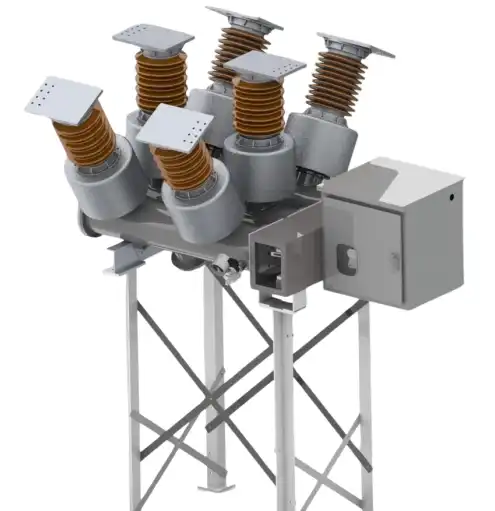
Systematic Approach to Determining Maintenance Cycles
In order to establish maintenance cycles that are successful, it is necessary to conduct a thorough study of failure mechanisms, conduct risk assessments, and evaluate cost-benefit analysis in order to optimise intervention options. It may be difficult for organisations to strike a balance between the expenses of preventative maintenance and the possible repercussions of failure, all while maintaining compliance with safety laws and operational dependability standards. This balance is especially important when dealing with HV Equipment, where reliability and performance are critical to the overall system's functionality.
Risk-Based Maintenance Planning
Utilising risk assessment approaches allows for the prioritisation of maintenance tasks according to the likelihood of failure and the severity of the related consequences. Critical components that are responsible for vital loads are subjected to increased monitoring and expedited replacement schedules, whilst redundant systems may function at prolonged intervals. The optimisation of maintenance resource allocation is achieved by this strategy, which also ensures that acceptable risk levels are maintained across the whole electrical infrastructure.
It is possible to migrate from time-based maintenance methods to condition-based maintenance strategies thanks to condition monitoring systems, which give real-time insight into the health state of equipment. For the purpose of making decisions on maintenance, objective data may be obtained by thermal imaging, partial discharge testing, oil analysis, and vibration monitoring. The integration of various monitoring systems results in the creation of complete equipment health profiles, which in turn allow for the most appropriate scheduling of replacement.
Data-Driven Decision Making
In order to determine the most appropriate intervals for maintenance, contemporary maintenance plans make use of past performance data, suggestions from manufacturers, and benchmarks from comparable industries. The evaluation of failure patterns using statistical analysis allows the prediction of the lifetime of components and the identification of variables that impact the performance of dependability. In order to provide evidence-based maintenance scheduling that strikes a compromise between costs and operational needs, this analytical technique is used.
The algorithms that are used for predictive maintenance make use of machine learning methods in order to recognise patterns of deterioration and estimate the amount of usable life that essential components still have left. Through the use of these sophisticated analytics, proactive maintenance scheduling can be accomplished, which reduces both scheduled and unexpected downtime while simultaneously optimising component utilisation for the whole of their service life.
Component-Specific Replacement Standards and Maintenance Tips
Each HV Equipment component requires tailored maintenance approaches based on specific failure modes, operational stresses, and performance indicators. Understanding component-specific requirements enables development of comprehensive maintenance programs that address unique characteristics of circuit breakers, switchgear, transformers, and protective systems within high-voltage installations.
Circuit Breaker Maintenance Standards
Circuit breakers are required to undergo routine inspections and tests in order to guarantee their capacity to provide dependable interruptions and to function mechanically. Depending on the nature of the load and the fault interruption duty, vacuum circuit breakers often need to have their contacts replaced every 10,000 to 30,000 operations. It is necessary to perform periodic lubrication and adjustment on mechanical components such as working mechanisms, springs, and linkages in order to ensure that the timing and force parameters are maintained correctly.
Circuit breakers that use the SF6 gas type need to have their gas quality monitored and replaced on a regular basis depending on the amount of moisture and byproducts of decomposition. Gas analysis performed on an annual basis guarantees that the dielectric strength is maintained and detects any possible internal issues before they negatively impact performance. The date of replacement is determined by contact wear evaluation, which is accomplished by resistance measurements and X-ray examination. This ensures full dependability.
Switchgear and Protective Device Maintenance
The examination of bus connections, insulation systems, and protective relays is included in the maintenance of metal-clad switchgear. This inspection is performed in accordance with the requirements of the manufacturer and the norms of the industry. Through the use of bus connection resistance testing, loose connections that possess the potential to cause overheating and system failures are identified. Insulation resistance measurements are used to identify degradation that poses a threat to the performance of safety and dependability.
Performing protective relay testing guarantees that the electrical system is properly coordinated and that faults are detected accurately across the system. Firmware upgrades and calibration verification are necessary for modern microprocessor-based relays in order to ensure that they continue to provide optimum protection performance. It is necessary to perform mechanical adjustment and contact maintenance on legacy electromechanical relays in accordance with the schedules initially defined.
Transformer Maintenance Requirements
The management of oil quality, the evaluation of insulation state, and the examination of cooling system performance are the primary focuses of power transformer maintenance. An investigation of the oil can provide light on the deterioration of the insulation, the amount of moisture present, and the conditions of the internal faults. In accordance with the quality criteria that have been set, choices about filter, treatment, or total oil replacement are guided by regular sampling and testing.
An early identification of internal defects, such as partial discharge, overheating, and arcing situations, is made possible by the use of dissolved gas analysis software. In order to assist predictive maintenance methods and determine the appropriate replacement date, trend analysis of gas concentrations is used. Before a catastrophic failure occurs, a bushing condition evaluation that is performed using power factor testing may identify the degeneration of the insulation it contains.
Procurement Insights: Selecting HV Equipment with Maintenance Lifecycle in Mind
The choices that are made about procurement have a substantial influence on the long-term maintenance costs and operational dependability. These decisions include the selection of equipment, the capabilities of suppliers, and the arrangements for service support. Being able to evaluate competing options based on lifespan value rather than just the initial purchase price alone is made possible by having a solid understanding of the concepts behind total cost of ownership.
Supplier Evaluation Criteria
The most reputable manufacturers provide full maintenance assistance, which includes the availability of replacement parts, technical documentation, and the capacity to conduct field service. When evaluating suppliers, it is important to take into account their local service presence, their dedication to response times, and their technical competence in relation to certain kinds of equipment. Long-term assurances on the availability of parts defend against the dangers of obsolescence, which might result in the early replacement of equipment.
Suppliers that have obtained quality certifications, such as ISO 9001 and industry-specific standards, demonstrate their dedication to maintaining a constant level of product quality and dependability performance. Throughout the whole of the operating lifespan, several factors, including manufacturing capabilities, testing facilities, and quality control procedures, have a direct impact on the needs for equipment dependability and maintenance.
Maintenance-Friendly Design Features
Modern HV Equipment incorporates design features that simplify maintenance procedures and reduce service requirements. Modular construction enables component replacement without complete system shutdown, minimizing operational impact during maintenance activities. Diagnostic capabilities provide built-in monitoring and testing functions that streamline condition assessment procedures.
Accessibility considerations including service clearances, component arrangement, and lifting provisions facilitate safe and efficient maintenance operations. Equipment designs that minimize confined space entry and enable maintenance from safe working positions reduce safety risks and service time requirements.
Leveraging Modern Maintenance Technologies to Optimize HV Equipment Lifecycle
Real-time monitoring, predictive analytics, and automated diagnostic capabilities are some of the ways that advanced maintenance technologies are revolutionising old practices. These advancements make it possible to implement preventative maintenance tactics that improve the performance of equipment while simultaneously lowering the operating expenses and safety hazards that are connected with traditional inspection methods.
Condition Monitoring Integration
In addition to temperature, vibration, partial discharge, and gas concentrations, sensors connected to the Internet of Things make it possible to perform continuous monitoring of these vital characteristics. The capabilities of wireless connection remove the difficulty of installation while also offering real-time data transfer to centralised monitoring systems. Data from monitoring is processed by advanced analytics tools, which then discover patterns of deterioration and forecast the best time to do maintenance.
In the course of regular inspections, thermal imaging systems are able to offer non-contact temperature monitoring as well as the identification of hot spots. The elimination of human error and the provision of uniform measurement accuracy across big installations are both benefits made possible by automated thermal monitoring. When temperature criteria are surpassed, the integration with maintenance management systems allows the creation of work orders automatically.
Predictive Analytics Applications
Machine learning algorithms analyze historical performance data to identify patterns that predict component failure probability. These predictive models enable optimization of maintenance schedules based on actual equipment condition rather than predetermined time intervals. Continuous learning capabilities improve prediction accuracy as additional operational data becomes available.
Digital twin technology creates virtual representations of physical equipment that enable simulation of various operating scenarios and maintenance strategies. These models support optimization of maintenance timing, spare parts inventory, and resource allocation decisions. Integration with real-time monitoring data ensures model accuracy and relevance to actual operating conditions.
Conclusion
Determining optimal maintenance cycles for HV Equipment requires systematic analysis of component-specific requirements, operational conditions, and risk factors that influence reliability performance. Modern maintenance strategies leverage condition monitoring technologies and predictive analytics to optimize intervention timing while minimizing operational costs and safety risks. Successful implementation depends on comprehensive understanding of equipment characteristics, supplier capabilities, and advanced technologies that enable proactive maintenance decision making throughout the equipment lifecycle.
FAQ
Q1: What factors determine optimal replacement intervals for HV equipment components?
A: Replacement intervals depend on multiple factors including operational duty cycles, environmental conditions, manufacturer specifications, and regulatory requirements. Load characteristics, switching frequency, and fault interruption duty directly impact component wear rates. Environmental factors such as temperature, humidity, and contamination accelerate degradation and may require shortened intervals. Modern approaches utilize condition monitoring data to optimize timing based on actual equipment health rather than predetermined schedules.
Q2: How do preventive and predictive maintenance approaches differ?
A: Preventive maintenance follows predetermined schedules based on time intervals or operational cycles, regardless of actual equipment condition. Predictive maintenance utilizes condition monitoring data and analytics to determine optimal intervention timing based on equipment health indicators. Predictive approaches typically reduce maintenance costs while improving reliability through optimized timing that addresses actual needs rather than conservative estimates.
Q3: What role does maintenance cycle management play in reducing operational costs?
A: Effective maintenance cycle management optimizes the balance between preventive maintenance costs and failure consequence expenses. Proper timing prevents catastrophic failures that result in extended downtime and emergency repair costs. Condition-based scheduling eliminates unnecessary maintenance activities while ensuring intervention before performance degradation affects system reliability. Strategic spare parts management and supplier relationships further reduce total maintenance costs through improved efficiency and resource utilization.
Partner with Yuguang for Advanced HV Equipment Solutions
Yuguang Electric specializes in comprehensive high-voltage equipment solutions that integrate advanced maintenance technologies with reliable product performance. Our extensive experience serving power generation, industrial manufacturing, and infrastructure sectors enables deep understanding of maintenance challenges and optimal equipment selection strategies. As a certified HV Equipment manufacturer with ISO 9001:2015 certification and 39 patents, we deliver innovative solutions that minimize lifecycle costs while maximizing operational reliability.
Our maintenance-friendly designs incorporate diagnostic capabilities and modular construction that simplify service procedures and reduce downtime requirements. Comprehensive technical support including installation guidance, commissioning assistance, and ongoing maintenance consulting ensures optimal equipment performance throughout the operational lifecycle. Contact our expert team at ygvcb@hotmail.com to discover how Yuguang's advanced HV equipment for sale can enhance your maintenance program effectiveness and operational excellence.
References
1. Institute of Electrical and Electronics Engineers. "IEEE Guide for Maintenance Methods on Energized Power Lines." IEEE Standards Association, 2019.
2. International Electrotechnical Commission. "High-voltage switchgear and controlgear - Part 1: Common specifications for alternating current switchgear and controlgear." IEC 62271-1, 2020.
3. Cigre Working Group A3.06. "Final Report on the Economics of Power Transformer Condition Monitoring and Diagnosis." International Council on Large Electric Systems, 2018.
4. National Electrical Manufacturers Association. "Application Guide for Power Circuit Breakers Used in Industrial and Commercial Power Systems." NEMA SG 4, 2021.
5. Electric Power Research Institute. "Transmission Line Maintenance Guide." EPRI Technical Report 3002012966, 2019.
6. International Association of Electrical Inspectors. "Maintenance Testing Specifications for Electrical Power Equipment and Systems." NETA Standards Publication, 2020.

Send Inquiry
You may like
