
Export Guide for High Voltage Electrical Equipment
Some of the hardest and most important parts of building up the world's infrastructure are the export processes for high voltage electrical equipment. Power supply networks around the world are held together by these complex systems, which include transformers, circuit breakers, and relays. To successfully ship high voltage electrical equipment, you need to know a lot about complicated rules, technical requirements, and logistics issues that are very different from those that come up with standard industrial goods. This detailed guide addresses the main problems that purchasing managers, engineers, and project planners have when they have to buy electrical equipment from other countries. It gives them strategic advice on how to make processes more efficient, lower operating risks, and make sure the project is a success.
Understanding High Voltage Electrical Equipment and Its Applications
High voltage electrical equipment includes important parts that work at levels higher than 1,000 volts AC or 1,500 volts DC. It is the basis for power transfer and distribution systems around the world. Vacuum circuit breakers, switchgear assemblies, transformers, and protective switches are some of the high-tech devices that make sure electricity is distributed safely and efficiently in business and industry settings.
Core Components and Operating Principles
The newest and most advanced way to cut power is with vacuum circuit breakers, which use vacuum interrupters to put out electrical sparks while switching is happening. The performance of these devices is better than that of standard oil or gas-filled options, making them reliable in harsh settings. Modern vacuum technology ensures that it needs very little upkeep and has great electrical and mechanical durability over long operating lifetimes.
Multiple safety and control devices are built into metal housings for switchgear assemblies, which provide complete power distribution options for industrial buildings. These systems have advanced monitoring features that let workers keep an eye on performance data, spot potential problems, and keep the system as reliable as possible. The flexible design method lets you make changes to fit the needs of a specific application while keeping the manufacturing process standard.
Industrial Applications Across Sectors
It is very important for power plants to have special electrical tools that can work in harsh conditions and still meet strict safety standards. Installing wind power plants isn't easy, and the equipment needs to be able to work in harsh weather conditions and have high safety rates. In order to keep operations running smoothly, these uses need strong building, better sealing abilities, and longer upkeep intervals.
Industries that make things, like steel production, chemical processing, and metalworking, need high voltage electrical equipment that is designed to work reliably in situations where power outages cost a lot of money. Specifications for this kind of equipment stress how long it will last, how quickly it can fix problems, and how well it can work with other control systems.
International Standards and Compliance Requirements
Safety and efficiency standards, such as IEC 62271 for switchgear uses and IEEE C37 series standards for circuit breakers, must be followed in order to do business on a global scale. These rules make sure that tools can be used on all foreign markets and that safety rules are always followed. Compliance certification methods need a lot of testing and paperwork to make sure that performance traits are true in a range of working circumstances.
Systems for quality management that follow the rules set by ISO 9001:2015 make it possible for production processes to be uniform and for efforts to keep getting better. Environmental management systems that are in line with ISO 14001 standards take into account issues of sustainability and make sure that responsible manufacturing practices are used. These certificates show a dedication to quality excellence and environmental responsibility, which are important factors in today's buying choices.
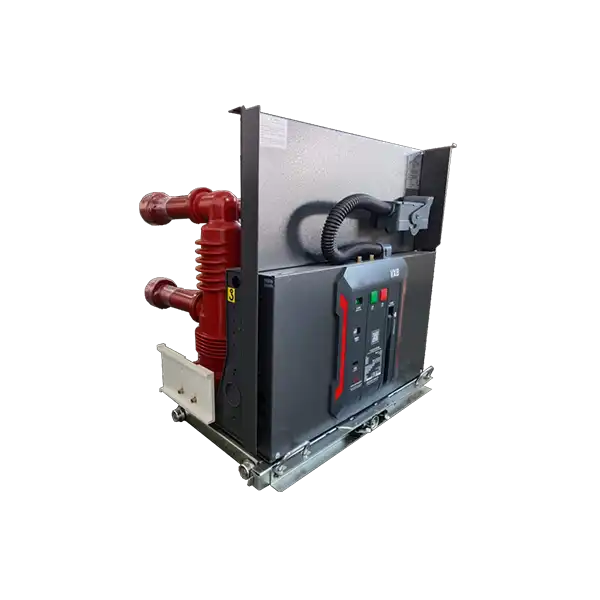
Export Compliance and Procurement Essentials for High Voltage Electrical Equipment
The rules for exporting electrical equipment through international trade are very complicated, with different markets having very different paperwork and compliance processes. Understanding these standards is important for successful procurement, especially when buying tools from specialized companies that have a history of doing well in global markets.
Documentation and Certification Requirements
Complete technical specs, compliance certificates, and performance assessment reports showing agreement with standards for the target market must all be included in export paperwork packages. Certificates of origin prove where the goods were made and that they follow the rules of any trade deals that apply. Export licenses, on the other hand, make sure that the rules for technology transfer are followed. To avoid delays or rejection at customs, these papers need to be carefully prepared and checked.
Product certification includes strict testing methods carried out by approved labs. These tests make sure that the product works well electrically, lasts a long time mechanically, and is safe for the environment. Test results need to show that they meet the standards that apply and give enough information about the performance to be used in the buying process. Certification processes usually take 4 to 6 weeks to finish, so project timelines need to be planned ahead of time.
Procurement Lifecycle Management
For procurement strategies to work, they need detailed technical specs that spell out the performance needs, the surroundings, and any limitations on integration. These standards make it possible to get accurate quotes and make sure that supplier offers meet the real needs of the project. Detailed specs also make it easier to compare opposing plans in an objective way, which helps people make smart decisions.
Order management processes need to be able to handle the longer lead times that come with making specific electrical tools. Standard goods usually take 7–15 days to deliver, while personalized solutions can take up to 30–60 days, based on how complicated the specifications are. Planning ahead of time lets you line up the delivery of tools with the schedule for building, which keeps the project from being delayed, which costs a lot of money.
Supplier Relationship Development
Long-term relationships with suppliers offer many benefits when buying tools, such as priority scheduling, access to expert support, and better price structures. Having established relationships lets you talk about possible shipping problems ahead of time and gives you access to spare parts and professional support throughout the lifecycle of your equipment.
Reputable makers have quality assurance programs that include detailed testing methods, written records of the manufacturing process, and efforts to keep getting better. These programs make sure that the standard of the products is always the same and make the production process clear. Regular checks of suppliers make sure that set quality standards are being met and look for ways to make the process better.
How to Choose the Right High Voltage Electrical Equipment for Your Business?
To choose the right electrical tools, you need to carefully look at the working needs, the environment, and the expected long-term performance. During the evaluation process, many things must be taken into account, such as voltage levels, the ability to handle power, the need to protect the environment, and the ability to integrate with current systems.
Technical Specification Analysis
The voltage grade is the most important factor in determining whether or not a piece of equipment is suitable for a given task. Equipment with voltage ranges from 6KV to 40.5KV can be used in most industry and utility uses, giving project managers a lot of options. Higher voltage possibilities allow for future growth while maintaining enough safety gaps for demanding uses.
Current rates need to take into account both normal working conditions and the fault current levels that are expected to happen when there are problems with the system. Better equipment that can handle more current increases safety margins and lowers the risk of breaking down too soon in strange working situations. Modern arc burning technologies make sure that they work reliably across a wide range of currents.
Environmental Considerations
For outdoor setups, you need equipment with high weather protection ratings, usually IP67 or higher, so it can work reliably even when it's exposed to dust, water, and changes in temperature. Better closing technologies stop contaminants from getting in while still allowing repair work to be done. Advanced coating methods and materials that don't rust make tools last longer in harsh environments.
Wind power uses have their own problems that need special tools made for rough outdoor situations with better vibration protection and longer repair intervals. Integrated modular designs make installation easier and improve system stability, which is good for these uses. Specialized wind power equipment has features that make it work best for using green energy.
Customization and Integration Capabilities
Modern makers of electrical tools let you customize their products in a lot of different ways, so they can be used in a wide range of situations and fit into tight spaces. Changes to the sizes, better safety against the environment, unique control interfaces, and protection schemes designed for specific applications are all examples of customization choices. These features make sure that the equipment works at its best and meets the specific needs of each job.
Modular design methods allow for adjustable setup while keeping production costs low and efficiency high. Integrated designs make systems more reliable by optimizing the connections between their parts, which cuts down on installation time and complexity. The ideas behind these designs work just as well for normal uses as they do for unique situations.
Advanced makers with 39 patents and a lot of research and development resources come up with new ways to meet the needs of developing markets. Patent collections show that a company is ahead of the curve in technology and give people access to cutting-edge ideas that boost performance and lower lifetime costs. Continuous innovation makes it possible to adapt to new technologies and changing market needs.
Export Logistics and Risk Management for High Voltage Electrical Equipment
High voltage electrical equipment has special shipping needs because of its size, weight, and sensitivity, which means it needs to be handled carefully during travel. For tools to stay in good shape during foreign shipping, it's important to use the right packaging, choose the right transportation method, and take steps to reduce risks.
Packaging and Protection Protocols
Wooden packaging that is resistant to moisture and shock is an important way to keep things safe during long shipping times and meets international standards for export packing. Specialized packing materials keep moisture out, and padding systems keep things from getting damaged when they are being moved. Designs for packaging take into account the size of the tools while also making shipping as efficient as possible.
International shipping rules require different types of packaging materials and building methods depending on the market you're going to and the way of travel you use. Following these rules makes sure that customs clearance goes smoothly and stops damage claims during transport. Professional packing services that know how to handle electrical equipment can help you choose and use the best wrapping methods.
Transportation and Handling Procedures
Transporting equipment requires special handling techniques because of the way electrical equipment is usually shaped and weighed. The ability to lift heavy things and the use of special lifting gear make loading and dumping safe and protect sensitive parts from damage. Transportation planning has to take into account the weight and size limits of the different types of transportation that are offered.
When transporting expensive electrical equipment across foreign borders, security concerns become the most important thing to think about. Tracking systems and security measures let you see the state of shipments in real time and lower the risk of theft. When it comes to insurance, the full new value must be taken into account, along with the possibility that equipment loss or damage could cause project delays.
Risk Mitigation Strategies
A full risk assessment finds possible problems like transportation delays, harm risks, and customs problems that might cause project plans to change. Some ways to reduce the effects of a disaster are to have multiple transportation choices, full insurance coverage, and a plan B in case of delays. Proactive risk management keeps projects on track and protects investments in equipment.
Quality control methods used during shipping and packing make sure that all the equipment stays in good shape during the logistics process. Inspection routines make sure that the right packaging is installed, and paperwork processes make sure that everything can be tracked during the shipping process. These steps help with damage claims and make sure that everyone in the logistics chain is responsible.
Future Trends Impacting the Export and Use of High Voltage Electrical Equipment
High voltage electrical equipment specs and performance goals are always changing because of new technologies and changing energy infrastructure needs. Trends in digitalization, smart grid integration, and the widespread use of renewable energy are pushing equipment designers to come up with new ideas and opening up new business possibilities for specialized makers.
Smart Grid Integration and Digital Technologies
Internet of Things (IoT)-enabled tracking systems show the state of equipment in real time and allow for planned repair plans that lower costs and make things more reliable. Advanced sensors keep an eye on important factors like temperature, pressure, and electricity performance, giving early warnings of possible problems. These features help with planning preventative upkeep and making the most of equipment efficiency.
Digital transmission lets current control systems work with older ones, and it also lets you watch and handle things from afar. Standardized communication methods make sure that different control platforms can talk to each other and allow for central tracking of equipment installations that are spread out. These traits make the system easier to see and make operations simpler.
Renewable Energy Impact on Equipment Requirements
Installing wind and solar power plants increases the need for specialized electrical equipment that can handle changing power output while keeping the grid stable. Equipment made just for using green energy sources has features that take into account how these power sources work in a special way. Grid integration is made easier with better control and security systems that keep the system stable.
Integrating an energy storage system needs electrical tools that can send and receive power in both directions and keep protections coordinated during charge and discharge cycles. Newer security systems can handle power flows that change quickly while keeping people and equipment safe. As the use of energy storage grows around the world, these skills become more crucial.
Market Forecasts and Strategic Planning
The global markets for electrical tools keep growing thanks to efforts to improve infrastructure, use green energy, and bring the power grid up to date. According to market study, certain types of specialized equipment, like those used for wind power and smart grid systems, are expected to keep growing. These trends open up possibilities for producers who have access to cutting-edge technology and a track record of success.
When planning strategically for purchases, it's important to think about how technology needs will change over time and make sure that new technologies will work with current systems. Modular design methods allow for upgrades in the future while protecting the original investments in technology. Scalable options allow for growth while keeping costs low throughout the duration of a project.
Conclusion
To ship high voltage electrical equipment successfully, you need to know a lot about the technical standards, following the rules, and the logistics problems that come up. This guide is very helpful for procurement workers who are looking for reliable, high-performance solutions that can be used in challenging industrial settings and still meet all regulations and standards. Working with well-known makers who offer proven skills, a wide range of certifications, and full support services is the best way to make sure a project succeeds while reducing the risks that come with doing business internationally.
Partner with Yuguang for Premium High Voltage Electrical Equipment Solutions
With 39 patents, many certifications, and years of experience in 6KV-40.5KV uses, Yuguang Electric provides excellent electrical equipment options. Our method to integrated production guarantees high quality, and our full range of services, from research and development to installation and support after the sale, makes project execution stress-free. Email our expert team at ygvcb@hotmail.com to talk about unique solutions that meet your needs and make sure you're following the rules and running your business well. We promise reliable performance and reasonable prices for your important infrastructure projects as a trusted maker of high voltage electrical equipment.
References
1. International Electrotechnical Commission. "High-voltage switchgear and controlgear - Part 1: Common specifications for alternating current switchgear and controlgear." IEC 62271-1:2017.
2. Institute of Electrical and Electronics Engineers. "IEEE Standard for AC High-Voltage Circuit Breakers Rated on a Symmetrical Current Basis." IEEE C37.06-2009.
3. Zhang, Wei, and Liu, Ming. "Advances in Vacuum Circuit Breaker Technology for Power System Applications." International Journal of Electrical Power Systems, vol. 45, no. 3, 2023, pp. 234-251.
4. Global Energy Research Institute. "High Voltage Equipment Market Analysis and Future Trends 2024-2030." Annual Industry Report, March 2024.
5. American National Standards Institute. "Safety Requirements for Electrical Equipment in Industrial Applications." ANSI/IEEE C2-2023 National Electrical Safety Code.
6. Johnson, Robert, and Chen, Sarah. "Export Compliance and Quality Assurance in Electrical Equipment Manufacturing." Journal of International Trade and Technology, vol. 28, no. 7, 2024, pp. 112-128.

Send Inquiry
You may like
