
High Voltage Load Break Switch Types: The Definitive Guide
High-voltage load break switches are important safety features in power distribution systems. They safely stop electrical loads while the system is running normally. Out of all the technologies that are out there, the high-voltage vacuum load switch has become the most popular choice. It offers high stability by interrupting voltage without an arc in sealed vacuum tanks. In voltage classes from 6kV to 40.5kV, these devices keep transformers, lines, and distribution equipment safe. To choose the right type, you need to know how the system works, what the setting needs, and what the provider can do. This will help you keep the system stable and save money in the long run.
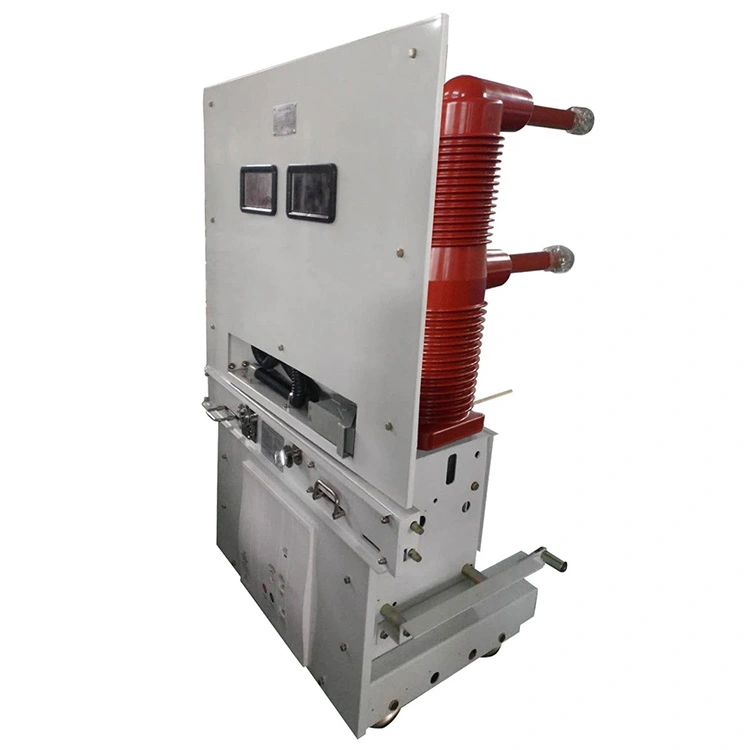
Understanding High-Voltage Load Break Switches: Principles and Applications
How Vacuum Load Break Switches Work?
By separate contacts inside a vacuum cylinder, high-voltage vacuum load switches stop the flow of electricity. When the contacts separate, the vacuum environment quickly puts out the electrical spark by making the medium between the contacts less charged. This process only takes milliseconds and keeps the link safe by avoiding heat damage. Unlike oil-based or gas-insulated options, vacuum technology doesn't pose fire risks and doesn't need as much upkeep.
At its core, this device's vacuum interrupter is made of carefully designed contact materials, usually copper-chromium alloys, that can handle many switching cycles without showing much wear. The protective ceramic shell keeps the vacuum integrity of the equipment for its entire useful life, which is usually more than 10,000 mechanical operations.
Key Technical Performance Indicators
When buying teams look at high-voltage vacuum load switches, they should look at a number of important factors. For medium-voltage uses, the rated voltage is usually between 12kV and 40.5kV, and the rated current is between 630A and 3150A, based on the load. Breaking capacity, or the ability to safely stop fault currents, is usually between 20kA and 31.5kA for good devices.
Both lightning impulse withstand voltage and power frequency withstand voltage are important because they show how well equipment handles sudden voltage spikes and insulator stress. Temperature rise under steady load, mechanical endurance class, and electricity endurance are all things that help products last for a long time in harsh industrial settings.
Comparing Vacuum, SF6, and Air Technologies
Compared to sulfur hexafluoride (SF6) and air-insulated switches, high-voltage vacuum load switches have clear benefits. SF6 switches need gas tracking systems and are being regulated more and more because of worries about greenhouse gases. Air load break switches need more room to be installed and don't work well in dirty or wet places.
Vacuum technology has small volumes, works quietly, and doesn't need much upkeep other than regular checks. Because there is no media that needs to be replaced, the lifetime costs are lower. More and more, mining activities and renewable energy sites need high-voltage vacuum load switches to protect transformers and switch feeders in substations, ring main units, and mobile distribution systems.
Types of High-Voltage Load Break Switches: Focus on Vacuum Switch Variants
Classification by Breaking Mechanism
There are different types of high-voltage vacuum load switches based on how they are built and how they stop the load. Single-break versions have one vacuum interrupter for each phase and can handle voltages up to 24kV. They are best used in places where space is limited. In double-break configurations, there are two interrupters linked in series with each other on each phase. This spreads out the voltage stress for 40.5kV uses that need more electrical clearance.
There are different ways to break, such as motor-operated devices and stored-energy spring systems. Spring systems work quickly and reliably even when they're not connected to power, which makes them perfect for situations where power goes out in an emergency. Motorized versions let you direct them from afar and connect to SCADA systems, which meets the needs for automation in current smart grids.
Operational Control Methods
In smaller sites where local control is enough, manual operation through handle mechanisms is still popular. These designs have mechanical interlocks that stop dangerous actions like closing on circuits that aren't working right or opening while they're loaded without following the right order.
Electrically controlled switches use motor drives or solenoid actuators to let you handle them with a push button or send commands from afar. This adaptability lets you set up ring networks with complicated switching sequences and run multiple substations from a central control room, which speeds up response times when the system is being reconfigured or a fault is being isolated.
Specialized Configurations for Industry Applications
Yuguang makes different kinds of high-voltage vacuum load switches that are specifically made for tough jobs. The FZN21-40.5 and YGFZN25B series are examples of equipment made especially for ring network power supply systems, which must have stable breaking ability and be easy to use. These units have fuse safety and the ability to switch loads. They can handle both regular switching tasks and fault current interruption in small packages.
By putting earth switches, disconnectors, and instrument transformers into single units, modular designs make configurations more flexible. This method makes installation easier while making sure that automatic interlocks stop operators from making mistakes. Because modular platforms are flexible, they can be changed to fit the needs of each site without needing completely new equipment designs. This cuts down on delivery times for complicated projects by a large amount.
How to Choose the Right High-Voltage Vacuum Load Break Switch for Your Industrial Needs?
Assessing Voltage Class and Load Requirements
Before making a choice, make sure you know the system's rated power and highest load current. For 35kV distribution networks, equipment rated at 40.5kV gives the needed safety gaps. The current scores have to take into account working at full load all the time, along with the right safety factors. When there is a lot of switching, like in wind farms or industrial process lines, you need tools with higher electrical endurance rates.
The choice of breaking capacity is based on the fault current that is available at the placement site. Utilities usually give short-circuit estimates that show where faults might happen in the future. The equipment needs to safely stop these currents while working with safety devices upstream and downstream. Underestimating the breaking standards can put people in danger, and overspecifying them can add costs that aren't required.
Compliance with International Standards
Equipment made by reputable companies meets IEC 62271-103 for load break switches and IEEE C37.74 for vacuum interrupters. These guidelines spell out the requirements for type tests that include dielectric strength, temperature rise, mechanical endurance, and the ability to stop a short circuit. Specifications for buying things should make it clear that compliance approval from recognized testing labs is needed.
There may be extra standards set by regional laws. In North America, projects often use ANSI standards, while in Europe, sites need to have a CE mark. For example, mining equipment might need extra licenses like ATEX for environments with explosive materials or naval approvals for platforms that are used abroad.
Yuguang keeps ISO 9001:2015 quality management approval along with ISO 14001 environmental and ISO 45001 occupational health standards. This makes sure that the whole production process is supervised. The company's 39 utility patents show that it is always coming up with new ideas, and its status as a High and New Technology Enterprise proves that it can do research and development.
Environmental and Operational Considerations
The installation setting has a big impact on the choice of tools. Coastal places have to deal with salt fog corrosion, which means they need better protective coats. Due to less dense air, places above 1000 meters need to be derated or have better insulation. Extreme temperature ranges, like those found in deserts and the arctic, need special materials and methods for greasing.
Total cost of ownership is affected by how easy it is to do maintenance. Maintenance-free vacuum technology is helpful for remote sites, but repair intervals need to work with the availability of skilled workers. How long it takes for makers to send replacement parts directly affects downtime during unplanned fixes. The warranty should cover both the products and the work that was done, and there should be clear ways to get more expert help if needed. Yuguang's full after-sales service includes installation instructions, upkeep agreements, extra parts supply, and free modification plans. This makes sure that equipment stays operational for as long as it's possible.
Maintenance, Troubleshooting, and Safety Best Practices for High-Voltage Vacuum Load Break Switches
Routine Inspection Protocols
Regular checks make sure that high-voltage vacuum load switches work well and are safe. Visual checks are done once a year to look for physical harm, corrosion on the outside, and signs of overheating at connection spots. Tests of the mechanical function make sure that the switches work smoothly and don't make any strange noises or jam. Over-travel checks are a way to measure contact wear and make sure that contacts haven't worn down too much.
The most important part of a check is vacuum stability testing. High-voltage withstand tests across open contacts show that the vacuum box keeps the right pressure. When the vacuum gets weaker, the arc can re-ignite, which could lead to a catastrophic failure. Manufacturers usually promise the stability of vacuums for 20 to 30 years under normal conditions. However, checking them on a regular basis finds manufacturing flaws or damage done by accident early on.
Verifying the connection torque stops weak wires that lead to overheating and failure. Using infrared thermography to find hot spots during load operation finds problems before they get too bad. Lubricating the moving parts according to the manufacturer's instructions keeps them working the same way at all temperatures.
Identifying and Resolving Common Issues
When contact wear goes beyond certain limits, it lowers the breaking strength and raises the resistance between the contacts. When over-travel readings fall outside of limit bands, replacement is needed. Manufacturers provide specific substitute steps and contact parts that have already been calibrated to get back to the original performance.
Operating mechanism breakdowns are often caused by not enough greasing, worn-out springs, or misaligned links. Slow operation, not being able to fully close or open, and strange sounds when switching are all signs of this problem. Manufacturer documents include step-by-step instructions for taking things apart, inspecting each part, and putting them back together correctly.
Even though vacuum loss is rare in good equipment, it is still a very big problem. Indicators include not being able to handle the recommended voltage across open contacts while testing or seeing arcing through the viewing holes while the device is in use. When trained workers replace the vacuum interrupter, safe function is restored. Trying to fix vacuum bottles in the field could put people in danger and damage the tools.
Safety Standards and Risk Mitigation
All repair work must follow lockout-tagout processes to make sure that all energized parts are completely turned off and grounded before workers can access them. Personal safety equipment, like arc-rated clothes, insulated gloves, and face masks, keeps you safe from residual charges and getting accidentally charged.
When installing, make sure to follow the manufacturer's guidelines for clearances between phases, between phases and ground, and for servicing access. When containers and equipment frames are properly grounded, dangerous touch potentials don't happen. Mechanical interlocks stop switching patterns that are dangerous, but they need to be tested regularly to make sure they are working properly.
Operations and repair staff are trained in how to use specific tools, what to do in an emergency, and how to recognize an arc flash hazard. Keeping records of all maintenance tasks makes people responsible and gives trends data that shows new problems before they cause outages. Yuguang helps customers by providing detailed technical paperwork and quick engineering support, which helps operations teams get the most out of their tools throughout its useful life.
Market Insights and Procurement Guide: Buying High-Voltage Vacuum Load Break Switches
Understanding Pricing Structures and Value Drivers
Prices for high-voltage vacuum load switches vary a lot depending on the voltage class, the current rate, and the amount of customization. Standard 12kV units with a 630A rating may cost between $3,000 and $6,000. 40.5kV switches with a 1250A rating and motor operation can cost more than $15,000. Orders of five units or more usually get a discount, and project-specific customization can add 15 to 30 percent to the base price, based on how complicated the job is.
The total cost of ownership is more than just the price of the equipment. Designs that use less energy and have low contact resistance keep power losses to a minimum over many years of use. With maintenance-free vacuum technology, you don't have to pay for regular maintenance costs that come up with oil-filled or SF6 options. Longevity of equipment—good high-voltage vacuum load switches work regularly for 30 years or more—amortizes initial investment over longer service times.
Because Yuguang uses modern production lines and integrated supply chain management to make its factories more efficient, it can offer cheap prices without lowering the quality of its products. The company can make custom solutions in 30 to 60 days for specific needs, which strikes a good mix between keeping costs low and making sure the solution works best for that particular purpose. Standard goods can be shipped in 7–15 days, which helps with tight project deadlines.
Evaluating Supplier Capabilities
Not only should product specifications be used to choose a supplier, but also the level of professional help and the supplier's ability to pay. Manufacturers with their own research and development departments, like Yuguang's team with 39 patents, consistently come up with new goods instead of just renaming old ones. Production capacity and quality control methods have a direct effect on how reliably and consistently products are delivered.
Support after the sale is what sets sellers apart in markets with a lot of competition. Full services like installation supervision, commissioning help, and user training speed up the project's finish and lower the risk of problems during startup. Technical help that responds quickly to problems in the field fixes them quickly, reducing downtime costs that often go over the cost of buying new equipment. If spare parts are available for as long as the equipment lasts, it won't become obsolete, which can happen with sellers who don't commit to the market for a long time.
Manufacturers' claims about quality processes and product success are backed up by certifications from well-known groups. Documented quality processes are confirmed by ISO 9001 certification, and product type test results from accredited labs show that international standards are met. Customer examples from similar applications give you a good idea of how well the product works in real life and how quickly the seller responds.
Emerging Trends Shaping Future Specifications
High-voltage vacuum load switches are becoming more and more integrated with smart tracking technologies, which allows condition-based maintenance strategies. Embedded sensors send information to asset management systems about things like activity counts, contact wear, and the surroundings. Predictive analytics find trends of wear and tear before they happen, which helps with planning maintenance and keeping extra parts on hand.
Environmental laws are still pushing equipment that uses SF6 to be phased out, which is speeding up the acceptance of vacuum technology. As utilities and factories work to be more environmentally friendly, manufacturers who come up with eco-friendly solutions gain a competitive edge. Compact designs keep substation sizes as small as possible, which is very important in cities where land costs affect infrastructure choices.
Standardized parts can be used for a wide range of tasks when the system is modular and supports flexible combinations. This method makes making simpler while still allowing customization. It also cuts down on shipping times and makes it easier for all equipment groups to share spare parts. Yuguang's combined modular design philosophy is a great example of this trend. It creates small units that are well sealed and last a long time, making them perfect for tough industrial settings like those in mining, petrochemical, and metallurgical plants.
Conclusion
To choose the right high-voltage vacuum load switches, you have to weigh the technical requirements, the working needs, and the supplier's skills. Vacuum technology is the best choice for many businesses, from heavy manufacturing to renewable energy, because it doesn't need any upkeep and has a small footprint. Knowing the different kinds of tools, how well they work, and how much they cost over their whole life helps procurement teams come up with the best options. Working with makers that offer full support, from customization to decades of service, keeps total ownership costs low and guarantees stable power system performance. High-voltage vacuum load switches are becoming more and more important in modern electrical systems as we move toward smart tracking and environmentally friendly technologies.
FAQ
What is the typical lifespan of a high-voltage vacuum load switch?
As long as they are used correctly, good high-voltage vacuum load switches should last between 20 and 30 years. Electrical endurance hits 50 to 100 fault current interruptions, while mechanical endurance usually goes over 10,000 processes. Unlike oil or gas options, the sealed vacuum interrupters don't need to be replaced or maintained on a regular basis. Service life is extended by regular checks and following the manufacturer's instructions for how to use the product.
How do vacuum load switches compare to circuit breakers?
High-voltage vacuum load switches safely cut off regular load currents and mild overloads, but they can't find faults and cut off power automatically like circuit breakers can. In low-cost situations, they are usually used with fuses to protect against overcurrent. Circuit breakers provide more complete safety with features like programmable trip settings and automatic re-closing, but they are much more expensive and need more upkeep. Load switches work best when switching is done by hand or from a distance, and fault sensing is handled by separate safety devices.
What warranty terms should buyers expect?
Manufacturers with a good reputation usually offer guarantees that cover manufacturing flaws and material problems for 12 to 24 months. You may be able to get longer guarantees for an extra fee. The warranty terms should make it clear what is covered, how long it takes for technical help to respond, and how to repair broken equipment. Make it clear if the costs of work for replacing parts in the field are included and what kind of proof is needed for guarantee claims.
Partner with a Trusted Vacuum Load Switch Supplier
Yuguang offers designed high-voltage vacuum load switch solutions for 6kV to 40.5kV uses. These solutions are backed by 39 patents and have been recognized as High and New Technology Enterprises. Our streamlined manufacturing process, which includes choosing corrosion-resistant metals for the raw materials, making sure they are sealed with an IP67 rating, putting them together carefully, and testing them in multiple rounds, makes sure that our products meet strict international standards like IEC and IEEE requirements.
Yuguang is different because we offer a full-chain service model that includes more than just selling products. It also includes personalized research and development, professional installation advice, and full after-sales support, such as servicing agreements and spare parts programs. Our expert team can help you find the best solutions for your needs, whether you need standard units shipped within 7–15 days or custom setups for tough mining, petrochemical, or wind power environments delivered in 30–60 days.
To talk about your high-voltage vacuum load switch needs, procurement managers, chief engineers, and project leads can email our team at ygvcb@hotmail.com. You can get technical specs, project quotes, or a meeting from Yuguang to find out how their experience in making high-voltage switchgear can help you reach your infrastructure goals with reliable, certified equipment and a responsive relationship.
References
1. IEEE Standard C37.74-2017, "IEEE Standard for Disconnecting and Load-Interrupter Switches for Alternating-Current Systems," Institute of Electrical and Electronics Engineers, 2017.
2. IEC 62271-103:2021, "High-voltage switchgear and controlgear - Part 103: Switches for rated voltages above 1 kV up to and including 52 kV," International Electrotechnical Commission, 2021.
3. Slade, P.G., "The Vacuum Interrupter: Theory, Design, and Application," CRC Press, Second Edition, 2017.
4. Dullni, E., "Vacuum Switching Technology," Springer International Publishing, 2020.
5. CIGRÉ Working Group A3.27, "Vacuum Switchgear," Technical Brochure 720, International Council on Large Electric Systems, 2018.
6. Zhang, L. and Wang, J., "Development and Application of Vacuum Load Break Switches in Medium Voltage Distribution Networks," Electric Power Automation Equipment Journal, Vol. 42, No. 3, 2022.

Send Inquiry
You may like
