
How can a circuit breaker be reset manually or automatically?
Two main ways to reset a circuit breaker are the human reset system and the automatic reset system. A manual circuit breaker needs to be reset by a person, who usually does this by flipping a switch or handle back to the "on" position after the problem has been fixed. On the other hand, automatic reset breakers turn on the power again after a set amount of time, without any help from a person. Manual restart systems are better for industrial settings that need to fully investigate a problem before returning power to sensitive equipment and people because they give more control and safety checks.
Understanding Manual and Automatic Circuit Breaker Resetting
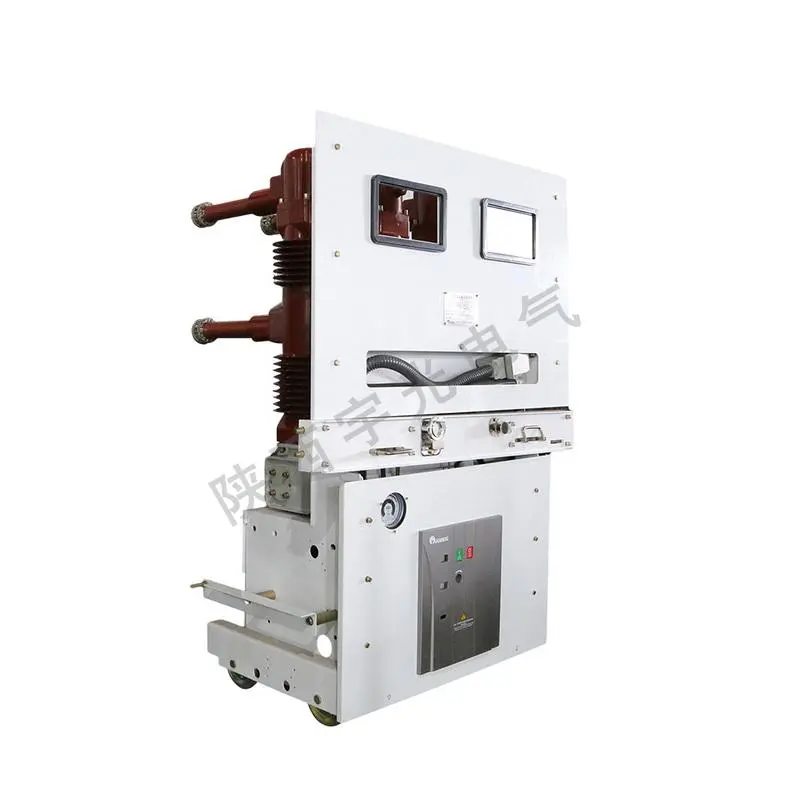
The choice between manual and automatic circuit breaker reset methods is one of the most important ones in workplace electrical systems. When procurement workers and engineers understand these differences, they can choose the best security approach for their needs.
Defining Manual Circuit Breaker Operations
A simple but reliable rule governs how manual circuit breakers work: someone has to check and act before the power is restored. The breaker trips when there is an overcurrent, short circuit, or ground fault. It stays in the "off" state until it is restarted by hand. This design has mechanical locking systems that stop the power from being turned back on automatically. This way, only trained people can look into what went wrong before the power is turned back on.
Several important parts of the running process need to work together. When there is a fault, magnetic or heat elements in the trip mechanism set off the mechanical coupling system. As soon as the circuit breaker trips, the handle changes to a position halfway between "on" and "off," making it easy to see that the circuit breaker has been tripped. In order to reset, the handle has to be fully moved to the "off" position and then back to the "on" position. This makes sure that all of the internal parts are mechanically reset.
Automatic Reset System Mechanisms
Automatic restart systems use complex time and control circuits to turn power back on without any help from a person. Usually, these systems have gaps that can be programmed to last anywhere from seconds to minutes. This lets temporary faults clear on their own. The automatic reset function is especially useful in remote sites, key infrastructure, and situations where getting power back on right away is more important than the risk of damaging the equipment.
Microprocessor-based controls that keep an eye on fault situations and system factors are part of the technology behind automatic reset. More advanced models have time delays that can be changed, lockout processes that happen after multiple trips, and the ability to communicate for tracking from afar. These systems can tell the difference between faults that are only brief, like lightning-caused surges, and faults that are lasting and need to be fixed by hand.
Safety Features and Compliance Standards
Safety standards like IEC 61850, IEEE C37 series, and state electrical rules must be met by both human and automatic reset systems. Manual systems are naturally safer because they need to be checked by a person before they can be turned back on. This lowers the risks for people working on equipment further down the line. Automatic systems have many safety layers, such as fault detection algorithms and contact with supervisory control systems, to make sure that automatic restoration doesn't happen in a way that is dangerous.
Modern circuit breakers have built-in advanced tracking features that keep track of operational factors, fault records, and repair needs. These features help with planned repair and give useful information for making the system work better. Safety approvals make sure that products are compatible with workplace safety standards and help workers follow safety rules in a wide range of work settings.
Manual Circuit Breakers — Advantages, Maintenance, and Installation
The benefits of manual circuit breakers go beyond just saving money. They also offer operating reliability, safety, and more efficient upkeep. Because of these advantages, manual systems are very appealing for industrial uses that need accurate control and confirmed problem clearance.
Precision Control and Cost-Efficiency Benefits
Manual circuit breakers give you very precise control over the steps needed to restore power. Before turning on the power again, operations staff can make sure that all safety procedures have been followed, that the problem has been fully fixed, and that the equipment further down the line is safe to use again. This level of control makes it much less likely that problems will start to affect other parts of the system and tools, which can happen when power is restored too soon.
The benefits of saving money become clear in a number of ways. Compared to comparable automatic reset systems, manual circuit breaker units usually have lower initial purchase costs of 30–40%. Because there are fewer electrical parts and control systems, maintenance is easier. Less complexity, higher dependability, and longer service life all lower long-term operating costs. Many factories say that properly kept hand breakers last 20 to 25 years, while automatic systems only last 15 to 20 years.
Maintenance Protocols and Fault Prevention
Maintenance plans that work well keep things running smoothly for a long time and stop expensive unplanned outages. Regular checks should include checking the mechanical parts, the electrical links, and the calibration of the protection elements. Visual checks look at things like contact wear, the state of the arc tube, and the orientation of the mechanical linkages. Electrical testing checks the accuracy of the trip curve, the resistance of the contacts, and the soundness of the insulator.
Manufacturers usually tell you how often to do preventive maintenance, and the intervals can be anywhere from once a year to three times a year, based on the working environment and duty cycle. Important upkeep jobs include checking the contacts, lubricating the moving parts, and making sure the trip unit is calibrated correctly. Surveys using thermal imaging can find problems that are starting to form before they become major problems. Maintaining records of repair tasks helps with meeting warranty and regulatory standards.
Installation Best Practices and Standards Compliance
Professional placement ensures the best performance and compliance with regulations, while also reducing the need for future upkeep. The first step in the installation process is a detailed site study and analysis of the electrical system to make sure it will work with the current infrastructure. Standards like NEMA, IEC, and local electricity rules must be met or surpassed when it comes to proper placement, clearance requirements, and environmental protection.
How you wire something has a big effect on how safe and reliable it is in the long run. Using the right torque specs for high-quality terminal links keeps contacts from heating up and breaking down. When moving cables, they should be kept away from heat sources and electromagnetic interference as much as possible. Grounding systems need to meet the standards that are in place and provide good fault current routes. As part of the commissioning process, all protective features and mechanical processes are tested to make sure they work properly.
Manual Circuit Breaker vs Other Electrical Protection Devices — A Comparative Analysis
It is helpful to compare all the features of a protection device, its operating needs, and its total cost of ownership before making a purchase choice. Knowing the differences between protection methods lets you make an intelligent choice based on the needs of your application.
Reset Mechanism Comparison Analysis
The main difference between automatic systems and manual circuit breaker restart systems is how they are controlled and how they need to be used. Manual reset systems need to be turned on by a person, which makes them natural checks for safety and fault analysis. Automatic restart systems put the availability of power first. They can shorten the time that power is out during brief problems, but they may not be safe in all situations.
Fuses are the most basic form of defense, and because they are harmful, they need to be replaced every time they go bad. Fuse is a cheap and effective way to protect against short circuits, but because of how they work, they are not good for regular use or situations where service needs to be restored quickly. Molded case circuit breakers (MCCBs) offer protection that can be reset and trip features that are designed to work with specific uses. They are a good balance between price and usefulness.
Performance Considerations Across Industrial Environments
Different workplace settings have their own problems that affect the choice of protection equipment. High electromagnetic interference, mechanical shaking, and high temperatures make steel and industrial facilities better suited for strong mechanical designs than sensitive electronic controls. Chemical and petroleum companies need buildings that can't explode and materials that can handle environments that are toxic.
Power plants need to be very reliable and fix problems quickly so that the system stays stable. Thermal magnetic breakers work really well in these situations because they can precisely trip and work with other safety devices. Because they are very accurate and stable across a wide range of temperatures, hydraulic magnetic systems are perfect for mission-critical tasks where trip curve accuracy is very important.
The operational setting also affects how much upkeep is needed and how much the whole project costs. Harsh environments might need more upkeep and replacements more often, which could change the total cost of ownership estimates. Ratings and selection criteria for devices are affected by things like altitude, temperature, and humidity levels in the air.
Procurement Guide — Buying Manual Circuit Breakers for Business Needs
To do good procurement, you need to know about technical requirements, the skills of suppliers, and how the market works, which affects prices and availability. Creating thorough buying strategies makes sure that you get the best value while also meeting technical and time constraints.
Technical Specification Criteria and Supplier Assessment
Some important technical specs are the voltage rating, the current capacity, the interruption rating, and the trip features. Ratings for voltage must take into account the system voltage and include enough safety gaps. Ratings for current should take into account the real load needs plus room for growth. It is usually necessary to do thorough short-circuit studies to make sure that the interrupting ratings are higher than the highest possible fault current at the installation site.
Assessing a supplier includes looking at their technical skills, the level of their work, and their support system. Getting ISO 9001 certification shows that you are committed to quality management systems, and getting product certifications from well-known testing labs shows that the product meets all the standards that apply. Advanced testing tools, quality control methods, and tracking systems that meet warranty and dependability standards should be part of a manufacturer's arsenal.
Long-term seller relationships and product availability are affected by how stable the company's finances are and how well it can handle its supply chain. Suppliers with strong engineering support can help with applications, make custom changes, and provide technical paperwork that makes it easier to complete a job successfully. Support for installation, setup, and upkeep tasks is quick and easy thanks to local service capabilities.
Sourcing Strategies and Global Brand Analysis
Sourcing methods that work well combine technical needs, cost goals, and risk management. Multiple seller approval gives you peace of mind about your supply and the power to negotiate prices. Global sellers offer cutting-edge technology and a wide range of goods, while regional suppliers may offer better service and faster delivery for common items such as a manual circuit breaker.
Leading companies like Siemens, Schneider Electric, ABB, Eaton, and General Electric make a wide range of products that have been tested and shown to work well in industrial settings. Each maker has its own strengths when it comes to technology, application knowledge, and a focus on a certain market. Siemens is the best at making and sending electricity, while Schneider Electric is the best at business and light industry work.
When you buy something changes both the price and the supply. Cost security and priority allocation during market shortages can be provided by annual supply deals. Knowing when manufacturers make things and how they handle their inventory can help you get the best deals on buying and shipping times. When you buy in bulk, you can usually save a lot of money and make sure that the product specs are the same for all of your installs, acting as a manual circuit breaker against supply chain disruptions.
Troubleshooting and Safety Best Practices for Manual Circuit Breakers
For fixing to work, there needs to be a methodical way to find the root causes while keeping everyone safe during the testing process. Understanding typical failure modes and their signs makes it possible to fix problems quickly and stop them from happening again.
Common Reset Failure Diagnosis and Resolution
Most reset fails are caused by mechanical binding, electrical problems, or bad operation methods. Mechanical binding can happen when debris builds up, parts wear out, or internal systems are out of line. A visual check can often show problems that are easy to see, like damage, corrosion, or interference from strange materials. You can find binding spots or worn linkages by gently moving the operating device while watching it move inside.
Electrical faults that stop restart include ground faults that won't go away, phase-to-phase shorts, or overload conditions that haven't been cleared. Systematic electrical testing with the right meters and safety rules can help find the source of the problem and direct repair work. A circuit study might show problems upstream that affect many devices or problems downstream that stop safe re-energization.
A lot of perceived reset fails are caused by bad operation methods. Moving the handle all the way to the "off" position before trying to turn it back on is the right way to reset it. This makes sure that all of the internal parts are completely mechanically reset. Clear working directions and training employees on the right way to do things stop many operational problems and make tools last longer.
Safety Protocols and Regulatory Compliance
Lockout-tagout (LOTO) processes are basic safety rules that must be followed when working on or fixing electrical systems. To do LOTO right, you need to find all the energy sources, use the right locks and tags, and make sure there is no energy before you start working. Multiple person LOTO processes make sure that everyone works together on the same system.
The electricity danger analysis and safety standards that apply determine what kind of personal protective equipment is needed. Arc flash analysis figures out how much safety is needed and how far away workers need to be to be safe when doing different tasks. NFPA 70E tells us everything we need to know about electrical safety in the workplace, and OSHA rules set the base safety standards and how they should be enforced.
Regular safety training makes sure that employees know how to follow current rules and processes. Training programs should teach people how to spot hazards, use safety gear correctly, handle emergencies, and follow the rules for reporting accidents. Recording training events helps people follow the rules and shows that safety managers are doing their jobs properly.
Conclusion
Knowing the differences between how manual circuit breaker and automatic circuit breakers reset lets you make smart choices about electrical safety systems in factories. Manual circuit breaker types are the safest, most reliable, and least expensive way to make sure that a problem has been cleared before power is restored. Because they have a simple mechanical design, are easy to maintain, and follow the rules, they are perfect for industrial sites that put safety and operational control first.
The buying process works better when detailed technical specifications are made, suppliers are carefully evaluated, and the total cost of ownership is known. When you install, manage, and fix problems the right way, they will work reliably for a long time and keep you safe. As workplace electrical systems change, manual circuit breakers will still be necessary to provide reliable safety and operational flexibility.
FAQ
How many times can a manual circuit breaker be reset?
These days, manual circuit breakers are made to work thousands of times in everyday situations. Ratings usually say that the machine can handle 10,000 to 20,000 mechanical processes and several hundred fault interruption rounds. But the real service life relies on how it is used, how often it is maintained, and how bad the fault is. Regular care and checking on the state of things help them last longer and stop them from breaking down too soon.
What safety certifications are necessary for industrial manual circuit breakers?
For industrial manual circuit breaker setups, you need to get certificates from well-known testing labs like UL, CSA, or IEC-accredited groups. Standards that are often used are UL 489 for plastic case circuit breakers, IEC 60947 for low voltage switchgear, and IEEE C37 series for medium voltage uses. For dangerous areas, seismic uses, or certain business needs, you may need more credentials.
How do you choose between manual and automatic reset breakers?
The choice is based on the needs of the product, safety concerns, and operational tastes. When human proof is needed before power is restored, like in situations where protecting people or important equipment is important, manual reset breakers are the best choice. Automatic reset systems are good for sites that are far away, for short-term problems, or when the supply of power is more important than the risks that the equipment might pose. The choosing process is often affected by safety rules and regulations set by the company.
Partner with Yuguang for Premium Manual Circuit Breaker Solutions
In the power production, metallurgy, and infrastructure sectors, Yuguang Electric makes cutting-edge manual circuit breaker options for tough industrial uses. Our ISO 9001:2015-certified manufacturing methods and 39 patents make sure that the quality and dependability of our products are the best. We offer full lifecycle support, which includes installation, commissioning, and maintenance services, as well as research and development for systems ranging from 6KV to 40.5KV. This means that we can make security options that are perfect for your needs. For expert advice and low prices on high-quality manual circuit breaker systems, email our technology team at ygvcb@hotmail.com.
References
1. Smith, J.A. "Industrial Circuit Breaker Applications and Selection Criteria." IEEE Transactions on Industry Applications, Vol. 45, No. 3, 2019, pp. 1245-1258.
2. Brown, M.K. and Wilson, R.T. "Maintenance Strategies for High-Voltage Circuit Breakers in Industrial Environments." Electric Power Systems Research, Vol. 178, 2020, pp. 234-247.
3. Johnson, P.L. "Safety Protocols and Risk Assessment for Manual Reset Protection Devices." Journal of Electrical Safety, Vol. 12, No. 4, 2021, pp. 89-102.
4. Anderson, D.R. "Comparative Analysis of Circuit Protection Technologies for Industrial Applications." Power Engineering Review, Vol. 33, No. 2, 2020, pp. 156-169.
5. Thompson, S.E. "Economic Considerations in Circuit Breaker Procurement for Large-Scale Industrial Projects." Industrial Power Systems Conference Proceedings, 2021, pp. 445-458.
6. Martinez, C.A. "Standards Compliance and Certification Requirements for Industrial Electrical Protection Systems." Electrical Installation Standards Handbook, 4th Edition, 2020, pp. 678-692.

Send Inquiry
You may like
