
How Does an Indoor Vacuum Circuit Breaker Work?
An indoor vacuum circuit breaker uses a vacuum interrupter to stop the flow of electricity properly when there is a problem or when switching is being done. The permanent magnet working mechanism quickly separates the electrical contacts in the vacuum chamber, making an arc between them, when the breaker gets a trip signal. The vacuum environment puts out this spark right away as the metal vapor from the contacts condenses on the room walls. This breaks the electrical circuit and keeps equipment further down the line from getting damaged.
What Is an Indoor Vacuum Circuit Breaker?
Electrical safety technology has come a long way, and indoor vacuum circuit breakers are the next step forward. They are designed to work reliably and efficiently in tight spaces. These devices are very important in power distribution systems because they instantly cut off electrical lines when something goes wrong.
Core Components and Operating Principles
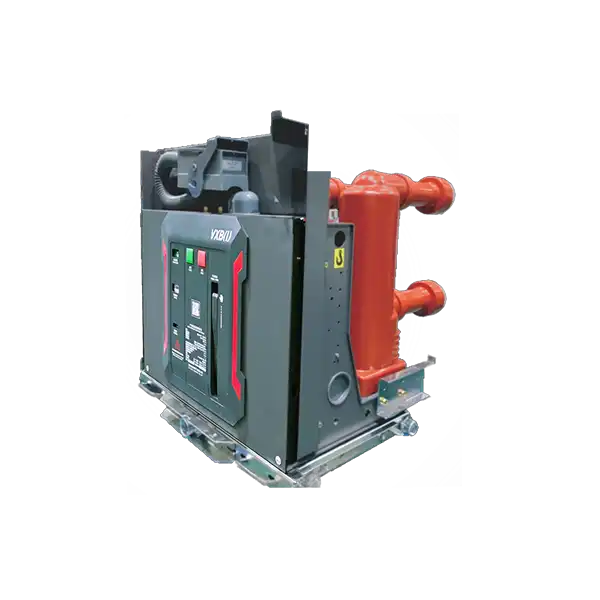
The basic structure of an indoor vacuum circuit breaker is made up of three important parts that work together perfectly. The vacuum interrupter chamber has both the main and secondary contacts. It is fully blocked off so that no air molecules can get in and cause an arc. This makes sure that the current stops reliably. The permanent magnet working mechanism gives the mechanical force needed for quick contact opening and closing, and the contact system keeps the electrical connections correct while the system is running normally.
Within milliseconds of a fault happening, the operating device works to separate the contacts and make a short-lived arc. This arc stops right away because of the vacuum. Metal mist from the contacts quickly condenses on the room walls, blocking the current path. Because this process happens so quickly, equipment further down the line is safe from fault currents that could damage it.
Classification by Design and Voltage Ratings
Modern vacuum circuit breakers are divided into groups based on how their structures are built to meet a range of placement needs. Fixed-type units are permanently installed in power panels and provide stable service in situations where they don't need to be removed often. Withdrawable designs are perfect for critical infrastructure uses because they let workers take the breaker out of its housing for repair without affecting the integrity of the system. Draw-out designs allow for the most serviceability because the breaker unit can be completely taken apart for repair or replacement.
Classifications of voltage range from 6kV to 40.5kV, which covers a wide range of applications, from utility substations to industrial distribution systems. Each voltage class has its own set of design features that make it work best in that setting. This makes sure that safety and performance meet the highest standards in the business.
Advantages and Applications of Indoor Vacuum Circuit Breakers
When you look at how they work and how they affect the environment, it's clear that vacuum circuit breakers are better than older technologies. These gadgets work great in harsh industrial settings where dependability can't be compromised.
Superior Performance Characteristics
Vacuum circuit breakers are the best choice for current electrical systems because of the following:
- Compact Fault Protection: The vacuum interrupters can handle fault currents of up to 63kA, which makes them a strong way to protect high-capacity electrical systems while still being small enough to fit in a standard-sized space.
- Minimal Maintenance Needed: The sealed vacuum environment prevents touch rust and contamination, which cuts down on maintenance times from months to years and lowers costs by a large amount.
- Environmental Responsibility: Unlike options that are filled with SF6, vacuum breakers don't release greenhouse gases. This helps companies with their sustainability efforts and makes sure they follow the stricter environmental rules that are being made.
- Longer Service Life: Good vacuum interrupters can handle over 10,000 switching processes without breaking down much, giving years of reliable service in common industry settings.
All of these benefits meet the main concerns of procurement workers who have to choose equipment based on performance, cost, and environmental responsibility.
Diverse Application Scenarios
Many industries need to make sure their electricity works properly, and vacuum circuit breakers are used for that. Power plants depend on these gadgets to keep expensive turbine engines and other equipment from being damaged by power grid problems. In factories, vacuum breaks are used in motor control centers and distribution panels. Their quick reaction times keep production from stopping, which costs a lot of money.
The fundamental dependability of vacuum technology makes it especially useful for critical infrastructure uses. Data centers depend on vacuum breakers to keep the power going to computers and cooling systems all the time. Even short power blackouts can cost a lot of money. These devices are built into airport power systems to make sure that navigation tools and terminal facilities always work.
Modern vacuum breakers can work with smart grid technologies, which makes them ideal for adapting to changing electrical systems in the future. Because they can connect to digital protection switches and automatic control systems, they are important parts of the move toward smart power networks.
Indoor Vacuum Circuit Breaker vs. Other Circuit Breakers
When buying electrical safety tools, procurement workers can make smart choices when they know about the pros and cons of vacuum technology. Vacuum breakers are very different from other technologies, and these differences have a direct effect on the long-term prices of operations.
Environmental and Maintenance Considerations
In controlled settings, indoor vacuum circuit breaker clearly work better than outdoor versions. Outdoor breakers have to deal with extreme weather and dirt, but indoor vacuum units work in safe conditions that make the most of their natural strengths. The protected vacuum environment stops moisture and contamination problems that happen with outdoor setups. This makes performance more reliable and increases the service life.
The amount of maintenance needed for each technology is very different. Because of rust and arc erosion in the air, air circuit breakers need to have their contacts inspected and cleaned on a regular basis. Since vacuum breakers work in a sealed environment, they don't experience much touch wear and only need to be inspected mechanically every so often. Because of this difference, the equipment will need much less upkeep and will have less system downtime over its lifetime.
Performance and Reliability Analysis
When you look at vacuum technology next to air circuit breakers, you can see right away how much better it works. In a vacuum room, vacuum breakers completely stop the spark, but air breakers have to get past the ionization potential of the gases in the air. Because of this basic difference, vacuum technology has shorter stoppage times and greater breaking powers.
Big companies like ABB, Siemens, Schneider Electric, and General Electric have put a lot of money into developing vacuum technology because they know it works better than other technologies. With different contact materials, working systems, and control interfaces, each manufacturer's product lines offer their own unique benefits. It is better for procurement workers to compare these products based on specific application needs instead of just looking at prices.
The measures for dependability say a lot about the benefits of vacuum technology. In normal use, the average time between breakdowns for good vacuum breakers is more than 20 years. For comparison, air circuit breakers in the same situation only last 10 to 15 years. This longer dependability immediately leads to lower replacement costs and better system availability.
Maintenance Tips and Troubleshooting for Indoor Vacuum Circuit Breakers
To get the most out of vacuum circuit breakers in terms of reliability and operating life, you need to use systematic repair methods that are designed to work with this technology. Unlike standard switches that need to be messed with all the time, vacuum units only need to have their mechanical parts inspected, while the electrical parts don't need much care.
Preventive Maintenance Best Practices
To start making a full repair plan, you need to know the important check points that are unique to vacuum technology. Internally, the vacuum interrupter doesn't need any upkeep, but the outside parts need to be checked regularly to make sure they work at their best.
Regular mechanical checks should focus on the working system, making sure that the pivot points and connections are properly oiled. The permanent magnet actuator doesn't need much care other than being cleaned every so often to get rid of dust that could mess up the magnetic fields. Measuring the contact path makes sure that the system keeps the right opening distances needed for effective interruption performance.
Contact resistance readings should be part of electrical testing procedures so that problems can be found early on and fixed before they affect the system's performance. Even though it needs special tools, vacuum integrity testing gives useful information about the state of interrupters and helps predict when repair is needed years in advance.
Systematic Troubleshooting Approaches
When practical problems happen, organized troubleshooting cuts down on downtime and keeps expensive equipment from getting damaged again. Even though contact erosion isn't very bad in vacuums, it can still happen over many years of use and show up as higher resistance or lower breaking strength.
Most problems with operating mechanisms are caused by not enough oil or mechanical wear in high-cycle situations. These problems usually show up as longer operation times or missing contact travel, which are both easy to find during regular testing.
It's impossible to say enough good things about safety rules during upkeep. Vacuum breaks have working springs that store a lot of mechanical energy. This means that they need to be serviced with the right safety equipment and methods. Electrical separation and verification methods keep repair workers safe from high voltages and make sure that the equipment stays in good shape while it is being serviced.
Purchasing Guide: How to Choose and Buy Indoor Vacuum Circuit Breakers?
To choose the right indoor vacuum circuit breaker technology, you need to carefully look at both the technical specs and the supplier's abilities. Because modern electricity systems are so complicated, they need tools that can not only meet current needs but also change to meet new ones.
Technical Specification Evaluation
The picking process starts with basic electrical factors that have to match the needs of the system perfectly. When choosing a voltage grade, you need to think about both the normal system voltage and any short-term overvoltage situations that might happen during switches. Breaking capacity must be higher than the highest possible fault current by a safety margin that takes into account how the system might grow over the life of the equipment.
It's not just basic electrical factors that need to be thought about when it comes to compatibility. Mechanical interfaces, control systems, and safety relay communication are also important. Vacuum breakers today often work with digital protection systems, which means they need to be able to communicate and connect with each other using the same methods. Older setups might not have these features.
The environment in the installation area has a big impact on the choice of tools. Temperature ranges, humidity levels, and possible sources of contamination can all affect how well and how long equipment works. Manufacturers of good products give thorough environmental specs that make it possible to match the product exactly to the installation circumstances.
Supplier Evaluation and Risk Mitigation
Choosing a supplier has effects that go far beyond the cost of the equipment itself, since the connection lasts as long as the equipment is in use. The terms of the warranty show that the company that made the product is confident in it; full coverage shows that the design is strong and the manufacturing process is good.
When technology problems happen or changes need to be made to the system, after-sales help becomes very important. Suppliers with a large collection of spare parts, expert support resources, and the ability to do repair work in the field protect against unplanned operating problems.
To meet project deadlines without sacrificing quality, supply chain operations for buying in bulk need to be carefully coordinated. Authorized distributors often offer useful services, such as managing supplies, offering technical help, and working with many project partners to make sure everything runs smoothly. Their long-term partnerships with producers guarantee real goods and full warranty support.
Conclusion
In terms of performance, environmental friendliness, and long-term dependability, indoor vacuum circuit breakers are the pinnacle of electrical safety technology. The vacuum interrupter technology they use gives them unbeatable breaking power while reducing the amount of upkeep needed. This makes them perfect for demanding industrial uses. Vacuum technology has many benefits, such as long operating life and environmental compliance, which makes these devices important parts of modern electricity infrastructure. Procurement pros can make choices that improve both short-term performance and long-term operational costs by learning about how they work, how often they need to be maintained, and how to choose them.
FAQ
What is the typical lifespan of an indoor vacuum circuit breaker?
Under normal settings, good vacuum circuit breakers should work reliably for 20 to 30 years. Contact rust and pollution, which shorten the life of other technologies, can't happen in the sealed vacuum environment. With regular care that focuses on the mechanical parts, many systems last a lot longer than they were supposed to.
How often should vacuum circuit breakers undergo maintenance?
Vacuum breakers need to be serviced every two to five years, based on how often they are used and the weather. Air circuit breakers need to have their contacts inspected once a year, but vacuum technology's protected environment gets rid of most of the need for electrical upkeep. To make sure they work reliably, mechanical parts like working systems and control circuits need to be checked on a regular basis.
Can vacuum circuit breakers be retrofitted into existing switchgear?
The ability to retrofit depends on the physical measurements, how the parts are mounted, and how well they work with the electrical link. Many new vacuum breaks are made with standard mounting measurements that make it easy to switch out older technologies. To make sure the system works right, though, it might need more changes to make sure the control systems work with each other and the safety relays work together.
Choose Yuguang: Your Trusted Indoor Vacuum Circuit Breaker Manufacturer
Choosing the right partner for your vacuum circuit breaker needs can have a big effect on the success of your project and the costs of running it in the long run. Shaanxi Yuguang Electric can take care of all the needs of industrial electrical systems throughout their whole lifetime by combining advanced production with a wide range of services. We are dedicated to quality and innovation, as shown by our 39 patents and ISO certifications. Our 6kV–40.5kV product range guarantees that we can meet your unique voltage needs. Yuguang does more than just make great products; they also offer full support from start to finish, including unique design, installation help, and full after-sales service with quick access to extra parts. Email our technical team at ygvcb@hotmail.com to talk about your unique needs and find out how our knowledge can help you improve your electricity safety plan.
References
1. IEEE Standard C37.04-2018, IEEE Standard for Rating Structure for AC High-Voltage Circuit Breakers, Institute of Electrical and Electronics Engineers, 2018.
2. Greenwood, Allan N., Vacuum Switchgear: Theory and Application, Marcel Dekker Publishing, 2019.
3. International Electrotechnical Commission, IEC 62271-100: High-Voltage Switchgear and Controlgear - Part 100: Alternating-Current Circuit-Breakers, IEC Publications, 2021.
4. Slade, Paul G., The Vacuum Interrupter: Theory, Design, and Application, CRC Press, 2020.
5. Ryan, Hugh M., High Voltage Engineering and Testing, Institution of Engineering and Technology, 2018.
6. Flurscheim, Charles H., Power Circuit Breaker Theory and Design, Peter Peregrinus Ltd., 2019.

Send Inquiry
You may like
