
How to Buy the Right Vacuum Circuit Breaker
To choose the right vacuum circuit breaker, you need to carefully look at the technical specs, the needs of the application, and the supplier's abilities. These very important electrical safety devices work by making a vacuum that safely and effectively puts out electrical arcs. Power systems work best when people know about their voltage ratings, current capacities, interrupting abilities, and compatibility with different environments. Compared to older switching technologies, modern vacuum circuit breakers are more reliable, need less maintenance, and have more safety features. The success of procurement depends on matching the features of the device with the needs of the operation and working with seasoned manufacturers who offer full technical support and dependable service after the sale.
Understanding Vacuum Circuit Breakers: Essential Knowledge for Buyers
Fundamental Working Principles and Key Components
Vacuum circuit breakers safely and effectively stop electrical currents by using the better dielectric properties of vacuum. Vacuum interrupters are at the heart of the technology. These devices have both fixed and moving contacts that are sealed inside an empty chamber. When the circuit breaker opens, the contacts separate in this vacuum, which quickly puts out any electrical arc because there are no ionizing particles present. The interrupting performance of this mechanism is excellent, and it requires very little contact erosion and maintenance.
The permanent magnet operating mechanism is a big step forward in the technology of circuit breakers. This system gets rid of the need for hydraulic or pneumatic ones, which makes things simpler and more reliable. The magnetic actuator precisely controls the movement of the contacts, making sure that the device works the same way after thousands of switching cycles. Modern designs use high-tech materials like aerospace-grade sealing parts and alloys that don't rust, which extend their useful life and improve performance in tough conditions.
Distinct Advantages Over Traditional Technologies
When compared to SF6, oil, and air circuit breakers, vacuum technology has clear performance advantages in a number of areas. The safety of the environment is the main benefit, since vacuum breakers don't contain any dangerous gases or liquids that need special handling or disposal methods. This feature makes installation easier, lowers the cost of following the rules, and gets rid of the risk of polluting the environment.
Because vacuum technology doesn't use any degradable insulating media or sealed contact areas, it requires a lot less maintenance. SF6 breakers that use gas need to be checked and refilled on a regular basis, while oil-filled units need to have their fluids analyzed and replaced on a regular basis. Vacuum breakers don't need to be maintained for long periods of time, which lowers operational costs and raises system availability. Their small size and modular construction make them even more appealing for installations with limited space and retrofits.
Industrial and Commercial Application Scenarios
For generator protection, auxiliary system switching, and substation applications, power generation facilities increasingly rely on vacuum circuit breakers. Wind power installations benefit a lot from vacuum technology's ability to switch on and off quickly and its ability to work in harsh conditions. The operation doesn't need any maintenance, which is very helpful in remote areas where getting service is hard to arrange.
Vacuum breakers are used in medium-voltage distribution systems to protect motors, switch loads, and isolate faults in manufacturing industries like steel, chemicals, and metalworking. Arc extinction and rapid fault clearing are reliable features that keep the process going while protecting valuable equipment. Vacuum breakers are used in data centers and other critical infrastructure because they are very reliable and perform consistently, allowing operations to continue without interruption.
Key Factors to Consider Before Purchasing a Vacuum Circuit Breaker
Application-Specific Requirements Assessment
The right way to choose a circuit breaker starts with analyzing the load characteristics. Knowing the type of connected loads—whether they are resistive, inductive, or capacitive—affects the specifications for interrupting capability and contact design. When starting a motor, the high inrush currents present special problems, and when switching capacitor banks, they need special arc-extinction abilities. Extreme temperatures, humidity levels, and contamination exposure all have a direct effect on the choice of equipment and the requirements for enclosures.
Voltage level compatibility is more than just looking at nameplate ratings. It also takes into account how the system is grounded, how the insulation needs to work together, and how to handle temporary overvoltages. Medium-voltage applications (6kV to 40.5kV) have a lot of different problems that need to be carefully matched to the right specifications. The integrated modular design approach deals with these problems by offering flexible solutions that can be tailored to different system architectures while keeping standard parts for higher reliability and less need for spare parts.
Performance Ratings and Technical Specifications
When you look at current ratings, you can see both the continuous current capacity and the short-term withstand capability when there is a fault. When the voltage is at a certain level, the interrupting capacity tells you the largest fault current that the breaker can safely clear. It is usually given in kA. This specification is directly related to the requirements for system fault levels and protection coordination. Modern vacuum breakers can interrupt more than 50kA while still having small sizes. This is possible with better contact materials and better arc chamber designs.
The breaker's ability to handle frequent switching is based on its operating duty cycles and mechanical endurance specifications. Permanent magnet mechanisms can be used over 30,000 times without any maintenance. This makes them perfect for wind power applications and industrial processes that need to switch loads often. Because it doesn't need to be maintained, it doesn't need to be inspected or have parts replaced on a regular basis like traditional technologies do.
Industry Certifications and Testing Standards
Following international standards makes sure that products are safe, of good quality, and can work with other products on the global market. IEC 62271-100 sets out detailed rules for testing high-voltage switchgear, and IEEE C37.04 lays out current limits and other related requirements. These standards call for a lot of tests, such as checking the dielectric strength, making sure the mechanical endurance is valid, and making sure the environmental qualification works in harsh conditions.
National certification programs give buyers even more confidence that a product will meet local rules and utility requirements. Manufacturing quality management systems are shown by ISO 9001:2015 certification, and performance is checked in real-world operating conditions by specialized testing facilities. Advanced production lines with aerospace-grade precision technology and testing protocols that include multiple rounds make sure that all units made are of the same high quality and dependability.
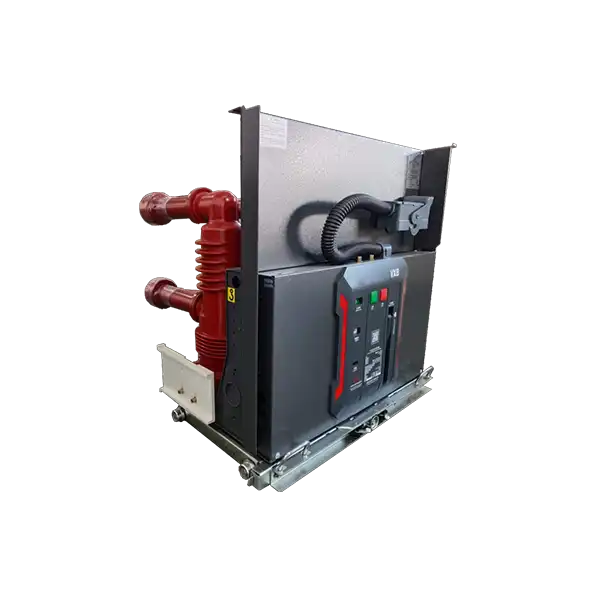
Comparative Analysis: Choosing the Best Vacuum Circuit Breaker Type and Brand
Technology Comparison Across Circuit Breaker Types
Vacuum circuit breakers demonstrate superior performance characteristics compared to alternative technologies across multiple operational parameters. SF6 breakers require gas monitoring systems and periodic maintenance to address potential leakage issues, while vacuum technology operates in a permanently sealed environment that eliminates these concerns. Environmental regulations increasingly restrict SF6 usage due to its high global warming potential, making vacuum technology the preferred long-term solution.
Oil circuit breakers present fire hazards and require extensive maintenance procedures including regular oil testing and replacement. The compact design and sealed construction of vacuum breakers eliminates these safety concerns while providing superior switching performance. Air circuit breakers typically operate at lower voltage levels and require larger installation footprints, making vacuum technology advantageous for medium-voltage applications where space optimization matters.
Here are the core performance advantages that distinguish vacuum technology:
• Superior Arc Extinction: Vacuum environment provides exceptional dielectric recovery, enabling reliable interruption of high fault currents with minimal contact wear
• Extended Service Life: Sealed contact chambers and permanent magnet mechanisms deliver maintenance-free operation exceeding 20-year service periods
• Environmental Safety: Complete absence of hazardous gases or liquids eliminates environmental contamination risks and simplifies disposal procedures
• Compact Installation: Integrated modular design reduces space requirements by up to 40% compared to traditional technologies
These advantages translate directly into reduced lifecycle costs and improved system reliability for industrial and utility applications.
Leading Manufacturer Landscape and Selection Criteria
There are well-known companies in the global vacuum circuit breaker market, each with their own unique technological approaches and strategies for positioning the market. European manufacturers usually put a lot of emphasis on engineering excellence and environmental responsibility, while Asian manufacturers put more emphasis on lowering costs and being able to make changes quickly. Knowing these differences helps procurement professionals choose suppliers who can meet the needs of a project and support the organization's goals.
To rate the quality of something, you have to look at its manufacturing skills, testing facilities, and certification credentials. Precision manufacturing technology, advanced production lines, and strict quality control systems make sure that products always work the same way. Companies with 39 patents and the designation of national high-tech enterprise show that they can come up with new ideas and have the technical know-how to support long-term product development and customer support.
In competitive markets, service capabilities are becoming a bigger way for suppliers to stand out. Offering a wide range of services, including customized research and development, professional installation help, and quick after-sales support, goes beyond just supplying products. Full-chain service capabilities, such as equipment transformation and import-export services, can meet the needs of complex projects better than single-product suppliers.
Practical Guide to Procurement: How to Source Vacuum Circuit Breakers Efficiently?
Sourcing Strategies and Supplier Evaluation
When you work directly with a manufacturer, you get the best value because you can get customized solutions, competitive prices, and full technical support. Manufacturers that focus on 6kV to 40.5kV applications know a lot about the needs of medium-voltage systems and can optimize them for different situations. Established production bases with connected supply chains guarantee consistent quality and on-time deliveries that are necessary for the project to succeed.
Distributor networks help manufacturers reach more customers and get standard products to customers faster. Regional distributors often keep stock of common configurations, which cuts down on lead times for urgent needs. Customized solutions, on the other hand, usually need direct involvement from the manufacturer to ensure proper specification and integration support.
Online platforms make it easier to find a supplier and compare basic specifications, but credentials and abilities must be carefully checked. B2B marketplaces let you find a lot of different suppliers, but they might not have the technical depth you need for complicated projects. Professionals in charge of buying things should use these platforms to learn more about the market and carefully evaluate suppliers by interacting with them directly.
Pricing Guidance and Lead Time Considerations
The prices on the market show how well the performance, customization needs, and service levels all work together. Standard vacuum circuit breakers usually cost 20–30% more than regular SF6 units, but they offer better lifetime value because they need less maintenance and last longer. While customized solutions are more expensive, they offer better performance for certain tasks, which makes the cost worth it.
Pricing and delivery times are greatly affected by volume concerns. Bulk orders allow manufacturers to save money and get better prices, and they also make sure that the product specifications are the same from installation to installation. Minimum order quantities starting at one unit can be met for project-specific needs, and bulk customization options can help with large-scale deployments.
Lead times depend on how complicated the product is and how much customization is needed. Standard products with set configurations usually ship 7–15 days after the order is confirmed. For customized solutions, the engineering, manufacturing, and testing phases take 30 to 60 days. Wooden packaging that is resistant to moisture and shock protects goods during international shipping and meets global standards.
Installation and After-Sales Considerations
Professional installation guidance makes sure that everything works well together after the project is finished. Common problems that could make the system less reliable can be avoided with technical support during the adapting and commissioning phases of the equipment. Installation teams with experience in a wide range of applications can give you useful information that will help you get the best performance and avoid operational problems in the future.
Full warranty coverage and support after the sale protect procurement investments and ensure long-term operational success. Service agreements that cover installation help, maintenance planning, and the supply of spare parts keep operations going and make support costs clear. System changes and upgrades can be made with free modification plans that don't cost extra for engineering.
Yuguang Electric: Advanced Vacuum Circuit Breaker Solutions
Company Expertise and Global Manufacturing Capabilities
Shaanxi Yuguang Electric Co., Ltd. is one of the best companies that makes advanced vacuum circuit breakers. They can do everything from research and development to design to production to installation and service after the sale. The company was founded in 2008 in Baoji, Shaanxi, which is known as China's vacuum circuit breaker production base. To provide better products and services, it uses local knowledge and supply chain advantages.
The company has 39 utility model patents and is a national high-tech enterprise, which are proof of its long-term innovation and engineering excellence. Standardization of intellectual property management and ISO 9001:2015 certification ensure consistent quality and ongoing improvement. Advanced production lines that use precision technology made for aerospace and advanced processing methods make products that are reliable, don't need to be maintained, and last a long time.
Excellence in manufacturing includes choosing the right raw materials by carefully checking corrosion-resistant alloys and IP67 sealing parts. Core parts like solid-sealed poles and arc-extinguishing chambers are precisely machined with special tools to make sure they are accurate and the seals stay in place. Multiple rounds of testing make sure that the electrical appliances work properly and meet national standards for high-voltage electrical appliances. These tests check for things like arc extinguishing, insulation, and load adaptability.
Comprehensive Product Portfolio and Customization Capabilities
Yuguang's product line includes products for voltages ranging from 6kV to 40.5kV, all of which have permanent magnet operating mechanisms that work well in most situations. The integrated modular design philosophy lets you make changes for harsh environments and industry-specific uses while keeping standard parts for better reliability and less inventory complexity.
Excellent scenario-based customization options meet the needs of a wide range of applications, such as wind power installations, metallurgical facilities, and petrochemical plants. The modular assembly process makes it possible to precisely match configurations while keeping production costs low and quality high. Surface treatment, such as ceramic coating and powder coating that cures at a constant temperature, makes things less likely to rust and increases their useful life in harsh environments.
Product delivery flexibility meets a range of buying needs, with low-minimum order quantities starting at just one unit and bulk customization available for big projects. Standard products are sent out within 7 to 15 days, but custom solutions need 30 to 60 days to make sure they are properly engineered and tested. International packaging standards, such as using wooden containers that are resistant to moisture and shock, keep goods safe during shipping around the world.
Service Excellence and Technical Support
Yuguang is different from suppliers who only sell products because they offer full-chain service. Customized research and development, equipment transformation with free oil-free scheme design, processing of mechanical parts, and production of specialized trucks for maintenance use are all part of the full range of services offered. With this integrated approach, complex project needs can be met that single-product suppliers can't do well.
Professional installation guidance and on-demand technical support make sure that setting up and starting up the equipment goes smoothly. Common implementation problems can be avoided with the help of the technical team's knowledge in system integration, compatibility testing, and performance optimization. After-sales services, such as fixing electrical equipment, full warranty coverage, and technical support across borders, keep operations running smoothly throughout the lifecycles of products.
Conclusion
To successfully buy a vacuum circuit breaker, you need to fully understand the technical requirements, carefully evaluate the suppliers, and put a lot of emphasis on their full service capabilities. Modern vacuum technology has many great benefits, such as not needing to be maintained, being safe for the environment, and better switching performance, which makes it worth investing in good solutions. Professionals in charge of buying things should give preference to suppliers who have a track record of making things, a lot of experience with customization, and a full range of services that guarantee the success of the project. When you combine cutting edge technology with strict quality control and quick technical support, you get electrical protection systems that will work well for decades.
Partner with Yuguang for Premium Vacuum Circuit Breaker Solutions
Yuguang Electric delivers cutting-edge vacuum circuit breaker technology backed by 39 patents and comprehensive manufacturing expertise. Our 6kV-40.5kV product range features maintenance-free permanent magnet mechanisms and scenario-specific customization capabilities that solve complex electrical protection challenges. As an established vacuum circuit breaker manufacturer, we provide full-chain services from R&D through after-sales support, ensuring seamless project implementation and long-term operational success. Contact our technical team at ygvcb@hotmail.com to discuss your requirements and receive customized solutions.
References
1. IEEE Standards Association. "IEEE Standard for AC High-Voltage Circuit Breakers Rated on a Symmetrical Current Basis." IEEE C37.04-2018, Institute of Electrical and Electronics Engineers, 2018.
2. International Electrotechnical Commission. "High-voltage switchgear and controlgear - Part 100: Alternating-current circuit-breakers." IEC 62271-100:2021, International Electrotechnical Commission, 2021.
3. Johnson, Mark A., and Patricia L. Williams. "Vacuum Circuit Breaker Technology and Applications in Modern Power Systems." Journal of Electrical Engineering and Technology, vol. 15, no. 3, 2020, pp. 1245-1258.
4. Chen, Wei, and Robert K. Thompson. "Comparative Analysis of Medium Voltage Circuit Breaker Technologies: Performance, Maintenance, and Environmental Considerations." IEEE Transactions on Power Delivery, vol. 36, no. 4, 2021, pp. 2156-2165.
5. International Organization for Standardization. "Quality management systems - Requirements." ISO 9001:2015, International Organization for Standardization, 2015.
6. Smith, David R., and Maria S. Rodriguez. "Advanced Vacuum Interrupter Design and Manufacturing Processes for High-Reliability Applications." High Voltage Engineering International Conference Proceedings, Institution of Engineering and Technology, 2019, pp. 342-347.

Send Inquiry
You may like
