
How to Choose the Right Power Transmission and Distribution Equipment for Your Project
To choose the right power transfer and delivery equipment, you need to carefully think about the technical specs, how reliable the provider is, and how long the equipment will need to be used. Power transmission and distribution equipment is the most important part of the electricity grid. Power companies use it to send electricity to networks that serve businesses, factories, and other important structures. When making your choice, you need to think about things like how much power you'll need, the weather, safety standards, how easy it will be to maintain, and how well the provider can help you. It is important to make smart decisions when buying something so that you don't make mistakes that cost a lot of money, that the product meets industry standards, and that the general cost of running the business over its lifetime is as low as possible.
Understanding Power Transmission and Distribution Equipment
Defining Transmission and Distribution Roles
Transmission gear moves a lot of power over long lengths with little energy loss. It usually works at higher voltages, between 69kV and over 765kV. Distributing gear lowers the power to a level that end users can handle when the voltage is medium. From 6kV to 40.5kV, this equipment can handle them all. It's important to know this difference because transmission and distribution projects have very different needs. Transmission projects try to lower losses and make networks stable across large areas. Distribution projects, on the other hand, focus on making networks reliable, safe, and able to adapt to different load patterns in specific areas.
Core System Components and Their Functions
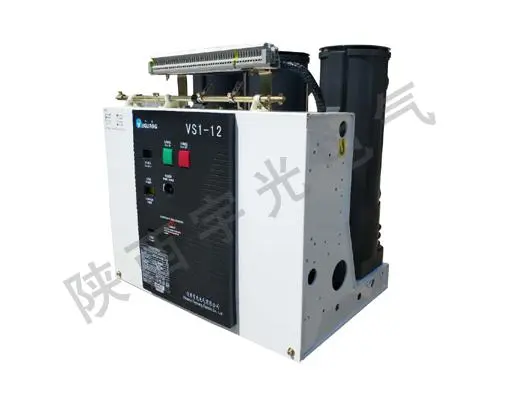
The job of switchgear is to organize, protect, and separate electrical lines so that they can be kept safely and fixed quickly if something goes wrong. It is important to use circuit breakers to stop fault currents before they hurt people or damage gear. Transformers change the voltage levels so that power can be sent to different places. Insulators keep the system's integrity even when forces from outside change. They do this by stopping current flow that isn't needed. Vacuum circuit breakers work better when they need to turn on and off a lot without any maintenance because they use vacuum arc-extinguishing technology. If buying teams know about these parts, they can pick technology that works well for the project, the area, and the level of operation.
Electrical Principles Governing Equipment Selection
You need to know how big the wires should be and where to put the transformers in order to keep the power quality good. Analysis of fault current tells you how much power circuit breakers and switches need to be able to cut off. Things that change the load affect the equipment's size so that it doesn't get too specific and cost too much. There is a clear link between temperature, altitude, humidity, and corrosive atmospheres and the grade of the building, as well as the amount of protection that is needed. Even when the temperature changes, the equipment has to be able to handle mechanical stress and electromagnetic interference. It also has to be able to stop sparks and interrupt currents every time it is used. Power transmission and distribution equipment must withstand these operational stresses throughout its lifespan.
Key Criteria for Choosing Power Transmission and Distribution Equipment
Analyzing Load Requirements and Site Conditions
A correct load estimate takes into account things like peak demand, load factor, power factor, harmonic content, and growth goals for the future. When working in a factory with a lot of motors, you need tools that can quickly fix problems and handle short circuits well. For systems that use green energy, you need switchgear that can handle both voltage changes and power flow going only one way. The best way to keep rust away from coastal areas is to use coatings and close technologies with an IP67 grade or higher. Extreme temperatures need tools that can work in a wide range of temperatures, and areas that are prone to earthquakes need designs that have been allowed to meet certain standards for earthquake protection.
Compliance with Safety and Quality Standards
When something is approved internationally, it means that it is safe, works well, and can talk to other devices. IEC 62271 is a set of rules for control and hardware that works with high voltage. There is a set of rules called ANSI/IEEE C37 series for safe relaying, circuit breakers, and relays. Getting ISO 9001 certification means that the company is good at managing quality. Getting ISO 14001 and ISO 45001 certifications means that the company cares about the environment and the safety of its workers. When equipment has national official certifications, it meets regional regulatory standards and makes it easier for projects to get approved. Buyers should make sure that service providers have all the information they need to be qualified, including test results for power transmission and distribution equipment that show they meet certain standards.
Energy Efficiency and Lifecycle Cost Considerations
Some of the ways that energy-efficient technology cuts running costs are by having better temperature control, less resistive losses, and a better power factor. It takes a lot less energy for vacuum circuit breakers to work than for oil or air-blast choices. Permanent magnet working mechanisms don't need to keep coils in place, which cuts down on the power that is constantly used and makes the system more reliable. There is less downtime and worker cost when styles don't need repair or service every so often. Because it is built in modules, parts can be switched out without having to shut down the whole system. This keeps things running smoothly. You need to know the total cost of ownership for each choice in order to find the most cost-effective one. This includes the price of the item, the cost of installation, the amount of energy used, the need for maintenance, the availability of replacement parts, and the expected service life.
Comparison of Power Transmission and Distribution Equipment Options
High Voltage Versus Medium Voltage Applications
Transmission lines and large industrial areas that need to send a lot of power over long distances do well with systems that are above 52kV. Gear with a voltage range of 6kV to 40.5kV can be used in places with shorter runs and less power, like green energy centers, transport networks, and steel mills. There are smaller medium-voltage vacuum circuit breakers that need less maintenance and are better at stopping sparks than older technologies. The voltage range that Yuguang specializes in is from 6KV to 40.5KV. They offer vacuum circuit breakers with fixed magnet operating mechanisms that don't need to be maintained, last longer, and can handle the frequent switching that happens in wind power systems and industry processes.
Overhead Versus Underground Distribution Methods
But equipment in overhead systems is exposed to weather, wildlife, and concerns about how they look. They are cheaper to set up and easier to get to for maintenance. Underground distribution is used to make things more reliable, leave less of an impact on the environment, and look better. It does cost more to place, though, and it takes longer to find mistakes. For underground caves and other places below ground, you need small, protected switchgear that can handle rough conditions. When room is limited in the basement, integrated modular designs that combine multiple functions—such as circuit protection, metering, and control—within small box volumes make the best use of that space while still making it easy to get in for maintenance and inspection work.
Evaluating Equipment Manufacturers and Technology Trends
Big companies like ABB, Siemens, and Schneider Electric have been around for a long time and have a lot of knowledge. They also make a lot of different goods. Manufacturers with a lot of experience, like Yuguang, know a lot about certain voltage groups and use cases. They use advanced production methods and can make goods unique for each of these situations. Yuguang's 39 patents show that he is always thinking of new ways to use technology to put out arcs, make integration more flexible, and make things work in new places.
New features like smart grid integration, IoT connection, and condition tracking make it possible to plan repairs ahead of time, boost performance in real time, and connect quickly to digital energy management systems. By using contact methods that work with SCADA systems and remote tracking architectures, installations of power transmission and distribution equipment are ready for when running needs change in the future.
Procurement Best Practices for Power Transmission and Distribution Equipment
By clearly outlining detailed technical standards, you can make sure that the power of your tools meets the needs of your project. According to the specs, there should be a full list of the voltage ratings, current capacities, short-circuit withstand levels, working mechanism types, environmental protection ratings, control interfaces, and other functions. Instead of just looking at the price of buying something, you should think about how much it will cost you over its whole life. This will help you find the best mix between quality and budget. Things that cost more at first but are more stable, use less energy, and are easier to keep up usually end up being a better deal after decades of use.
It's not enough to just look at the goods when picking a vendor. You should also think about the supplier's image, financial stability, professional help, and service after the sale. You can believe promises of quality if you check the certificates, inspection records, and reference installations. Because they offer a wide range of services, from unique design and making to installation help and ongoing maintenance, it's easier to keep track of who is responsible for what. Yuguang does everything, from research and development (R&D) to production, installation, and help after the sale. As part of these services, you can get help with installation, maintenance agreements, extra parts, and free plans for making changes to meet your changing business needs.
Customization options let you meet the unique needs of a project in a way that standard store things can't. It depends on the situation whether changes are made to remote platforms to make them more waterproof, to switch uses that happen a lot to special arc-extinguishing configurations, or to faraway sites that have built-in tracking systems. There's more to negotiating good terms than just price. Shipping times, payment plans, guarantee terms, the availability of extra parts, and expert training are also part of it. If you only need one unit of power transmission and distribution equipment, you can place an order. Personalized items take 30 to 60 days to ship, while standard items are sent out within 7 to 15 days. This lets buyers plan their buying around when buildings are going to be built.
Maintenance Tips and Optimizing Power Distribution Efficiency
Common Faults and Performance Risks
Thermal age, water getting in, and contamination are all things that damage insulation and make it track, flash over, and finally break. Over time, contact wear in circuit breakers boosts resistance, which makes them hotter and less able to stop. A lot of use wears down moving parts, which makes them move out of place and react slowly or not at all when something goes wrong. Corrosion weakens metal parts in tough environments, changing their ability to stay together and conduct electricity. Trips, problems that are too hard to fix, huge damage to equipment, and safety risks like arc flashes and fires are all signs of failure in power transmission and distribution equipment.
Proactive Maintenance Strategies
Once in a while checks find issues early on, before they get worse. Rust, pollution, burning, and mechanical imbalance are all things that can be seen. When infrared thermography finds hot spots, it means that parts or links are coming loose. When you partially discharge test insulation, you can see early problems that you can't see with other testing methods. Time tests make sure the operating system works right, and contact resistance tests make sure the the circuit breaker contacts are working right. The vacuum circuit breakers that Yuguang makes have fixed magnet systems that don't need to be oiled or changed often. It means they don't need as much upkeep or downtime, and it also means they last longer between service calls.
Efficiency Enhancement and Modernization
Getting rid of old equipment and replacing it with newer models can make things work better by reducing losses, making power factor adjustments easier, and making control more accurate. Instead of oil-filled circuitry, vacuum technology keeps things clean, makes them work better, and reduces the need for maintenance. When you add intelligent tracking systems, you can use condition-based maintenance strategies that check and change parts at the best times based on how healthy they are, instead of making up plans. Automation makes tasks easier, speeds up the time it takes to fix problems, and gives you data analytics to help you always do a better job. With these updates, less energy is used, costs go down, and power outages don't happen as often. They also make things safer and better for the environment.
Conclusion
You need to think about the professional needs, the working conditions, and the long-term problems that will come up in order to pick the right tools for the job. To buy things wisely, you should know the differences between transmission and distribution uses, make sure safety standards are being met, and look at the costs over the whole life of the product. One way to make sure that project goals are met is to compare the different types of equipment based on power class, fitting method, and company skills. Creating detailed specs, carefully considering vendors, and wisely customizing are some of the best ways to buy power transmission and distribution equipment. They lower risks and improve results. Tool repair plans and efforts to make things run more smoothly make tools work better, last longer, and give you a better return on your investment.
FAQ
What factors determine the lifespan of electrical switchgear?
How long a piece of equipment lasts depends on how well it was designed, where it is used, how often it is maintained, and how hard the job is. As long as you take good care of them, vacuum circuit breakers can last up to 30 years. Some fixed magnet systems can last longer than others because they don't have any parts that wear out or need to be changed often. Extreme heat or cold, high or low humidity, acidic atmospheres, and contamination can all speed up the aging process. This is why safety grades and special coats are needed on equipment.
How do I choose between the different voltages?
The type of voltage to use depends on how much power is needed, how far the information needs to go, and how the network is set up. Medium-voltage systems in the 6kV to 40.5kV range can handle most industry, business, and utility distribution needs where power levels are low and distribution is limited. Better for large companies that need to send a lot of power over long distances and move large amounts of it. Setting standard voltage values for network devices makes it easier to connect, handle extra parts, and train staff.
Can equipment be customized for specialized applications?
These days, makers let you change a lot of things to fit your business goals, the way you work, and how you connect with others. It has been changed how the machine works so that it makes better use of space and is safer in harsh settings. It also has special control interfaces and tracking systems built in. Yuguang can change the way equipment works to fit different situations and the needs of different industries. To do this, they use modular designs, aerospace-grade precision manufacturing, and strict testing processes to make sure the power transmission and distribution equipment works well in harsh circumstances and still meets all the standards.
Partner with Yuguang for Reliable High-Voltage Solutions
Getting power transmission and distribution equipment from a dependable source is very important for the project's success and the smooth running of activities. Yuguang was started in 2008 in Baoji, Shaanxi, which is known as the place in China where the most vacuum circuit breakers are made. 39 technologies belong to the company, and they are licensed by ISO 9001:2015, ISO 14001, and ISO 45001 to offer proven solutions for 6KV to 40.5KV. Compatibility, maintenance, delivery time, and the need to adapt to different situations are all issues that come up in power generation, heavy industry, and critical infrastructure projects. Our unified modular designs, aerospace-grade manufacturing precision, and full service model that includes customized research and development, installation, and after-sales support all solve these issues.
We know that procurement managers want clear prices and on-time deliveries, engineers want top-notch technical support and safety guarantees, project managers want to know when things will be installed and how to coordinate them, and operations teams want quick support after the sale and spare parts to be available. All of these groups can get what they need from Yuguang's one-stop service model, which includes fast delivery (7–15 days for standard products and 30–60 days for customized solutions), a low minimum order quantity (as low as one unit), full installation guidance, maintenance agreements, and free modification plans that can be changed as needed.
Send Yuguang an email at ygvcb@hotmail.com right away to talk about your project with our team of experts. Whether you need vacuum circuit breakers for wind power projects, customized switchgear for harsh industrial settings, or reliable parts for utility distribution networks, we can help. Our services are backed by national certifications, strict quality control, and professional service.
References
1.IEEE Standards Association, "IEEE Guide for AC Generator Protection," IEEE Std C37.102-2006, Institute of Electrical and Electronics Engineers, New York, 2006.
2.International Electrotechnical Commission, "High-voltage switchgear and controlgear - Part 100: Alternating current circuit-breakers," IEC 62271-100:2021, International Electrotechnical Commission, Geneva, 2021.
3.Horowitz, S.H. and Phadke, A.G., "Power System Relaying," 4th Edition, John Wiley & Sons Ltd, Chichester, 2014.
4.Kappenman, J.G., "Geomagnetic Storms and Their Impacts on the U.S. Power Grid," Metatech Corporation Report Meta-R-319, prepared for Oak Ridge National Laboratory, Oak Ridge, 2010.
5.Westinghouse Electric Corporation, "Electrical Transmission and Distribution Reference Book," 4th Edition, Westinghouse Electric Corporation, East Pittsburgh, 1964.
6.Ryan, H.M., "High Voltage Engineering and Testing," 3rd Edition, Institution of Engineering and Technology, London, 2013.

Send Inquiry
You may like
