
How to fix breaker overload?
To fix breaker overload, you need to look at how the electrical load is distributed right away, find the sources of the overcurrent, and take regular steps to fix the problem. To fix the problem, the load needs to be moved around, the circuit needs to be improved, or advanced overload breaker safety systems made for industrial use need to be installed. A professional evaluation using heat imaging and current monitoring can help figure out if the problem is caused by broken equipment, a circuit that isn't big enough, or outside factors that are affecting how well the system works.
Understanding Breaker Overload and Its Impact on Industrial Systems
Breaker overload is a dangerous electrical situation in which the flow of current is greater than what the circuit protection devices are meant to handle. This can cause equipment failures, shutdowns, and safety risks. This happens in factories when the demand for electricity is higher than the maximum amperage of the protection circuits. This puts stress on the system's parts and makes them break down mechanically and thermally.
Root Causes of Industrial Breaker Overload
Industrial sites have special problems with overloading that come from a number of practical factors. As equipment gets older, the insulation stops working as well, which lets current flow in places it shouldn't and stresses safety circuits beyond their design limits. When motors start up in industrial settings, they create short-lived surges that can be too much for normal protection systems to handle. This is especially true in steel and chemical processing plants where heavy machinery is always in use.
Load estimates that are off during building growth often lead to circuits being overused because procurement teams may not know how much power new equipment installations will need. Standard thermal-magnetic breakers aren't good enough for current industrial uses because variable frequency drives and electronics produce harmonics that add to the heating effects of normal overload situations.
Operational Consequences for Industrial Operations
The financial effect of breaker overload extends beyond the cost of replacing damaged equipment. Downtime in steel mills can cost thousands of dollars an hour, and interruptions in chemical processes can lead to problems with the quality of the products and higher costs for getting rid of trash. Frequent breaker trips can make the power grid unstable, which can lead to problems that affect the whole building.
When overload breaker systems don't work right when they detect a fault, safety risks rise quickly. Arc flashes happen more often when safety devices are used outside of their intended limits, putting repair workers in danger and possibly breaking OSHA rules. The total cost of bad overload security goes up because of insurance claims and fines from the government.
Identifying and Diagnosing Breaker Overload Issues
To correctly identify overload situations, electrical system factors must be regularly monitored and analyzed. Continuous tracking systems that keep an eye on current flow, voltage stability, and thermal conditions across vital circuits are useful in modern factories.
Advanced Diagnostic Techniques
Thermal imaging is a useful way to find out about overloading situations before they lead to catastrophic fails. Hot spots on switch contacts, bus connections, and wire joints show places where resistance has gone up because of oxidation, loose connections, or broken parts. Regular temperature surveys help maintenance teams spot problems as they happen and plan when to fix them during planned breaks. An overload breaker can serve as a complementary safeguard, tripping to interrupt the circuit when thermal imaging detects persistent overheating beyond safe limits.
Power quality monitors show voltage imbalance, harmonic distortion, and rapid events that lead to overload situations. These devices record information for long periods of time, which lets engineers find trends and connect electrical events with operational actions. Load profiling helps find out if circuits are working close to their limits when they are not being used.
By looking at the current profile of motor-driven equipment, technical problems that make the electrical load higher can be found. Changes in current waveform features show up as bearing wear, misalignment, and coupling issues. This lets predictive maintenance plans stop overload conditions from happening.
Integration with Maintenance Protocols
For overload avoidance to work, diagnostic tasks need to be incorporated into regular maintenance plans. To keep operations running as smoothly as possible, mechanical repair windows should line up with monthly thermal checks. Power quality checks done every three months help keep an eye on long-term trends and find new problems before they affect output.
Documenting diagnostic results lets you look for trends and helps you make choices about buying new or upgraded tools. Maintenance teams can use past data to show building management why they should spend money on better safety systems and show them how valuable preventive maintenance programs are.
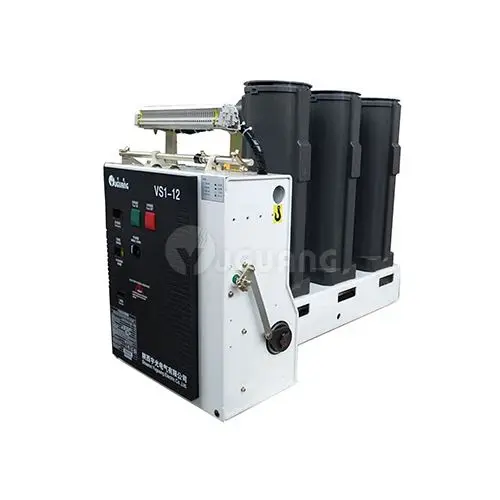
Effective Methods to Fix Breaker Overload — Best Practices for B2B Buyers
To fix overload problems, you need a methodical approach that takes into account both short-term safety issues and long-term system dependability. The best answers include both quick fixes and long-term changes to how the system is designed and how security is coordinated.
Load Management and Circuit Optimization
When there is extra capacity in the electricity system, load redistribution is the fastest way to fix an overload situation. Moving non-critical loads to circuits that aren't being used puts less stress on overloaded breakers while keeping operations running. This method works especially well in places with a lot of different power sources and changeable load setups.
Increasing the capacity of circuits is a constant way to fix systems that are always too busy. To keep the right selectivity when replacing current breakers with higher-rated units, it's important to work closely with upstream safety devices. As part of the update process, it must be checked that the equipment and wires further downstream can safely handle higher fault currents.
Putting in overload breaker systems with advanced safety features makes the system more reliable and cuts down on annoying trips. Electronic trip units can accurately measure current and have trip features that can be changed to fit different load patterns. Communication tools let you keep an eye on things from afar and let you know quickly if overload conditions start to form.
Preventive Maintenance Strategies
Overload-related breakdowns are much less likely to happen when upkeep is done on a regular basis. Tightening connections, cleaning contacts, and checking insulation all help keep low resistance lines that keep heating effects to a minimum. Regular upkeep increases the life of machinery, makes systems more reliable, and lowers the costs of running them over time.
Capacity planning activities help buying teams guess how much electricity will be needed in the future and keep facilities from becoming overloaded when they grow. Load studies done during busy times give planners a starting point for planning the system and help find circuits that are working close to their limits.
Real-time monitoring tools let you take charge of your electricity loads and let you know early on when overloading is happening. Smart switches that can communicate with each other can quickly turn off loads that aren't needed in an emergency, keeping the whole system from going down.
Comparing Overload Breaker Solutions — Choosing the Right Software and Devices
To choose the right overload safety, you need to carefully look at the different technologies that are out there and see which ones work best for different commercial uses. When it comes to settings with complex load features, modern electronic breakers are a big improvement over older thermal-magnetic devices.
Electronic vs. Traditional Protection Systems
Electronic trip units measure current accurately and can be programmed to trip in a variety of ways to suit different load levels. Trip settings that can be changed let you get the best performance for your needs, and contact interfaces let you connect to facility tracking systems. Because of these qualities, electronic breakers are very useful in places where loads change often or where strict security coordination rules apply.
Traditional thermal-magnetic breakers can still be used in situations where the load is fixed and there aren't many transmission needs. Because they are less expensive to buy and have been proven to work, they are good for basic security tasks where more advanced features aren't necessary. Whether you choose electronic or traditional safety relies on the needs of the program and your budget.
Integration and Communication Features
Modern overload breaker systems can communicate with a lot of different systems, which makes them easy to connect to property management systems. Protection devices can be monitored and controlled from afar using Modbus, Ethernet, and wireless communication. These features make predictive maintenance tools easier to use and help with quick responses to problems as they arise.
Advanced security systems can record and analyze events in great detail, which helps support teams understand how the system works when it's broken. Event logs with timestamps make it possible to connect electrical events with operating actions. This helps with finding the root cause and making the system work better.
Modern protection systems can work together with emergency shutdown systems and load control tools because they can be integrated. Automated load sharing during emergencies can stop failures from spreading and limit the damage caused by power blackouts.
Why B2B Procurement Managers Trust Overload Breaker Solutions?
Industrial buying managers depend more and more on modern overload safety systems to keep operations running smoothly and make sure they follow the rules. Modern protection systems have real benefits that make up for their higher starting costs. These benefits include less downtime, better safety, and more reliable systems. An overload breaker is a critical component within these systems, providing the essential physical disconnection required to fully realize such benefits.
Measurable Performance Benefits
Better system security lowers the number and intensity of electrical breakdowns, which directly affects the uptime and output of the facility. A statistical study of the performance of protection systems shows that the average time between breakdowns has gotten a lot longer and upkeep needs have gone down. By cutting down on production stops, these gains in speed save money that can be seen.
As factories work in global markets, following foreign safety standards becomes more and more important. International standards for safety cooperation and arc flash mitigation are very strict, and modern overload breaker systems meet all of them. This compliance helps the building get certified and lowers the risk of lawsuit.
Supplier Credibility and Support
With professional customer service and full guarantees, you can be sure that your long-term equipment purchases will be safe. Technical support teams with a lot of experience help fix problems with applications and make the security system work better. Training programs make sure that people who work in repair know how to do their jobs correctly.
Protection systems stay up to date with changing industry standards by getting regular software changes and product improvements. When a company invests in ongoing product growth, it shows that it cares about its customers and wants to build a long-term relationship with them. This commitment is even more important in critical situations where broken technology can have big effects on safety and operations.
Conclusion
To fix breaker overload problems effectively, you need to know a lot about how electrical systems work, be able to accurately diagnose problems, and plan how to use the right safety technologies. Modern overload breaker solutions have the advanced features and dependability needed to meet the complex security needs of industries while also supporting regulatory compliance and business efficiency. When you buy good protection systems, you get measured returns in the form of less downtime, better safety performance, and higher system stability that supports your business's long-term success.
FAQ
What causes breaker overload in industrial facilities?
Breaker overload typically results from excessive current flow due to equipment overloading, motor starting transients, harmonic distortion, or deteriorated connections that increase circuit resistance. Manufacturing facilities often experience overload conditions during peak production periods when multiple high-power equipment operates simultaneously.
How can I prevent recurring overload situations?
Prevention strategies include regular maintenance of electrical connections, load monitoring to identify trends, proper sizing of protection devices, and implementation of load management systems that automatically shed non-essential loads during peak demand periods.
When should I upgrade from thermal-magnetic to electronic breakers?
Electronic breakers provide value in applications requiring precise trip coordination, communication capabilities, or adjustable protection characteristics. Facilities with complex load profiles, harmonic distortion issues, or integration requirements benefit most from electronic protection systems.
Partner with Yuguang for Reliable Overload Breaker Solutions
Yuguang Electric specializes in manufacturing high-quality vacuum circuit breakers and overload protection systems designed for demanding industrial applications. Our ISO 9001:2015 certified facility produces reliable, maintenance-free equipment that meets international safety standards while providing exceptional operational performance. With 39 patents and comprehensive technical support, Yuguang delivers customized solutions that address specific protection requirements across power generation, metallurgy, and manufacturing sectors. Contact our engineering team at ygvcb@hotmail.com to discuss your overload breaker manufacturer requirements and discover how our advanced protection systems can enhance your facility's electrical reliability and safety performance.
References
1. IEEE Standard 242-2001: IEEE Recommended Practice for Protection and Coordination of Industrial and Commercial Power Systems
2. NEMA AB 1-2016: Molded Case Circuit Breakers, Molded Case Switches, and Circuit Breaker Enclosures
3. IEC 60947-2:2016: Low-voltage switchgear and controlgear - Circuit-breakers
4. ANSI/IEEE C37.13-2015: IEEE Standard for Low-Voltage AC Power Circuit Breakers Used in Enclosures
5. UL 489-2018: Standard for Safety Molded-Case Circuit Breakers, Molded-Case Switches, and Circuit-Breaker Enclosures
6. NFPA 70E-2021: Standard for Electrical Safety in the Workplace

Send Inquiry
You may like
