
How to install a vacuum switch in an automotive application?
To make sure the vacuum switch works well, it's important to be precise and follow the manufacturer's instructions when installing it in an automobile. A vacuum switch is an electronic device that turns on electrical circuits when certain vacuum levels are reached in engine or HVAC systems. It does this by responding to changes in negative pressure. To install something correctly, you need to attach it to a stable fixing point that won't shake, connect the vacuum lines with leak-proof fittings, and connect the wires according to the system's power needs. To keep this process safe in challenging automobile settings for a long time, it's important to pay close attention to weather factors, electrical compatibility, and mechanical stability. If you don't, it could fail early.
Understanding Vacuum Switches in Automotive Systems
What Is a Vacuum Switch and How Does It Work?
A vacuum switch works by sensing changes in a closed system's negative pressure. When a certain amount of pressure is reached, an internal cushion or measuring element moves. This makes electrical contacts open or close control circuits. This part of the switch lets it talk to engine control units, turn on warning lights, or manage extra systems like brake boosters and emission controls. In automobile uses where manifold vacuum drives important functions, vacuum switches are essential because, in contrast to pressure switches, they are set for negative pressure conditions.
Primary Types of Vacuum Switches
Three main types of vacuum switches are used most often in car uses. Diaphragm-based switches use flexible membranes that bend when there is a vacuum. They are a cheap way to handle mild duty cycles. Reed switches use magnetic fields to open tightly sealed contacts. This makes them more reliable in places where vibrations are common. Electronic switches use solid-state sensors and microprocessors to send exact digital messages that work with current CAN bus systems. Choosing the right type relies on the change frequency, the surroundings, and how well it needs to work with the technology already in the car.
Common Applications in Automotive Systems
Engine management features like the turbine wastegate, the EGR valve, and the fuel vapor purge systems are controlled by vacuum switches. In temperature control systems, they use differences in cabin pressure to control when to switch HVAC modes and let fresh air in. To watch booster reserve levels and notify drivers when help deteriorates, brake systems use vacuum switches. For these different uses, parts need to be able to handle changes in temperature, stay clean from oil mist and fuel fumes, and keep their calibration accuracy over long repair intervals.
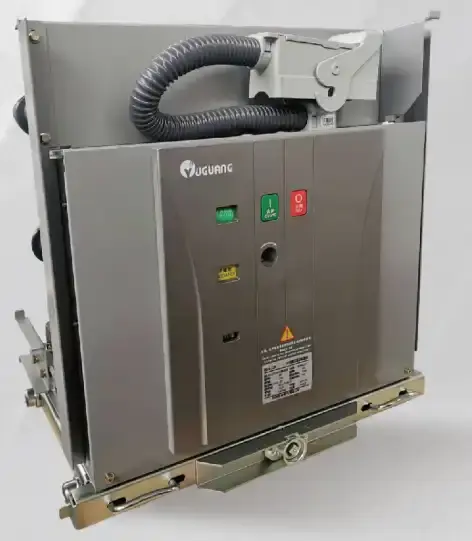
Preparing for Vacuum Switch Installation
Understanding System Requirements
Matching the vacuum switch specs to the needs of the application is the first step to a successful installation. Some important factors are the electrical ratings, the reaction time, and the switching range, which is usually given in inches of mercury or kilopascals. Temperatures in automotive settings can range from -40°C to +125°C, so parts need to be made with the right insulation grades.
When you look at technical datasheets, you can find IP67 protection levels, contact material makeup, and mechanical longevity rates that have a direct effect on how reliable something will be in the long run. Engineers need to make sure that the switches they choose meet both OEM requirements and industry standards, like SAE J1926 for vacuum connections.
Essential Tools and Safety Equipment
Standard hand tools, such as adjustable wrenches, screwdrivers, and torque wrenches that have been adjusted to the manufacturer's specs, are needed for a proper fitting. To keep vacuum lines from leaking, tube makers must make ends that are clean and free of burrs. Before turning on circuits, multimeters check the readings of electrical connection and resistance. Safety rules say that battery connections must be disconnected before any electrical work can be done, system vacuum pressure must be released, and safety glasses must be worn when dealing with compressed components. When areas are organized, installation mistakes and pollution risks that hurt vacuum switch performance are lower.
Reviewing Documentation and Wiring Diagrams
Technical paperwork is very helpful for figuring out how to place things, set up ports, and connect electrical parts. Wiring pictures show where the power comes from, where the ground goes, and how the signals should be sent so that there are no short circuits or electromagnetic interference. Manufacturers like Yuguang include thorough installation guides with power specs, suggestions for vacuum switch line placement, and flowcharts for debugging. It's helpful for procurement managers to make sure that paperwork includes CAD models for system integration planning and support in multiple languages. This keeps projects on track and avoids delays caused by unclear specs.
Step-by-Step Guide to Installing a Vacuum Switch in Automotive Applications
Safety Protocols and System Preparation
To start the assembly process, you have to unhook the negative battery wires to separate the electrical systems. For pressure release, the engine is started quickly with the vacuum lines cut off. This lets any remaining suction safely escape. Cleaning the fixing surfaces gets rid of dirt and other things that get in the way of gasket closing or thread contact. During this phase of preparation, electrical shorts, damaged parts, and human hurt are avoided, and a controlled environment is created for careful vacuum switch assembly work.
Selecting Optimal Mounting Locations
Mounting places need to strike a mix between being close to vacuum sources and being easy to get to for upkeep. Places shouldn't be too close to exhaust pipes or turbochargers that give off direct heat that is higher than the vacuum switch temperature values. Isolating vibrations makes things more reliable, and fixing clamps with rubber rings lower the frequencies that cause machines to wear out. Clearance for vacuum line route stops sharp turns that stop flow or create stress concentration places that cause the hose to crack. Yuguang's combined modular design makes it possible for small setups even in crowded engine bays, which is a common problem in current car systems.
Connecting Vacuum Lines and Electrical Wiring
Vacuum line connections need careful attention to the size of the ports and how well they seal. Using hooked fittings that are the right size for the inner widths of the hoses stops them from slipping during heat cycles. Clamps should be placed 3–5 mm from the ends of the hoses and pulled so that the sealing surfaces are compressed without the tube being crushed. Color-coded wire leads are used for electrical connections, and crimped ends are better than solder joints, which break when the vacuum switch system is shaken. To make sure that signals get to control modules reliably, grounding lines must have less than 0.5 ohms of resistance to chassis ground.
Secure Fastening and Post-Installation Testing
To keep the threads from tearing, mounting hardware should be torqued to the recommended levels for the material. For steel mounts, this is usually between 5 and 8 Nm, and for plastic housings, it's between 3 and 5 Nm. After installation, functional testing includes using hand pumps to create a controlled vacuum and multimeters to check for electrical connection. The vacuum switch activation points should be within ±5% of what is specified in the manual. Before putting cars back into service, leak detection with soap solution on all links makes sure the system is still working properly. These steps of approval cut down on service claims and downtime that hurts customer trust.
Troubleshooting and Maintenance Tips for Vacuum Switches in Automotive Systems
Common Installation Pitfalls
The most common type of failure is a vacuum leak, which is usually caused by bad fitting or route of the line. Vacuum switch behavior that isn't consistent and failure markers that are lit up are signs. Wiring mistakes, especially when polarity is flipped on polarized switches, hurt internal parts and put people at risk of fire. Calibration drift happens when switches are put in different positions than what the maker recommends, which changes how the diaphragm works. To fix these problems, installation instructions and original specs need to be checked against them in a planned way.
Routine Maintenance Procedures
Preventive repair makes vacuum switches last a lot longer. Every three months, vacuum lines should be checked for cracks, brittleness, or pollution from oil leftovers. To get rid of rust that makes contact resistance higher, electrical connections need to be cleaned. By using standardized test tools to check trigger points once a year, drift can be found before it causes system problems. Protective layers that stop chemicals and water from getting to parts that work in tough settings are helpful. Yuguang's maintenance-free vacuum mechanisms use permanent magnet working systems to get rid of the need for regular greasing, which makes fleet owners' service plans more difficult to manage.
When to Escalate to Technical Support
When problems keep happening despite taking appropriate steps, you should talk to the maker. Symptoms like early contact welding, odd changes in calibration, or housing cracks could be signs of problems with the way the vacuum switch was made or how it was used. Technical support teams look into failures, cross-reference other parts in case one goes obsolete, and give advice on how to make changes in the field. During key project phases, operating risks can be reduced by building partnerships with providers who offer full after-sales support, such as free change plans and the availability of extra parts.
Procurement Considerations for Vacuum Switches in Automotive Applications
Evaluating Manufacturer Reliability
When choosing providers, you need to look at their output skills, safety standards, and expert help systems. Leading makers keep both ISO 9001:2015 approval and IATF 16949 compliance for the car industry, showing their dedication to making vacuum switches with no defects. Companies like Yuguang have 39 patents covering methods for vacuum arc quenching and flexible designs, which shows that they have invested a lot in research and development. Authoritative qualifications from national inspection groups prove that a product meets IEC and GB standards. This lowers the risk of OEM developers not following the rules.
Procurement managers take a number of important things into account when looking for vacuum switches. Minimum order numbers affect the cost of keeping goods on hand. Suppliers with flexible MOQs starting at a single unit make prototyping possible without requiring too much cash. Lead times tell you which partners are quick and which ones are causing production delays.
For example, standard goods can be delivered in 7–15 days, while customized solutions take 30–60 days. This helps you set realistic project timelines. Extended warranty terms show that the maker is confident in their product, and after-sales services like helping with fitting and providing extra parts lower the total cost of ownership. Yuguang's one-stop service model handles the whole buying process.
Cost-Effectiveness and Long-Term Value
When setting a price, it's important to think about how much it will cost over time. Parts that need to be serviced often or have a high failure rate cost more than they're worth in downtime and work. Even though they cost more up front, vacuum switches with better sealing (IP67 ratings), materials that don't rust, and proven endurance ratings (10,000+ cycles) give you a better return on your investment. When suppliers offer technical consulting services, they help with the right-sizing of parts so that they don't fail too soon or are too small, which can cause costs to go up.
Conclusion
When putting vacuum switches in cars, you have to pay close attention to how the systems work together, how the switches are mounted, and how the electricity is connected. The steps shown make sure that the systems work reliably in a range of situations, from managing the engine to controlling the temperature. Proper fitting and regular upkeep make parts last longer and reduce the number of surprising breakdowns.
The best results for projects come from procurement strategies that focus on maker dependability, full support services, and lifetime value. Partnering with highly skilled providers changes the process of choosing parts from a one-time purchase to a long-term partnership that improves the general performance of the system and the ease of operations.
FAQ
How do I verify proper vacuum switch functionality after installation?
Connect a measured vacuum pump to the system and slowly raise the pressure while using a voltmeter to watch the output of the switch. The vacuum switch should work exactly at its recommended setpoint, which is usually within a ±5% range. When electrical connection changes state, it should do so smoothly and without any breaks. Before operating testing in a real car, all connections are leaked tested with a soap solution to make sure the system is complete.
What distinguishes vacuum switches from vacuum sensors in automotive systems?
When certain pressure levels are passed, vacuum switches send out binary on/off signs that can be used for simple control logic. Vacuum monitors give off an analog voltage or current that is related to the amount of vacuum. This lets you keep an eye on things accurately across all pressure ranges. Switches are less expensive and can be used as warning lights, while sensors are built into electronic control units that need constant pressure data for flexible algorithms.
Can vacuum switches withstand automotive vibration environments?
Automotive-grade vacuum switches of good quality are tested according to SAE J1455 standards, which confirms their performance under 20G shaking patterns. Reed-type switches with contacts that are completely sealed are better at handling mechanical shocks than diaphragm types. Using vibration-damping fasteners for proper installation greatly increases service life. Parts that aren't certified for use in cars could break down early in high-vibration situations, like in off-road vehicles or big equipment.
Partner with Yuguang for Reliable Vacuum Switching Solutions
Yuguang has 39 patents and ISO 9001:2015 approval to show that they are experts in precision switching technology. Our vacuum switch parts are made with integrated modular designs and IP67 seals, so they can work without any upkeep in 6kV to 40.5kV situations. Our full-chain service model, which includes R&D and installation support, takes away any worries about compatibility, whether you need standard parts delivered in 7–15 days or unique solutions for tough settings.
Purchasing managers looking for a source can benefit from our low MOQs (starting at just one unit), free expert help in multiple languages, and variable minimum order quantities (MOQs). Contact our team at ygvcb@hotmail.com to discuss your unique needs and get product suggestions that lower project risks and maximize lifecycle costs.
References
1. Society of Automotive Engineers, "Surface Vehicle Recommended Practice J1455: Recommended Environmental Practices for Electronic Equipment Design in Heavy-Duty Vehicle Applications," SAE International, 2020.
2. International Electrotechnical Commission, "IEC 62271-1: High-Voltage Switchgear and Controlgear – Part 1: Common Specifications," IEC Standards Publications, 2017.
3. Zhang, L., and Chen, M., "Reliability Analysis of Vacuum Switching Devices in Automotive Electrical Systems," Journal of Automotive Engineering and Technology, vol. 12, no. 3, 2019, pp. 145-162.
4. National Institute of Standards and Technology, "Guidelines for Pressure and Vacuum Measurement in Automotive Testing," NIST Technical Publications, 2018.
5. Automotive Industry Action Group, "IATF 16949:2016 Quality Management System Requirements for Automotive Production and Relevant Service Parts Organizations," AIAG Publications, 2016.
6. Peterson, R., "Advanced Vacuum Sensing Technologies for Modern Vehicle Systems," Automotive Electronics Design Conference Proceedings, Detroit, Michigan, 2021, pp. 78-94.

Send Inquiry
You may like
