
How to know if breaker is overload?
Early detection of an
situation stops catastrophic machine failure and expensive production downtime. An overload happens when the breaker's stated capacity is exceeded for a long time, creating too much heat that can damage contacts, insulation, and equipment that is linked. Common warning signs include trips that happen a lot without clear short circuits, enclosures that are warm or darkened, humming or buzzing sounds, and faint burning smells near breaker panels. Diagnostic tools like clamp meters, thermal imaging cameras, and power quality testers help get a good idea of how much load is on a system and if there are any temperature problems. When procurement managers and engineers know about these signs, they can step in and protect working stability in tough industrial settings.
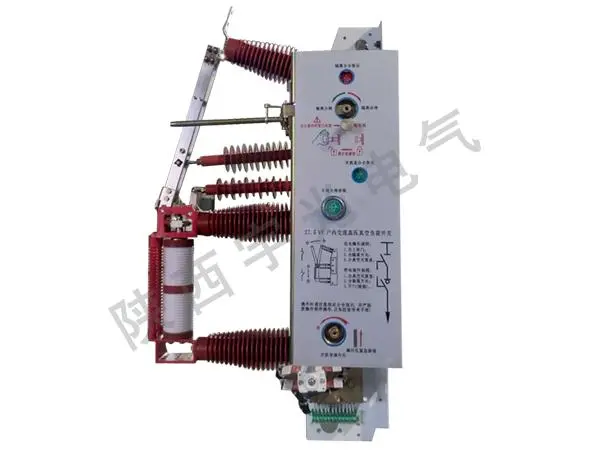
Understanding Breaker Overload: Definition and Causes
What Constitutes a Breaker Overload
overload breaker happens when the electrical current flows faster than the breaker can handle over time. This can cause heat damage and the system to fail. Overloads happen slowly as steady currents heat up internal parts, unlike short circuits, which have rapid, high-current problems that last only a few milliseconds. When this happens, thermal-magnetic breakers turn on a bimetallic strip that bends when heated. This stops the device physically and stops the circuit before any damage happens.
Common Causes of Overload Conditions
One of the main causes of overload breaker situations is broken equipment. As motors get older, they develop gear wear, which requires more current to start up. When transformers are close to maximum, they create harmonic distortion that makes RMS current values go up. Unexpected increases in load happen when production plans get tighter or when a lot of high-power devices turn on at the same time during shift changes. When breaker sizes aren't right during installation or retrofitting, there are gaps between the security capacity and the real demand, leaving systems open to attack.
Things in the environment, like weather and humidity, can also affect how well a breaker works. When temperatures rise, the amount of current they can carry decreases. This makes breakers rated at 25°C trip early in rooms that don't have air conditioning. Corrosion on touch surfaces is sped up by humidity, which raises resistance and causes localized warmth even at normal load levels.
Recognizing Warning Signs and Diagnostic Approaches
It's important to know the signs of overload breaker, which include frequent trips, too much heat, and strange sounds. If you look closely, you can see that the switch housings are discolored, the insulation has melted, or there are tracks of carbon on the busbars. When done properly with the right PPE, tactile checks find warm surfaces that show conditions that are close to overload breaker. Hearing signs include humming from loose links or buzzing from trip devices that aren't set up right.
Using diagnostic tools like thermal cameras and current monitors during checks makes them more accurate and safer. Thermal imaging finds hot spots that you can't see with the naked eye, so you can fix them before they break. Clamp-on ammeters measure real-time load current without stopping the circuit. They do this by comparing the actual draw to the values on the plate. Power quality monitors record rapid events, harmonics, and voltage sags that add up to thermal stress over time. These technical roots help the engineering and procurement teams choose and manage breakers that meet business needs.
Analyzing the Importance of Overload Protection in Electrical Systems
The Critical Role of Overload Protection in Industrial Settings
In industrial and commercial settings, where safety of workers and continued machine operation are important, overload breaker are essential. They keep damage from happening by stopping too many load currents. This lowers the risk of fire and compliance problems. The National Fire Protection Association says that about 13% of workplace fires each year are caused by electrical problems and crashes, with overload breaker circuits being the main cause. This risk can be reduced by using properly rated and well-maintained breakers that cut off circuits before insulation catches fire or wires melt.
Ignoring overload safety could cause expensive equipment to break down, unexpected power outages, and dangerous situations. If a steel mill's breakers keep going off without figuring out why, it could cause problems in other systems that are related to it, which would stop production for hours or days. When repairs are needed quickly, they cost more because of the extra work and faster shipping for new parts. If delivery dates are missed, there may also be contractual penalties. Besides costing money, not having enough protection puts people working near live equipment in danger, which is against the law and could lead to organizations being sued.
Economic and Sustainability Benefits
Well-designed overload breaker safety helps the environment by making systems last longer and requiring less upkeep, which has a direct effect on how much they cost. Breakers that trip at the right time keep equipment further down the line, like motors, drives, and transformers, from working in temperatures that are too high and damage them. This increases the useful life of assets, putting off capital spending for replacements and cutting down on technological waste.
Protection devices that keep the best load balance across stages and minimize losses from unbalanced currents make energy use more efficient. Power quality changes are becoming more and more encouraged by utilities, which offer rebates for systems that lower harmonic distortion and reactive power demand. This part talks about how adding trusted overload breaker makes things more reliable and protects investments, which is in line with operational strategies, strategic operational goals, and the company's promises to sustainability.
Comparing Overload Breakers With Alternative Protection Technologies
Thermal-Magnetic Circuit Breakers
overload breaker are specially designed to find thermal overloads. They are often part of larger breaker technologies that use thermal-magnetic processes to protect against both overloads and short circuits. When there is a prolonged overcurrent, the thermal element, which is a bimetallic strip, bends and releases a trip latch. An electromagnet coil is the magnetic element. It responds right away to short-circuit currents that are more than ten times the rated value. This lets the fault be fixed quickly.
Because they can do two things at once, thermal-magnetic breakers are useful and affordable for a wide range of uses, from low-voltage motor control centers to 6kV medium-voltage switchgear. Advanced materials and precise production are used by manufacturers like Yuguang to improve trip curve characteristics. This balances sensitivity against annoying trips caused by harmonic-rich loads that are common in variable-frequency drive installs.
Alternative Protection Devices
overload breaker are different from Residual Current Devices (RCDs) that find leakage current or fuses that only provide one-time security. They are reusable and can be set to respond to different load patterns. RCDs are great for protecting people because they can pick up on ground faults as low as 30mA, but they can't handle overloads. Fuses have high interrupting rates and predictable time-current characteristics, but they need to be replaced after every action, which adds to the cost of upkeep and supplies.
Motor starters often have overload breaker switches that check the current through heater elements or computer sensors and tell contactors to open. They work well for protecting specific motors, but they don't have the built-in switching power of circuit breakers, so they need extra parts and panel room.
Emerging Smart Breaker Technologies
Smart breakers with digital tracking are one of the newest innovations. They allow for predictive repair and real-time system analytics. Microprocessors, current sensors, and transmission ports that handle Modbus, DNP3, or IEC 61850 protocols are all built into these devices. Data streams show load trends, trip records, and signs of contact wear, which lets maintenance teams plan their work for planned outages instead of having to respond to emergency fails.
When procurement workers understand these different technologies, they can choose solutions that are best for each risk profile and integration needs. This makes total electrical protection plans better. When looking at different types of breakers, you have to weigh the initial costs against the long-term benefits, as well as the compatibility of the new equipment with the old ones and the supplier's expert help and spare parts availability.
Best Practices to Detect and Manage Breaker Overloads in B2B Procurement
Technical Specification and Selection Criteria
When choosing overload breaker, it's important to think about technical factors like the breaking capacity, the rated current, the trip features, and the environmental grades that are needed for the job. Breaking capacity, which is given in kA, is the biggest short-circuit current that the breaker can safely stop without breaking down completely. For industrial uses in chemical or metallurgy plants, 50kA rates are often needed to handle fault currents that come from big power transformers.
The rated current must match the constant load needs plus an adequate range for surge currents that happen when the motor starts up or the transformer turns on. How quickly the breaker reacts to overcurrents is determined by the trip characteristics, which are shown by shapes like B, C, or D. Type D breakers can handle more inrush current and are good for transformers and capacitor banks. Type C breakers, on the other hand, are better for standard lighting and resistance loads.
When it comes to environmental ratings, they cover things like ingress protection (IP codes), working temperature ranges, altitude derating, and earthquake qualification. For locations near the coast, silver-plated contacts and conformal coatings are needed to make them more resistant to rust. At high elevations, the dielectric strength of the air is lower, so breakers designed for 4000 meters or altitude adjusting factors must be used during design.
Supplier Evaluation and Procurement Strategy
Along with flexible prices and integration with software management tools, procurement teams should look for suppliers that are reliable and can work with current infrastructure. Supplier standards like ISO 9001 recognition, national testing reports, and patent portfolios show that the company is serious about quality and has been making products for a long time. For example, Yuguang Electric has 39 utility model patents, ISO 9001:2015 certification, and is a national high-tech company. This shows that they know a lot about high-voltage equipment.
Long-term partnerships give you access to expert advice during the specification phase, solutions that are tailored to your individual needs, and priority allocation when there are shortages of parts. Vendor-managed inventory plans cut down on the costs of buying things and make sure that important spares are always on hand for quick release.
Preventive Maintenance and Monitoring Programs
Stressing preventative measures like regular testing, condition tracking, and thorough maintenance increases the usefulness of breakers and the uptime of the system. Every year, tests are done to make sure that the trip calibration is correct. These tests use main injection test sets to send controlled currents through the breaker poles and measure the reaction time and trip thresholds. Contact resistance readings show damage from rust or pitting, and numbers higher than 100 microhms require action to be taken to fix the problem.
Giving detailed instructions and paperwork helps end users become competent, which lowers the chance of mistakes. On-site techs can easily do regular checks with the help of detailed maintenance manuals, illustrated parts catalogs, and troubleshooting flowcharts. Training sessions led by vendors that cover best practices for installation, diagnostic methods, and safety processes make workers better at what they do. Using these best practices makes the supply chain more reliable and improves operations in tough manufacturing settings.
Real-World Case Studies and Examples of Breaker Overload Identification
Case Study: Manufacturing Plant Overload Resolution
Case studies that are used as examples show how to spot and fix overload breaker problems in real life. A big company that makes car parts had a production line that supplied robotic cutters and conveyor systems that kept tripping the breakers. At first, the problem was thought to be a short-circuit, but insulating tests and temperature scans showed nothing was wrong. Load patterns recorded by detailed current logging showed slow increases that were linked to rising temperatures during afternoon shifts.
Root-cause analysis showed that the electrical room wasn't ventilated well and that the breakers chosen during an earlier capacity increase were too small. The problem was fixed by adding forced-air cooling and changing to higher-rated breakers with the right derating factors. Targeted diagnostics were used to find and fix equipment problems that caused multiple breaker trips. This stopped expensive production stops that used to cost $50,000 per incident in lost output.
Case Study: Supplier Selection and Technology Evaluation
In a different situation, problems with choosing the best breakers made it clear how important it is to work with suppliers, evaluate technologies, and adopt customized solutions. A city's water treatment plant wanted to update the old 12kV switchgear that served important pumping units. The buying group looked at several providers and ranked them by technical requirements, shipping times, and lifecycle support options.
In order to stand out from its competitors, Yuguang Electric offered vacuum circuit breakers that didn't need to be maintained and could operate 10,000 times. On-site audits of the factory proved that it had advanced production lines, strict testing methods, and quality management systems that were ISO-certified. Performance tracking after installation proved the accuracy of the trip curve and showed that there were no annoying trips in the 18 months of operation. These cases show that making smart choices and working together with expert providers can lead to real benefits.
Lessons Learned and Strategic Takeaways
The lessons learned stress the importance of proactive tracking, clear specifications, and smart relationships with suppliers as key to the success of engineering and procurement. When you wait until the equipment breaks down, you have to buy it quickly, which lowers your purchasing power and forces you to settle for less-than-ideal options. Having preferred source relationships with makers that offer full technical support, customization options, and quick after-sales service can help lower the risks that come with working in high-stakes industries. Protection systems change to meet operational needs with the help of regular performance reports and conversations about continuous growth.
Conclusion
To find and fix overload breaker, you need to use technical knowledge, testing tools, and smart buying habits all together. Overload breaker conditions show up as heat, noise, and a lot of trips. Trained people can find these signs by using thermal imaging, measuring current, and eye inspection. To choose the right circuit breakers, you have to match the technical specs to the needs of the application, check the credentials of the suppliers, and set up preventative maintenance plans that make the assets last longer and be more reliable.
With the rise of smart breaker technologies and predictive maintenance platforms, it's now easier than ever to see how healthy a system is. This changes reactive fixing into proactive asset management. Companies that focus on relationships with suppliers that offer proven knowledge, full support, and new solutions can reduce downtime, keep lifecycle costs low, and stay ahead of the competition in businesses that use a lot of power.
FAQ
How often should overload breakers be tested to ensure reliability?
Industry rules say that medium and high-voltage breakers should be tested once a year. In harsh settings or situations where they are used a lot, they should be tested more often, like every six months or every three months. Protocols for testing include checking the trip's accuracy, measuring the contact resistance, and checking the insulation's soundness. State-based monitoring can be used in places with continuous processes by using smart breakers that send diagnostic data in real time. This lets test plans change based on the actual state of the equipment instead of sticking to set dates.
What are the long-term risks of ignoring overload conditions?
overload breaker conditions that aren't checked can speed up contact erosion, damage insulation materials, and overheat busbars and connections, which can cause catastrophic failures like arc flashes or equipment fires. Thermal cycling weakens mechanical parts, which makes it more likely that a trip device will fail and leave circuits exposed. Downstream equipment has a shorter life span when it has to work with voltage drops and harmonic distortion from lines that are overloaded. When safety checks find defense systems that don't work right, regulations are broken and insurance coverage is limited.
What steps should procurement managers take when experiencing frequent breaker trips?
Hire skilled electrical engineers or techs right away to do troubleshooting tests, such as load profiling, thermal imaging, and contact resistance testing. Look at the original design specs and the present load levels to find places where the capacity doesn't match up. Find out if temperature, humidity, or pressure changes in the surroundings mean that the breaker needs to be derated. Get in touch with suppliers to get expert advice and look into possible equipment improvements. Carefully write down all events to help with finding the root cause and guarantee claims. If you need to, lower the load temporarily to prevent equipment damage while lasting answers are being worked out.
Contact Yuguang Electric for Reliable Overload Breaker Solutions
Addressing overload breaker challenges demands partnership with experienced manufacturers offering proven technologies and comprehensive support. Yuguang Electric specializes in 6kV to 40.5kV vacuum circuit breakers engineered for demanding industrial applications across power generation, metallurgy, and infrastructure sectors. Our advanced production lines, backed by 39 patents and ISO 9001:2015 certification, deliver maintenance-free, long-life protection devices tailored to your operational requirements.
Whether upgrading aging switchgear, expanding production capacity, or resolving recurring overload breaker issues, our technical team provides customized solutions supported by thorough design calculations, on-site commissioning assistance, and responsive after-sales service. As a trusted overload breaker supplier with global reach, we ensure delivery schedules align with project timelines and offer flexible procurement terms for large-scale installations.
Visit ygvcb.com to explore our product portfolio, request technical documentation, or schedule a consultation. Contact our engineering team directly at ygvcb@hotmail.com to discuss your specific challenges and discover how Yuguang Electric's expertise transforms electrical protection strategies into competitive operational advantages.
References
1. National Fire Protection Association (2021). Electrical Failures and Fire Hazards in Industrial Facilities: Analysis and Prevention Strategies. NFPA Research Foundation.
2. Institute of Electrical and Electronics Engineers (2020). IEEE Standard for Circuit Breakers in Medium-Voltage Switchgear: Testing, Rating, and Application Guidelines. IEEE Standards Association.
3. International Electrotechnical Commission (2019). IEC 62271-100: High-Voltage Switchgear and Controlgear – Alternating Current Circuit Breakers. IEC Publications.
4. Electric Power Research Institute (2022). Thermal Management and Overload Protection in Industrial Power Distribution Systems. EPRI Technical Report Series.
5. American National Standards Institute (2020). ANSI C37.06: AC High-Voltage Circuit Breakers Rated on a Symmetrical Current Basis – Preferred Ratings and Related Required Capabilities. ANSI Standards.
6. McGraw-Hill (2018). Industrial Power Systems Handbook: Design, Operation, and Maintenance of Electrical Distribution Networks. Engineering Reference Library.

Send Inquiry
You may like
