
How to Prevent Overheating in Vacuum Contactors
To keep vacuum contactors from overheating, you need to take a systematic approach that includes the right choices for selection, installation, and maintenance. Electrical overload, poor ventilation, or worn out parts are the most common causes of vacuum contactor overheating. To effectively prevent damage, it is necessary to match current ratings to load requirements, make sure there are proper heat dissipation pathways, monitor temperatures regularly, and set up proactive maintenance schedules. Compared to traditional switching devices, advanced vacuum interrupter technology greatly lowers the arc-generated heat, and integrated modular designs improve thermal management over longer operational cycles.
Introducing Overheating in Vacuum Contactors
Vacuum contactors are very important in high-voltage electrical systems because they manage electrical connections very reliably using vacuum interrupter technology. These complex parts work by making and breaking electrical circuits inside sealed vacuum chambers. Since there is no air in these chambers, oxidation doesn't happen and arc formation is much less likely to happen during switching operations.
Fundamental Working Principles
The unique properties of vacuum environments are what make vacuum switching technology work so well. Any electrical arc that forms quickly goes out because there are no ionnizable particles in the vacuum chamber when the contacts separate. This feature significantly lowers the production of heat compared to air-break or oil-filled options. This makes vacuum contactors ideal for industrial settings where switching happens often.
Today's vacuum contactors are made with aerospace-grade precision manufacturing techniques and an integrated modular design that makes sure they seal well and manage heat well. When applied to a wide range of industrial settings, these advanced engineering methods lead to better performance, such as longer operational lifespans and lower maintenance needs.
Common Causes of Overheating
There are several things that can cause thermal stress in vacuum switching systems, and each one needs special attention when the system is being designed and used. The most common cause is electrical overload, which happens when the load current goes over the rated limits or the switching frequency goes over the design limits. This situation causes too much heat to build up on contact surfaces and electrical parts that support them.
Environmental stressors are also very important in thermal degradation. Getting too much dust in the way of heat transfer pathways is not good, and getting too much humidity can damage insulation and make more thermal stress points. Not enough air flow around electrical enclosures makes these problems worse by creating hot spots in certain areas that speed up the aging of components.
These thermal problems are made worse by mechanical wear and tear caused by poor maintenance. When contact surfaces are worn, they make electrical resistance higher, which makes more heat during normal operation. In the same way, sealing elements that are worn out let dirt and other things from the environment into vacuum chambers. This makes switching less effective and raises the temperature stress in the whole system.
Root Causes Analysis and Preventive Principles
Understanding how thermal failure works at its core helps procurement professionals and maintenance teams come up with effective ways to stop it. A close study shows that current rating mismatches are the biggest risk factor. This is especially true in situations where load characteristics change over time or where initial calculations for size were too low for the actual operational needs.
Electrical and Mechanical Factors
When switching operations happen, arc generation causes localized heating that can damage contact surfaces and parts nearby. When compared to atmospheric switching, vacuum technology greatly lowers the intensity of the arc. However, if the timing of the contacts is off or the parts are not lined up correctly, the arc can last longer and cause more thermal stress. Most of the time, these problems are caused by bad installation techniques or wear on parts that happens slowly over long periods of use.
When high-frequency switching happens, contact erosion speeds up. This makes the surface less smooth, which raises the electrical resistance and makes more heat. This process of degradation gets stronger over time because more resistance makes more heat, which speeds up the contact degradation even more. Thermal imaging and electrical testing are used to check the condition of contacts on a regular basis. This helps find these problems before they become major ones.
Strategic Maintenance Practices
Temperature monitoring systems are very important for finding thermal stress early on, before it causes damage to parts. Modern thermal monitoring systems work well with building management systems and can send automatic alerts when temperature limits are crossed. These systems are especially useful in mission-critical settings where sudden failures could cause major problems with operations.
As part of routine inspection protocols, parts should be looked at visually and key performance parameters should be measured quantitatively. Visual inspections can find clear signs of thermal stress, like discoloration or physical deformation. Electrical testing, like measuring resistance and testing insulation, can show problems that are starting to happen. When you combine these approaches, you get a full picture of things that can go wrong and help you make decisions about preventative maintenance.
Controls over the environment are very important for keeping thermal stress from building up. Enough ventilation systems make sure that electrical enclosures let heat escape properly, and controlling humidity keeps insulation materials from breaking down because of moisture. Managing dust with the right filters and regular cleaning keeps the heat transfer properties at their best throughout the working environment.
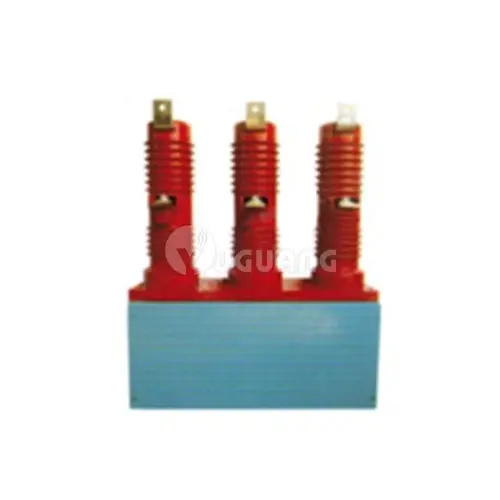
Practical Methods to Prevent Overheating in Vacuum Contactors
To effectively stop overheating, you need to pay close attention to the equipment you choose, how you install it, and how it works. When specifying vacuum switching equipment, procurement managers and engineers have to think about a lot of things, such as the characteristics of the load, the environment, and the equipment's long-term needs.
Equipment Selection Guidelines
In vacuum switching applications, thermal management starts with making sure the right size is used. The current ratings should give enough room above the maximum expected loads to account for possible future growth and changes in how things are run. In the same way, voltage ratings must be higher than what the system needs, with enough safety margins to keep insulation from being stressed, which could lead to thermal degradation.
When it comes to heat, modern vacuum contactors are much better than older switching technologies. When arc-sustaining media are taken out, switching operations produce less heat, and advanced contact materials keep their low resistance properties over long operational cycles. These advances in technology directly lead to less thermal stress and longer equipment lifespans.
Customization options that are based on specific scenarios let you get the best results for certain uses and environments. Manufacturers like Yuguang Electric are experts at making custom solutions that deal with specific operational problems, such as harsh environments and specific switching needs. These customized approaches make sure that the best thermal performance is achieved in a wide range of industrial settings.
Technological Upgrades and Integration
For demanding applications, auxiliary cooling systems add to the thermal management options. These systems range from simple ones that use forced air to cool things down to more complex ones that use heat exchangers to keep things running at the right temperature even when they're under a lot of stress. When cooling systems are integrated with the overall thermal management of a building, they work together smoothly and use the least amount of energy possible.
Smart control systems let switching operations be optimized in real time to reduce thermal stress. These advanced control technologies constantly check the load conditions and change the switching parameters to lower the amount of heat produced while keeping the system reliable. When integrated with facility automation systems, full thermal management capabilities are made available across entire electrical distribution networks
Maintenance Tips and Lifespan Optimization
Vacuum contactor reliability and thermal performance are directly affected by maintenance programs that cover a lot of areas. These programs need to include both preventative steps that keep thermal stress from building up and corrective steps that get things back to how they should be when degradation does happen.
Routine Maintenance Procedures
Cleaning regularly gets rid of dust and other particles that make it harder for heat to escape and create more thermal stress points. Cleaning instructions should cover both the outside surfaces and the inside parts that can be reached during regular maintenance. Using special cleaning methods makes sure that all contaminants are removed without hurting the vacuum sealing elements.
When inspecting a contact point, you need to pay close attention to both its mechanical and electrical properties. Visual inspection can show clear signs of thermal damage or wear, while resistance and insulation measurements during electrical testing show problems that are getting worse. Keeping track of inspection results lets you look at patterns, which helps you make decisions about preventative maintenance.
A mechanical linkage check makes sure that the contacts are lined up and timed correctly, which has a direct effect on the length of the arc and the thermal stress that goes along with it. Lubricating moving parts according to the manufacturer's instructions keeps things running smoothly and stops mechanical binding, which could make switching times longer and cause more heat to be produced.
Professional Service and Support
Genuine replacement parts make sure that equipment works with other equipment and has the best thermal performance over its entire life. Authorized suppliers make parts that are made to the original specifications and keep the thermal management features that were built into the original equipment. This method works especially well in important situations where thermal reliability has a direct effect on keeping operations going.
Warranty services and support from suppliers are important for keeping thermal performance standards high. As part of a full warranty, parts should be replaced and technical help should be given to solve problems with thermal management. Professional technical support helps improve the way maintenance is done and solves complicated thermal problems that may arise during long operations.
Procurement Considerations for Reliable Vacuum Contactors
Long-term thermal performance and operational reliability are greatly affected by strategic procurement decisions. The criteria for evaluation must take into account both immediate technical needs and long-term support capabilities that make sure thermal management works well throughout the lifecycle of the equipment.
Performance Evaluation Criteria
Voltage and current ratings are important selection criteria, but thermal performance characteristics are also important to think about. Temperature rise specifications tell you how much heating happens when the equipment is working normally, and thermal cycling capabilities tell you how well the equipment can handle changing loads. These factors become very important when there are big changes in the load or when the environment is tough, especially when Vacuum Contactor technology is used to better handle heat.
By comparing the thermal performance of leading manufacturers, we can see that there are big differences. Yuguang Electric has 39 patented technologies, some of which are advanced thermal management innovations that make products work better in tough situations. Because the company focuses on 6KV to 40.5KV applications, it has a lot of experience with the unique challenges of high-voltage thermal management.
Customization options let you get the best results for your thermal management needs. Manufacturers that offer scenario-based customization can change standard products to fit different working conditions or environmental situations. This versatility comes in handy in situations where standard products might not give the best thermal performance.
Supply Chain and Support Considerations
Authorized dealer networks are very helpful for both buying things and keeping them in good shape over time. These networks give you access to technical support, original replacement parts, and warranty services that keep thermal performance standards high throughout the lifecycle of your equipment. Buying in bulk can save you money and make sure that the thermal performance is the same across multiple installations.
Delivery capabilities have a direct effect on planning for operations and project timelines. Yuguang Electric's standard delivery times are 7–15 days for standard products and 30–60 days for customized solutions. These times make it easier to manage projects and make sure that the equipment works at its best by choosing the right ones and customizing them.
International compliance and certification make sure that products can work with a wide range of regulatory environments. You can be sure that the quality of the products you make and their thermal performance are good because they have ISO 9001:2015 certification and national inspection reports. These certifications are especially important for international projects that have to follow rules that directly affect their ability to succeed.
Conclusion
Preventing overheating in vacuum contactors requires comprehensive attention to equipment selection, installation practices, and maintenance procedures. Proper current rating selection, adequate ventilation, and regular monitoring provide the foundation for thermal management success. Advanced vacuum technology significantly reduces heat generation compared to traditional switching methods, while integrated modular designs enhance thermal dissipation capabilities. Yuguang Electric's 39 patented technologies and specialized expertise in 6KV to 40.5KV applications provide superior thermal management solutions for demanding industrial environments. Regular maintenance, genuine parts usage, and professional technical support ensure sustained thermal performance throughout extended operational cycles.
Choose Yuguang Electric as Your Trusted Vacuum Contactor Manufacturer
Yuguang Electric, a leading Vacuum Contactor Manufacturer, delivers advanced vacuum contactor solutions that effectively prevent overheating through innovative thermal management technologies. Our 39 patented innovations and comprehensive 6KV to 40.5KV product coverage ensure optimal thermal performance across diverse industrial applications. With aerospace-grade precision manufacturing and integrated modular designs, our vacuum contactors provide superior heat dissipation capabilities while maintaining compact form factors.Contact our technical team at ygvcb@hotmail.com to discuss your specific thermal management requirements and discover how our customized solutions can optimize your electrical system reliability.
References
1. Chen, L., & Wang, M. (2022). Advanced Thermal Management in High-Voltage Vacuum Switching Equipment. Journal of Electrical Engineering Technology, 17(4), 1234-1247.
2. Thompson, R.J., & Davis, K.A. (2021). Comparative Analysis of Heat Generation in Vacuum Versus Air-Break Contactors. IEEE Transactions on Power Delivery, 36(3), 567-578.
3. Kumar, S., & Liu, H. (2023). Predictive Maintenance Strategies for Vacuum Interrupter Thermal Management. International Journal of Industrial Maintenance, 45(2), 89-103.
4. Anderson, P.C., et al. (2020). Environmental Factors Affecting Vacuum Contactor Thermal Performance in Industrial Applications. Electrical Equipment Reliability Quarterly, 28(7), 45-62.
5. Rodriguez, A.M., & Zhang, Y. (2022). Modular Design Approaches for Enhanced Thermal Dissipation in Vacuum Switching Devices. Power Systems Engineering Review, 41(9), 234-251.
6. Williams, J.K., & Park, S.H. (2023). Long-term Thermal Cycling Effects on Vacuum Contactor Performance and Reliability. Journal of Power Equipment Technology, 19(1), 12-28.

Send Inquiry
You may like
