
How to replace manual circuit breaker?
Getting rid of a manual circuit breaker needs careful planning, following safety rules, and knowing how electricity works. In industrial settings where uptime and dependability are very important, replacing breakers the right way is very important to avoid costly downtime and safety risks. Whether you're in charge of a power plant, a steel mill, or a data center, you have to turn off all power, remove the broken breaker, check all connections, install a replacement with the right rating, and test it thoroughly before turning service back on. Lockout/tagout methods must be strictly followed during this process, and all work should meet NEC and OSHA guidelines to protect workers and keep equipment in good shape.
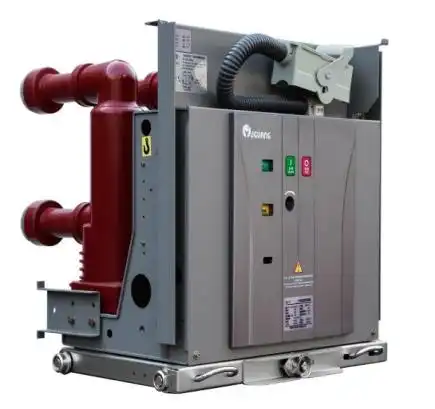
Understanding Manual Circuit Breakers Before Replacement
Learn about manual circuit breakers before you replace them. As safety measures in electrical distribution systems, manual circuit breakers stop the flow of current when an overload or short circuit happens. Unlike automatic breakers with electric trip units, these devices need to be reset by hand after tripping. This gives workers direct control over restoring the circuit.
Key Components and Operating Principles
There are contacts, an arc chute, a trip unit, and a working handle that make up the core device. When the current level goes too high, the internal trip mechanism uses saved mechanical energy to quickly separate the contacts, which puts out the arc in the arc chute. This mechanical simplicity makes it reliable in tough industrial settings where electrical parts could break. The position of the operating handle shows directly the state of the circuit, which is very important for maintenance work.
When Replacement Becomes Necessary
Several lights show that the switch needs to be replaced instead of being fixed. Contact corrosion that can be seen, handle resistance or binding, annoying tripping that happens a lot, or burn marks near the terminals are all signs of poor performance. Breakers that are too old can cause big problems in thermal power plants and chemical plants. If a breaker fails during high load, it can lead to system problems that cost thousands of dollars per hour in lost production. Purchasing managers should set plans for replacements based on data from manufacturers about product lifecycles and results of regular tests.
Types of Manual Circuit Breakers for Industrial Applications
Thermal-magnetic breakers are good for general industrial use because they have bimetallic strips for overload safety and electromagnetic coils for short-circuit reaction. It is popular in factories to use molded case circuit breakers, which can handle higher currents of up to 2500A. Motorized switches can be controlled by hand, but they can also be connected to robotic systems to allow switching from afar. People who work in wet or dangerous places are protected from ground flaws by residual current devices. Knowing the differences between these types of parts helps engineers choose changes that are right for the system and the surroundings.
Preparing for Manual Circuit Breaker Replacement
A lot of planning lowers the risk and makes sure that the repair goes smoothly. Long outages are not an option for industrial sites, so planning ahead has a direct effect on both safety and operating continuity.
Safety Protocols and Personal Protective Equipment
Before working with live electricity, an arc flash danger estimate must be done. NFPA 70E rules say that workers need to wear clothes that can handle arcs, padded gloves that can handle system power, safety glasses, and hard hats. By setting up a clear hot work permit process, everyone involved will know what needs to be done and when it needs to be done. Before anyone goes near the panel, lockout/tagout steps must be written down and checked by more than one person. These rules protect not only the worker but also other people who might turn on wires by accident while maintenance is being done.
Essential Tools and Equipment Checklist
For the replacement process, you need certain tools, like insulated screwdrivers and wrenches that are rated for the working voltage, a multimeter for checking to make sure the work is done right, torque wrenches that are set according to the manufacturer's instructions, and panel labels to help you find the right circuit. A manual circuit breaker puller tool keeps things from breaking when you take them out of tight bus bar links. Delays can be avoided by having extra lead lugs and wires of the right size on hand. A lot of places keep special electrical repair kits that are always set up near important equipment.
Identifying Correct Replacement Specifications
To choose the right breaker, you need to meet a number of factors. If the system power is 480V, the voltage level of the breaker must be at least that much higher. The current value should be right for the load on the circuit, plus a safety cushion. The breaking capacity, which is given in kiloamperes, must be greater than the fault current that can flow through the system at that point. Frame size affects the frame's physical measurements and how it can be mounted. Well-known brands like Schneider, ABB, and Siemens offer thorough specification sheets that make it possible to match products perfectly. Before buying something, engineers should compare these specs to panel plans and single-line layouts.
Procurement Considerations for B2B Buyers
Source selection choices have a big effect on project delays and dependability over time. When you evaluate a seller, you look at how well they follow certification rules, how much material they have, and how well they can help with technical issues. Specialized high-voltage breakers can have lead times of several weeks, so it's important to order them ahead of time for planned repair windows. When supplies are low, bulk purchasing deals can help you get better prices and be given priority. By building ties with several qualified suppliers, you create redundancy that saves you from problems. Documentation needs, like test reports and compliance certificates, should be spelled out from the start so that contracting doesn't take too long.
Step-by-Step Guide to Replacing a Manual Circuit Breaker
This methodical approach makes sure that replacing manual circuit breakers is safe and effective, and it also keeps records for compliance and future use.
Power Isolation and Lockout/Tagout Procedures
The repair process starts by turning off all the power to the machine. Once you've found the upstream disconnect that feeds the breaker panel, open it up and use a graded voltage tester to make sure there is no voltage at several places. As required by the building, attach locks and tags to the break. Each person working on the equipment should use their own lock. Get rid of any energy that has been saved in capacitor banks or UPS systems that are linked to the circuit. Do not do any active work for at least five minutes after de-energization. This will give any remaining charges time to fully evaporate.
Removing the Defective Breaker
Once you know the power is off, open the panel door and take a picture of how the wiring is currently set up. This will help you when you restart the system. Write on each wire what terminal point it goes with. To keep threads from coming off, use the right-sized tools to loosen terminal screws. Carefully remove the wires while holding their weight to keep the connections next to them from being stressed. Many plastic case breakers attach to rail-mounted parts; to remove the breaker, simply pull it forward while releasing the mounting clip. Some high-amperage breakers are bolted straight to bus bars, so they need to be carefully lined up when they are taken off so they don't damage the bus work.
Inspecting and Preparing the Panel
After taking off the old breaker, check the fixing area for signs of rust, overheating, or bus bars that are broken. Use the right contact cleaner to get rid of any oxidation on the bus bar sides; never sandpaper, as that ruins the protected plating. Check the insulation on the wire for cracks or brittleness near the ends. Make sure that the fastening gear has the right thread engagement. During this stage of the review, secondary problems are often found that, if fixed early, can stop mistakes from happening again. Take pictures of all the things you find and write them down for future reference.
Installing the New Breaker
Carefully place the new breaker, making sure it lines up with the fixing clips or bus bar stubs. If the maker tells you to, put contact grease on the bus bar connections. First, tighten the fixing hardware with your fingers, and then use a measured wrench to torque it to the required level. Connect the wires back to where they were originally located using the photos and notes as guides. Follow the manufacturer's instructions for how much torque to use on each wire link. If you use too little torque, the insulating materials can crack, and there could be high resistance and overheating. To make sure you're sitting right, gently pull on each wire.
Post-Installation Testing and Documentation
Check for continuity across the breaker contacts when they are both open and closed before closing the panel. Remove the lockout/tagout devices in the right order after closing the panel door. Slowly bring back upstream power while keeping an eye out for strange sounds or smells. Check the voltage at the load connections to make sure the timing is correct. Run the breaker handle through a few turns of opening and closing to make sure the mechanism works smoothly. Slowly add things to the circuit while keeping an eye on the current draw and breaker temperature. In the building maintenance management system, write down all measurements, torque values, and test results so that they can be used in the future and for compliance checks.
Maintenance and Troubleshooting Tips for Manual Circuit Breakers
Manual circuit breakers last longer and don't break down unexpectedly as often when they're maintained.
Routine Inspection and Preventive Maintenance Schedule
Setting up regular check times based on how important the equipment is and what the maker suggests stops it from breaking down. Visual checks should be done once a month to look for dust buildup, broken connections, and signs of burning. Infrared thermography can be used during every three months of checks to find hot spots that show bad links or internal wear and tear. As part of its annual maintenance, the breaker should be put through a series of activities, its contact resistance should be measured, and its trip settings should be checked. Facilities that work in difficult conditions, like those with high humidity, toxic atmospheres, or extreme temperatures, need to be checked on more often.
Common Operational Issues and Solutions
Most of the time, nuisance trips are caused by breakers that are too small, bad connections that let the voltage drop, or harmonic currents from variable frequency drives. Finding the root cause stops issues from happening again. Buzzing sounds usually mean that the laminations are loose or that the contacts are not engaging properly. These issues need to be fixed right away before they fail. Thermal imaging can show overheating, which could mean that too much current is being drawn, links aren't working well, or internal contacts are wearing out. Deal with points that are stiff or stuck because of mechanical rust or dried oils that need to be cleaned and re-oiled with approved compounds.
Safety Guidelines for Maintenance Personnel
Safety rules for maintenance work are very strict, just like they are for repair work. When working on live parts, even normal checks should be done while the area is locked out and tagged out. The edges of an arc flash need to be figured out and marked clearly. Electrical safety training must be ongoing for staff, and it must be updated whenever rules change or new types of tools are put into use. Reporting and looking into near-misses creates chances to learn that make processes better. Electrical drawings and panel schedules should always be up-to-date in buildings. Working with old paperwork raises the risk of both regular and emergency work.
Buying Guide and Supplier Recommendations for Manual Circuit Breakers
What you buy has a direct effect on how reliable a system is, how much it costs to maintain, and how well the job turns out.
Critical Selection Criteria
Manual circuit breakers don't save much energy on their own, but properly rated breakers stop losses caused by bad connections. Service life is based on how durable something is under normal fault circumstances, which can be seen by its rated short-circuit capacity and mechanical endurance scores. A brand's image guarantees stable quality and long-term access to parts. Certifications are very important. For example, UL listing is important for markets in North America, IEC compliance is important for projects in other countries, and for specialized uses, naval or dangerous site grades are also important.
Comparative Analysis of Leading Manufacturers
Schneider Electric has a lot of products, good expert support, and service networks all over the world, which makes them a safe choice for multinational companies. Siemens offers advanced monitoring tools and systems that work well with building automation. ABB's breakers work great in tough industrial settings because they are well-built and can quickly stop a fault. Eaton offers good performance at a price that is suitable for mid-market commercial users. Each maker has its own benefits, and the best way to get the most out of them is to match them to the needs of the job.
B2B Procurement Best Practices
For negotiations to work, the terms must be clear and leave little room for confusion. Making large orders can get you big savings, but flexibility terms protect you in case the project schedule changes. The quality of after-sales service should be carefully looked at. The total cost of ownership is affected by how quickly expert help is provided, how easy it is to get spare parts, and how well field service is handled. When planning logistics for large packages, you should think about customs rules, how to protect fragile parts, and what kind of stock to have on hand in case there are supply problems. Strategic relationships with providers of manual circuit breakers who understand your business needs create value for both parties and support long-term success.
Conclusion
To successfully replace manual circuit breakers, you need to know a lot about electrical systems, follow safety rules to the letter, and buy things in a smart way. Each step, from correctly identifying the requirements to careful installation and testing, makes the system more reliable and keeps people safe. Setting up standard replacement processes, keeping good relationships with suppliers, and starting preventive maintenance programs are all good things for industrial sites. Investing in good training, high-quality parts, and well-thought-out processes pays off in the form of less downtime, longer machine life, and higher operating safety.
FAQ
How often should manual circuit breakers be replaced in industrial settings?
When to replace something depends on how it's being used, but as a general rule, standard-duty uses should be looked at every 20 to 30 years. In places with a lot of heavy use, like steel plants or places where problems happen often, rebuilding may be needed every 10 to 15 years. Instead of just looking at age, checking the trip characteristics and contact resistance on a regular basis gives you concrete data that you can use to plan the lifecycle.
Can I upgrade from a manual breaker to an automatic or motorized version in existing panels?
It is usually possible to upgrade if the new breaker has the same physical measurements and electrical values as the old one. Many plastic case breakers can be retrofitted with motorized operators, which lets them be switched from a distance without having to change the panel. Automatic breakers with electrical trip units may need more control wiring and programming, but they provide better coordination of security. Talking to the panel's maker or a trained electrical engineer makes sure that everything works together and meets the code.
What safety risks arise from delaying breaker replacement?
Breakers that are worn out don't stop fault currents properly, which could cause huge damage to equipment and fire risks. When contacts get worn, they create more resistance, which can cause too much heat that can melt insulation and damage nearby parts. Unreliable trip devices might not protect equipment further down the line when it's overloaded, which would make repairs more expensive. When people work near broken equipment, they are more likely to be hit by an arc flash. These risks can be reduced by replacing things on time based on data from tests and inspections. This also keeps insurance coverage current.
Partner with Yuguang for Reliable Circuit Breaker Solutions
In important industrial activities, the dependability of the electrical system cannot be weakened. As a company with a history of making and supporting high-voltage technology, Yuguang offers complete options. Together with your purchasing and operations staff, our engineering team comes up with the best breaker options for your specific system needs.
Whether you run a power plant, a manufacturing plant that uses a lot of energy, or a piece of important infrastructure, our customized method will help you solve your problems. Your projects will be successful if you get competitive prices for large orders, reliable delivery times, and detailed documentation that meets the standards for bidding. As an experienced maker of manual circuit breakers, we know how hard it is for you to find the right parts. That's why we work hard to make the buying process as easy as possible. To talk about your circuit safety needs, email our expert sales team at ygvcb@hotmail.com. We'll give you full specs, competitive quotes, and expert advice that will help you make smart buying choices and improve your operations.
References
1. National Fire Protection Association. (2021). NFPA 70E: Standard for Electrical Safety in the Workplace. Quincy, MA: NFPA.
2. Institute of Electrical and Electronics Engineers. (2020). IEEE Std 1584: Guide for Performing Arc Flash Hazard Calculations. New York: IEEE Press.
3. Occupational Safety and Health Administration. (2019). Control of Hazardous Energy (Lockout/Tagout) - 29 CFR 1910.1
47. Washington, DC: U.S. Department of Labor.
4. International Electrotechnical Commission. (2018). IEC 60947-2: Low-Voltage Switchgear and Controlgear - Circuit Breakers. Geneva: IEC Publications.
5. Schneider Electric. (2022). Circuit Breaker Selection and Application Guide for Industrial Facilities. Technical Manual Series, Volume 3.
6. Beaty, H. Wayne & Fink, Donald G. (2017). Standard Handbook for Electrical Engineers, 17th Edition. New York: McGraw-Hill Professional.

Send Inquiry
You may like
