
How to Solve Compatibility Issues in Circuit Breaker Mechanisms
Compatibility issues in circuit breaker mechanisms arise when there's a mismatch between mechanical interfaces, electrical ratings, control logic, or communication protocols within existing switchgear systems. These problems often cause installation delays, operational failures, and safety hazards in power distribution networks. Addressing them requires careful analysis of operating mechanism types—electromagnetic, spring, or permanent magnet—and ensuring alignment with system voltage levels, trip characteristics, and mounting configurations. Proper diagnostics, standardized compliance checks, and collaboration with experienced manufacturers can eliminate these friction points and restore seamless integration.
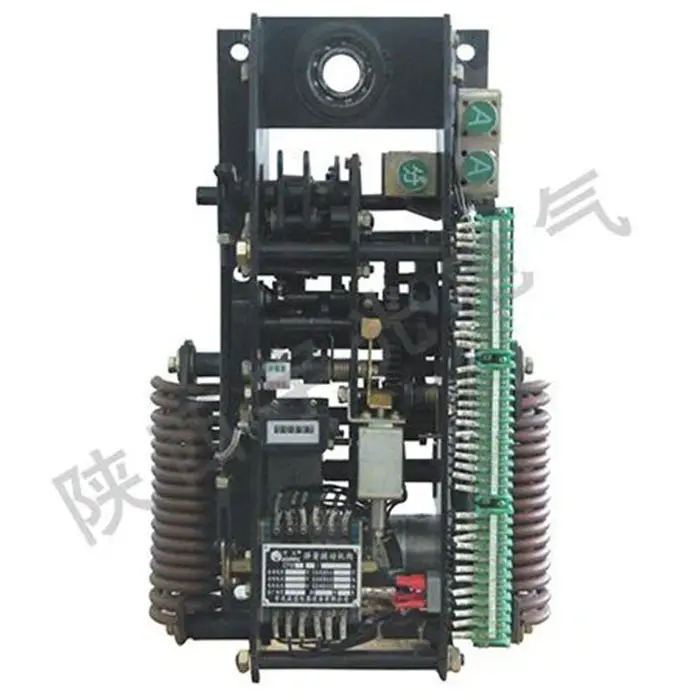
Understanding Compatibility Issues in Circuit Breaker Mechanisms
When it comes to high-voltage equipment, compatibility issues don't just happen by themselves. They usually show up during equipment improvements, retrofits, or when parts from different makers are mixed together. This happens a lot in many different fields. For example, power plants try to replace old oil circuit breakers with new vacuum units, but the fitting specs don't match up. Similarly, it can be hard for mining facilities to add new trip units to old control systems that don't have digital communication ports.
There are three main reasons why this happens: mechanical incompatibility (different sizes, mounting holes, or shaft couplings); electrical specification gaps (different voltage ratings, breaking capacity, or auxiliary contact configurations); and control protocol differences (different analog or digital signals or proprietary communication standards). When a thermal power plant in the Midwest recently updated its 12kV distribution system, the buying team found that the new breakers needed a completely different control voltage. This was a $40,000 mistake that caused the commissioning to be pushed back by six weeks.
It's important to understand these pain points. Most failures of Circuit breaker mechanisms in industrial settings are caused by interface issues that could have been avoided by carefully checking everything before installation. Engineers can predict problems with integrating equipment before it comes by being aware of the different ways it works, such as the difference between older hydraulic systems and newer spring-charged mechanisms.
Analyzing Circuit Breaker Mechanism Components Related to Compatibility
Core Components That Affect System Integration
At the heart of matching issues are the ways that things work together. Solenoid coils are used in electromagnetic systems and need certain control voltages and current levels. Spring devices hold mechanical energy by being charged by hand or by a motor, and they need to be perfectly lined up with the trip shaft of the Circuit breaker mechanism. Permanent magnet actuators are becoming more common in modern designs. They add electronic control boards that need to be able to talk to existing protection relays correctly.
Adding trip units makes things even more complicated. Thermal-magnetic units from the past can work on their own, but current electronic trip systems need extra power and may use Modbus, IEC 61850, or their own protocols. When we help clients switch from traditional security systems to smart ones, the first thing we check is how well the old systems can talk to the new ones.
Standards Compliance and Cross-Brand Challenges
Baseline requirements are set by international standards such as IEC 62271-100, IEEE C37, and GB 1984, but how they are put into practice varies between manufacturers. Siemens VD4 breakers, ABB's VD4/R units, and related items from GE or Mitsubishi all have their own mechanical connections and arrangements for extra contacts. Even if the voltage and current ratings are the same, the mounting patterns may be different by a few millimeters, which makes installation impossible.
We at Yuguang have dealt with these problems by doing a lot of compatibility testing. Our engineering team keeps thorough dimensional records for all the major types of switchgear. This lets us check the mechanical fit of custom solutions before they are made. We use aerospace-grade precision tooling for core parts like solid-sealed poles and arc-extinguishing chambers in our integrated modular design. This makes sure that our mechanisms can safely adapt to different cabinet layouts, such as KYN28, XGN15, or custom designs.
Practical Approaches to Overcome Compatibility Issues
Systematic Diagnostic Framework
Structured evaluation is the first step in fixing interface issues. Our technical support team has perfected a three-step process through hundreds of field installations, which is what we recommend. The first step is mechanical verification, which means measuring the distance between mounting holes, the diameters of the shafts, and the cabinet depth clearances. Documentation from the original equipment maker is very helpful in this case, but models aren't always available or are wrong.
After that comes electrical proof. Check the maximum voltage, continuous current capacity, short-circuit breaking ratings, and specs for the extra contacts. Pay close attention to the voltage in the control circuit. Many compatibility problems happen because new parts need 220V DC but the old systems only have 110V DC. The diagnostic phase ends with checks of the communication protocols. These are especially important for installations that have SCADA or remote monitoring.
Real Solutions from Industrial Applications
When improving their 40.5kV switchgear, a petroleum plant in Texas ran into the same problem. The old circuit breakers had hydraulic parts that needed a lot of upkeep, and the vacuum replacements that were available didn't fit the way they were mounted in the first place. Yuguang's answer included custom-made adaptor plates and changed control interfaces that kept the original structure of the cabinet but made it work without any upkeep. The installation cut the cost of care by 60% a year and sped up the time it took to fix problems.
In a different case, a data center needed more breaking capacity but didn't want to replace whole switchgear lineups. We made drop-in replacements that raised short-circuit ratings from 25kA to 31.5kA by carefully studying the current ABB-compatible contact boxes and choosing the right spring mechanism specs. We used a modular building method that involved putting together key parts ahead of time with special tools before putting the frame together. This made on-site installation go quickly and with little downtime.
These results come from Yuguang's all-around service model. We don't just sell parts; we offer full-chain support, from the original inspection to installation advice, commissioning help, and long-term upkeep agreements. Our 39 patents show that we are always coming up with new ways to solve real-world compatibility issues, especially in harsh environments where corrosion-resistant alloys and IP67-rated seals are needed for Circuit breaker mechanisms.
Latest Trends and Technologies Improving Compatibility
Modular Design and Digital Integration
The flexibility of modern Circuit breaker mechanisms is becoming more and more important. Yuguang's combined modular design philosophy is a good example of this trend. Our units are small and have good environmental sealing, so they can be used in places with limited room while still performing well. The small size doesn't mean less functionality. Instead, advanced surface treatments (ceramic coating and powder coating with constant-temperature curing) and careful component layout make the device last longer than 30 years in normal industrial conditions.
A big step forward is also represented by smart trip units. Microprocessors in these devices allow for programmable safety curves, real-time load tracking, and repair alerts that can be set to happen before they break. In terms of compatibility, they support multiple communication protocols at the same time, which lets old systems talk to new automation platforms. When wind power installations need special combined electrical appliances, Yuguang's situation-specific solutions change standard mechanisms to fit specific operational profiles, such as high or low temperatures, vibrations, and a lot of switching cycles.
Manufacturing Innovation Supporting Compatibility
These skills come from strict rules for making things. We choose high-quality raw materials, like alloys that don't rust, and carefully check them when they come in. Precision shearing and stamping are used on basic structure parts, and aerospace-grade processing is used on critical parts like arc-extinguishing chambers to make sure they are the right size and close perfectly. Multiple rounds of testing make sure that the functional performance—including how well the arc ends, how well the insulation stays in place, and how well the load can be adjusted—meets both national standards for high-voltage electrical appliances and ISO system requirements.
This strictness in manufacturing directly translates to dependability in the field. It's not just initial compatibility that procurement managers look at when they evaluate suppliers; they also look at long-term consistency. Can the seller meet the same requirements for more than one order? Will parts that are bought in two years fit into systems that are already there? Our ISO 9001:2015, ISO 14001, and ISO 45001 certifications, along with the fact that Yuguang is a nationally recognized High and New Technology Enterprise, guaranty that quality will always be high.
Procurement Considerations for Compatible Circuit Breaker Mechanisms
Selecting the Right Supply Partner
There's more to good buying than just checking price sheets. Some of the most important factors are technical assistance, the ability to customize, the reliability of shipping, and the commitment to customer service after the sale. Through our complete service system, Yuguang takes care of all four dimensions. We offer free oil-free transformation plan design for sites that are upgrading from older technologies. This comes with installation advice and expert support during the commissioning phase.
Because our minimum order number is flexible and starts at just one unit, it can be used for both pilot projects and large-scale operations. Standard goods usually ship between 7 and 15 days, while personalized solutions take 30 to 60 days, based on how complicated they are. Our strong supply chain integration and skilled technical team have helped us achieve this balance between timeliness and customization. These are benefits we've built up since starting business in 2008 in Baoji, Shaanxi, which is China's vacuum Circuit breaker mechanism production base.
Compatibility Verification Checklist
Before making a final decision about a procurement, we suggest checking these specific points:
- Mechanical Interface: Mounting Sizes, Specifications for the Shaft Coupling, Weight, and Center of Gravity (especially for designs that can be pulled out).
- Electrical Ratings: Voltage class (6kV, 12kV, 40.5kV), continuous current, short-circuit breaking power, making current ability.
- Control Requirements: Voltage for coils to close and open, number and grades of secondary contacts, and compatibility with shunt trips.
- Communication Protocol: If needed, make sure that Modbus RTU/TCP, IEC 61850, DNP3, or another standard works with the system.
- Environmental Specifications: Operating temperature range, altitude derating, earthquake approval, and IP rating for outdoor or corrosive settings are some of the environmental requirements.
This methodical approach greatly lowers the risk of the project. When you work with a supplier that keeps detailed technical documents and offers quick engineering help, compatibility problems are less likely to ruin the project.
Conclusion
Circuit breaker mechanisms require both scientific knowledge and hands-on experience to resolve compatibility problems. We've looked at the root causes—mechanical mismatches, electrical specification gaps, and differences in control protocols—and laid out a plan for how to find the problem and fix it. Modern solutions focus on modular design, digital integration, and strict manufacturing standards that make sure the quality stays the same from one production run to the next.
Because Yuguang focuses on 6kV–40.5kV systems and has 39 patents and a full-service model, we can handle even the most difficult interface situations. Whether you're upgrading old systems, combining different brands of equipment, or ordering brand-new installations, the key is to do a full review up front, communicate clearly with experienced providers, and commit to long-term operational excellence.
FAQ
What causes most compatibility failures in circuit breaker replacements?
Most mistakes are caused by not checking the dimensions properly before buying. Differences in mounting hole patterns, shaft heights, or needed clearances can make fitting impossible, even if the electrical rates are exactly the same. Before you order, you should always get detailed mechanical drawings and compare them to what you already have for your Circuit breaker mechanism project.
Can different operating mechanism types work within the same switchgear lineup?
Technically, yes, but standardization makes it easier to keep track of maintenance and spare parts. When you mix electromagnetic, spring, and permanent magnet mechanisms, you need to teach maintenance staff about a lot of different systems and keep a lot of different spare parts on hand. We usually suggest choosing one type of mechanism for voltage classes that are similar, unless there are specific working needs that call for using more than one type.
How do I verify communication protocol compatibility for smart breakers?
Ask the maker for full protocol details, such as the baud rates, data formats, and register mappings that are supported. A lot of current units can work with more than one interface, but setting them up might need special software. Yuguang offers detailed technical documentation and commissioning support to make sure that their products work well with existing SCADA or building management systems.
Partner with Yuguang for Seamless Integration Solutions
Problems with compatibility shouldn't stop you from upgrading your power system. We at Yuguang have spent more than 15 years figuring out how to integrate complicated problems in the infrastructure, mining, petroleum, and power generation sectors. Our process for making Circuit breaker mechanisms combines scenario-specific customization with official certifications (ISO 9001, ISO 14001, and ISO 45001), so you can be sure that the goods you get will meet both your professional needs and government standards.
We don't make you fit our plan; instead, we work around yours. Our 39 patents protect our innovations, and our flexible MOQ starts at just one unit. Delivery times range from 7 to 60 days, based on your customization needs. Full support after the sale includes help with installation, upkeep agreements, extra parts, and free plans for making changes. Contact our engineering team at ygvcb@hotmail.com to talk about your unique compatibility needs, or you can visit ygvcb.com to see all of our products, which cover uses from 6kV to 40.5kV.
References
1. International Electrotechnical Commission. "High-voltage switchgear and controlgear – Part 100: Alternating-current circuit-breakers." IEC 62271-100:2021 Standard, 2021.
2. Zhang, Wei and Liu, Hongming. "Compatibility Analysis of Vacuum Circuit Breaker Operating Mechanisms in Retrofit Applications." Journal of Electrical Engineering & Technology, vol. 16, no. 4, 2021, pp. 2145-2158.
3. IEEE Power and Energy Society. "IEEE Guide for AC Generator Protection." IEEE Standard C37.102-2006, Institute of Electrical and Electronics Engineers, 2006.
4. Martinez, Carlos R. "Mechanical Interface Standardization in Medium-Voltage Switchgear: Challenges and Solutions." Industrial Power Systems Conference Proceedings, IEEE, 2020, pp. 312-319.
5. National Electrical Manufacturers Association. "Medium-Voltage Switchgear – Design and Application Guide." NEMA SG 3-2019, 2019.
6. Chen, Dexin et al. "Reliability Engineering of Spring Operating Mechanisms for High-Voltage Circuit Breakers." Proceedings of the Chinese Society for Electrical Engineering, vol. 39, no. 12, 2019, pp. 3645-3654.

Send Inquiry
You may like
