
How Vacuum Switch Systems Work in Your Engine
When defining high-voltage control systems for industrial power distribution, it is important to understand how vacuum-based switching technology works. A vacuum switch has a sealed room where the electrical contacts open and close in a nearly vacuum environment. This eliminates the risks of arc spread that come with switches that are filled with air or oil. This basic idea guarantees better dielectric recovery, less maintenance, and longer operational lifecycles. This is especially important for facilities that handle thermal generation, substation infrastructure, or heavy manufacturing loads, where unplanned downtime directly leads to lost revenue and safety risks.
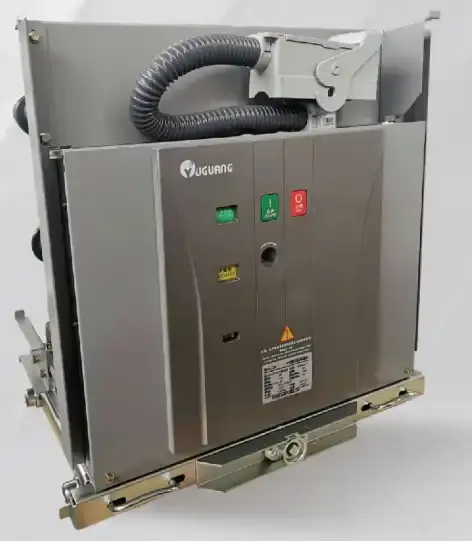
Understanding Vacuum Switch Systems in Engines
What Is a Vacuum Switch and Its Core Functions
When medium and high voltage power is distributed, vacuum switching devices protect and isolate the system by stopping fault currents and keeping the system's integrity. These parts work with voltages from 6KV to 40.5KV and control charge currents, load currents, and short-circuit breaks.
The main job is to stop the spark in the vacuum interrupter chamber, where metallic gas ionization quickly goes away when the contacts separate. This technology solves the problem of buying compatible equipment by providing flexible designs that can be easily added to current switchgear setups without having to make major changes to the infrastructure.
Working Principle in Power Distribution Context
The process starts when a triggering device, which is usually a permanent magnet operator, separates the contacts. Within microseconds, the vacuum gap puts out the electrical spark by rapidly deionizing it, since there is no medium that can keep it going. This is very different from gas-insulated or air-break switches, which need complicated arc chutes or SF6 gas handling procedures. The permanent magnet actuator gets rid of spring-loaded charging systems that break down over time. This directly solves repair problems that operations teams that are in charge of spread power assets or industrial feeds have.
Distinguishing Vacuum Switches from Pressure Sensors and Related Devices
People who work in procurement often get vacuum interrupter technology and vacuum sense equipment mixed up. Vacuum circuit breakers and load break switches directly stop current lines with high-voltage contacts that can handle thousands of amps. Vacuum monitors, on the other hand, only measure changes in pressure for monitoring reasons. The first group, which includes Yuguang's 6KV-40.5KV products, is made up of a single unit that includes motor working parts, current-carrying wires, and arc-quenching chambers. Knowing this difference keeps you from making design mistakes that throw off project schedules and costs.
Key Applications Across Industrial Sectors
Vacuum switching technology is essential in situations where a lot of tasks need to be done without any problems. These devices are used in wind power sites to protect the feeders to the turbines, where quick connect/disconnect cycles happen when the generation conditions change. In petrochemical plants, vacuum contactors are used to control motors in toxic environments because their sealed construction keeps out contamination.
Urban rail transit systems use small vacuum switchgear that can fit into small substation areas. This is because they need less space than air-insulated options. Yuguang's scenario-specific customizing options directly address these different working conditions by using custom-made closing materials and housing materials.
Key Components and Working Principles of Vacuum Switch Systems
Essential Component Breakdown
The vacuum interrupter chamber is the most important part of the system. It is made up of clay or glass barriers that hold copper-chromium alloy contacts in a space with a pressure of less than 10^-4 Pa. This core is surrounded by a working mechanism that gives the touch motion its kinetic energy.
This mechanism can be electric, spring-charged, or fixed magnet. Yuguang uses permanent magnet motors in its products, which don't need any extra power and cut the number of mechanical parts by about 40% compared to spring systems. Corrosion-resistant metals that meet IP67 entry protection standards are used to build the housing. This makes sure that it works in seaside sites or chemical processing settings where regular shields fail quickly.
Step-by-Step Operational Sequence
When the control circuits turns on the permanent magnet coil, it creates magnetic flux that is stronger than the touch pressure. As the moving contact pulls back, the first arc forms, which burns off very small amounts of contact material. In vacuum switches, the arc column doesn't expand like it does in air switches, where the arc energy rises. This means that the current zero crossing happens quickly, and the dielectric recovers within half a cycle.
This device stops currents greater than 31.5kA at voltage levels of 12kV without the need for extra arc chutes or handling of shielding gas. Based on data from mining plant installs, the modular assembly method makes it possible to replace interrupter bottles in the field without having to replace the whole device. This cuts the average time it takes to fix something by 60%.
Vacuum Versus Pressure Switch Technology Comparison
Pressure-actuated switches work with gas or hydraulic signals, but vacuum interrupters only work with electromagnetic signals that control mechanical contacts inside tanks that have been emptied. reaction times for pressure switches are usually between 50 and 100 milliseconds, while reaction times for vacuum devices are less than 20 milliseconds. Another difference is how sensitive they are to their environment. Pressure switches need activation media that is clean and free of wetness, but vacuum technology doesn't care about humidity, particulate pollution, or temperature changes from -40°C to +65°C. Because it is so durable, it is used in mine activities and outdoor substations where access to repair workers isn't always possible.
Common Challenges and Maintenance for Vacuum Switch Systems
Typical Operational Issues and Diagnostic Methods
Most of the time, false triggering is caused by noise in the control circuit or not enough electromagnetic compatibility protection, not a failure of the interrupter. Diagnostic procedures start with using micro-ohmmeters to measure contact resistance. Readings higher than 500 microohms show damage that needs to be fixed. High-voltage resist verification at 42kV for one minute on 12kV-class devices is used for vacuum integrity testing.
This finds interrupter envelope leaks before they cause a catastrophic failure. Before being shipped, Yuguang's products go through several stages of testing to make sure they meet IEC 62271 and GB/T 11022 standards. These stages include functional performance proof, insulation verification, and load adaptability assessment. This strict quality control answers worries raised by buyers about the dependability of suppliers and the long-term performance of assets.
Preventive Maintenance Best Practices
For vacuum switching devices, scheduled inspections every 24 to 36 months are enough. For spring mechanisms, on the other hand, inspections every 12 months are needed. As part of regular inspections, auxiliary switch contacts are cleaned, terminal connection torque is checked, and working time is recorded to find signs of mechanical wear.
Because the interrupter is protected and the motor is self-contained, there is no need for lubrication. Spare parts supply is an important thing to think about when buying things. Yuguang keeps a stockpile of interrupter bottles, working mechanisms, and other parts that are guaranteed to be available within 72 hours around the world. This lowers the risk of long downtimes during unplanned maintenance events.
Installation and Handling Protocols
Installation mistakes are still the main reason why all brands break down too soon. To make sure the contact pressure is spread out evenly and the actuator is lined up correctly, the mounting position must be exactly as the maker specifies. Bus connections have strict torque requirements that must be followed to the letter.
Not tightening enough creates high-resistance joints that can boil, and using too much force harms contact surfaces. Yuguang offers installation instructions, paperwork, and on-site technical help for complicated repair projects. This solves the problem that procurement teams have when sellers only offer product transactions: they don't offer enough technical support.
Selecting the Right Vacuum Switch for Your Engine: A Procurement Perspective
Critical Technical Selection Factors
When choosing a voltage class, start with the baseline values of the system and add a safety range of one standard level above the working voltage. For example, 12kV equipment for 11kV systems would be used. The current values need to take into account both long-term heat loads and short-circuit stopping duty. They also need to include uneven breaking capacity to handle initial fault transients.
Choosing the right operating mechanism has a big effect on the overall cost of ownership. Permanent magnet types don't need charging motor upkeep and use almost no extra power, while spring mechanisms need 100–300W during charging cycles. Yuguang covers voltages from 6KV to 40.5KV and has 39 protected innovations in sealing technology and arc extinction optimization. These innovations give buying teams one-stop vacuum switch solutions, which makes managing vendors easier.
Procurement Process Considerations
Managing lead times can be hard when trying to keep product prices and project plans in balance. Standard vacuum circuit breaker configurations can be shipped within 7–15 days. Customized kits with special fastening features or extra contact configurations, on the other hand, take 30–60 days.
Competitors require multi-unit agreements, but our minimum order numbers start at just one unit, which allows for test setups and phased upgrade programs. Warranty terms should cover both replacing parts and guaranteeing performance. For example, Yuguang gives installation help, maintenance agreements, and free modification plans to cover any changes that need to be made after the system is fully operational.
Supplier Evaluation Framework
Along with product specs, a supplier review must also look at the seller's ability to make things and their quality processes. ISO 9001:2015 certification gives you basic peace of mind, while sector-specific certificates, such as those for high-voltage electrical appliances, show that you know what you're doing. Yuguang is a national high-tech company that has multiple utility model patents and intellectual property management standardization approval.
This shows that the company continues to spend in research and development rather than using standard manufacturing methods. For multinational projects to work, cross-border service is necessary. For example, technical documentation in the language of the customer, following international packaging rules for ocean freight, and having regional networks for distributing spare parts are some of the things that set strategic suppliers apart from transactional vendors.
Enhancing Engine Performance with Advanced Vacuum Switch Technologies
Latest Design Innovations
Modern work on vacuum switch interrupters focuses on making the contact materials better and the actuators more efficient. Copper-chromium alloys can now withstand 30,000 mechanical processes without showing any signs of wear, which doubles the lifespans of previous generations. Compared to separate component kits, integrated modular construction has a 25% smaller size, which makes it possible to retrofit within existing panel holes.
Yuguang's aerospace-grade precision processing of arc-extinguishing chambers and solid-sealed poles guarantees measurement limits below 0.02mm, which gets rid of alignment problems that cause wear to happen too soon. Surface treatments like ceramic coating and powder coating that cures at a steady temperature make things less likely to rust. This is especially useful in sea settings or chemical plants where regular finishes break down in months.
Quality Verification and Testing Protocols
Strict validation includes more than just following the rules; it also includes simulating real-life operating situations. During arc quenching performance testing, rated short-circuit currents are passed through interrupters during multiple processes. This makes sure that the dielectric recovery stays the same over the life of the machine. Load flexibility tests run devices under different power factors, ranging from 0.7 lagging to 0.9 leading, simulating starting motors and swapping capacitors.
To get environmental approval, the temperature has to go from -40°C to +85°C, the humidity has to be exposed to 95% relative humidity, and the product has to be tested for vibrations according to IEC 60068 standards. These detailed procedures make sure that Yuguang goods meet the high standards for dependability that power groups and infrastructure companies in charge of important distribution networks expect.
Real-World Performance Case Studies
Over the course of three years, a project to replace old oil circuit breakers with Yuguang 12kV vacuum switchgear in a 110kV substation showed that repair work hours were cut by 40%. The permanent magnet working system got rid of the two unexpected power outages a year that were caused by spring charging motor failures. The integrated arc-extinguishing chamber design cut the width of the panel by 180 mm, which made it possible to add more feeding circuits to buildings that were already there.
Operations staff noticed better stability in the contact resistance—measurements after 10,000 operations showed less than 10% increase from original values, compared to 35% decline seen in devices from the previous generation. These measured results back up the value promise that cutting costs and increasing speed is the most important part of buying decisions.
Emerging Technological Trends
IoT integration lets you check on the state of things by using built-in sensors to keep track of things like working time, contact temperature, and vacuum integrity. Predictive maintenance programs look at trends in how things are used to guess how much longer they will last. This helps make the best use of repair plans and extra parts stock. Hardwired links to SCADA systems are no longer needed with wireless communication methods.
This lowers the cost of installation in replacement situations. Yuguang's research and development plan includes making smart switchgear platforms that work with IEC 61850 communication standards. This will make it easier for clients to use next-generation designs for automating substations. This backwards compatibility saves capital investments and allows for a gradual digital change that fits with the timetables for adopting new technology within the company.
Conclusion
For medium and high-voltage power distribution uses, vacuum switching technology offers the best mix of dependability, ease of upkeep, and safety during operation. Understanding the basic working principles—like how to end an arc by deionizing the air in evacuated chambers, how to use a permanent magnet to do the work instead of a complicated motor, and how to build something in a way that makes it easy to service—allows procurement teams to come up with solutions that meet both short-term project needs and long-term asset management goals. The technical differences between vacuum interrupters and other technologies make it easier to choose. Maintenance procedures and source review frameworks give you practical advice on how to lower risk throughout the duration of your equipment.
FAQ
What differentiates vacuum switches from vacuum sensors in practical applications?
With their mechanical lifters and arc-quenching chambers, vacuum switches and load break switches literally cut off electrical current lines that can carry thousands of amps at medium voltages. Monitoring is done by vacuum monitors, which can find differences in pressure without being able to stop the flow of current. To keep things from not working together, procurement specs must make it clear which of these groups they are talking about.
How often should vacuum switching devices be checked out and replaced?
Every 24 to 36 months, devices that use permanent magnets need to be functionally tested. This includes checking the insulation's soundness, contact resistance, and working times. Devices that are rated for 30,000 mechanical operations usually last between 15 and 20 years in normal distribution uses. Replacement times are based on working cycles, not calendar age. Condition tracking tools let you plan ahead for replacements, which lowers the total cost of ownership over time.
Can vacuum switches be customized for specific operational environments?
Manufacturers that offer scenario-based engineering services can change the materials used for building, the way they seal, and how they place their products to work in difficult settings. Customization can handle toxic environments, harsh temperatures, setups with a lot of shaking, and retrofits that don't have a lot of room. Suppliers can suggest the best options based on detailed application surveys, but lead times for customized products are 30 to 60 days longer than for standard products (7 to 15 days).
Partner with Yuguang for Reliable Vacuum Switch Solutions
Chief engineers and procurement managers looking for a reliable vacuum switch provider will find that Yuguang can solve many problems related to equipment compatibility, servicing efficiency, and supply reliability. Our 6KV–40.5KV product line, which is backed by 39 patents and ISO 9001:2015 certification, works reliably in heavy industry, infrastructure, and power generation. The combined flexible design cuts down on installation time and increases the time between repair visits, which directly lowers the total cost of ownership.
We can help with both pressing repairs and planned fleet upgrades because standard products can be shipped within 7–15 days and personalized solutions can be made from sales of just one unit. From research and development to fitting help and extra parts delivery, our full-chain service model makes sure that projects are carried out without any problems. You can email our expert team at ygvcb@hotmail.com or visit ygvcb.com to talk about your unique needs and get suggestions that are best for your working setting.
References
1. IEEE Standard C37.04-2018, "IEEE Standard for Ratings and Requirements for AC High-Voltage Circuit Breakers with Rated Maximum Voltage Above 1000 V," Institute of Electrical and Electronics Engineers, 2018.
2. International Electrotechnical Commission, "IEC 62271-100: High-voltage switchgear and controlgear – Part 100: Alternating current circuit-breakers," 3rd Edition, 2021.
3. Slade, P.G., "The Vacuum Interrupter: Theory, Design, and Application," CRC Press, 2nd Edition, 2017.
4. Greenwood, A.N., "Vacuum Switchgear," The Institution of Engineering and Technology, IET Power and Energy Series, 2007.
5. Dullni, E., "Vacuum Arcs and Their Applications in Circuit Breakers," IEEE Transactions on Plasma Science, Vol. 47, No. 8, pp. 3486-3494, 2019.
6. National Standard of the People's Republic of China, "GB/T 11022-2011: High-voltage alternating-current circuit-breakers," Standards Press of China, 2011.

Send Inquiry
You may like
