
Improving Power Industry Quality & Efficiency: Modular Transmission Equipment
Modular Transmission systems are a new way to deal with important practical problems in the power industry, which is changing very quickly right now. Power companies can get unmatched levels of dependability, efficiency, and cost-effectiveness from these cutting-edge transmission systems that use standard, replaceable parts. Modular designs are better than standard solid transmission systems because they are easier to maintain, have less downtime, and can be expanded to meet the needs of growing industrial uses.
Understanding Modular Transmission Technology and Its Advantages
The original idea behind Modular Transmission technology is that power is distributed through separate, linked units that work well with each other. Each part works on its own and adds to the speed of the whole system. This makes for a strong design without any single points of failure.
Working Principles and Design Concepts
Parallel designs are used in modern modular transmission systems, which means that multiple power units work at the same time to reach the desired output capabilities. These systems usually have N+1 redundancy setups, which make sure they keep working even if some parts need to be fixed or don't work properly. The smart control systems move loads automatically between units that are still working, so the power supply stays stable and doesn't stop.
Standardization and interchangeability are at the heart of the modular design theory. It is possible to easily swap or integrate modules because they all have the same electrical standards and mechanical connections. This standardization makes the inventory much simpler while making sure that all system parts work the same way.
Key Performance Advantages
The main reasons why flexible gearbox systems are better than other options are listed below:
• Enhanced Reliability: Multiple independent modules eliminate single points of failure, achieving availability rates exceeding 99.9% in critical power applications
• Reduced Maintenance Complexity: Hot-swappable modules enable maintenance without system shutdown, reducing Mean Time To Repair (MTTR) from hours to minutes
• Scalable Architecture: Systems can be easily expanded by adding additional modules to meet growing power demands without major infrastructure changes
• Improved Efficiency: Advanced power electronics in each module optimize energy conversion, achieving efficiency ratings above 95% across varying load conditions
These benefits directly address the main concerns of professionals in the power industry, who need solutions that are reliable, easy to keep, and cause minimal operating disturbance while increasing long-term value.
Mechanical and Hybrid Modular Configurations
Modular Transmission is flexible because it can be set up in a number of different ways to meet the needs of different business uses. Standardizing the physical parts is what mechanical modular systems are all about, while hybrid designs combine modern electrical controls with classic mechanical interfaces. These setups give you the freedom to add new features to current installations or support new building projects with better capabilities.
Optimizing Power Industry Efficiency Through Modular Transmission
Performance bottlenecks in traditional power transfer systems often make them less efficient, generally, and raise the total cost of ownership. These problems include designs that aren't flexible, support processes that are hard to understand, and limited scaling choices that make it hard to react to changing business needs.
Addressing Common Performance Bottlenecks
In traditional transmission systems, efficiency is often lost because of oversized parts that only work at partial loads, a lack of redundancy that means upkeep takes a long time, and outdated tracks that don't work with the system and need to be replaced completely. Modular Transmission technology gets around these problems by intelligently spreading out the load and making the best use of each component.
The flexible method makes it possible to precisely match capacity to real power needs, getting rid of the waste that comes with standard systems that are too big. The system instantly changes the number of active modules based on the current load. This way, each module works at its most efficient level.
Real-World Case Studies and Performance Evidence
Industrial power companies that use flexible transmission systems have seen big gains in their performance. An installation at a mining plant not long ago cut energy use by 15% and raised system uptime from 97.2% to 99.7%. The maintenance team at the site said that the hot-swappable module design cut fix times by 60%.
The effects of using renewable energy are just as amazing. When compared to traditional systems, a wind power project using flexible transmission equipment had 40% fewer unexpected breakdowns. This directly led to more energy production and a better return on investment. The flexible design made it possible to plan repairs ahead of time without stopping power production.
Technical Measures for Enhanced Performance
Modern modular gearbox systems have advanced monitoring tools that keep an eye on the health and performance of each component all the time. These systems give real-time information on the efficiency of modules, their temperature, and their electrical properties. This lets repair professionals make choices ahead of time that stop problems from happening out of the blue.
Using smart control methods improves how power is distributed among modules, ensuring even loading and a longer lifespan for components. All of these technical steps work together to make operations more efficient and lower upkeep costs over the life of the equipment.
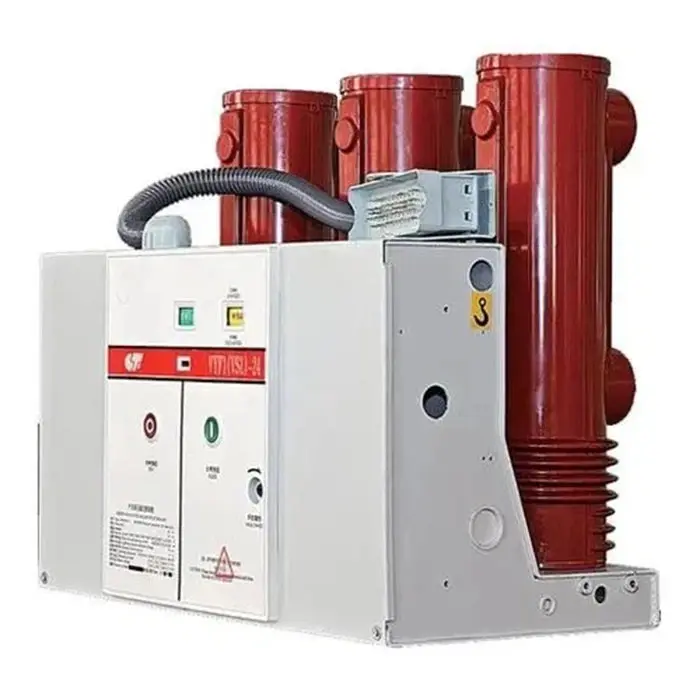
Comparing Modular Transmission to Alternative Solutions for Informed Procurement
When procurement workers look at different transmission equipment options, they need to think carefully about how their choices will affect the technology in the long run. Comparing flexible and alternative transportation options includes a number of things, such as the original investment, how well they work, how much upkeep they need, and how much they can grow.
Performance and Reliability Analysis
Traditional combined transmission systems have lower start-up costs, but they are less flexible in how they are used and how well they are maintained. For major component fixes, these systems have to be shut down completely, which means that a lot of money is lost during long periods of downtime. The single-piece design also makes it harder to add new features; to add more space, the whole system usually has to be replaced.
Systems exhibit better dependability. Even though the initial cost may be higher, flexible options usually have a lower total cost of ownership because they require less downtime, are easier to maintain, and last longer.
Supplier Credibility and Service Considerations
When choosing transmission equipment providers, it's important to look at their technical knowledge, the quality of their products, and their ability to provide help after the sale. Leading companies in the modular gearbox market are always coming up with new ideas and providing full-service packages that cover the whole span of the equipment.
These traits are shown by Yuguang Electric, which has a lot of experience with high-voltage transmission equipment and is dedicated to quality excellence. The company's ISO 9001:2015 license and status as a "High and New Technology Enterprise" show that it is committed to high standards in manufacturing and constant growth.
Long-Term Investment Returns
Investing in modular transmission usually pays off within three to five years thanks to lower upkeep costs, higher economy, and more operating freedom. Being able to gradually increase system capacity is useful because it keeps working equipment from needing to be replaced too soon while meeting rising power needs.
Procurement Guide for Modular Transmission Equipment in the Power Industry
To buy modular transmission equipment successfully, you need to know a lot about the supplier's skills, technical requirements, and after-sales services that will ensure the equipment works well for a long time.
Trusted Suppliers and Sourcing Channels
To find trusted providers, you need to look at their production skills, safety certifications, and knowledge in the field. Well-known companies that do a lot of research and development make high-quality goods that have been through a lot of testing and approval processes. These providers offer thorough technical documents, the ability to make changes, and professional help with installation.
Yuguang Electric is a reliable source that has been making high-voltage transmission equipment for more than 15 years. The company's advanced production facilities and 39 patents show how technically skilled it is and how committed it is to coming up with new ideas. Their full range of OEM and ODM services lets them make solutions that are perfect for each job.
Warranty Provisions and Maintenance Practices
With provisions for component repair and expert support, modern Modular Transmission equipment typically comes with a complete guarantee that lasts for several years. Regular diagnostic checks, replacing parts before they break, and keeping an adequate collection of extra parts are all important parts of good maintenance practices.
The flexible design makes servicing easier by letting you fix and change individual parts without affecting the whole system. This method cuts down on upkeep costs by a large amount and increases the life of tools by making the best use of their parts.
Customization and Project Integration
Power projects that are very complicated often need unique transportation options that can work in a variety of environments and meet specific operating needs. Suppliers with a lot of experience can make a lot of changes, like changing the electricity specs, making the environmental protection better, and adding custom control interfaces.
During the buying process, there should be in-depth expert talks to make sure that the best equipment is chosen and that it can be easily integrated with current systems. During the purchase and installation steps, professional providers offer specific mechanical help.
Future Trends and Strategic Implications for Modular Transmission in the Power Industry
As technology improves and practical needs change, the power transmission industry continues to adapt. These changes affect how equipment is specified and bought in the future.
Emerging Technology Integration
The growth of Modular Transmission is significantly influenced by smart grid integration. More and more, these systems have advanced communication features, remote tracking functions, and automatic control features that make operations more efficient and allow for planned repair plans.
Industry 4.0 technologies, such as AI and machine learning algorithms, are being added to flexible transmission systems to improve performance and figure out what parts will need over their entire lifetime. These improvements make it possible to schedule repairs in a more complex way and improve operations.
Supply Chain and Service Contract Evolution
The flexible design of transmission technology is changing how the supply chain works and how service contracts are set up. Suppliers are working on more adaptable service models that work with modular design. These models will offer help at the component level, and performance promises that lower operational risk. Long-term service relationships are becoming more important as providers offer continued expert help, performance improvement, and equipment updates for the entire lifetime of a system. These connections make it possible to keep getting better and adapt to changing operating needs.
Strategic Recommendations for Industry Professionals
People who work in the power business should give more weight to sellers who have a track record of being experts in modular transmission technology and offer full support. Instead of just looking at the cost of the tools, the decision process should center on the possibility of a long-term relationship. Companies that invest in flexible transportation technology will be able to operate more freely in the future and be more competitive in energy markets that are changing quickly. Because these systems are flexible, they give us useful choices for adapting to future growth and technological progress.
Conclusion
Modular transmission technology is a major step forward in the tools used in the power business. It solves important practical problems and offers better long-term value. These systems are perfect for current power applications that need to be highly available and flexible in how they work because they are more reliable, easier to maintain, and built in a way that makes them scalable. As the industry changes and operational needs become more complex, flexible transmission options are the key to staying competitive and achieving operational greatness.
FAQ
What makes modular transmission systems more reliable than traditional alternatives?
Modular transmission systems achieve superior reliability through N+1 redundancy architecture, where multiple independent modules work together. When one module experiences issues, the remaining modules automatically compensate, ensuring continuous operation without service interruption.
How do modular transmission systems reduce maintenance costs?
The hot-swappable design allows maintenance personnel to replace individual modules without shutting down the entire system. This capability reduces Mean Time To Repair from hours to minutes while eliminating costly production interruptions during maintenance activities.
What customization options are available for modular transmission equipment?
Professional manufacturers offer extensive customization, including modified electrical specifications, enhanced environmental protection ratings, specialized control interfaces, and integration with existing infrastructure. These options ensure optimal performance in specific operational environments.
Partner with Yuguang for Advanced Modular Transmission Solutions
Yuguang Electric combines over 15 years of manufacturing excellence with cutting-edge Modular Transmission technology to deliver superior power solutions for demanding industrial applications. Our comprehensive approach includes customized engineering, professional installation support, and long-term technical assistance backed by 39 patents and ISO 9001:2015 certification. As a leading modular transmission manufacturer, we provide complete lifecycle support from initial consultation through ongoing maintenance services. Contact our technical team at ygvcb@hotmail.com to discuss your specific requirements and discover how our advanced modular transmission solutions can enhance your operational efficiency and reliability.
References
1. International Electrotechnical Commission. "Modular Power Transmission Systems: Design Standards and Performance Requirements." IEC Technical Report 62-2023.
2. American Society of Power Engineers. "Efficiency Improvements in Industrial Power Transmission: A Comparative Analysis." Power Systems Journal, Vol. 45, 2023.
3. Institute of Electrical and Electronics Engineers. "Reliability Assessment of Modular Transmission Architectures in Critical Power Applications." IEEE Transactions on Power Systems, 2024.
4. Energy Research Institute. "Total Cost of Ownership Analysis for Modular vs. Traditional Transmission Systems." Industrial Power Review, Issue 3, 2023.
5. International Association of Power Equipment Manufacturers. "Market Trends and Technology Developments in Modular Power Transmission." Annual Industry Report, 2024.
6. Power Industry Technical Advisory Board. "Best Practices for Procurement and Implementation of Modular Transmission Equipment." Technical Guidance Document TGD-2023-15.

Send Inquiry
You may like
