
Indoor vs Outdoor Circuit Breakers: Key Differences
Picking the right circuit breaker isn't just a technical task; it has a direct impact on safety, uptime, and the overall cost of running the business over time. Indoor circuit breaker units are made for places with stable temperature, humidity, and pollution, like power plants, controllable environments, and manufacturing plants. Outdoor models, on the other hand, have to deal with UV rays, rain, salt spray, and very high and low temperatures, so they need toughened cases and special seals. When procurement managers, chief engineers, and project leaders understand these differences, they can make sure that equipment is perfectly matched to the site conditions. This lowers the risk of failure and the amount of upkeep that needs to be done, while also making sure that IEC and UL standards are met.
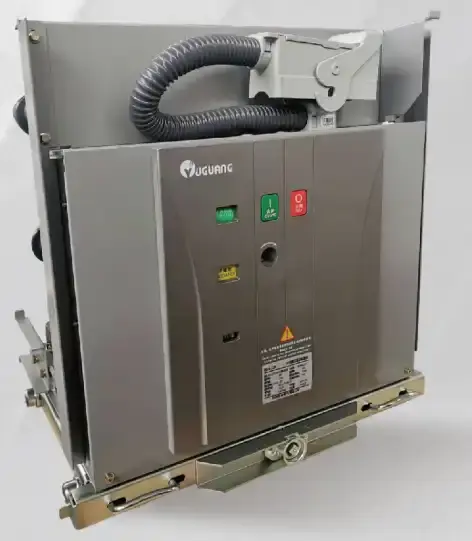
Understanding Indoor and Outdoor Circuit Breakers
Circuit breakers are the first line of defense against electrical problems, but their form changes a lot depending on where they are installed. Indoor breakers work in switching panels, metal-clad sections, or climate-controlled rooms that are not easily damaged by the outside world. Their housings are designed to be small and work with modular cabinet systems. They use vacuum or SF6 arc-quenching technologies that work with voltages from 6kV to 40.5kV. In thermal power plants, steel mills, and chemical plants, these devices protect transformers, motors, and distribution buses. They do this by quickly isolating faults so that breakdowns don't spread.
Outdoor circuit breakers are put on utility poles, open-air substations, or collection places at wind farms. They are exposed to rain, dust, ice, and temperature changes of more than 60°C. Their cases have IP65 grades or higher, and they use corrosion-resistant alloys and UV-stabilized seals to keep the arc-quenching purity for decades. Pole-mounted reclosers in country grids are an example of this type. They automatically turn the power back on after short-term faults caused by lightning or touch with plants. For business-to-business buyers who are in charge of infrastructure in a variety of climates, figuring out these different operating settings is the first step in aligning specifications.
Design Philosophy and Environmental Adaptation
Stable air conditions inside allow indoor units to have small volumes and make cooling easier. Since vacuum interrupters are sealed for life, they don't need to be maintained with oil and lower the risk of fire. This makes them perfect for substations in cities and mines where space is limited and safety checks are strict. The VXB-24P series from Yuguang, which has permanent magnet mechanisms, is a good example of this method. It has integrated modular assembly for quick setup, and IP67-rated solid-sealed poles that keep electrical dust out of metallurgical plants. It also doesn't need to be serviced for over 10,000 mechanical cycles.
Longer creepage distances, ceramic insulators, and dual-seal systems are used in outdoor designs to keep wetness out. Breakers that can handle sandstorms or saltwater rust are needed for solar farms in Arizona or offshore wind farms. Yuguang's scenario-based customization features can handle these kinds of extremes. They offer customized solutions backed by 39 patents, such as composite arc-extinguishing chambers tested under IEC 62271-100 standards, to make sure that power flows continuously even in difficult environments.
Key Technical Differences Between Indoor and Outdoor Circuit Breakers
Performance differences in indoor circuit breaker products stem from material selection. Standard indoor circuit breaker units with epoxy resin casings and powder-coated steel frames suit controlled humidity environments. For outdoor durability, indoor circuit breaker designs need corrosion-resistant metals and ceramic coatings. Yuguang uses aerospace-grade precision tools for indoor circuit breaker arc-chamber manufacturing with post-coating temperature curing, achieving over 25-year lifespan in coastal or industrial areas for indoor circuit breaker products.
Voltage and Current Ratings
Both groups have classes ranging from 6kV to 40.5kV, but outdoor types usually have higher BIL (Basic Impulse Level) rates to handle lightning strikes. In a controlled center, an indoor 40.5kV breaker might set the BIL to 185kV, while an outdoor version would aim for 250kV or more. For example, indoor feeders in factories can handle steady loads of 630A to 2500A, while outdoor distribution breakers can handle up to 31.5kA of short-circuit current to protect transmission lines and have a maximum current rate of 1250A.
The whole range of Yuguang's products, from 6kV to 40.5kV, covers this range. It can help thermal power plants that need E2 electrical endurance (frequent switching under load) and wind farms that need M2 mechanical endurance (100,000+ no-load operations). Compliance with IEC 62271-100, GB 1984, and UL standards makes it easier for EPC companies working on projects in both North America and Asia at the same time to buy things from different regions.
Enclosure Standards and Ingress Protection
Most indoor switchgear meets IP3X or IP4X standards, which keep fingers and bigger objects from touching it by mistake. Outdoor breakers need to be IP65 (dust-tight and resistant to water jets) or IP67 (submersion-proof), which is very important when the equipment is going to be used in summer rains or dust storms. In its Vd4-40.5kV line, Yuguang uses IP67-rated solid-sealed poles that have a small footprint but strong sealing. This is helpful for installations with limited room that need strong environmental protection. This flexible integration cuts the time needed to put things together on-site by 30%, which speeds up project timelines for workers who have to meet tight delivery dates.
Comparing Performance and Advantages: Indoor vs Outdoor Circuit Breakers
When exposed to different environments, reliability measures change. Indoor breakers have stable temperatures, low levels of contamination, and little UV damage, which means that their lifespan curves can be predicted and they don't need to be maintained very often. Every year, operators in substations plan checkups to check for wear on contacts and the function of secondary relays without taking anything apart. Vacuum arc-quenching technology lowers lifetime costs even more because it doesn't need any upkeep. It just needs to be checked for hotspots periodically with thermal imaging.
Outdoor units have to deal with tougher conditions: UV damage breaks down polymer housings, water gets into seals, and changes in temperature wear out internal springs. Maintenance plans call for checks every three months, treatments to stop rust, and seal repairs every five years. However, current designs make these problems less of a problem by using better materials and building in modules. Yuguang's ceramic coating process, which includes powder coating and hardening, makes a multi-layer shield that keeps saltwater from corroding buildings near the coast or in ports. When you add in the fact that permanent magnet systems don't need to be oiled, this method cuts down on repair windows from days to hours, allowing for 24/7 operations.
Safety and Fault Response
People's safety is a top priority in indoor setups, which use interlocking devices to keep doors from opening during live operations. Even though arc flashes don't happen very often, they need to be fixed quickly. Modern vacuum breakers can trip in less than 50ms, which limits the release of energy. Outdoor breakers face different risks, such as coming into touch with wildlife, plants growing in their way, and lightning hits. Fault reclosers in more advanced models instantly check the integrity of the line after it trips, restoring power without sending out a crew. This is an important feature for country grids or green farms where accessing the lines by hand takes a lot of time.
Yuguang's full-chain service approach for indoor circuit breaker works in both situations. Installation instructions for indoor circuit breaker ensure correct grounding and auxiliary wiring, while maintenance contracts include thermal scanning and contact measurement to catch problems early. Rapid return for indoor circuit breaker is critical when a tripped unit stops steel production or a wind turbine string fails during peak power hours with indoor circuit breaker products.
Procurement Insights: How to Choose the Right Circuit Breaker for Your Needs?
Environmental review is the first step in structured evaluation. Small, long-lasting vacuum breakers work best indoors, in places like substations, industrial switchgear rooms, and mine shafts. Outdoor uses like cable lines, solar panels, and offshore platforms need designs that can withstand weather and surges. Yuguang backs up this choice with a free transformation plan design that looks at site-specific information like altitude (which affects air insulation), extreme temperatures, and pollution levels (salt, dust, and chemical fumes) to suggest the best combinations from its 6kV to 40.5kV range.
Budget concerns go beyond the price of the item. If a cheaper breaker doesn't have a flexible design, it may cost more to install and keep extra parts on hand. The combined modular design of Yuguang makes commissioning easier: pre-assembled pole units slide into frames, auxiliary circuits connect via standard plugs, and testing is done in half the time it takes with traditional models. When you add up the savings on labor and downtime over ten years, this cuts the total cost of ownership by 20%.
Supplier Reliability and Lead Times
When equipment comes late or is broken when it arrives, it throws off tight project plans. Yuguang solves problems with buying by putting products through strict multi-round tests that include arc extinguishing, insulation resistance, and load adaptability. Then, they are packed in wooden crates that are waterproof and meet international transport standards. Standard items are sent out within 7–15 days. Customized items, like those rated for 3000 meters above sea level, take 30–60 days, with clear tracking of important dates. The smallest order size is just one unit, so it can be used for both small-scale retrofits and large EPC projects.
After-sales support sets trustworthy partners apart from transactional sellers. Yuguang gives operator teams films with installation instructions, help with commissioning on-site, and training in upkeep. Within 48 hours, spare parts like contact kits, auxiliary switches, and mechanism springs are shipped from stock, which keeps power failures from lasting too long. Free modification plans let you adapt current equipment to new regulations or changing load levels. This makes assets last longer without having to buy new ones.
Installation and Maintenance Guide for Indoor Circuit Breakers
Pre-installation checks for indoor circuit breaker prevent costly repairs. Verify cabinet dimensions match indoor circuit breaker chassis (800mm or 1000mm width for VXB-24P series), confirm secondary wiring pinouts align with provided drawings, and test auxiliary voltage (AC 220V or DC 110V) under no-load and loaded conditions for indoor circuit breaker. Ground continuity below 0.1Ω ensures fault current dissipation. Site safety follows NFPA 70E guidelines: de-energise adjacent bays, install barriers, and train workers on arc-flash boundaries for indoor circuit breaker installations.
The installation process starts with mechanical mounting, which involves attaching breaker rails to cabinet frames. Next, the electrical connection of main bus bars is made through bolted interfaces that are torqued to the manufacturer's standards, such as 40Nm for 630A contacts. Auxiliary wire connects trip coils, position indicators, and control circuits. Yuguang breakers use color-coded connections and aviation-style plugs to keep wiring from getting mixed up. As part of functional testing, the number of times the door opens and closes is counted, the insulation resistance is measured (>1000Mohms at working voltage), and the coordination of the safety relays is checked.
Preventive Maintenance and Troubleshooting
Inspections done once a year focus on three main areas: thermal profile (looking for hotspots over 10°C above ambient), secondary relay functions (simulating trip signals), and contact wear (measuring over-travel with calipers; 3mm erosion is the norm). Power-frequency resist voltage is used in vacuum integrity tests. Any flashover means the interrupter is breaking down and needs to be replaced. Yuguang's maintenance agreements include thorough checklists for these tasks and teach operators how to spot early danger signs like strange noises during operation, longer trip times, or coils that are getting too hot.
Common issues include refusal to close (check the voltage of the energy storage spring latch and coil; it must be higher than 85% rated), contact welding (replace any corroded vacuum bottles right away), and auxiliary circuit faults (check the settings of the relays and make sure the wire is still connected). Yuguang's technical lines and regional service teams take care of major issues within 24 hours by sending field engineers to do complicated diagnostics or giving advice over a video link.
Conclusion
Whether to use indoor circuit breaker or outdoor types depends on weather, technical requirements, and lifecycle cost analysis. Indoor circuit breaker units excel in controlled environments with compact footprint, easy maintenance, and quick integration into modular switchgear. Outdoor types for indoor circuit breaker alternatives handle harsh conditions with rugged enclosures and advanced materials. Yuguang's 6kV–40.5kV indoor circuit breaker portfolio backed by 39 patents and ISO 9001:2015 certification meets diverse needs with full-chain service from R&D to installation. Smart procurement teams leverage indoor circuit breaker supplier expertise, compliance, and responsive support to reduce risk and increase efficiency.
FAQ
What voltage ratings are typical for indoor circuit breakers in industrial settings?
Industrial indoor breakers usually work at 6kV, 12kV, 24kV, or 40.5kV classes, which is the same as the medium-voltage circuits in power plants, steel mills, and chemical plants. Yuguang's Vd4-40.5kV series supports transformers with a rating of up to 63MVA and feeding loads greater than 2500A.
Can indoor circuit breakers function in semi-exposed environments like tunnel substations?
For semi-exposed places, you need to think about a mix of things, like IP4X minimum barriers, condensation control, and regular seal checks. The solid-sealed pole design of Yuguang can handle some dust and humidity, but expert teams should be contacted to make any necessary adjustments for altitude or pollution to avoid external flashovers.
How often should indoor vacuum breakers undergo maintenance?
Maintenance-free vacuum interrupters need to be checked every year with contact measurement, other checks, and heat scans, and they need a major repair every five years. Yuguang's permanent magnet systems don't need to be oiled or have their springs adjusted. This means that they don't need to be fixed as often as standard spring-operated designs.
Partner with Yuguang for Reliable Indoor Circuit Breaker Solutions
When purchasing professionals are looking for reliable indoor circuit breaker suppliers, Yuguang's combined experience gives them a clear edge. Our 6kV-40.5kV vacuum breaker catalog fixes problems with equipment not working together by customizing them based on different situations. It also fixes problems with upkeep by using modular, sealed-for-life designs, and it gets rid of delivery delays by shipping standard goods in 7–15 days. Yuguang offers stable, safe operation that lowers total cost and makes sures compliance with IEC and UL standards. It is backed by 39 patents, ISO certifications, and authority qualifications. You can email our engineering team at ygvcb@hotmail.com or look at our website for more information about our services. We will get back to you within 24 hours with a custom technology plan based on your needs.
References
1. IEEE Standards Association. IEEE Std C37.04-2018: Standard Rating Structure for AC High-Voltage Circuit Breakers. Institute of Electrical and Electronics Engineers, 2018.
2. International Electrotechnical Commission. IEC 62271-100:2021 High-Voltage Switchgear and Controlgear – Part 100: Alternating-Current Circuit Breakers. IEC, 2021.
3. National Electrical Manufacturers Association. NEMA SG 3-1989 (R2018): High Voltage Circuit Breakers – Conformance Testing Procedures. NEMA, 2018.
4. Garzon, Ruben D. High Voltage Circuit Breakers: Design and Applications. 2nd ed., CRC Press, 2002.
5. Flurscheim, Charles H. Power Circuit Breaker Theory and Design. Institution of Engineering and Technology, 1982.
6. Das, J.C. Power System Protective Relaying. CRC Press, 2017.

Send Inquiry
You may like
