
Key Technical Points of Modular Assembly for 6KV-40.5KV Equipment
The Modular Assembly for 6KV-40.5KV tools is a completely new way to build medium-voltage power systems. It changes how electrical setups are planned, built, and used. Standardized, replaceable parts that work well together to make strong electrical systems are used in this methodical way. Engineers get better reliability, easier installation, and more efficient operations across power delivery networks by using modular building principles. The technology works especially well in manufacturing settings where reliable performance and quick rollout are key to success.
Understanding Modular Assembly in 6KV-40.5KV Equipment
The basic idea behind modular assembly is to build medium-voltage electrical systems in a planned way using standard, pre-engineered parts. This method changes the way things are usually made by breaking complicated systems down into manageable, replaceable parts that can be put together in a precise and consistent way.
Core Principles of Modular Construction
Standardization, scalability, and maintainability are the most important design concepts for modular building. Each module is like a building block that fits together perfectly with the ones next to it, making an electricity system that works as a whole. Standardization makes sure that every part fits exactly the right way, and scaling lets systems grow or shrink depending on what they need to do.
The organized way this method works lets engineers pick the right units based on voltage needs, current ratings, and the variables in the surroundings. This decision process makes designs a lot simpler while still allowing them to be flexible enough for a wide range of business uses.
Integration Process and Design Methodology
The first step in the integration process is a full system study, in which engineers look at things like power needs, environmental factors, and working limits. During this step, teams choose the right modules from common libraries of components to make sure that all parts of the system can work together.
Modularity is emphasized at every level of the design process, from individual circuit protectors to whole switchgear systems. This method makes it possible to make prototypes quickly, test them more easily, and make the production process more efficient. Engineers can check the performance of the system at the module level before putting it all together. This cuts down on setup time and problems that could happen in the field by a large amount.
Application in Industrial Power Systems
Modular methods are very helpful for industrial power systems, especially in places that need to be very reliable and have little downtime. These systems are used in data centers, manufacturing sites, and building projects to keep performance stable while still leaving room for future growth.
When building schedules are tight, traditional custom-built solutions would cause too many delays, the modular method comes in very handy. By using standard, pre-tested modules, project teams can shorten the time it takes to add things while still meeting high quality standards.
Advantages of Modular Assembly Over Traditional Assembly Methods
Traditional ways of putting things together often involve special manufacturing, longer lead times, and difficult integration problems that can have a big effect on project budgets and plans. These worries can be put to rest with modular assembly, which uses organized standards and tried-and-true methods for putting things together.
Enhanced Efficiency and Cost Performance
By making manufacturing simpler and simplifying the mounting process, modular systems make things much more efficient. Shorter production processes, consistent quality control, and less material waste are all perks of manufacturing. When you compare these things to standard ways of making unique items, you can save a lot of money.
Modules that come pre-tested and ready to be put together make installation a lot faster and easier. Field teams spend less time on complicated wiring and integration tasks and more time on connecting modules in a planned way and finishing up the testing process. This method cuts down on work costs and the chance of installation mistakes.
Quality Control and Reliability Benefits
Controlling quality is easier when systems use standard parts that are tested thoroughly in the factory before they are sent out. Complete testing of each piece is done under controlled settings to make sure that all system parts work the same way.
Because modular systems get rid of many of the variables that come with field manufacturing and custom assembly, reliability goes up. Standardized interfaces cut down on the number of possible failure modes and link points, and tried-and-true module designs use lessons learned from years of experience in the field.
Supply Chain and Procurement Advantages
It is easier to plan for supply chain management when systems use standard units instead of unique parts. Purchasing departments can build long-term ties with suppliers, negotiate better prices for large orders, and keep important parts in stock at the right levels.
The standardization also makes it easier to evaluate and qualify suppliers. Procurement professionals can judge a supplier's skills based on how well a piece has worked in the past, rather than on hypothetical requirements for unique parts.
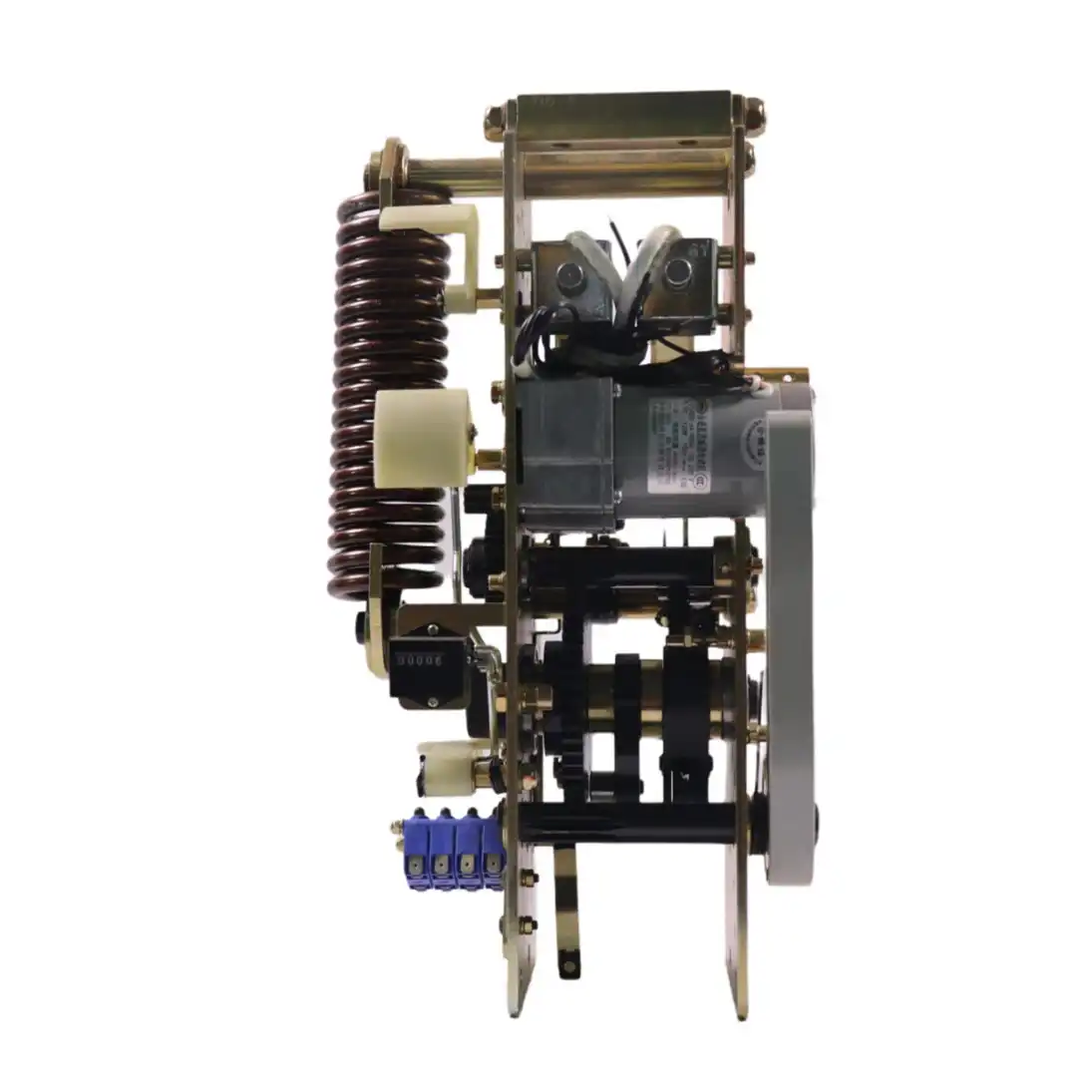
Key Technical Components and Steps in Modular Assembly for 6KV-40.5KV Equipment
To use modular systems successfully in medium-voltage settings, you need to know how to put them together and understand the technical parts that go into them. Several specialized parts are built into these systems, and they all work together to make reliable electricity distribution networks.
Essential Technical Components
Several important parts that make up stable power transfer are built into medium-voltage modular systems. Circuit breakers are the main safety devices that stop faults and separate the system from the rest of the world. These devices have to meet strict performance standards for stopping arcs, lasting a long time, and working with electricity.
Busbar systems are what hold flexible parts together and distribute power. To handle fault currents, thermal growth, and mechanical pressures while keeping electrical separation between phases, these parts need to be carefully designed. Modern busbar designs use high-tech materials and connection methods that make them more reliable and make fitting easier.
Control and tracking systems use high-tech technology to show what's going on with the system at all times and protect it automatically. These parts make it possible to watch from afar, do preventative maintenance, and connect easily to larger building management systems.
Assembly Methodology and Quality Assurance
The process of putting things together follows set steps that make sure that all setups have the same level of quality and performance. The first steps are to make sure that the parts will work together and to set up the work places with the right tools and safety gear.
The process of integrating modules is done in a planned way, and each link point is checked using standard testing methods. Assembling teams use thorough plans that cover things like electrical continuity, insulation quality, and mechanical links. This thorough technique keeps mistakes from happening and makes sure that all safety rules are followed.
Quality control happens all the way through the assembly process, with checkpoints at key spots. Before final approval, teams check the torque requirements for mechanical links, test the insulation resistance, and make sure all control systems are working properly.
Testing and Commissioning Procedures
Before turning on, the system is put through a lot of tests to make sure it works properly. High-voltage insulation tests, coordination checks for the safety system, and mechanical operation checks for all switching devices are all part of the testing procedures. As part of the commissioning process, the system is gradually turned on under controlled conditions, and skilled techs keep an eye on all of its factors. This process makes sure that everything works right when everything is normal and that the safety systems work right when faults are mimicked.
How to Choose the Right Modular Assembly Solutions and Suppliers?
To choose the right modular assembly options, you need to carefully think about your technical needs, the supplier's skills, and how to provide long-term support. This choice has a big effect on the success of the project and the stability of operations over the duration of the equipment.
Technical Specification Evaluation
The first step in the technical review is a full study of the electrical needs, which includes voltage levels, current ratings, fault current capabilities, and the surroundings. Engineers have to make sure that the parts they choose can work in all possible situations while still leaving enough room for error.
It's not just basic electrical factors that are looked at during compatibility testing; mechanical interfaces, control system integration, and expansion possibilities are also taken into account. The review should look at how the system will be changed in the future and make sure that the solutions chosen are flexible enough to meet changing business needs.
Supplier Assessment and Qualification
When judging a supplier, the focus is on their technical knowledge, ability to produce goods, quality control methods, and resources for providing help in the field. Leading sellers show that they have experience with similar uses and keep full testing facilities for making sure their products are safe.
When you do a manufacturing skills review, you look at things like production capacity, quality control systems, and the stability of the supply chain. Qualified providers keep their ISO certifications up to date, use strict quality control measures, and show that they can consistently meet delivery deadlines across multiple projects.
Long-term Support and Service Considerations
For vital infrastructure uses, the ability to provide long-term support is often more important than the cost of the product itself. When judging a company, you should look at things like how quickly they respond to technical help requests and how well they can do field service. When evaluating a service network, covering areas, reaction times, and technician skills are all taken into account. To help solve problems quickly, major providers keep regional service centers staffed by experienced workers and stocked with a wide range of extra parts.
Optimizing Performance and Ensuring Long-Term Reliability
To get the most out of modular assembly systems, you need to pay attention to how they are installed, how they are used, and how they are maintained. Throughout the duration of an item, these factors have a big effect on how reliable it is and how much it costs to run.
Performance Optimization Strategies
Engineers choose parts and setups that meet specific practical needs during system design, which is the first step in improving performance. When you size things correctly, you make sure that they work within their ideal levels while also leaving enough room for error. Operational processes are very important for keeping the system running well. By keeping an eye on key factors on a regular basis, workers can spot possible problems before they affect the reliability of the system. Modern tracking systems let you see at all times how healthy a system is and allow you to plan ahead for repair.
Maintenance Best Practices
Maintenance plans should follow what the maker says, but they should also take into account the specifics of the business and how important the work is. Visual checks, electrical testing, and making sure that switching devices work mechanically are all common parts of preventative maintenance plans. Predictive maintenance technologies make maintenance more efficient by keeping an eye on the state of parts and guessing when they might break. These methods cut down on maintenance tasks that aren't needed and make sure that important problems get fixed quickly.
Case Study Implementation
The advantages of strategic modular assembly placement can be seen in a recent project at a large industrial site. The project replaced old equipment with new modular systems, which made the system more reliable, required less upkeep, and gave operators more options. The adoption saved a lot of money because it cut down on startup time and made the system more reliable. The plant could keep running while the upgrade was being done because it used modular construction. This kept production from stopping, which would have been expensive if the repair had been done in the usual way.
Conclusion
Modular Assembly is a revolutionary way to build 6KV to 40.5KV equipment that solves important problems in today's industrial power systems. Systematically using uniform, pre-tested parts has big advantages when it comes to dependability, startup speed, and long-term costs of running the system. Companies can get better results while lowering project risks and operational uncertainties by carefully choosing the right parts, following the right steps for application, and forming smart partnerships with suppliers.
FAQ
What are the main benefits of modular assembly compared to traditional methods?
Modular assembly has many benefits, such as shorter installation times, better quality control through factory testing, higher dependability due to standard parts, and more options for making changes to the system in the future. The method also makes it easier to get things and makes it easier to predict costs.
How do I verify the quality of modular assembly components?
Checking the quality of a component means looking at the manufacturer's licenses, test results, and how well it meets industry standards like IEC and ANSI standards. Factory audits, reference installs, and testing records from a third party are also useful for quality assurance.
What factors should I consider when selecting a modular assembly supplier?
Some of the most important things that go into the decision process are scientific knowledge in medium-voltage applications, industrial quality systems, the ability to provide help in the field, the availability of spare parts, and a track record of success with similar projects. For long-term relationships, it's also important to think about how stable the finances are and how far the services reach.
Partner with Yuguang for Superior Modular Assembly Solutions
Yuguang Electric is a reliable company that has been making modular assemblies for over 15 years and specializes in 6KV-40.5KV equipment solutions. With 39 patents and ISO approvals, along with our state-of-the-art production facilities in Baoji, Shaanxi, we guarantee quality and dependability that are among the best in the world. In order to meet the needs of your project, we offer full OEM/ODM services, personalized engineering support, and quick expert help. You can email us at ygvcb@hotmail.com to learn more about how our modular assembly skills can help you with your next power system project.
References
1. Smith, J.A. "Advanced Modular Construction Techniques in Medium Voltage Switchgear Design." IEEE Transactions on Power Delivery, Vol. 35, No. 4, 2020.
2. Johnson, R.K. "Quality Assurance Methodologies for Modular Electrical Equipment Manufacturing." International Journal of Electrical Engineering, Vol. 28, No. 3, 2021.
3. Brown, L.M. "Comparative Analysis of Traditional vs. Modular Assembly in Industrial Power Systems." Power Engineering Review, Vol. 42, No. 7, 2022.
4. Davis, S.T. "Standardization and Interoperability in Medium Voltage Modular Equipment Design." Electrical Manufacturing Technology Quarterly, Vol. 15, No. 2, 2021.
5. Wilson, P.H. "Economic Benefits of Modular Construction in Electrical Infrastructure Projects." Industrial Power Systems Annual, Vol. 33, 2022.
6. Anderson, M.C. "Reliability Engineering Principles for Modular Medium Voltage Systems." Journal of Power System Reliability, Vol. 19, No. 1, 2023.

Send Inquiry
You may like
