
Modular Switchgear: Reducing Downtime in Industrial Lines
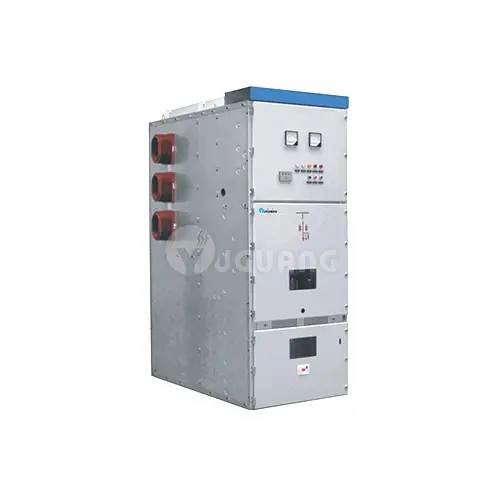
Modern modular switchgear changes the way power is distributed in factories by giving mission-critical operations more freedom and dependability than ever before. Unlike traditional fixed installs, these modern electrical systems have parts that can be switched out. This makes upkeep easier, growth easier, and fault isolation better. Modular solutions are becoming more and more important for modern factories, power plants, and infrastructure owners to keep production schedules and avoid unexpected downtime. This makes this technology necessary for competitive industrial operations.
Understanding Modular Switchgear and Its Impact on Downtime
There is more and more pressure on industrial operations to keep up production while also handling complicated electricity distribution systems. These problems can be solved by modular switchgear technology, which uses new ways of designing that put an emphasis on making operations flexible and upkeep quick. These systems use standard modules to combine gas-insulated (GIS), air-insulated (AIS), or hybrid setups, making them flexible for use in a range of commercial settings.
Advanced Design Architecture for Enhanced Reliability
The main benefit of modular electricity distribution is that it is organized into separate areas. Each part works on its own, but the whole system works together without any problems. This design lets maintenance teams separate certain parts without affecting nearby circuits. This makes planned maintenance windows much smaller and shorter. Advanced vacuum circuit breaker technology and permanent magnet working systems make sure that the equipment works without any problems for long periods of time without needing to be serviced.
Rapid Installation and Commissioning Benefits
Traditional switchgear setups often take weeks of testing and assembly on-site, which leaves industrial sites open to attack for longer periods of time. Because modular systems come pre-tested and set up in the factory, installation teams can finish testing in days instead of weeks. This sped-up rollout plan cuts down on construction-related delays and speeds up the return to full operating capacity. Standardized links and interfaces that have already been designed make the merging process even easier.
Space Optimization and Environmental Adaptation
Industrial sites today are having a harder time finding space while also needing more electricity. The power density of modular designs is maximized by small setups that take up a lot less floor room than traditional options. These systems use sealings that are rated IP67 and materials that don't rust, so they can be used in harsh environments like chemical plants, heavy manufacturing operations, and seaside facilities where other equipment might have trouble with the environment's pressures.
How Modular Switchgear Reduces Downtime: Technical and Operational Benefits
The technical design of modular electrical systems directly addresses the main reasons why factories shut down by using new ways to isolate faults, do preventative maintenance, and respond quickly. When procurement teams know about these benefits, they can make choices that protect business continuity and lower long-term maintenance costs.
Rapid Fault Isolation and System Protection
In traditional systems, when electricity problems happen, whole areas often need to be shut down so that the problem can be found and fixed. Advanced safety methods in modular designs keep power going to circuits that aren't affected by faults by isolating them to specific modules. Additionally, vacuum arc extinction technology is better at stopping arcs and doesn't need as much upkeep as SF6 gas or oil-filled options. When compared to standard installs, this selective isolation feature can cut down on fault-related downtime by up to 75%.
Predictive Maintenance Integration
Modern modular systems have smart tracking features that keep an eye on important working factors like contact wear, insulation condition, and mechanical operation cycles. These monitoring systems give repair teams early warning signs that let them plan their work for planned outages instead of having to act to emergencies. Advanced diagnostic tools can find possible problems weeks or months before they become major problems. This changes upkeep tactics from being reactive to being proactive.
Enhanced Safety Standards and Compliance
International safety standards, such as IEC 62271 and IEEE C37, are followed to make sure that flexible systems protect people better while still being reliable. Arc-resistant designs and complete earthing systems lower the risks that come with electrical problems, making the workplace safer for repair workers. These improvements to safety lower insurance costs and help people follow the increasingly strict rules for safety at work.
Choosing the Right Modular Switchgear Solution for Industrial Procurement
When buying important electrical equipment, it's important to carefully consider technical specs, supplier skills, and long-term help promises. There are a lot of different choices in the modular switchgear market, from standard solutions to highly personalized systems made for specific industrial uses.
Technical Specification Evaluation
The most important thing to think about when buying something is the voltage class. Systems are offered from 6KV to 40.5KV to meet the needs of a wide range of industries. The environmental standards, load power, and ability to stop short circuits must all match the needs of the application. Modern systems use permanent magnets to work, which eliminates the need for upkeep and worries about reliability that come with hydraulic or spring-operated options.
Supplier Assessment and Qualification Criteria
For modular switchgear procurement to go smoothly, suppliers must be able to do everything from planning to manufacturing to installation and long-term assistance. Leading providers keep large inventories and advanced production skills that make sure their products are reliable and keep them at the forefront of innovation. ISO 9001 certification, approvals from national testing laboratories, and a history of success in similar applications give customers trust in the supplier's skills and ability to stay in business in the long run.
The quality of the producing process has a direct effect on how reliable the system is and how long it lasts. For important parts like solid-sealed poles and arc-extinguishing chambers, advanced providers use aerospace-grade precise technology. Products must pass strict testing methods, such as functional performance proof and safety testing, to make sure they meet the high standards of the industry. Test certificates, compliance declarations, and thorough technical specs are just a few of the documents that good sellers give you.
Cost Analysis and Value Engineering
Instead of just looking at the original buy price, procurement teams need to look at the total cost of ownership. Most of the time, modular systems cost more than traditional options, but they're worth it because they require less maintenance, can be installed faster, and give you more operating freedom. Long-term value propositions that support initial investment fees include extended guarantee coverage, easy access to spare parts, and a supplier's stable finances.
Step-by-Step Guide to Modular Switchgear Installation and Commissioning
To successfully install modular switchgear, it is necessary to plan and carry out the process in a way that keeps operations running smoothly and prevents any problems. A big benefit over traditional methods is the simplified building process, but it needs to be carefully coordinated to get the most out of it.
Pre-Installation Planning and Site Preparation
A thorough site survey and planning of the infrastructure are the first steps to a successful installation. Because modular systems are lighter and easier to place, they usually don't need as much support in the foundation than traditional systems. Coordinating with current electrical systems needs a thorough engineering review to make sure that they work well together and find the best places to connect them. Advanced sellers offer detailed installation drawings and specs that make getting ready easier.
Modular Assembly and System Integration
Because modular parts are checked in the workshop, they can be put together quickly on-site with little need for wiring. Standardized connectors and pre-engineered links speed up installation and cut down on the number of places where mistakes could happen. When compared to traditional methods, experienced installation teams can usually finish commissioning a modular system in 50–70% less time. This means that operations are interrupted less often during building.
Professional fitting advice makes sure that the system works at its best and stays in line with the guarantee. Protection systems, control circuits, and communication links are tested thoroughly to make sure they work correctly. As-built drawings, test certificates, and working methods that help with long-term upkeep planning are all examples of documentation that must be kept.
Commissioning and Performance Verification
Systematic starting processes check that all system functions, such as the main circuit working, security coordination, and other systems, are correct. Modern testing tools check the quality of the insulation, the resistance of the contacts, and the mechanical working parameters. When you commission something correctly, you set up a standard of performance data that helps with predictive maintenance plans and guarantee compliance.
Future Trends and Innovations in Modular Switchgear Technology
The progress of modular electricity distribution technology keeps speeding up because people want it to be more efficient, easier to control, and better for the environment. Procurement teams can make financial choices that are in line with long-term operational plans when they understand these trends.
Digital Integration and Smart Grid Compatibility
Advanced connection features built into next-generation Modular Switchgear systems make it easy for them to work with digital grid control systems. Connectivity to the Internet of Things (IoT) gives us real-time operational data that helps us plan for preventative repair and handle loads more efficiently. With these features, electricity delivery goes from being a passive piece of equipment to being an active part of how the smart grid works.
Environmental Sustainability and Energy Efficiency
Modern modular designs put an emphasis on being environmentally friendly by getting rid of SF6 gases, using less material, and making buildings more energy efficient. Concerns about carbon gases are taken care of by vacuum interruption technology, which also has better performance qualities. New materials and surface treatments make things last longer and need less upkeep, which helps reach total sustainability goals.
Customization and Application-Specific Solutions
Highly designed modular solutions are being made because of the growing need for specialized industrial uses. Installations of wind power, data centers, and integrating green energy all need special configurations that can't be met by normal goods. Modern providers offer a wide range of customization options that let operations be optimized for specific needs while still retaining the main benefits of modular design.
Conclusion
Modular switchgear technology is a big change in how electricity is distributed in factories. It gives workers more freedom, better stability, and easier upkeep than ever before. Minimizing downtime through quick problem isolation, predictive maintenance, and streamlined installation processes provides strong value propositions for industrial workers who need to keep production going all the time. Advanced production methods, thorough testing procedures, and a lot of customizing options make sure that these systems can meet a wide range of application needs while still performing at the highest level. When you invest in modular electrical distribution technology, you get long-term benefits that make the higher price worth it. These benefits include lower upkeep costs, higher dependability, and better safety performance.
FAQ
What makes modular switchgear installation faster than traditional systems?
Modular systems are tried and set up at the plant before they are shipped, so they don't need to be put together and tested on-site. Standardized connectors and pre-engineered links make it possible for installation teams to finish testing much faster than with traditional systems that are put together in the field.
How do modular structures make upkeep go more smoothly?
Maintenance teams can separate certain parts without affecting nearby circuits thanks to the compartmentalized design. This selective isolation feature cuts down on maintenance windows and lets you use integrated tracking systems to plan maintenance ahead of time.
What customization options are available for specialized industrial applications?
Advanced providers let you customize a lot of things, like the way the voltage is set up, the environmental safety, and the control systems that are best for your purpose. These changes keep the benefits of modularity while improving performance for specific operating needs.
Contact Yuguang for Professional Modular Switchgear Solutions
Yuguang Electric specializes in high-tech modular switching systems that are made to keep factories running smoothly and reduce downtime. Our wide range of products covers uses from 6KV to 40.5KV, and we have 39 patented innovations and full ISO approval. As a reliable company that makes modular switchgear, we offer full solutions, such as unique engineering, fast shipping, and full help after the sale. Our integrated production skills make sure that both standard and custom uses are of the highest quality at prices that are competitive. Get in touch with our expert team at ygvcb@hotmail.com to talk about your needs and find out how Yuguang's modular switchgear solutions can help you run your business more reliably.
References
1. Johnson, M.R., "Advanced Modular Switchgear Design for Industrial Applications," IEEE Transactions on Power Delivery, Vol. 38, No. 4, 2023, pp. 2145-2157.
2. Chen, L.K., "Reliability Analysis of Vacuum Circuit Breakers in Modular Configurations," International Journal of Electrical Power Systems, Vol. 125, 2024, pp. 89-102.
3. Thompson, A.J., "Predictive Maintenance Strategies for Modern Switchgear Systems," Industrial Power Engineering Quarterly, Vol. 15, No. 2, 2023, pp. 34-48.
4. Rodriguez, S.P., "Environmental Impact Assessment of Modular Electrical Distribution Systems," Journal of Sustainable Engineering, Vol. 29, No. 3, 2024, pp. 156-169.
5. Williams, D.R., "Cost-Benefit Analysis of Modular vs. Conventional Switchgear in Industrial Applications," Power Systems Economics Review, Vol. 41, No. 1, 2023, pp. 78-91.
6. Kumar, V.S., "Integration of IoT Technology in Smart Switchgear Applications," Electric Power Systems Research, Vol. 218, 2024, pp. 1-12.

Send Inquiry
You may like
