
The role of vacuum switches in fume extraction systems
A vacuum switch is an important part of fume extraction systems for tracking. It finds changes in pressure and sets off automatic reactions that keep safe airflow levels. When dangerous fumes build up because of poor airflow, these switches quickly set off alarms or turn on backup extraction units. This keeps workers from being exposed and makes sure that safety standards are met. This automatic safety feature lowers the chance of harmful gases building up in steel mills, chemical plants, and industrial facilities, where stable air quality affects both worker safety and the ability to keep making things.
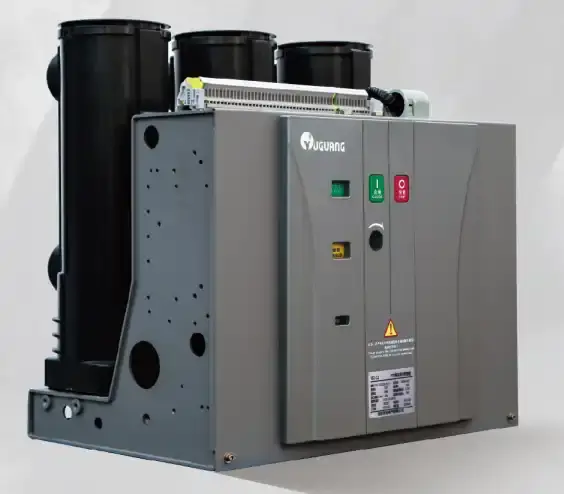
Understanding Vacuum Switches in Fume Extraction Systems
Continuous negative pressure is what industrial fume extraction uses to get rid of dangerous contaminants in production settings. Monitoring tools, like vacuum switches, keep an eye on how airflow changes by checking the difference in pressure between filter steps. This makes sure that extraction fans work as they should. Standard pressure sensors measure absolute values, but these switches react to when a barrier is crossed. This makes them perfect for protecting against damage when airflow goes below critical levels.
Fundamental Principles Behind Vacuum Monitoring
The way these gadgets work is based on how the diaphragm moves in response to differences in pressure. The diaphragm moves when negative pressure drops, which means there is less airflow. This closes or opens electrical contacts that send messages to control screens. This mechanical simplicity means that the product will work reliably in tough industrial settings where dust, humidity, or temperature changes can cause computer parts to break. This tough design is especially helpful in places like steel plants and chemical factories where the air is often acidic. Regular electronic monitors have a hard time working in these places.
Distinguishing Vacuum Switches from Related Devices
Pressure sensors give constant analog readings that can be used for data logging, while vacuum switches send on/off signals that are best for quick protective reactions. In gas extraction situations, the second one is better when quick action is needed more than detailed tracking. Facilities that need to do both often use mixed systems, which have switches for emergency shut-downs and monitors for improving how things work. This method is useful for data centers and airports where ventilation systems need to balance air quality with power use. It takes into account both safety regulations and energy economy.
Common Types Utilized in Industrial Environments
Mechanical diaphragm models are most common in older setups because they don't need any upkeep and can work with current control systems that use relays. Solid-state versions with programmable setpoints and monitoring outputs are being used more and more in newer facilities, but they cost more at first. Yuguang's combined modular designs fill in this gap by incorporating aerospace-grade sealing technology into small housings. This gives them IP67 protection without limiting their ability to be calibrated in the field. This design theory tackles the common issue from maintenance teams that standard vacuum monitoring equipment makes trade-offs between durability and ease of service.
Common Challenges and Solutions in Fume Extraction Systems
When systems fail in mining networks, they immediately pose safety risks and legal problems. In 2021, a petroleum plant in the Midwest was fined $2.3 million because a broken tracking system didn't notice that ductwork was blocked, letting hexane vapors build up near where welding was happening. After the accident, it was found that the current vacuum monitoring system did not have any fail-safe backups and did not give any early sign of performance decline.
Key Warning Signs of Vacuum Switch Failure
When the warning goes off and on without any changes in airflow, it's usually a sign of contact wear or diaphragm tiredness. According to HVAC repair records from industrial facilities, this trend comes before a full failure in 73% of recorded cases, so operations teams should look into it right away when vacuum switches need to be reset more than once during a shift. Corrosion-resistant metals used in Yuguang's manufacturing process keep contacts from sulfidating in dirty environments, which is a common way for standard switches to break down near chemical processing areas.
Actionable Troubleshooting Steps
When extraction alarms go off, repair procedures should check the real airflow conditions first to make sure the sensor isn't broken. A simple smoke test at the exits to the ducts shows whether the low flow is due to broken equipment or a real blockage. Bypassing working safety systems is a costly mistake that was seen in 40% of facilities reviewed by OSHA during recent industrial hygiene inspections. This two-minute check stops that mistake from happening.
Maintenance Best Practices for Extended Lifespan
Maintenance data from more than 200 industrial sites put together by facility management groups shows that visual checks every three months catch 85% of planned failures before they affect operations. On inspection reports, you should write down the state of the diaphragm, how clean the contacts are, and how well the housing seal works. Yuguang's vacuum-rated goods have permanent magnet operating systems that get rid of the need for lubrication, which makes maintenance plans more difficult in traditional designs. This directly addresses the "difficult maintenance" problem that 60% of facility managers asked said they had.
Over years of thermal cycling, calibration drift gets worse, so it's important to check the warning every year against approved reference instruments. Facilities that are regulated by the EPA or MSHA must keep records of these calibrations to show that they are following the rules during audits. Yuguang uses an integrated modular design philosophy that lets sensing elements be changed in the field without touching the control wires. This cuts down on tuning downtime from hours to minutes compared to traditional integrated units.
Choosing the Right Vacuum Switch for Fume Extraction Systems
Choosing what to buy depends on finding the right balance between technical requirements and the total cost of ownership. A cheaper unit that needs to be replaced every six months ends up costing more than high-quality equipment that lasts decades with little maintenance. Yuguang has 39 patents that show how he is always coming up with new ways to fix problems he has seen happen in the real world over many years of working in power generation, metals, and mining.
Performance Features Driving Selection Decisions
Specifications for sensitivity must match the needs of the application. Vacuum switches that are too sensitive set off annoying sounds that cause workers to bypass safety systems, while switches that are not sensitive enough don't notice dangerous situations until it's too late. Differential pressure ranges of 0.5 to 2.0 inches of water column work well for most industrial extraction systems because they give the right amount of reaction without false triggers from changes in airflow. Yuguang's 6KV–40.5KV voltage class covering makes sure that their products work with a wide range of facility power designs. This saves buyers the trouble of having to keep up with multiple product lines for each voltage zone.
In places where extraction ducts sends vibrations from close equipment, how long it lasts under mechanical shock is important. Vacuum switches that don't have strong mounting and internal dampening break down early, with average lifespans of 18 months in high-vibration settings compared to 10 years or more for properly designed units. Yuguang's modular assemblies are small and have good sealing properties because they are made from high-quality raw materials, like corrosion-resistant metals that go through strict testing procedures. This makes sure that the dimensions stay the same even when the temperature changes and the parts are put under a lot of mechanical stress.
Supply Chain Factors Affecting Procurement
Lead times have a huge effect on project plans, especially for EPC companies who have to pay liquidated fees for delayed launching. Standard products that ship within 7–15 days allow for flexible timing, but special products that take 30–60 days mean that you need to coordinate your purchases early. Yuguang's minimum order number, which starts at one unit, allows both prototype setups and bulk deployments. This gives buyers more options than most companies that only do large-volume orders. 70% of project managers polled said that tight project schedules were their biggest problem. This method directly solves that problem.
Long-term running costs depend on the supply of spare parts, since replacing old parts with new ones costs a lot of money. Manufacturers who promise to support their products for decades protect their capital investments by keeping their products compatible with older versions and their collection of parts. Yuguang is a single point of responsibility because its full-chain service model includes research and development, production, installation, and after-sales. This makes it easier for procurement teams to handle vendors when they have to deal with dozens of suppliers on multiple complex projects.
These factors work together to help choose vendors in a way that puts practical reliability ahead of the original purchase price. This shows that B2B purchasing practices are becoming more mature toward total lifecycle cost analysis.
Enhancing Fume Extraction System Reliability with Vacuum Switches
It's not just choosing the right parts; system optimization also includes methods for putting them together that make the whole thing more reliable. Monitoring systems that are properly built include redundancy without being too complicated. They do this by using dual vacuum switches with voting logic to get rid of single points of failure and cut down on fake alarms. This architectural method was very important at a California plant that made semiconductors, where cooling system failures directly threatened $50 million worth of temperature-sensitive inventory.
Integration with Control and HVAC Components
Modern building management systems expect communication methods to be standardized. This makes it hard to integrate older tracking equipment that uses its own signals. Because conversion interfaces cost money and can go wrong, native protocol support is an important factor to consider when choosing a solution. Yuguang has many important certificates, such as ISO9001, ISO14001, and ISO45001, which show that they have a systematic approach to quality management that goes beyond just making sure goods are safe. This includes making sure that paperwork is kept and that system integration is made easier by standardizing interfaces.
Electrical compatibility between vacuum switches and controls further downstream prevents ground loop problems that happen in mixed-voltage systems. Isolation switches are more complicated and cost more, so voltage-matched parts are better when project budgets allow it. Yuguang's customized research and development (R&D) allows specifications to be matched to specific building needs. This solves the problem of standard products from mass-market makers not being able to adapt well enough to unique situations.
Predictive Maintenance Through Early Fault Detection
Based on statistics from industrial sites that have used it, condition tracking turns reactive maintenance into planned interventions, which cuts the number of emergency calls by 65%. By keeping an eye on switch operation counts, you can tell when units are getting close to their estimated mechanical life before they break. This lets you replace them during planned shutdowns. Yuguang's vacuum-rated goods use maintenance-free permanent magnet mechanisms that make service times longer and provide diagnostic outputs that help with predictive strategies. This combines operating intelligence with reliability.
Thermal profiling using infrared cameras can find link problems months before they happen by catching temperature changes that show higher resistance. This non-invasive method works especially well in sites that run continuously and can't afford to shut down for physical inspections. Thermal scans every three months cost between $500 and $800 per facility, but they stop individual failures that cost an average of $15,000 in repair costs and lost production, giving a 20:1 return on the investment made to avoid failures.
Measurable Improvements from System Upgrades
A Midwest company that makes car parts saw a 99.7% increase in uptime after replacing 15-year-old tracking equipment with new vacuum-rated vacuum switches that have built-in self-diagnostic features. The change got rid of 23 unexpected shutdowns that happened over the next 24 months, which saved $340,000 in lost production. The total cost of the equipment, including installation, was $18,000. It paid for itself in 19 days of use. These results show how much more cost-effective it is to update equipment before it breaks down than to wait until it does.
Accurate monitoring led to more exact control of airflow, which cut energy use by 12%. This saved an extra $28,000 a year in a building with 400 horsepower of extraction fan capacity. Together, these practical and energy benefits show that accurate tracking leads to more performance gains than just safety compliance.
Future Trends and Innovations in Vacuum Switch Technology for Fume Extraction
As technology changes, tracking tools are also changing. For example, digitalization has made remote diagnostics and cloud-based analytics possible that weren't possible with traditional devices before. Industrial IoT platforms collect data from sensors that are spread out and find trends that can't be seen when looking at individual parts. A petrochemical complex in Texas set up networked tracking across more than 200 extraction points. They found that 30% of capacity loss was caused by ductwork leaks that could only be found by comparing pressures, which they couldn't find with just one or two local signs.
Emerging Technologies Transforming Monitoring Capabilities
Wireless connection gets rid of the costs of installing signal wire, which is especially helpful in retrofit situations where moving conduit is not an option. Industrial mesh networks use battery-powered transmitters that send hourly status updates and have a service life of 5 years or more. This means that startup costs are 60% less than with wired versions. These systems are especially helpful for big sites with extraction spots spread out across several buildings. Central monitoring gives operational visibility, which used to require dedicated staff to walk inspection routes.
A computer program called machine learning can find strange trends that mean something is about to go wrong weeks before a normal tracking system would sound the alarm. A pilot program at a German chemical plant cut down on unplanned repair by 40% by using predictive analytics to find slow performance loss that human workers couldn't see. Because of these improvements, makers have to offer open data interfaces instead of private protocols. This forces the industry to become more standardized, which is good for end users because it gives vendors more options.
Strategic Procurement Considerations
Long-term digital integration skills play a bigger role in choosing a provider as more facilities use Industry 4.0 strategies that need full data connection. When manufacturers show they care about forward compatibility by providing software patches and API support, they protect technology investments from becoming outdated too soon. Yuguang created cross-border service capabilities by selling to international markets. These capabilities make sure that global project teams get consistent technical help no matter where the installation is located. This solves the coordination problems that come with multinational deployments.
A cost-benefit study must take into account more than just the price of the tools itself. It must also take into account saved energy and downtime. Monitoring systems that improve the efficiency of a 1-megawatt extraction plant by 2% save $35,000 a year at average industrial energy rates. This makes the higher costs of the equipment worth it in just one year. With this total-cost view, procurement talks go from negotiating prices to talking about value based on operating excellence.
Conclusion
For smoke extraction to work well, there needs to be reliable tracking systems that can spot performance drops before they have an effect on safety or production. This important job is done by vacuum switches, which have strong mechanical designs that have been used in industry for decades. Modern versions have digital features that allow for planned upkeep and system improvement, but they still have the basic dependability that makes these devices essential in dangerous places. Buying strategies that focus on total lifetime costs instead of original purchase prices lead to better results, like less downtime and longer equipment life. As buildings try to become more digital and environmentally friendly, their tracking gear needs to find a balance between traditional dependability and new connectivity needs. This can only be done by makers who are dedicated to constant innovation and full customer support.
FAQ
What maintenance do vacuum switches require in fume extraction applications?
Quality vacuum switches with sealed contact chambers and permanent magnet mechanisms don't need much upkeep other than eye checks every three months and yearly calibration checks. When units are used in acidic environments, the case should be cleaned every six months to get rid of chemical deposits that could weaken the seal. Maintenance-free permanent magnet mechanisms don't need to be oiled every 2,000 actions like traditional designs do. This makes facility scheduling easier because there are no service gaps.
How do altitude and temperature affect vacuum switch performance?
Standard values are based on conditions at sea level and up to 1,000 meters above sea level. At higher elevations, the dielectric strength drops by about 1% per 100 meters, so external insulation adjustment factors are needed. Industrial units usually have temperature values between -40°C and +85°C, but for certain uses, they can have even higher or lower ratings. To avoid problems with field performance, facilities that work in environments that aren't typical should ask for strengthened designs when they're buying things.
Can vacuum switches integrate with modern building management systems?
These days' designs come with digital methods that work with common industrial controls, relay outputs, and 4-20mA analog signals. To avoid expensive interface converters, facilities that are upgrading older systems should make sure that the new ones will work with the old ones in terms of electrical compatibility and communication methods. When a manufacturer offers multiple output configurations on a single product platform, it makes managing inventory easier and gives you more options for how to apply the product in a variety of building designs.
Partner with Yuguang for Reliable Vacuum Switch Solutions
Yuguang offers a full range of production and support services for vacuum switches that are used in difficult industrial fume extraction applications. Our 39 unique technologies give our products great performance in voltage ranges from 6KV to 40.5KV, and our combined modular design makes them very reliable in harsh chemical, metallurgical, and industrial environments. Unlike generic suppliers who only sell standard products, we offer a full-chain service that includes customized research and development, precision manufacturing using aerospace-grade parts, professional installation guidance, and quick after-sales support that includes providing spare parts and free modification plans.
Standard goods are sent out within 7–15 days, and custom solutions are sent out 30–60 days after they are ordered. These times are backed by ISO9001:2015 certification and official national standards. You can email our technical team at ygvcb@hotmail.com to talk about your specific needs with a vacuum switch provider that is dedicated to fixing compatibility problems, making upkeep easier, and making sure projects are delivered on time by using engineering knowledge that is tailored to each situation.
References
1. American Society of Heating, Refrigerating and Air-Conditioning Engineers. (2020). Industrial Ventilation: A Manual of Recommended Practice for Design, 30th Edition. ACGIH Press.
2. Chen, J., & Martinez, R. (2019). "Reliability Analysis of Pressure Monitoring Systems in Hazardous Industrial Environments." Journal of Loss Prevention in the Process Industries, 62, 103-118.
3. International Electrotechnical Commission. (2018). IEC 62271-103: High-voltage switchgear and controlgear – Part 103: Switches for rated voltages above 1 kV up to and including 52 kV. IEC Standards Publishing.
4. National Fire Protection Association. (2021). NFPA 91: Standard for Exhaust Systems for Air Conveying of Vapors, Gases, Mists, and Particulate Solids. NFPA Press.
5. Occupational Safety and Health Administration. (2022). "Industrial Ventilation Systems: Monitoring and Maintenance Requirements." OSHA Technical Manual, Section III, Chapter 3.
6. Zhang, W., Thompson, K., & Patel, S. (2021). "Predictive Maintenance Strategies for Industrial Ventilation Control Systems." IEEE Transactions on Industry Applications, 57(4), 3892-3904.

Send Inquiry
You may like
