
Top Features to Look for in a Modern Vacuum Contactor
Five essential characteristics stand out when choosing a contemporary vacuum contactor for industrial applications: sophisticated arc extinction technology, strong electrical ratings (6kV–40.5kV), modular design for simple integration, extensive safety certifications, and adjustable configurations. These switching devices are crucial for power distribution systems in the infrastructure, energy, and industrial sectors because they securely and effectively stop electrical current using vacuum chambers.
Comprehending the Core Functionality of Vacuum Contactors
Operating on the concept of current interruption in a sealed vacuum environment, modern vacuum contactors constitute a substantial improvement in electrical switching technology. This basic concept provides a more dependable and clean switching solution for industrial applications by doing away with the necessity for conventional arc-quenching media like gas or oil.
The Science Behind Vacuum Arc Extinction
The core of these advanced gadgets is vacuum chamber technology. Any electrical arc that emerges when contacts split under load circumstances cannot continue without air molecules. This fundamental mechanism guarantees quick arc extinction, usually in a matter of microseconds, greatly lowering equipment stress and increasing operating longevity. Because of the vacuum environment's better dielectric strength, high voltage ratings may be maintained in compact designs.
Key Components and Their Functions
Procurement experts are better able to assess performance and quality when they are aware of the internal architecture. A ceramic or glass envelope encloses the vacuum interrupter's fixed and moveable contacts. To guarantee long-term dependability, premium vacuum contactors use IP67-rated seals and corrosion-resistant metals. Advanced designs include position indicators and auxiliary contacts for system integration, while the electromagnetic coil system regulates contact functioning.
Critical Technical Specifications
While current levels must adhere to certain load limits, voltage values ranging from 6kV to 40.5kV suit a variety of industrial applications. For control circuit compatibility, modern systems provide a variety of coil voltage choices (24V DC, 110V AC, and 220V AC). Arc fault prevention, overload detection systems, and mechanical interlocks are examples of safety measures that guard against equipment damage and guarantee operator safety.
Top 5 Features to Evaluate in Modern Vacuum Contactors
It is important to carefully consider certain technical and operational features when choosing a vacuum switching device. In severe industrial settings, these characteristics have a direct influence on system performance, maintenance costs, and overall dependability.
Superior Electrical Performance and Arc Management
Advanced vacuum contactors deliver exceptional electrical performance through optimized contact materials and chamber design. The vacuum environment provides consistent arc extinction across the full current range, from light loads to maximum rated capacity. This capability ensures reliable operation in applications involving frequent switching cycles, such as motor control and capacitor switching in power factor correction systems.
Contact materials designed especially for vacuum applications are used in modern designs; these materials are usually copper-chromium alloys that resist welding and have a long electrical life. Unlike conventional air or oil-filled alternatives that suffer performance deterioration over time, the device's performance remains constant throughout its operating life due to the lack of deteriorating arc-quenching media.
Enhanced Safety Features and Protection Systems
Modern vacuum contactors have many safety features that go beyond what is possible with conventional switching devices. While electronic monitoring systems provide control systems real-time status data, mechanical interlocks stop risky processes. In order to anticipate maintenance requirements prior to failures, advanced machines are equipped with integrated diagnostics that track contact wear, vacuum integrity, and operating parameters.
These devices are especially appropriate for delicate areas like hospitals, data centers, and food processing facilities since the enclosed vacuum chamber removes the fire and explosion concerns associated with oil-filled equipment. Reliability in dusty or humid environments, which are typical in industrial settings, is ensured by environmental protection ratings of IP54 or above.
Flexible Installation and System Integration
Without requiring significant changes, integration into the current electrical infrastructure is made simple by the modular design concept. Compact form factors preserve complete electrical performance while requiring less panel area. Standardized terminal configurations and mounting sizes streamline retrofit applications and save installation expenses.
To meet a range of installation needs, advanced models have several terminal configurations and mounting orientations. Removable units minimize system downtime during servicing operations by enabling maintenance without interfering with nearby equipment. For automation systems and remote monitoring applications, integrated auxiliary connections provide crucial feedback signals.
Application Versatility Across Industries
From conventional manufacturing to renewable energy systems, modern vacuum contactors are excellent in a wide range of industrial applications. They are appropriate for capacitor bank operations, transformer switching, and motor control because they can manage both resistive and inductive loads. Certain industrial demands are met by special designs; for example, wind turbine applications need longer maintenance intervals and improved vibration resistance.
The technology is particularly suited to new applications where extended service life and dependable switching are crucial, such as energy storage systems and infrastructure for charging electric vehicles. Configurations that may be altered enable optimization for particular operating circumstances, such as installations at high altitudes and very hot or cold temperatures.
Environmental Benefits and Sustainability
The environmental issues with oil-filled equipment, such as contamination hazards and disposal expenses, are eliminated by vacuum technology. In addition to supporting environmental efforts, the lack of consumable arc-quenching materials lowers maintenance needs and operating expenses. When compared to conventional solutions, energy-efficient operation helps lower facility power usage.
Vacuum contactors have a long service life, frequently more than 20 years with little maintenance, which lowers the need for replacements and the resulting environmental effect. Superior technical performance is achieved while corporate sustainability objectives are met by using recyclable materials and ecologically friendly production techniques.
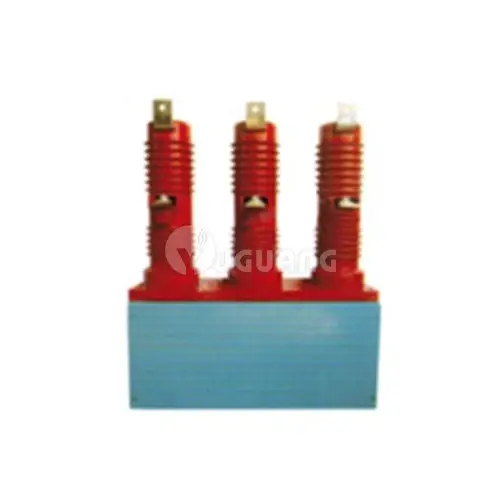
Comparing Modern Vacuum Contactors with Other Solutions
Procurement decisions benefit from understanding how vacuum contactors compare to alternative switching technologies. Each technology offers specific advantages depending on application requirements, operating conditions, and lifecycle cost considerations.
Performance Comparison with Magnetic Contactors
Because they depend on air arc extinction, traditional magnetic contactors have a lower voltage range and need more regular maintenance. Vacuum contactors provide better arc extinction performance while handling larger voltages and currents in smaller sizes. Since vacuum technology may function for millions of cycles without degrading, the maintenance benefits become especially important in applications that need frequent switching operations.
Vacuum contactors often have 10–50 times longer electrical life than similar magnetic devices, according to contact life comparisons. This longer lifetime immediately results in lower maintenance costs and better system availability, which is crucial in essential applications where unscheduled downtime has serious financial repercussions.
Advantages Over Air Circuit Breakers
Vacuum contactors provide more dependable switching for regular operations than air circuit breakers, which provide protective features. Contamination problems that may eventually impair the functioning of air circuit breakers are eliminated by the sealed vacuum environment. Additionally, vacuum devices run more silently, which is crucial for deployments close to populated areas.
Particularly in higher voltage situations where air circuit breakers become noticeably bigger and heavier, vacuum contactors win in terms of size and weight comparisons. Since vacuum technology eliminates the requirement for the clearance lengths required for air-insulated equipment, installation flexibility is increased.
Environmental Impact Versus SF6 Equipment
Due of sulfur hexafluoride's greenhouse gas characteristics, SF6 circuit breakers pose environmental risks despite their superior electrical performance. In many applications, vacuum contactors provide equivalent electrical performance while removing these environmental concerns. Vacuum technology is becoming more and more popular as environmental rules tighten.
In contrast to SF6 equipment, which requires recurring gas monitoring and perhaps replenishing, vacuum contactors need less maintenance. Unlike gas-filled alternatives, which need environmental monitoring, the sealed vacuum system retains its characteristics throughout the duration of the device's operation.
How to Choose the Right Vacuum Contactor for Your Industrial Needs?
A methodical assessment of technical specifications, operational circumstances, and long-term operational goals is necessary for choosing the right vacuum switching equipment. This procedure minimizes lifespan expenses and maintenance needs while guaranteeing peak performance.
Defining Technical Requirements and Operating Conditions
Proper selection is based on load analysis, which requires a thorough understanding of switching frequency, voltage levels, and current needs. Compared to resistive heating elements, inductive loads, such as motors, need distinct contact materials and arc extinction capabilities. Extremes in temperature, humidity, and exposure to contaminants are examples of environmental conditions that affect protection ratings and housing choices.
Control circuit compatibility affects integration costs and system complexity. Modern vacuum contactors offer various coil voltage options and control interfaces, from simple electromagnetic operation to sophisticated electronic control systems with diagnostic capabilities. Communication protocols enable integration with building management systems and industrial automation platforms.
Evaluating Supplier Capabilities and Support Services
Beyond product specs, supplier assessment takes into account technical support skills, delivery performance, and the caliber of after-sales services. Reputable manufacturers minimize implementation risks and maximize system performance by providing thorough technical documentation, application engineering assistance, and training programs.
Adherence to global standards and manufacturing best practices is shown by quality certifications such as ISO 9001, UL listing, and IEC conformance. Long-term supplier relationships and technological improvement depend on continuous innovation and product development skills, which are shown by patent portfolios and research spending.
Balancing Cost Efficiency with Operational Reliability
The original purchase price, installation expenses, upkeep needs, and anticipated service life are all included in the total cost of ownership study. Vacuum contactors may be more expensive initially than conventional options, but over the course of the equipment's operating life, their longer lifetime and fewer maintenance requirements often translate into cheaper overall expenses.
Long-term performance expectations are quantified with the use of reliability measures such as projected electrical life cycles and mean time between failures (MTBF). Technical support availability and warranty terms have an impact on risk allocation and future expenses, making them crucial components of the appraisal process.
Practical Considerations for Procurement and After-Sales Support
In addition to technical requirements, effective procurement strategies take into account logistical needs, support services, and long-term relationship goals. These factors have a big influence on operational results and project success.
Managing Lead Times and Custom Configuration Requirements
Standard vacuum contactor models usually ship in 7–15 days, however depending on the intricacy of the specifications, special configurations might take 30–60 days. Early supplier interaction throughout project planning stages helps in identifying possible delivery issues and creating suitable schedules. Although custom solutions meet specific application needs, they need longer lead times for engineering, testing, and production.
Strategies for inventory management strike a balance between carrying costs and availability needs. While less important installations may depend on supplier inventories and quick response times, crucial applications can warrant keeping extra units on hand. Opportunities for bulk ordering might lower unit prices while guaranteeing supply security for big projects or many installations.
Technical Support and Documentation Requirements
Installation time and the possibility of mistakes are decreased by thorough technical documentation, such as commissioning procedures, wiring diagrams, and installation manuals. Maintenance staff training programs guarantee correct functioning and prolong equipment life via proper handling and care. When problems occur, prompt troubleshooting and preventive maintenance scheduling are made possible by remote diagnostic capabilities.
Having technical help available throughout crucial installation and commissioning stages guarantees correct system integration and avoids expensive delays. Access to application knowledge and product upgrades that improve long-term performance and dependability are made possible by ongoing support partnerships.
Warranty and Service Agreement Considerations
Manufacturer trust in product quality and dependability is reflected in warranty periods. Financial stability during the first phase of operation is provided by comprehensive coverage that includes labor, parts, and consequential damage insurance. With lower risk exposure and predictable maintenance expenditures, extended warranty options may be able to justify higher initial prices.
Preventive maintenance plans, priority response obligations, and inventory management for spare parts are all examples of service agreements that guarantee continuous support availability. In addition to offering operational certainty, these agreements may lower overall ownership costs by minimizing the need for emergency services and optimizing maintenance scheduling.
Yuguang's Advanced Vacuum Contactor Solutions
Shaanxi Yuguang Electric Co., Ltd. brings over fifteen years of specialized experience in high-voltage electrical equipment manufacturing to the global market. Established in 2008 in Baoji, Shaanxi - China's vacuum circuit breaker production hub - Yuguang has developed comprehensive expertise in vacuum contactor design, manufacturing, and application engineering.
Innovation Through Research and Development
39 registered patents that span different facets of vacuum contactor technology and applications demonstrate the company's dedication to innovation. This vast portfolio of intellectual property demonstrates continuous investment in R&D, guaranteeing that products include the most recent technology advancements and industry best practices. The engineering team is constantly creating solutions for new applications, such as smart grid applications, electric car infrastructure, and renewable energy systems.
With standardized products and specially designed solutions, Yuguang's technological skills cover the whole voltage range from 6kV to 40.5kV, meeting a variety of industrial needs. With the backing of thorough testing and validation processes, scenario-specific modification options allow for adaption to challenging settings and particular industry needs.
Manufacturing Excellence and Quality Assurance
To guarantee component correctness and long-term dependability, advanced manufacturing lines make use of specialized tooling and aerospace-grade precision technology. Compact components with improved sealing performance and longer service life are produced using the integrated modular design concept. Multiple testing steps encompassing electrical performance, environmental resistance, and compliance verification are part of strict quality control procedures.
Acknowledgment as a "High and New Technology Enterprise" attests to the company's capacity for innovation and technological know-how, while ISO 9001:2015 accreditation shows adherence to global quality management standards. Product conformity with international standards and regulatory requirements is guaranteed by authoritative certifications and national inspection reports.
Comprehensive Service Portfolio
Yuguang offers full-chain services, starting with initial consulting and ending with ongoing operational support. While thorough installation instructions guarantee correct commissioning and peak performance, custom research and development capabilities handle particular application needs. Assistance with system integration, troubleshooting advice, and equipment adaption are examples of technical support services.
Maintenance contracts, the provision of replacement parts, and free modification plans that adjust to shifting operating needs are all included in after-sales service. Cross-border service capabilities guarantee effective implementation regardless of location by providing thorough documentation, training courses, and remote technical support to foreign clients.
Conclusion
Selecting the right vacuum contactor requires careful evaluation of electrical performance, safety features, integration capabilities, and supplier support services. Modern vacuum technology offers significant advantages over traditional alternatives through superior arc extinction, extended service life, and reduced maintenance requirements. Key selection criteria include voltage and current ratings, environmental protection levels, control system compatibility, and customization capabilities.
The investment in quality vacuum contactors pays dividends through improved reliability, reduced maintenance costs, and enhanced safety performance. Partnering with experienced manufacturers who provide comprehensive support services ensures successful implementation and long-term operational success across diverse industrial applications.
FAQ
Q1: What maintenance requirements do vacuum contactors have compared to traditional devices?
A: Vacuum contactors require significantly less maintenance than traditional air or oil-filled devices. The sealed vacuum chamber eliminates the need for arc-quenching medium replacement or cleaning. Routine maintenance typically involves periodic inspection of mounting hardware, electrical connections, and auxiliary contacts. Most quality vacuum contactors operate reliably for 15-20 years with minimal intervention, compared to traditional devices requiring annual or bi-annual service.
Q2: How do vacuum contactors improve safety in industrial applications?
A: Vacuum contactors enhance safety through multiple mechanisms including elimination of fire and explosion risks associated with oil-filled equipment. The sealed vacuum chamber prevents contamination and reduces arc flash hazards during switching operations. Built-in safety features like mechanical interlocks and position indicators prevent unsafe operations, while the absence of toxic arc-quenching gases creates safer working environments for maintenance personnel.
Q3: Can vacuum contactors integrate easily with existing control systems?
A: Modern vacuum contactors offer excellent integration capabilities through standardized control interfaces and multiple coil voltage options. Most units provide auxiliary contacts for status indication and system feedback, while advanced models include electronic interfaces compatible with industrial communication protocols. Modular designs and standard mounting dimensions simplify retrofit installations, often requiring minimal modifications to existing panels and control systems.
Partner with Yuguang for Superior Vacuum Contactor Solutions
Yuguang Electric delivers cutting-edge vacuum contactor technology backed by 39 patents and comprehensive industry certifications. Our extensive 6kV-40.5kV product range addresses diverse industrial applications through both standard and custom-engineered solutions. With advanced manufacturing capabilities, rigorous quality control, and full-chain service support, we ensure optimal performance for your critical switching applications.
Whether you need a single unit or bulk customization for large projects, our experienced team provides complete technical support from initial consultation through long-term operational assistance. Contact us at ygvcb@hotmail.com to discuss your specific requirements and discover how our innovative vacuum contactor solutions can enhance your operational reliability and efficiency.
References
1. IEEE Guide for Application of Vacuum Contactors. Institute of Electrical and Electronics Engineers Standards Association, 2019.
2. International Electrotechnical Commission. IEC 62271-106: High-voltage switchgear and controlgear - Part 106: Alternating current contactors for voltages above 1 kV. Geneva: IEC Publications, 2020.
3. National Electrical Manufacturers Association. NEMA ICS 5: Industrial Control and Systems Contactors, Starters, and Pilot Devices. Rosslyn: NEMA Standards Publication, 2018.
4. Zhang, Wei, and Liu, Ming. "Advanced Vacuum Contactor Technology for Modern Power Systems." Electric Power Systems Research, vol. 187, 2020, pp. 106-118.
5. European Committee for Electrotechnical Standardization. EN 60947-4-1: Low-voltage switchgear and controlgear contactors and motor-starters. Brussels: CENELEC Publications, 2019.
6. American National Standards Institute. ANSI C37.27: Application Guide for Low-Voltage AC Non-Integrally Fused Power Circuit Breakers. New York: IEEE Standards Association, 2021.

Send Inquiry
You may like
