
Top Power Distribution Equipment for Industries
When it comes to selecting top power distribution equipment for industries, understanding the critical role of reliable, high-performance systems becomes paramount. Industrial power distribution serves as the backbone of manufacturing facilities, power plants, and energy-intensive operations, ensuring seamless electrical flow from source to equipment. The right distribution infrastructure not only safeguards against costly downtime but also optimizes energy efficiency and meets rigorous compliance standards. Whether you're procuring for steel plants, chemical facilities, or renewable energy installations, your equipment choices directly impact operational safety, maintenance costs, and long-term profitability.
Understanding Industrial Power Distribution Systems
Both in terms of how complicated they are and how they need to be run, industrial power distribution is very different from business or household electrical systems. In tough environments, these systems must be able to handle much higher voltages, from 6KV to 40.5KV, and keep up with big loads all the time. They must also be very reliable.
Core Components That Drive Performance
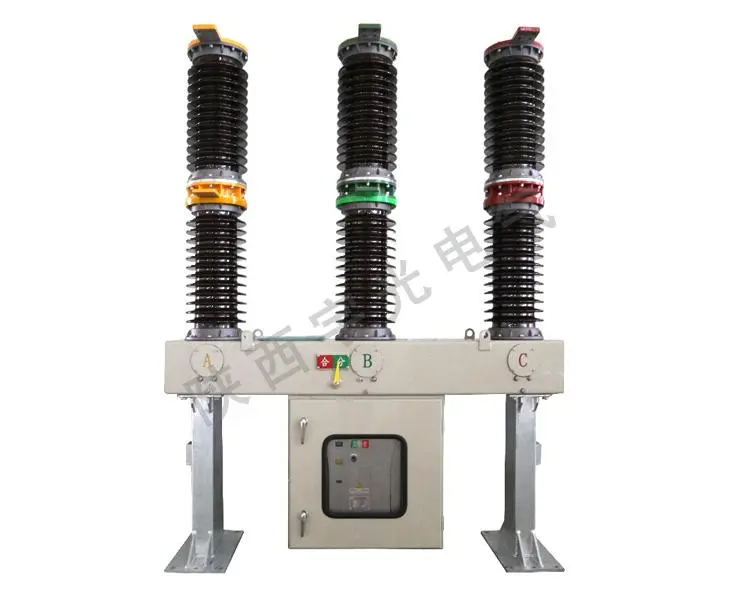
A strong industrial electricity network is made up of several important parts that work together smoothly. Electrical lines are controlled and protected by switchgear, which is also the main defense against overloads and breakdowns. Transformers change the voltage levels to meet the needs of different pieces of equipment. Distribution panels order and send power to different tools and production lines. Circuit breakers, especially vacuum circuit breakers with permanent magnet mechanisms, are very important for safety because they quickly stop fault currents before they do any damage.
Operational Flow and Voltage Management
Power comes from power sources or generators on-site and goes through entering switchgear, which protects and measures it first. The power levels are then changed by transformers to fit different operating zones. This conditioned power is sent to endpoints through various lines by distribution equipment. This keeps the voltage stable across the network. This organized flow makes sure that sensitive factory equipment always gets clean power, and safety features are always ready to quickly identify problems.
Equipment used in industrial settings needs to be able to handle high and low temperatures, corrosive atmospheres, dust, wetness, and mechanical movements. When procurement teams understand these basic ideas, they can use real working conditions to compare specs instead of just looking at general product lists.
Top Power Distribution Equipment Used in Industrial Settings
When choosing the right electricity infrastructure, it's important to think about the different types of tools, how they work together, and what they're used for. Industrial power distribution networks that work well are built on the following types of tools.
High-Voltage Switchgear Solutions
Metal-enclosed switchgear is the most common type used in industry because it is safer and takes up less space. Modern designs use vacuum arc extinguishing technology along with permanent magnet working systems to make them work without any upkeep, making them good for situations where they need to switch on and off a lot. These units have improved sealing qualities and are made of integrated modules. They have IP67 protection ratings, which mean they keep out wetness and particles even in harsh settings.
SF6 gas is used as an insulator in gas-insulated switchgear, which works very well in setups with limited room. Configurations that keep air out are cost-effective for buildings that have enough room and can control the surroundings. Each design meets a different set of operating needs, such as high-frequency switching for wind power or continuous-duty work for metallurgical processes.
Transformer and Control Panel Selection
Industrial transformers can handle large amounts of power while staying efficient and stable at room temperature. Voltage classes from 6KV to 40.5KV can be used for a wide range of industrial processes, from petroleum plants that need special ratings for dangerous locations to data centers that need precise voltage control. Dry-type transformers don't pollute the environment with oil, but oil-filled units work best for heavy-duty outdoor uses.
Control panels are like central command centers because they have communication ports, protective switches, and metering tools built in. Smart tracking features in more advanced panels keep an eye on power quality, guess when repair is needed, and allow for remote diagnostics. These features are very helpful for operations managers who want to cut down on unplanned downtime and make the most of repair plans.
Cable Infrastructure and Protective Devices
Power is reliably sent over long distances in facilities using high-quality wires made from materials that don't corrode. When you choose the right wire size, you can avoid power drops and thermal problems that slow down equipment. Ground fault monitors, arc fault protection systems, and surge suppressors are some of the protective devices that keep people safe and stop catastrophic breakdowns.
When these systems are put together, they make strong electrical networks that can handle tough industrial tasks and still meet strict safety standards like IEC 61439, IEEE C37.20, and OSHA rules. Following these rules keeps you from being sued and makes sure that your insurance coverage is true.
How to Choose the Best Industrial Power Distribution Equipment in 2026?
To make smart choices about what to buy, you have to weigh technical requirements against operational facts, budget limits, and long-term strategic goals. A number of important factors separate smart industrial power distribution equipment choices from mistakes that cost a lot of money.
Defining Operational Requirements
When figuring out load capacity, you have to take into account both present needs and expected growth. Peak load cases, starting surge currents, and possible future growth all play a role in choosing the right size. Ratings and material requirements for enclosures are based on things like atmospheric temperature ranges, altitude, humidity levels, and exposure to harmful substances. Facilities near the coast need better protection against corrosion, while facilities in the desert need to deal with high temperature changes and dust getting in.
Scalability makes sure that the investments made today can meet the needs of tomorrow without having to update the whole system. As output grows, modular equipment designs let capacity be added in small steps. This protects capital investments and keeps working flexibility.
Evaluating Manufacturer Capabilities
Siemens, Schneider Electric, ABB, and General Electric are some of the biggest names in their fields, and they offer a wide range of products and support networks around the world. Their methods are the result of decades of technical improvement and a lot of testing in a wide range of situations. Specialized makers, on the other hand, often offer clear benefits in terms of being able to customize, providing quick expert support, and keeping costs low.
This specialized method is shown by Yuguang, which combines 39 patented technologies with scenario-specific customization tools that solve specific industry problems. Their combined flexible designs make them small, have good sealing, and last a long time. This is especially helpful in harsh areas where regular equipment has trouble. The company's full-chain service model includes research and development, precise production, installation support, and full after-sales care. This way of doing business offers worry-free options instead of just selling parts.
Compliance and Long-Term Cost Analysis
Certifications for equipment show that it meets international safety standards, which lowers legal risks and shows that care was taken. Along with environmental and workplace health standards (ISO 14001 and ISO 45001), ISO 9001:2015 quality management certification shows that production processes are controlled in a planned way and are always getting better. National inspection reports and licenses for intellectual property management are more proof of expert knowledge and the ability to come up with new ideas.
The total cost of ownership is much higher than the price of the car itself. Ratings for energy economy affect current costs, while maintenance needs affect costs over the whole life of the product. Routine repair gaps are eliminated by equipment with vacuum arc extinguishing and permanent magnet systems. This cuts down on both direct service costs and production interruptions. Long-term practical risks can be kept to a minimum by working with dependable providers who offer clear warranty terms, easy access to spare parts, and quick expert support.
Maintenance, Common Issues, and Future Trends in Industrial Power Distribution
Proactive maintenance plans stop common types of failure before they happen, extend the life of tools, and get the best return on investment. Procurement teams can make smart choices when they know about common problems and new technologies in industrial power distribution.
Preventive Maintenance Best Practices
Protocols for regular inspections find problems as they start to form before they get worse and cost a lot to fix. Thermal imaging can find hotspots that mean connections are loose or circuits are overloaded. Insulation resistance testing shows the loss of resistance that happens before something breaks. Checking the tightness of a connection stops high-resistance joints that make heat and speed up the age of parts.
Maintenance times depend on how the equipment is used and how it was designed. Oil circuit breakers need to be inspected every three months, but new vacuum breakers with fixed magnet systems don't need to be serviced for years. This difference has a big effect on budgets for operations planning and upkeep. Monitoring corrosion is very important in places like chemical processing or the coast, where harsh atmospheres make materials break down faster, even with protective coats.
Common Failure Modes and Solutions
Equipment overflow is still a common problem, which usually happens when production goes up without the electricity grid getting better at the same time. Load tracking tools let you know early on when your capacity is getting close, so you can make plans to expand ahead of time. Most of the time, insulation breaks down because of wetness getting in, temperature changes, or contamination. These devices can't work because of good seals (IP67 ratings) and choosing the right enclosure.
Connection rust speeds up in harsh settings if the materials and surface processes aren't right for the circumstances. Ceramic and powder coating treatments followed by controlled bonding processes make things more resistant to acidic environments and make them last longer. Knowing about these problems helps procurement teams set the right amounts of safety and repair support needs. When problems happen, suppliers who offer free change plans, fitting help, and a wide range of spare parts are less likely to cause problems.
Emerging Technologies and Smart Integration
The Internet of Things (IoT) and smart grid integration are two major trends that are changing the way industrial electricity infrastructure is built and used. Connected sensors constantly monitor working conditions and send real-time information to central platforms that look for trends, predict breakdowns, and improve performance. These systems can pick up on small changes that mean problems are starting to form. This lets condition-based maintenance fix problems during planned downtime instead of waiting for problems to happen out of the blue.
Advanced energy management systems make the best use of the power that each facility uses by moving loads to off-peak times, managing the fluctuations in green energy production, and lowering demand charges. Digital twin technologies make virtual copies of electrical systems that can be used to test and improve them without putting real equipment at risk. These improvements have real benefits, like less downtime, lower energy costs, and better insight into operations.
These features should be taken into account when planning purchases, and technology should be chosen so that it works with current communication protocols and property management systems. Investing in infrastructure that is ready for the future protects against hasty decline and allows for ongoing efforts to improve things.
Procurement Guide: How to Source Industrial Power Distribution Equipment
To make sure that projects go well and operations run smoothly for a long time, effective sourcing for industrial power distribution involves systematically checking the skills of suppliers, the specs of products, and the terms of the deal.
Supplier Verification and Certification
Real providers show they are trustworthy by having recognized qualifications, written references, and open business practices. ISO quality management approval means that production processes are controlled in a planned way and are always getting better. ISO 9001:2015, ISO 14001, and ISO 45001 certifications show a systematic approach to manufacturing. Patent portfolios and high-tech business titles show that a company can really innovate, not just rebrand products. Compliance with electricity safety standards and government rules is proven by national inspection records and official qualifications.
The terms of the warranty show that the maker trusts the product to work well. Comprehensive coverage periods, clear claims processes, and service networks that are easy to get to all show that the company cares about its customers' success. Total ownership risk is lower and daily planning is easier when suppliers offer installation help, upkeep agreements, and spare parts that are easy to get.
Custom Engineering Versus Standard Products
Standard equipment works well in a lot of situations and is available at reasonable prices and with faster lead times. Yuguang's standard products arrive within 7–15 days, which speeds up the project finish. Customized solutions, on the other hand, are very helpful for places that have specific needs, like those with odd voltage levels, harsh environmental conditions, integrating old systems, or using specific operating routines.
Custom engineering solves problems that make standard tools less useful or force operators to make less-than-ideal choices. Yuguang's scenario-based customization tools use corrosion-resistant metals, better sealing systems, and better designs to make equipment work in harsh conditions and meet the needs of specific industries. Their aerospace-grade precise production technology makes sure that their products are accurate and reliable, even in the most difficult situations. Because of the complicated engineering and specialized production processes involved, customized goods usually take 30 to 60 days to finish. Whether to use standard or special tools depends on the needs of the project. Having access to both gives you the freedom to find the best balance between cost and performance in a wide range of situations.
Pricing Transparency and Logistical Considerations
Clear price systems help build trust and make it possible to make accurate budgets for projects. In-depth quotes should list the costs of the equipment, installation help, setup services, training, and the length of the guarantee. Any fees or terms that aren't clear can mean problems and make budgeting harder. Small projects and pilot setups are affected by minimum order amounts. Suppliers who accept orders for a single unit show that they are flexible and focused on the customer.
How things are packaged affects how they are brought and how ready they are to be installed. Wooden packing that meets international shipping standards and is resistant to moisture and shock protects equipment while it's in transit, especially when it's being sent abroad. Installation and commissioning go smoothly when there is the right paperwork, like test records, operation manuals, and upkeep guides.
Dependability in delivery has a direct effect on sticking to project plans and budgets. Delays are kept to a minimum by suppliers who have established supply lines, good product management, and proven logistics skills. Clear information about the state of production and the tracking of shipments cuts down on uncertainty and makes planning easier.
Creating relationships with trustworthy providers has benefits that last longer than just one transaction. Trusted relationships make it easier to work together to solve problems, get help quickly in an emergency, and get early access to new technologies. These benefits have a big effect on business success and where you stand in the market.
Conclusion
When businesses choose the best industrial power distribution equipment, they have to balance technical specs, operational needs, supplier skills, and long-term strategy factors. Comparing product datasheets isn't enough for successful procurement. You also need to look at the qualifications of the maker, their ability to make changes, their service promises, and the total cost of ownership. Buying new equipment has a big effect on how safe and reliable the building is, how much upkeep it needs, and how much money it makes over its lifetime. Partnering with suppliers who offer proven knowledge, real creativity, and a real dedication to customer success brings the most value and the least amount of risk over the entire lifetime of the equipment.
FAQ
What distinguishes low voltage from medium voltage distribution equipment?
Low voltage systems work below 1000V AC and usually provide the last bit of power to individual machines and lighting circuits. Medium voltage equipment sends power from generators or utility sources to facility substations and large load areas. It can handle voltages from 1KV to 52KV. Because of the higher energy levels and arc flash risks, medium voltage systems need better insulation, specialized security devices, and tighter safety rules. The choice of equipment is based on the power needs of the building, the lengths of the distribution lines, and the features of the loads.
How often should industrial distribution equipment undergo inspection?
How often you inspect relies on the type of equipment, how it is used, and what the maker recommends. Critical equipment in tough settings should be visually checked every month and more thoroughly checked every three months. Vacuum circuit breakers with fixed magnet mechanisms are examples of equipment that doesn't need to be maintained and may only need a full check once a year in normal situations. Facilities should write down repair plans based on what they need to do for operations and keep track of results to see if there are any degradation trends that need immediate attention.
What are the main things that affect the cost of delivery equipment?
Prices are affected by a lot of factors, such as voltage class, current rate, safety features, enclosure specs, and licensing needs. Custom engineering, materials made for harsh conditions, and advanced tracking tools all add to the cost, but they also improve operations in the same way. Long-term ownership costs, such as energy efficiency, upkeep needs, and dependability, are much higher than initial purchase prices. This is why total cost analysis is so important for making smart choices.
Partner with Yuguang for Your Industrial Power Distribution Needs
Yuguang offers complete solutions that deal with the complicated problems that modern factories have to deal with. Our 6KV–40.5KV equipment coverage, along with 39 patented innovations and solid ISO certifications, makes sure that it works well in a wide range of challenging situations, from heavy manufacturing to power generation. As an experienced industrial power distribution provider, we offer customized solutions that work in harsh environments, combined modular designs that have small footprints and better sealing, and full-chain service that includes everything from research and development to ongoing support after the sale. Get in touch with our team at ygvcb@hotmail.com to talk about your unique needs and find out how our maintenance-free vacuum circuit breakers and other custom solutions can help you save money while also making things safer and more reliable.
References
1.Institute of Electrical and Electronics Engineers. (2021). IEEE Standard for Metal-Enclosed Low-Voltage AC and DC Power Circuit Breaker Switchgear. IEEE Standards Association.
2.International Electrotechnical Commission. (2023). IEC 61439: Low-voltage Switchgear and Controlgear Assemblies. IEC Publication Series.
3.National Electrical Manufacturers Association. (2022). Industrial Power Distribution Equipment: Selection and Application Guidelines. NEMA Standards Publication.
4.American Society of Mechanical Engineers. (2023). Best Practices for Industrial Electrical Systems Maintenance and Safety. ASME Technical Papers.
5.Electrical Safety Foundation International. (2024). Medium Voltage Equipment in Industrial Facilities: Safety and Performance Standards. ESFI Research Reports.
6.Society of Manufacturing Engineers. (2023). Power Quality and Distribution in Modern Industrial Operations. SME Industry Analysis Publication.

Send Inquiry
You may like
