
Understanding Circuit Breakers: A Comprehensive Guide
Circuit breakers are the most important part of electricity safety systems in businesses and factories all over the world. There are many types of safety devices on the market, but the manual circuit breaker stands out as a reliable, operator-controlled option that keeps electrical lines safe. Because these devices let people directly control electrical systems, they are essential for situations where people need to act quickly and accurately while keeping an eye on things in critical infrastructure settings.
Introduction to Manual Circuit Breakers
Manual circuit breakers are an important type of electrical safety device because they need to be set off by a person, unlike automatic circuit breakers that trip based on known electrical conditions. These gadgets have mechanical switching systems that let people open or stop electrical lines by hand. This gives them direct control over systems that distribute power.
Definition and Operational Principles
The main way that manual circuit breakers work is by using mechanical contacts to connect and disconnect. When a person pulls on the breaker handle, internal processes either make the circuit's electricity flow again or stop it. The device has arc-extinguishing chambers that safely handle the electrical arc that is created when moving, protecting both the user and the equipment.
Primary Types in Industrial Settings
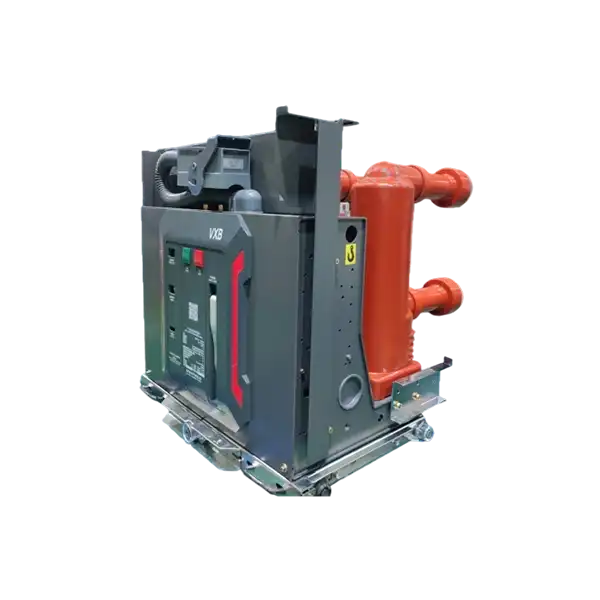
In industrial settings, different types of manual circuit breakers are often used, each one built to meet specific working needs. Most medium-voltage uses use air circuit breakers, which put out arcs with compressed air. Vacuum circuit breakers work best in places with a lot of power because they use vacuum technology to stop better. Even though oil circuit breakers aren't used as much in new setups, they can still be used in some older systems that need strong switching power.
Relevance in Modern Electrical Systems
Even though automation has come a long way, manual circuit breakers are still very important in today's electricity system. They provide important backup control systems in case automatic systems fail, allow precise operating control during repair procedures, and allow quick reaction in case of an emergency. Because they are mechanically simple, they are more reliable and don't need as many electrical control systems.
Manual Circuit Breakers vs. Other Protection Devices
Knowing the differences between manual circuit breakers and other types of safety devices helps you make smart purchases that improve system performance and working efficiency.
Comparison with Automatic Circuit Breakers
Automatic circuit breakers use overcurrent, undervoltage, or differential safety methods to fix electrical problems without any help from a person. Manual breakers need to be set by a user, but they offer more precise control for planned switching activities. Automatic devices are great at finding and fixing problems, but manual units give you the most freedom when it comes to moving operations and doing maintenance.
Manual Breakers vs. Fuses
Fuses protect only one time by using "sacrificial" parts that melt when there is a fault. Manual circuit breakers can protect more than one thing, have trip settings that can be changed, and can be reset right away. When switching processes happen a lot or there are brief overload situations, the cost savings of manual circuit breakers become clear.
Advantages in Industrial Applications
When buying things for industry, manual circuit breakers have a number of important benefits. Their technical strength makes sure that they work reliably even in tough environments. Being able to switch tasks without control power makes the system more reliable when the power goes out. Maintenance workers can easily test and confirm that breakers work by manually activating them. This makes preventative maintenance programs easier to use.
Selecting the Right Manual Circuit Breaker for Your Needs
To make the right choice, you need to carefully look at the technical specs, business needs, and long-term performance goals that are unique to each application.
Critical Technical Parameters
Figuring out the load limit is the first step in choosing the right breaker. The current values must be higher than the highest predicted load currents by a sufficient amount to ensure safety. When taking into account possible overvoltage situations, voltage rates should match or go above the system voltage levels. To make sure safe interruption capability, breaking capacity requirements must take into account the highest possible fault currents.
Step-by-Step Selection Process
The first step in the selection process is a full load study that looks at steady-state currents, starting currents for motor loads, and possible fault current levels. After that, environmental factors like temperature ranges, humidity levels, and possible contact to toxic atmospheres are looked at. An operational needs review looks at things like expected switching frequencies, control power supply, and how well the new system will work with current protection systems.
Leading Manufacturers and Brand Considerations
Siemens has strong manual circuit breaker options that have been used successfully in tough industrial settings. Schneider Electric comes up with new designs that combine old-fashioned dependability with new safety measures. ABB offers high-performance choices that work well in big industrial settings. Eaton is an expert at finding low-cost options that don't sacrifice important safety and performance factors. GE still has a lot of good products for utility and big industry uses that need to be very reliable.
Installation, Maintenance, and Troubleshooting of Manual Circuit Breakers
Lifecycle management makes sure that manual circuit breakers work at their best for as long as they are in use, which maximizes return on investment while keeping safety standards.
Safe Installation Practices
The steps for installation must be in line with the electricity rules and manufacturer's instructions. Proper grounding sets up important safety bases, and enough spaces make sure that operation and repair can be done safely. Electrical links must meet certain torque requirements so that they don't become free, which could cause them to overheat and break early.
Wiring Techniques and Safety Features
These days, manual circuit breakers have a lot of safety features, such as position markers, padlocking options, and arc flash protection. When you use the right size wire, you can avoid power drops that could affect how well the breaker works. To make sure long-term dependability, connection methods must take temperature growth and mechanical stress into account.
Routine Maintenance and Troubleshooting
Scheduling regular inspections helps find possible problems before they get worse. Lubricating mechanical parts keeps them running smoothly and increases their useful life. Contact resistance readings show damage that needs to be fixed. Testing the operating system makes sure that the mechanics work right and shows what adjustments need to be made.
Purchasing Manual Circuit Breakers: Market Insights and Procurement Tips
Strategic methods to buying things get the best value while making sure that the supply chain management for important electrical safety equipment, such as the manual circuit breaker, is effective.
Market Trends and Pricing Analysis
The current state of the market is good for buyers who want to buy good manual circuit breakers from well-known companies. Competitive price shows how efficiently goods are made and how well the global supply chain works. As technology integration trends show, there is a growing need for units that can work with digital tracking systems while still being able to be operated manually.
Strategic Procurement Considerations
When buying in bulk, especially for big projects or needs that span multiple facilities, the savings are often very big. Managing lead time is very important for the success of a project, especially when the setups are unique or customizable. The steps used to qualify suppliers should look at their ability to make things, their quality control methods, and their promises to provide long-term support.
Logistics and Global Supply Chain Management
When doing business internationally, you need to pay close attention to shipping requirements, government paperwork, and following the rules. The rules for packaging must protect fragile parts during travel while keeping shipping costs as low as possible. The total cost of ownership is affected by the ability to provide local help through faster service reaction times and easier access to parts.
Conclusion
Knowing about circuit breakers, especially manual circuit breakers, helps procurement workers make smart choices that improve the stability and efficiency of the electrical system. These devices are still very important to modern electricity systems because they offer the best mechanical reliability and operator control. If you choose, install, and maintain them correctly, they will work at their best for as long as they are used. Strategic methods to buying things get the best value while building trusting relationships with suppliers that help businesses succeed in the long run, particularly when sourcing critical components like the manual circuit breaker.
FAQ
What role do manual circuit breakers play in industrial electrical safety?
Manual circuit breakers are necessary for protecting electricity because they can be switched on and off by a user. In an emergency, they can immediately cut off the circuit, make servicing safer, and provide backup control if automatic systems fail. Their mechanical process makes sure that they work even if the main power goes out.
How do I choose between manual and automatic circuit breakers for my application?
The choice relies on the needs of the business and the way you think about security. When exact operator control, planned switching activities, and backup safety are needed, manual breakers are the best choice. Automatic breakers are good for situations where a fault needs to be fixed right away without any help from an expert. For full safety, many methods work better when both types are used together.
Can manual circuit breakers integrate with modern automation systems?
Modern manual circuit breakers have extra contacts, position markers, and the ability to be monitored from afar that make them easy to integrate with automation. They can still be operated by hand, but they can also send state information to automation systems and receive remote trip signs when needed. This mixed method blends the benefits of automation with the freedom of human control.
Partner with Yuguang for Reliable Manual Circuit Breaker Solutions
Yuguang Electric offers excellent manual circuit breaker solutions that are backed by 39 patents and ISO certifications. This guarantees that the quality and performance of your important applications will be the best. Our full OEM and ODM services let us make high-voltage equipment that fits the needs of a wide range of industries. We are your reliable seller of manual circuit breakers for long-term business success because we have advanced research and development tools and strict quality control. For more information on our full line of manual circuit breakers and reasonable prices, please email our technical experts at ygvcb@hotmail.com.
References
1. Institute of Electrical and Electronics Engineers. "IEEE Standard for AC High-Voltage Circuit Breakers Rated on a Symmetrical Current Basis." IEEE C37.06-2009.
2. International Electrotechnical Commission. "High-voltage switchgear and controlgear - Part 100: Alternating current circuit-breakers." IEC 62271-100:2021.
3. National Electrical Manufacturers Association. "Application Guide for AC High-Voltage Circuit Breakers Rated on a Symmetrical Current Basis." NEMA SG4-2017.
4. Greenwood, Allan. "Electrical Transients in Power Systems, Second Edition." John Wiley & Sons, 1991.
5. Flurscheim, Charles H. "Power Circuit Breaker Theory and Design." Institution of Engineering and Technology, 1982.
6. Garzon, Ruben D. "High Voltage Circuit Breakers: Design and Applications, Second Edition." Marcel Dekker Inc., 2002.

Send Inquiry
You may like
