
Understanding Your Breaker Panel: A Comprehensive Guide
For keeping working safety and dependability, it is essential to understand your breaker panel when you are in charge of large-scale industrial electrical systems. A breaker panel is the main hub that controls how electricity is sent throughout a building. It holds different types of circuit safety devices, such as manual breakers, automatic circuit breakers, and specialized interruption equipment. Understanding breaker panel design is important for procurement managers and chief engineers who are in charge of power plants, factories, or building projects because it affects the choice of equipment, how to maintain it, and the long-term costs of running the business. This guide looks at the important parts inside breaker panels, focusing on how to use them by hand, the best ways to place them, and how to buy them strategically for high-voltage industrial uses.
What Is a Manual Breaker? Essential Knowledge for B2B Buyers
A basic type of circuit safety device is a manual breaker, which needs to be physically operated to open or stop an electrical circuit. Manual breakers, on the other hand, require conscious human action through toggle handles or rotary devices, as opposed to automatic breakers, which trip immediately upon sensing a fault. This feature of their design makes them very useful in controlled industrial settings where circuit separation is needed on purpose during repair or planned shutdowns.
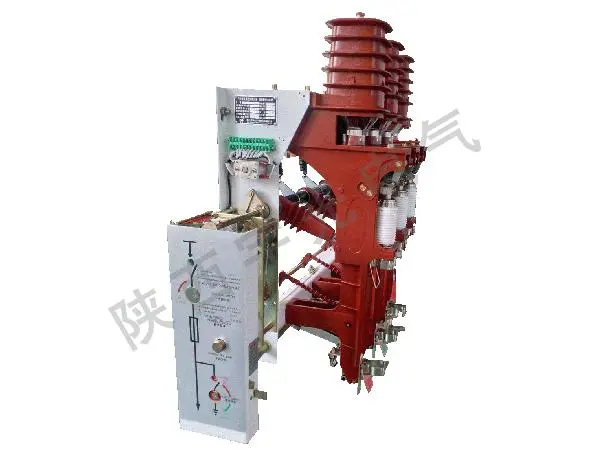
Core Components and Operating Principles
There are several designed parts inside manual breakers that work together to make up their internal layout. The toggle handle is physically connected to a contact assembly. The contact assembly has both fixed and moving contacts that are used to start or stop the flow of current. By moving the handle to the "on" position, the connections close and the electrical line is complete.
Putting the handle on "off" splits the contacts, which breaks the circuit. Most of the time, silver plating or copper alloys are used on the touch areas to reduce resistance and stop warmth caused by oxidation. Industrial-grade manual breakers also have arc-chutes that safely put out electrical sparks that are created when the circuit is interrupted. This keeps the touch surfaces and other parts around them from getting damaged.
Classification of Manual Breaker Types
In industrial settings, there are different types of manual breakers, and each one is best for a certain set of tasks:
Thermal Manual Breakers have bimetallic strips that bend when the overload lasts for a long time, which automatically sets off the trip mechanism. These devices work great in situations where the load rises slowly. They offer time-delay protection that stops annoying trips when the motor starts up or the transformer turns on.
Magnetic Manual Breakers use electromagnetic bands to make power that is related to the flow of current. When short-circuit currents surge through the coil, the magnetic field that forms rapidly sets off the trip mechanism, protecting against catastrophic faults very quickly. Because they can work in settings with a lot of harmonics, magnetic manual breakers are often used in steel mills and arc furnaces.
Hydraulic-Magnetic Manual Breakers have exact time-current characteristics because they mix fluid dampening with magnetic trip elements. The hydraulic system slows tripping during safe overloads and lets it respond right away to short circuits. Because they can do two things, they work well with other safety devices further down the line in complicated distribution systems.
By knowing these differences, buying teams can match the features of breakers to the needs of each building. This lowers the risk of equipment failure and makes the system more resilient overall.
Evolution and Modern Design Enhancements
Since the early days of knife switches and combined disconnects, breaker technology has come a long way. Modern manual breakers use new materials science discoveries, like vacuum interrupter technology for medium-voltage uses and options to SF6-free gas shielding. Contact pressure limits in manufacturing processes can now be measured in microns. This makes sure that performance stays the same over millions of working cycles. These changes directly address buying problems related to long-term dependability and lowering upkeep costs. This is especially important for operators who are in charge of infrastructure that has a 25-year lifecycle.
Manual Breaker Installation, Maintenance, and Safety Guidelines
When you place a manual breaker panel correctly, it will work reliably for many years to come. Vibration, high temperatures, and pollution are some of the problems that come up in industrial settings. These problems need to be installed carefully and maintained regularly.
Installation Procedures for Industrial Environments
The first step in the installation process is to make sure that the electrical values of the manual breaker and the panel's busbar setup are compatible. The voltage class, steady current rate, and short-circuit interrupting ability must all match the requirements of the system. The mounting gear should be the same as what the panel maker recommends. Usually, torque-controlled fastening is needed to get the right contact pressure without putting too much mechanical stress on the panel.
Pay close attention to wiring links. To make gas-tight joints, the terminal lugs must be the right size and sealed with hydraulic tools that have been measured. Loose connections make high-resistance places that heat up specific areas. This speeds up the breakdown of insulation and raises the risk of a fault. Industrial standards say that anti-oxidant substance should be put on aluminum wires and belleville washers should be used on copper terminations to keep the contact solid during thermal cycles.
The panel's physical placement should make it easier for the user to get to while still allowing for the necessary electrical gaps. Based on voltage class and arc flash category, the National Electrical Code and IEC guidelines say how far apart things must be. Using sturdy, machine-readable tags for proper marking makes it easy to find things quickly in case of an emergency, which is especially important for factories that work around the clock.
Maintenance Best Practices and Calibration
How often routine repair is done depends on the job cycle and the harshness of the working environment. Facilities that switch on and off a lot or are exposed to electrical dust should have inspection schedules every three months. Cleaner environments that don't cycle as often may be able to extend their maintenance windows to once a year.
Visually checking for coloring that could mean the machine is too hot, trying the machine's mechanics to make sure the handle moves smoothly, and measuring contact resistance with micro-ohmmeters are all parts of the inspection process. When resistance values are more than 20% higher than the manufacturer's standards, it means that the contact or metal is wearing down and needs to be fixed. When cleaning, you should use non-abrasive solutions that protect the silver plate. Sandpaper and wire brushes damage the surface in a way that can't be fixed and speeds up the oxidation process.
To calibrate thermal and magnetic trip elements, you need special test tools that can inject exact amounts of current while keeping an eye on the trip timing. This check makes sure that the safety coordination stays the same as the breaking parts age. Keeping records of calibrations shows that you are following the rules and helps repair programs that focus on reliability.
Safety Protocols and Risk Mitigation
When using a manual switch, there is a risk of arc flash that needs to be fully protected against. Electrical workers who are qualified must wear the right safety gear that is rated for the amount of incident energy in the panel. De-energization processes that follow lockout/tagout rules keep people from being exposed during repair work.
Any changes to the system that change the available fault current should be reflected in the arc flash border calculations. More and more modern breaker panels are made with arc-resistant materials that move fault energy away from user positions. This makes injuries much less severe when internal failures happen. These safety features should be given top priority in the procurement standards, especially for retrofits in old infrastructure where fault current levels may have gone up because the utility system was made stronger.
Comparing Manual Breakers: Making Informed Procurement Decisions
For strategic buying to work, technical performance, total cost of ownership, and supplier skills need to be evaluated in a planned way. Automatic and electronic options, as well as manual breaker units, are all competing in a number of decision factors that change depending on the needs of the application.
Performance Analysis Across Breaker Technologies
Manual breakers are very useful in situations where the user needs to have complete control and the breakers shouldn't trip by accident. In contrast to electrical trip units, which are susceptible to failure from changes in voltage or electromagnetic interference, manual breakers offer mechanical dependability without the need for additional power sources. This trait is useful in remote substations or tough industrial settings where reducing failure modes is the most important thing.
Automatic circuit breakers are great for finding faults quickly and running on their own, which makes them ideal for projects that don't need to be watched or for tasks that need precise chosen coordination. Response speed vs. operational control are the two performance trade-offs. With manual breakers, the stoppage sequence includes time for the person to respond, but fake trips that stop production don't happen.
There are more costs to think about than just the original buy price. Manual breakers usually have lower purchase costs, but they may need to be inspected more often because of the way they wear out mechanically. Facilities with established preventive maintenance programs often find that manual breakers have a lower total cost of ownership than complex electronic units that need trained workers and special troubleshooting tools.
Durability Under Industrial Operating Conditions
Environmental factors have a big effect on how long a device lasts. Marine-grade manual breakers have conformal coats and stainless steel parts that make them more resistant to rust. When sites are at high altitudes, they need to be rated differently because the dielectric strength is lower in thinner air. Extreme temperatures can damage lubricants and contact materials, so specifications need to be looked over for uses outside of normal 40°C ambient rates.
Mechanical life changes a lot from one company to the next. Contact erosion rates decide how often to do upkeep and when to replace parts, which has a direct effect on lifetime costs. Specifications for purchases should include written results from endurance tests that show the ability to handle planned job cycles. Breakers rated for 10,000 or more mechanical operations are needed in thermal power plants where the load changes often. Breakers rated for 1,000 operations may be enough for distribution uses.
Manufacturer Evaluation and Supply Chain Reliability
To choose reliable makers, you need to look at their technical skills, ability to meet approval requirements, and support infrastructure. Established sellers keep large testing facilities for type testing and regular checks, which makes sure that products from different runs are the same. Certification to IEC 60947 and UL 489 standards shows that the product meets safety and performance standards that are known around the world.
For big projects that need to be delivered in stages, supply chain stability is very important. Schedule risks are kept to a minimum by manufacturers who keep enough supplies on hand and can change their production capacity as needed. When judging a company, you should look at things like their wait times, their ability to speed up work, and where their delivery centers are located. You can avoid forced obsolescence and unexpected replacement costs by being able to provide matched extra parts years after the original purchase.
Troubleshooting and Optimizing Manual Breaker Performance
To keep manual breaker function at its best, you need to use regular diagnostic methods and aggressive optimization strategies. Field experience shows common types of failure and effective ways to fix them that can be used in a wide range of business settings.
Diagnostic Methods for Common Electrical Faults
The most common way that things break down is for contact resistance to rise. Terminal spots that are darkened, smell funny, or show temperature rise on infrared scans are all signs of this. De-energizing and measuring with a micro-ohmmeter across contact surfaces are needed to prove the diagnosis. If the resistance value is more than 50% of the original value, it needs to be replaced right away to stop thermal runaway.
When there is mechanical binding, the working force on the handle goes up or the handle doesn't fully close. Root reasons include rust building up on hinge points, deteriorating lubricant, or frame distortion from fixing hardware that is too tight. To fix something, you have to take it apart, clean it with the right solvents, and put it back together again using chemicals that the maker says are safe. Binding that doesn't go away after cleaning means there is damage inside the unit that needs to be replaced.
Thermal breakers often trip for no reason when the outdoor temperature is higher than what was expected or when dust insulation builds up and makes it harder for heat to escape. Changing things in the environment, like adding forced air flow or cooling to the panel, might fix the problem without having to replace the breaker. Power quality testers should be used to look at the harmonic current content of magnetic breakers that trip for no apparent reason. High-frequency components can cause the magnets to engage too early.
Load Capacity Optimization and Voltage Rating Compliance
Making sure that switches work within certain limits increases their efficiency and stops them from breaking down too soon. To keep reasonable temperature rise margins, continuous current loads should stay below 80% of the breaker's nameplate value. When there are a lot of motor loads, starting current profiles need to be thought about so that the heating elements don't get worn out from repeated inrush events.
Voltage rating compliance includes more than just the standard system voltage. It also includes the highest system voltage when there isn't much load on it. In order to work with the voltage control band, a 480V breaker usually needs at least 600V of insulator class. Higher voltage class selection is better for installations that are likely to be hit by lightning or switching spikes because it gives the insulation more room to expand, which makes it last longer.
Durability Enhancement Through Preventive Maintenance
Breakers can have their service lives extended beyond what was expected by the original design by upgrading certain parts. Using silver-bearing substances to restore contact surfaces can briefly fix broken interfaces until replacements can be found. Checking and replacing the spring's tightness keeps the right contact pressure all the way through the working cycle.
Protecting the environment has a big effect on how long something lasts in tough situations. In humid places, sealed boxes with desiccant packs keep water out. Installing vibration isolation fixing lowers mechanical stress in places close to equipment that moves back and forth. These proactive actions cut down on unplanned downtime and increase the time between replacements, which directly helps practical cost reduction goals.
Strategic Procurement and After-Sales Considerations for Manual Breakers
Procurement strategies that work well combine technical needs with business needs, building relationships with suppliers that support long-term practical goals. Because buying high-voltage equipment is so complicated, it needs to be carefully looked over before it is bought.
Procurement Process and Pricing Navigation
Online shopping sites have changed the way industrial equipment is bought by making prices and supply more understandable. The price of a manual breaker depends on a number of things, such as the voltage class, the interrupting ability, and the approval standards. When compared to single-unit deals, volume buying agreements usually offer discounts of 15–25%. This makes consolidated sourcing across multiple project phases a good financial idea.
Warranty Provisions and Ongoing Service Support
Standardization gains are also taken into account when buying in bulk. By limiting breaker specifications to a smaller number of makers and model series, it becomes easier to keep track of spare parts and less training is needed for repair staff. Cost savings from combining inventories and making technicians more skilled often outweigh the differences in the original buy prices between suppliers.
When a project has a firm date for commissioning, it's important to coordinate delivery plans. Reliable sellers keep up distribution networks that let customers in the same area stock up and get items faster. Contracts for buying things should include delivery windows, rules for packing items safely, and punishments for delays in the plan that affect project goals.
Customization and OEM Partnership Opportunities
A full warranty guards against problems with the way the product was made and early breakdowns during the important early operation time. Standard industrial guarantees usually last between 18 and 24 months from the date of commissioning or 36 months from the date of shipment, whichever comes first. Options for longer warranties offer extra safety for important uses where the effects of equipment failure are worth the extra cost.
Long-term serviceability depends on how easy it is to get replacement parts. Manufacturers that are committed to supporting their products throughout their entire lives keep extra parts in stock for 15 years or more after production stops. Specifications for purchases should include written promises about the availability of parts and deals to keep prices stable, so that costs don't go up too much because of obsolescence.
Different providers offer very different levels of technical support. When specifications are being made, responsive support organizations help with application engineering. During testing, they guide installation and offer troubleshooting skills when operating problems arise. To rate the level of service, you have to look at things like promised response times, expert certification programs, and the locations of service centers.
Customized options that meet specific operating needs are often better for big projects. As a result of OEM relationships, changes to specifications are possible, such as better sealing against the environment, voltage ratings that aren't standard, or built-in tracking interfaces. As a result of these partnerships, suppliers need to have strong technical backgrounds and manufacturing systems that can adapt to changes in design without causing too many wait time problems.
Investments in customization should be backed up by volume promises that are in line with realistic project forecasts and backup plans. Clear intellectual property deals protect secret ideas while giving suppliers the right to make the goods. When OEM partnerships are done right, they build unique solutions that give companies an edge in certain market areas.
Conclusion
Industrial decision-makers can improve the efficiency of electricity distribution systems while keeping costs low over their lifetimes by understanding how breaker panels are built and how manual breaker units work. Technical factors like choosing the right breaker, following installation steps, planning for upkeep, and evaluating suppliers all have a direct effect on working uptime and safety performance. Manual breakers are still very important in situations where the user needs to have full control and the mechanics need to be very simple.
This is especially true in heavy industrial settings where electromagnetic interference and harsh conditions make electronic options impractical. Strategic methods to buying things that focus on evaluating suppliers' abilities, offering full warranties, and making sure that parts are always available set the stage for decades of reliable service. By using the best practices and structured review methods described in this guide, procurement teams can set up their companies to get better equipment performance and long-term operating excellence.
FAQ
What distinguishes manual breakers from automatic circuit breakers in industrial applications?
Manual switches need to be opened or closed by a person on purpose, which gives the operator control during repair or planned isolation processes. Automatic breakers automatically trip when they sense a fault, so no one has to do anything. Manual versions don't trip when transient disturbances happen and don't need extra power sources, which makes them useful in harsh electromagnetic settings or remote sites that value mechanical dependability.
How frequently should manual breakers undergo maintenance inspection in heavy industrial settings?
How often inspections are done relies on the working setting and the severity of the duty cycle. Facilities that switch on and off a lot, are exposed to conductive dust, or have high temperatures should set up check schedules every three months. Maintenance windows may be extended to once a year in cleaner settings where riding doesn't happen very often. Some important measures are measuring contact resistance, making sure the motor action is smooth, and looking for signs of overheating. Keeping written records of inspections helps with predicted maintenance plans and following the rules.
What technical specifications require verification during manual breaker procurement?
Some important specs are the voltage class, the rating for constant current, the rating for short-circuit interrupting ability, and the compliance with certification. For enough thermal margin, the breaker's continuous value should be at least 25% higher than the predicted load current. The interrupting capacity must be equal to or greater than the highest fault current that can flow at the installation site. When choosing a voltage class, you should think about the system control bands and short-term overvoltages. If something is certified to IEC 60947 or UL 489 standards, it means it meets well-known safety and performance standards.
Can manual breakers be retrofitted into existing panels designed for different manufacturers?
Retrofit compatibility relies on the size and shape of the mounting holes, the way the busbars are set up, and the electrical values. Many panel designs can fit breakers from more than one maker that have the same standard size. For verification, the panel's physical dimensions, connection hole patterns, and busbar spacing must be checked against current panel standards. Electrical compatibility includes making sure that the voltage class, current rates, and interrupting ability meet the needs of the system. By talking to panel makers or experienced electrical engineers, you can make sure that the retrofits are safe and legal and avoid any possible compatibility problems.
Partner with Yuguang for Reliable Manual Breaker Solutions
Shaanxi Yuguang Electric Co., Ltd. offers engineered circuit safety options that are made to work in tough industrial settings. Our production skills cover equipment classes ranging from 6kV to 40.5kV. We use vacuum interrupter technology and precision-machined parts to make sure that the equipment works the same way for a long time. We keep high quality standards during the planning, production, and testing phases, as shown by our 39 given patents and ISO 9001:2015 certification.
Our expert team offers full support, including custom circuit breaker setup, installation help, and quick service after the sale to keep operations running smoothly. Yuguang's stable supply chain and technical know-how can help you meet your buying goals, whether you need standard manual breaker configurations or custom designs for specific uses. Get in touch with our team at ygvcb@hotmail.com to talk about your project needs and find out how working with an experienced manual breaker maker can improve system uptime and lower the total cost of ownership.
References
1. National Electrical Manufacturers Association (NEMA). Industrial Control and Systems: Low-Voltage Circuit Breakers. NEMA Standards Publication AB 1-2019.
2. International Electrotechnical Commission. Low-Voltage Switchgear and Controlgear – Part 2: Circuit Breakers. IEC 60947-2:2016.
3. IEEE Power and Energy Society. IEEE Guide for Conducting Distribution Impact Studies for Distributed Resource Interconnection. IEEE Standard 1547.7-2013.
4. Electrical Safety Foundation International. Arc Flash Hazard Analysis and Mitigation in Industrial Facilities. ESFI Technical Report 2021.
5. American National Standards Institute. Safety Requirements for Electrical Equipment for Measurement, Control, and Laboratory Use. ANSI/UL 61010-1:2018.
6. Institute of Electrical and Electronics Engineers. IEEE Recommended Practice for Protection and Coordination of Industrial and Commercial Power Systems. IEEE Standard 242-2001 (Revised 2020).

Send Inquiry
You may like
