
Vacuum Circuit Breaker vs SF6: Which Is Better?
When choosing between vacuum circuit breakers and SF6 circuit breakers, vacuum technology emerges as the superior choice for most applications. Vacuum circuit breakers offer enhanced environmental safety, reduced maintenance requirements, and exceptional reliability. Unlike SF6 breakers that rely on sulfur hexafluoride gas with significant global warming potential, vacuum interrupter technology provides clean arc quenching without harmful emissions. The sealed vacuum bottle design eliminates gas leakage concerns while delivering superior dielectric strength and consistent performance across diverse operating conditions.
Understanding the Core Technologies
Vacuum Circuit Breaker Technology
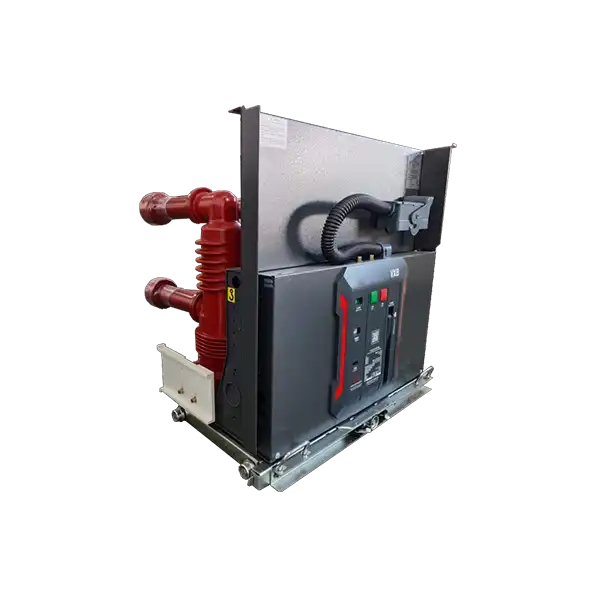
Vacuum breakers employ vacuum interrupter equipment to provide arc quenching along with electrical insulation. The vacuum bottle comprises specifically engineered contacts that function inside a high-vacuum environment. When contacts separate throughout current disconnecting operations, the arc develops momentarily before extinguishing spontaneously in the vacuum medium.
The electromagnetic system drives contact displacement with exact timing. Vacuum technique ensures continuous dielectric strength without deterioration over time. Modern designs employ permanent magnet working mechanisms for greater dependability.
Key advantages include:
- Zero environmental impact from arc quenching medium
- Maintenance-free operation for extended periods
- Consistent performance across temperature ranges
- Compact switchgear integration capabilities
- Silent operation without gas pressure systems
If you need environmentally responsible switching solutions with minimal maintenance, vacuum circuit breakers provide optimal performance.
SF6 Circuit Breaker Technology
SF6 breakers utilize sulfur hexafluoride gas during arc quenching and insulation of electric current. The gas has outstanding dielectric characteristics and good current breaking capabilities. Complex gas transportation systems maintain correct temperatures and purity levels.
However, SF6 gas presents considerable environmental issues. With a potential to cause global warming 23,500 times larger than CO2, SF6 greenhouse gas emissions contributes greatly to climate change. Gas monitoring systems need frequent maintenance along with leak detection techniques.
Operational characteristics include:
- Excellent interrupting capacity for high fault current
- Proven reliability in transmission applications
- Complex gas handling infrastructure requirements
- Environmental regulations increasingly restricting use
- Higher long-term maintenance costs
If you need proven technology for specific high-voltage transmission applications, SF6 breakers remain viable despite environmental drawbacks.
Performance Comparison Analysis
Breaking Capacity and Fault Current Handling
Vacuum circuit breakers excel in medium voltage applications from 6KV to 40.5KV ranges. Modern vacuum interrupter designs achieve breaking capacities up to 63kA with excellent performance consistency. The vacuum medium provides reliable arc quenching without degradation over operational lifetime. Test data demonstrates vacuum circuit breakers maintain rated performance through 10,000+ mechanical operations. Contact wear remains minimal due to controlled arc formation in the vacuum environment of the vacuum circuit breaker. Dielectric recovery occurs rapidly after current interruption.
SF6 breakers traditionally dominate high-voltage transmission applications above 72.5kV. Superior gas dielectric properties enable compact designs for extreme voltage levels. Breaking capacities can exceed 80kA in specialized configurations.
Performance metrics comparison:
- Vacuum: 6KV-40.5KV optimal range, 63kA maximum breaking
- SF6: 72.5kV+ transmission focus, 80kA+ breaking capacity
- Vacuum: Consistent performance over lifetime
- SF6: Performance dependent on gas condition maintenance
Reliability and Maintenance Requirements
Vacuum circuit breakers require virtually minimum ongoing care during normal functioning. The sealed a vacuum container reduces contamination problems. No gas testing, pressure verification, as well as leak detection devices are necessary. Contact inspection durations extend to 20+ years in common situations.
Maintenance advantages include:
- No consumable materials requirements for replacement
- Minimal mechanical modifications was needed
- Self-contained operation without supplementary systems
- Predictable replacement sequencing with regard to operations count
- Reduced replacement component inventory requirements
SF6 systems necessitate thorough maintenance plans. Gas cleanliness testing, pressure monitoring, as well as leak detection need specialized equipment and qualified staff. Environmental standards necessitate rigorous gas handling techniques during maintenance activities. If you require worry-free operation with low maintenance overhead, overhead vacuum technology gives excellent long-term value.
Environmental Impact Assessment
Vacuum circuit breakers create 0% greenhouse gas emissions when operation or maintenance. No dangerous compounds need management, storage, or disposal. End-of-life recycling procedures handle conventional metallic components without specific environmental regulations.
Environmental benefits include:
- Zero global warming potential from switching medium
- No toxic gas exposure risks for personnel
- Simplified disposal and recycling procedures
- Compliance with all environmental regulations
- Support for sustainability initiatives
SF6 breakers face increasing environmental scrutiny. Regulations in Europe and other regions restrict new SF6 installations. Gas recovery and recycling programs add operational complexity and costs. Alternative gas mixtures show promise but require validation for reliability.
Cost Analysis Over Equipment Lifecycle
Initial Investment Considerations
While vacuum circuit breakers typically require higher upfront costs compared to equivalent SF6 units due to advanced interrupter technology and precision manufacturing, power plants benefit significantly from their reliability and low maintenance requirements. Thermal power, wind power, photovoltaic, and hydroelectric facilities experience reduced operational complexity with vacuum technology. Furthermore, simplified installation without gas handling systems helps offset initial price premiums by reducing overall project costs.
Cost factors include:
- Higher equipment purchase price
- Reduced installation complexity and time
- No gas handling infrastructure requirements
- Lower commissioning costs
- Faster project completion schedules
SF6 breakers typically provide reduced initial equipment costs. Mature production processes and established supplier chains facilitate competitive pricing. Additional expenditures include gas installation, pressure testing, and specialist commissioning processes. If you require predictable expenses for the project with speedier delivery dates, vacuum solutions provide compelling value despite greater initial expenditure.
Long-term Operational Economics
Operational cost analysis is strongly in favor vacuum circuit interrupters over prolonged lifecycles. Minimal maintenance needs decrease human expenses and system downtime. No unnecessary supplies or gas replacement charges accrue over time.
Economic advantages span:
- A 75 per cent decrease in maintenance labor expenses
- Zero consumable material expenditures
- Increased spare parts spending on inventory
- Lower insurance expenses owing to safety profile
- Extended operating lifespan without costly refurbishments
SF6 systems suffer continual gas management expenditures. Leak replacements, gas quality testing, as well as regulatory compliance incur constant expenditures. Personnel education for safe petroleum handling raises overhead expenses. Lifecycle cost studies reveal vacuum breakers giving 40-60% advantages over 25-year operational durations compared to northern equivalent SF6 installations.
Application-Specific Recommendations
Power Generation Facilities
Power plants benefit significantly from the reliability and low maintenance requirements of vacuum circuit breakers. Thermal power, wind power, photovoltaic, and hydroelectric facilities experience reduced operational complexity with vacuum technology.
Generation-specific advantages:
- Reliable protection for generator circuits
- Frequent switching capability for load management
- Harsh environment resistance
- Simplified maintenance scheduling around outages
- Enhanced personnel safety protocols
Wind power applications notably benefit from minimal maintenance operation in distant regions. Vacuum breakers reduce servicing intervals that need specialist gas handling equipment shipment. If you operate power generation facilities requiring reliable circuit protection with minimal maintenance intervention, vacuum circuit breakers provide optimal solutions.
Industrial and Infrastructure Applications
High-energy industrial firms in steel, the chemical, metallurgy, as well as manufacturing industries demand reliable electrical protection. Vacuum circuit breakers guarantee reliable performance in harsh industrial applications. Infrastructure operators including urban rail transit, airports, and data centers prioritize reliability and rapid fault response. Vacuum technology supports critical system uptime requirements without compromising safety margins.
Industrial benefits include:
- Resistance to contamination and harsh conditions
- Silent operation suitable for noise-sensitive areas
- Compact designs for space-constrained installations
- Integration flexibility with existing switchgear
- Predictable replacement scheduling
Utility and Transmission Networks
Medium high voltage distribution networks employ vacuum breaker systems extensively for dependable service delivery. Utilities recognize decreased maintenance costs and environmental compliance benefits. State Grid and regional electric power systems benefit from uniform vacuum technology across varied geographical situations. Consistent specifications for performance simplify spare parts administration and technician education programs. If you run utility distribution networks needing standardized, dependable switching solutions, air circuit breakers provide established reliability with operational simplicity.
Conclusion
Vacuum circuit breakers represent the optimal choice for most modern electrical applications. Superior environmental performance, reduced maintenance requirements, and exceptional reliability outweigh higher initial costs through substantial lifecycle savings. While SF6 technology retains relevance for specific high-voltage transmission applications, vacuum solutions provide compelling advantages for medium voltage systems. The combination of technological advancement, regulatory compliance, and operational economics positions vacuum circuit breakers as the preferred technology for sustainable electrical infrastructure development.
Yuguang's Vacuum Circuit Breaker Solutions
Shaanxi Yuguang Electric Co., Ltd. stands as a leading vacuum circuit breaker manufacturer delivering advanced solutions for diverse applications. With 39 patents and comprehensive certifications, Yuguang provides reliable, maintenance-free products spanning the complete 6KV-40.5KV voltage range. Our integrated modular design ensures compact installations with superior sealing and extended operational lifetime. Professional installation guidance, comprehensive after-sales support, and rapid spare parts availability make Yuguang your trusted partner for high-voltage electrical solutions. Contact ygvcb@hotmail.com for customized technical consultations and competitive quotations.
References
1. IEEE Standard C37.06-2009: AC High-Voltage Circuit Breakers Rated on a Symmetrical Current Basis—Preferred Ratings and Related Required Capabilities for Voltages Above 1000 V
2. IEC 62271-100: High-voltage switchgear and controlgear - Part 100: Alternating current circuit-breakers
3. Slamecka, E., "Comparison of SF6 and Vacuum Circuit Breakers," IEEE Transactions on Power Delivery, Vol. 15, No. 3, 2000
4. Braun, A., "Environmental Assessment of SF6 Alternatives in Medium Voltage Switchgear," CIGRE Technical Brochure 634, 2015
5. Zhang, L., "Vacuum Circuit Breaker Technology Development and Applications in Power Systems," International Conference on High Voltage Engineering, 2019
6. Thompson, R., "Lifecycle Cost Analysis of Medium Voltage Circuit Breaker Technologies," IEEE Power Engineering Society General Meeting, 2018

Send Inquiry
You may like
