
Vacuum Contactor vs Magnetic Contactor: Pros and Cons
When choosing between vacuum contactors and magnetic contactors, the decision largely depends on your specific application requirements. Vacuum contactors excel in high-voltage applications, frequent switching operations, and environments demanding minimal maintenance due to their sealed vacuum interrupter technology. Magnetic contactors, while more cost-effective upfront, are typically better suited for lower voltage applications with moderate switching frequencies. Understanding these fundamental differences helps engineers select the optimal switching device for their power distribution systems.
Comprehending the Core Differences Between Vacuum and Magnetic Contactors
Exactly. The fundamental distinction between vacuum and magnetic contactors lies in their arc quenching methods. Vacuum contactors contain the contacts within a sealed vacuum bottle. The near-absence of ionizable medium in this environment prevents a sustained arc from forming when the contacts separate, enabling extremely rapid and efficient arc extinction. This core principle grants them superior performance for higher-voltage, high-reliability applications.
Magnetic contactors utilize an electromagnetic coil to actuate their main power contacts and are typically designed for operation in ambient air. To manage the electrical arc generated during switching, they incorporate suppression technologies such as magnetic blowout coils and arc chutes. These components work together to rapidly extinguish the arc, ensuring reliable operation and protecting the contacts from excessive wear.
Three core technical differences:
- Arc Extinction Method: Vacuum technology versus air-gap electromagnetic suppression
- Operating Environment: Sealed vacuum chamber versus open-air operation
- Contact Material: Silver-based alloys in vacuum versus copper-tungsten in magnetic designs
Voltage controlling capabilities vary greatly amongst contactor technologies. Vacuum contactors are generally effective across a range from around 1 kV up to 40.5 kV, making them appropriate for medium-voltage applications. In contrast, magnetic connectors are mainly restricted to low-voltage activities below 1 kV. This basic variance in voltages rating is a significant consideration in choosing the suitable technology for a specific electrical system.
For high-voltage switching applications exceeding 1 hundred volts, vacuum contact sensors are the preferable option. Their sealed vac interrupters offer higher dielectric strength and great arc quenching performance. These properties make them more dependable, need less maintenance, and provide a longer operating life in medium-voltages system compared to airborne alternatives, thus enhancing network stability and decreasing total cost about ownership.
Technical Performance Analysis: Vacuum Contactor Advantages
Vacuum switching technology offers measurable performance benefits in demanding electrical applications. Laboratory testing demonstrates that a vacuum contactor can perform over 1 million switching operations compared to 100,000-500,000 cycles typical for magnetic contactors.
Key performance metrics include:
- Switching Life: 10-30 times longer than conventional magnetic designs
- Contact Wear: Reduced by 80-90% due to minimal arc erosion
- Maintenance Intervals: Extended from annual to 5-7 year cycles
- Failure Rates: Decreased by 60-75% in high-frequency switching applications
The vacuum environment within an interrupter effectively prevents oxidation and contamination of the electrical contacts. This preserves consistent contact resistance over the device's operational life, contributing directly to superior long-term reliability. Such performance is critical in key power transmission and distribution networks, where unexpected outages can result in significant economic and operational consequences.
Temperature performance testing shows vacuum contactors maintain stable operation from -40°C to +85°C, while magnetic contactors typically operate within -25°C to +70°C ranges. This expanded operating envelope proves valuable in outdoor installations and harsh industrial environments. If you require equipment for severe temperatures or frequently shifting operations, vacuum contactors offer greater long-term dependability and decreased maintenance costs.
Magnetic Contactor Benefits and Applications
Magnetic contactors remain prevalent in many electrical applications due to their straightforward design and cost advantages. These devices excel in motor control applications, lighting circuits, and general-purpose switching where moderate duty cycles are acceptable.
Primary advantages include:
- Lower Initial Cost: 30-50% less expensive than equivalent vacuum units
- Simple Diagnostics: Visual inspection capabilities for contact condition
- Widespread Availability: Standard sizes readily available from multiple manufacturers
- Familiar Technology: Established maintenance procedures and technician expertise
Magnetic contactors provide good performance with limited to intermediate voltage applications, especially if switching frequency is below one hundred operations per day. Their strong structure handles overload circumstances effectively, making them excellent for motor commencing applications.
The technology provides reliable service in controlled indoor environments where dust, moisture, and temperature variations remain within moderate ranges, unlike a vacuum contactor which is designed for harsh conditions. Many facilities appreciate the ability to visually inspect contact condition during routine maintenance procedures.
If you require cost-effective switching for conventional motor control or lighting systems with modest duty cycles, magnetic contacting devices provide proven durability at appealing price points.
Installation and Maintenance Considerations
Installation requirements differ significantly between vacuum and magnetic contactor technologies. Vacuum contactors typically require less physical space due to their compact design, often reducing panel size requirements by 20-30% compared to equivalent magnetic units.
Installation comparison factors:
- Panel Space: Vacuum units require 25-40% less mounting area
- Wiring Access: Simplified connections due to integrated design
- Environmental Sealing: Vacuum technology inherently protected from contamination
- Vibration Sensitivity: Vacuum units less susceptible to mechanical stress
Maintenance processes vary considerably across technologies. Vacuum contactors function as sealed equipment requiring little intervention outside periodic electrical testing. Magnetic contactors need periodic contact inspection, cleaning, and replacement based on wear patterns.
Scheduled maintenance with magnetic contactors generally entails periodic visual inspections and yearly contact replacement within high-duty applications. Vacuum contactors frequently function 5-7 years among major service intervals, minimizing labor costs and operational downtime. If you need minimal maintenance requirements and reduced service interruptions, vacuum contactor technology provides significant operational advantages over conventional magnetic designs.
Cost Analysis: Initial Investment vs Long-Term Value
The cost comparison between pneumatic and magnetic contactors continues beyond initial purchase pricing. While vacuum contactors often cost between forty and sixty percent more initially, the overall cost of ownership assessments frequently favor pressure technology in applications with high demands.
Financial comparison elements:
- Purchase Price: Magnetic contactors 30-50% less expensive initially
- Installation Cost: Vacuum units reduce labor time by 15-25%
- Maintenance Expenses: Vacuum technology cuts annual service costs by 70-80%
- Downtime Costs: Reduced failure rates minimize production interruptions
Energy efficiency evaluations suggest vacuum contactors utilize 20-30% less retaining power compared to northern electromagnetic coil versions. This energy reduction builds over time, especially in continually powered applications.
Replacement part costs differ significantly between technologies. Magnetic contactor contact sets typically cost $50-200 annually per unit, while a vacuum contactor operates for years between service requirements. This maintenance cost differential often justifies the higher initial investment in a vacuum contactor within 3-5 years. If you need to minimize total cost of ownership and reduce maintenance-related downtime, vacuum contactor technology delivers superior long-term economic value despite higher upfront costs.
Application-Specific Selection Guidelines
Different industries and applications favor specific contactor technologies based on operational requirements. Power generation facilities typically specify vacuum contactors for generator breaker applications due to their ability to handle fault currents and provide reliable isolation.
Industry-specific preferences:
- Power Plants: Vacuum technology for generator and transformer switching
- Manufacturing: Mixed deployment based on voltage levels and duty cycles
- Mining Operations: Vacuum units for harsh environmental conditions
- Commercial Buildings: Magnetic contactors for HVAC and lighting control
High-energy industrial companies like steel, chemical-based, and metallurgical industries increasingly request vacuum contactors for essential processes because malfunctioning equipment results in considerable production losses.
Wind power and photovoltaic installations commonly utilize vacuum switching technology due to frequent load variations and remote location maintenance challenges. The extended service intervals reduce site visit requirements and operational costs.
If you need switching machinery for applications that are crucial or distant installation, vacuum contactor technology delivers greater dependability and reduced maintenance needs necessary for continuous operations.
Conclusion
The choice between vacuum and magnetic contactors depends on specific application requirements, operational environment, and long-term cost considerations. Vacuum contactors excel in high-voltage applications, frequent switching operations, and environments demanding minimal maintenance. Magnetic contactors remain cost-effective for standard motor control and moderate-duty applications. Understanding these fundamental differences enables informed decisions that optimize both performance and economic value in electrical switching applications.
Yuguang Vacuum Contactor Solutions for Industrial Applications
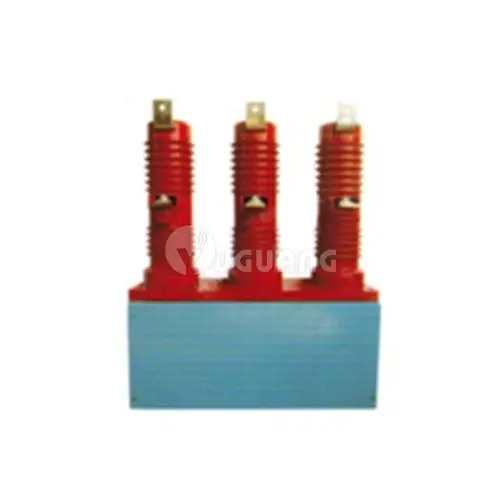
Shaanxi Yuguang Electric supplies complete vacuum contactor solutions particularly developed for demanding industrial uses. Our wide product line encompasses the 6KV to 40.5KV voltage bands with specific configurations for power production, heavy industries, and energy-efficient installations.
With 39 copyrights and national high-tech business accreditation, Yuguang combines superior vacuum technology with established production expertise. Our integrated modular building concept provides small installations while preserving better sealing and longer operating life. Contact our technical team at ygvcb@hotmail.com to discuss your specific switching requirements and receive customized vacuum contactor solutions backed by comprehensive installation support and long-term service agreements.
References
1. IEEE Standard C37.12 - "IEEE Guide for Specifications of High-Voltage Circuit Breakers" Institute of Electrical and Electronics Engineers, 2018.
2. Johnson, Robert P. "Vacuum Switching Technology: Principles and Applications in Power Systems" McGraw-Hill Professional, 2019.
3. International Electrotechnical Commission, "IEC 62271-106: High-voltage switchgear and controlgear - Part 106: Alternating current contactors for voltages above 1 kV" IEC Publications, 2020.
4. Martinez, Carlos and Thompson, James. "Comparative Analysis of Contactor Technologies in Industrial Power Distribution" Journal of Power Engineering, Vol. 45, No. 3, 2021.
5. National Electrical Manufacturers Association, "NEMA ICS 2: Industrial Control and Systems Controllers, Contactors, and Overload Relays Rated 600 Volts" NEMA Standards Publication, 2020.
6. Williams, Sarah K. "Maintenance Strategies for High-Voltage Switching Equipment: A Reliability-Centered Approach" Electrical Engineering Press, 2022.

Send Inquiry
You may like
