
What are the common reasons for a household circuit breaker to trip?
In every electrical system, circuit breakers act as silent guards, cutting off the power instantly when something goes wrong. It has a direct effect on machine efficiency, working continuity, and safety compliance when an Indoor circuit breaker trips. Whether you're a procurement manager looking at how reliable a supplier is, a chief engineer planning fail-safe installations, or a project manager planning large-scale deployments, knowing the trip patterns helps you choose the right protection devices, cut down on downtime, and keep expensive equipment from getting damaged. This information helps people make better choices about what to buy, keep up with upkeep, and make systems last longer in homes, businesses, and factories.
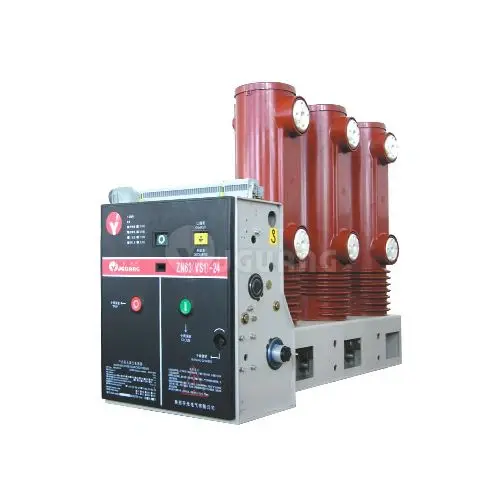
Understanding Household Circuit Breakers and Their Functions
An Indoor circuit breaker acts as an automatic switch intended to guard against damage to electrical circuits brought on by too much power or a flaw. When the current flow goes over safe limits or a fault occurs, the breaker quickly cuts the circuit off. This stops the wires from getting too hot, the insulation from failing, and possible fires from happening. These days, tiny circuit breakers (MCBs) are used in homes and small businesses. They can handle voltages of up to 240V and currents of 6A to 63A, based on the load.
Types of Protection Devices
Various safety measures deal with various threats. MCBs react to situations where there is too much heat or a magnetic short-circuit. Ground fault circuit interrupters (GFCIs) find situations where the current flow is uneven between the live and neutral wires. This keeps you from getting an electric shock. Arc fault circuit interrupters, or AFCIs, can find dangerous arcing situations that regular breakers might miss. Each type of device meets different code requirements and application cases. This means that procurement workers must make an informed choice in order to balance cost, compliance, and safety performance.
Common Reasons a Household Circuit Breaker Trips
Knowing what causes trips leads to better tool selection and preventative repair. Several things can cause the breaker to work, and each one needs a different way of finding the problem and fixing it.
Overload Conditions
Overloads in indoor circuit breaker circuits happen when connected devices draw more current than the indoor circuit breaker can safely handle. Running multiple high-wattage appliances like air conditioners, space heaters, and power tools on the same indoor circuit breaker often exceeds rated capacity. Overloads, unlike short circuits, generate heat gradually, triggering the indoor circuit breaker's thermal element after prolonged overcurrent. This indoor circuit breaker protection prevents conductor damage while indicating insufficient circuit capacity. Procurement teams must analyse load profiles to ensure adequate indoor circuit breaker rating margins for operational peaks without nuisance trips.
Short Circuits and Their Risks
When live wires touch neutral or ground routes with almost no resistance, this is called a short circuit, which is the worst kind of fault. This causes rapid current spikes that could reach thousands of amps and trip the breaker's magnetic element within milliseconds. Damaged wiring, loose connections, rat damage, or manufacturing flaws in linked equipment are some of the things that can cause this. The risk right now comes from arc flash potential and wire vaporization. It is very important to buy high-quality breakers with proven stopping capacity ratings (measured in kA) when installing them near transformers or in places where fault currents are high.
Ground Faults and Moisture Issues
Ground faults are different from short circuits because current leaks to earth through unexpected ways. This usually happens because of damaged insulation or water getting in. Electrical rules say that GFCI safety is needed in wet areas because even small leakage currents can kill. Ground fault risks are higher in industrial settings where there is process moisture, outdoor sites, or equipment that is getting old. It is important to choose breakers with the right outdoor standards (IP grades) and materials that won't rust. Yuguang solves these problems with high-tech sealing methods. Their IP67-rated parts and corrosion-resistant metal make sure that their products work well even in wet, harsh settings.
Aging and Equipment Degradation
During their useful life, circuit breakers go through mechanical wear and heat cycles. Contact corrosion, spring wear, and calibration drift can make the device trip too soon or, even worse, not trip at all when there is a fault. Devices that were put in place decades ago are not as accurate or reliable as newer versions. The operations and repair teams should set replacement schedules based on how often something is used and how long it has been in service, not just how well it seems to work. When looking at providers, think about companies that make long-lasting designs that have been tested and proven to last. Yuguang's vacuum circuit breakers have long service lives with little wear and tear because they use permanent magnet systems and don't need to be maintained. This is very important for infrastructure owners who want to lower lifecycle costs.
Diagnosing and Troubleshooting Household Circuit Breaker Trips
To effectively fix, you need to use a methodical approach that combines professional accuracy with safety awareness. Before you look into any trip, make sure the breaker has cooled down and look for clear dangers like smoke, burning smells, or damage that you can see.
Identifying Overload Patterns
First, compare the total linked load to the capacity of the breaker. Take half of the loads off the circuit and reset the breaker. If it stays in place, slowly reconnect devices until the trip happens again, identifying the bad load mix. Thermal imaging cameras can find hot spots in wires or connections that could mean that the wiring is too small or the connections aren't made properly. Managers in charge of buying things should make sure that the grades on the breakers match the real load needs, taking into account diversity factors and the need for future growth.
Testing for Short Circuits and Ground Faults
To diagnose a short circuit, you need special tools. Megohmmeters are insulation resistance testers that measure the resistance between a conductor and ground and between a conductor and another conductor. This shows when insulation is breaking down before it fails completely. Ground fault locators find the sources of leaks in systems that are complicated. When working in big buildings where circuit tracking can be hard, these troubleshooting tools come in very handy. When choosing breakers for important apps, look for ones that have built-in communication or problem indication features. This will help with faster diagnosis and less downtime.
Maintenance Best Practices
Regular inspections for indoor circuit breaker—annually for commercial sites, more frequently in harsh environments—identify problems early. Indoor circuit breaker inspections include checking termination torque, visual inspection for corrosion or tracking, and functional testing under controlled conditions. Maintenance of indoor circuit breaker extends service life and prevents failure during critical operations. Yuguang supports indoor circuit breaker maintenance with comprehensive after-sales programs including installation assistance, maintenance contracts, and spare parts, ensuring clients maintain optimal indoor circuit breaker performance throughout equipment lifecycle.
Choosing the Right Indoor Circuit Breaker for Your Household or Business
When choosing a breaker, you need to think about more than just the current grade. You also need to think about the voltage class, interrupting capacity, environmental fit, and integration needs. When making a purchase choice, you should weigh the technical needs against the total cost of ownership. This includes the purchase price, how hard it is to install, how much upkeep it will need, and how long the product is expected to last.
Technical Specification Considerations
The voltage values must be the same as or higher than the system's standard voltage, with enough room for error. The current ratings should be able to handle regular load plus a fair amount of growth, which is usually 125% of the constant load required by code. The interrupting capacity (in kA) must be greater than the highest fault current that can flow at the installation site. These factors can't be changed—not meeting them causes safety risks and code violations. However, engineers need to use their best judgment when dealing with complex issues such as adjusting for atmospheric temperature, altitude, and working with safety devices further upstream. Yuguang's expert team helps clients with calculations and unique solutions, guiding them through tricky specification issues in a wide range of settings, from power plants to factories.
Comparing Global Suppliers and Standards
Products made by big companies like Siemens, Schneider Electric, and ABB have been tested and proven to meet foreign standards, such as IEC and UL approvals. When looking at providers, don't just look at the products they offer; also look at their manufacturing quality systems, testing methods, and customer service skills. Yuguang stands out because it has ISO 9001:2015 certification, 39 utility patents that show it is always coming up with new ideas, and production methods that use aerospace-grade accuracy for important parts. Their combined modular design makes them small and seals better than other products on the market. This solves common problems with equipment compatibility and adapting to different situations. Traceability in manufacturing, from choosing the raw materials to testing the finished product, makes sure that it is consistent and reliable.
Evaluating After-Sales and Service Support
Good indoor circuit breaker quality is important, but great service is what makes customers happy long-term. Check indoor circuit breaker warranty terms, spare parts availability, expert response speed, and field service capability. Projects needing rapid completion can't afford communication or lead time delays for indoor circuit breaker. Yuguang delivers standard indoor circuit breaker in 7–15 days and custom solutions in 30–60 days, balancing rapid deployment with unique requirements. With full-service indoor circuit breaker support including R&D, production, installation, and after-sales, Yuguang offers accountability uncommon among component suppliers—free modification plans, installation assistance, and dedicated expert support make Yuguang a project partner for indoor circuit breaker solutions.
Installation Best Practices and Safety Standards
Whether technology works as it should or becomes a problem depends on how well it was installed. Even high-end breakers fail if they are put incorrectly. The right way to install them maximizes their reliability and usefulness.
Professional Installation Protocols
Before starting the installation, make sure it will work with the current panels, make sure the terminations are easy to reach, and read the manufacturer's directions. Conductors should be the right size according to the code and should be ended with the right amount of torque—not tightening enough causes overheating, and tightening too much harms the terminals. When attaching something physically, it must be able to withstand vibrations and let air flow properly. These steps may seem easy, but they need to be done by trained technicians who know the relevant codes and the manufacturer's unique standards. Yuguang knows this to be true, so as normal service, they offer professional installation help to make sure clients get the best performance from day one.
Compliance and Certification Requirements
Electrical systems need to follow national and local rules. These rules usually use standards like IEC 60947-2 for low-voltage equipment and control gear and IEC 62271-100 for high-voltage gear. Legal safety and insurance acceptance come from certification marks that show that rules have been tried and followed. When buying tools for projects that must follow certain rules, make sure it has the right certifications for your area. Yuguang keeps up-to-date credentials like national inspection reports and multiple utility model patents, which make sure that their goods meet the high safety and performance standards needed in controlled industries.
Conclusion
In conclusion, indoor circuit breaker trips are necessary to protect equipment and prevent damage. When procurement professionals, engineers, and maintenance teams understand indoor circuit breaker root causes—overloads, short circuits, ground faults, and aging equipment—they can select appropriate indoor circuit breaker protection, troubleshoot effectively, and implement preventive maintenance schedules. Choosing quality indoor circuit breaker from reputable brands with proper installation and ongoing support transforms indoor circuit breaker protection from reactive cost to strategic reliability investment. Companies achieve safer, more reliable power systems by focusing on indoor circuit breaker technical specifications, supplier capabilities, and lifecycle service.
FAQ
How often should circuit breakers be tested or replaced?
How often you test relies on how important the program is and how exposed it is to the environment. Every year, functional testing and visual review are good for commercial setups. Applications for homes can be made every three to five years. Breakers need to be replaced when they show signs of damage, fail testing, or hit the service life limits set by the maker, which for most high-quality devices is 20 to 30 years under normal circumstances. In high-cycle situations, like industrial processes, parts may need to be replaced more often based on the number of mechanical actions rather than the passing of time.
What distinguishes overload trips from ground fault trips in practice?
Overload trips usually happen when demand is high and work again after the linked load is reduced. Ground fault trips often happen when there is moisture around, can happen no matter how much load is on the system, and may happen again right away after being reset if the fault path is still there. GFCI devices have test buttons that let you make sure they work. Insulation resistance testing on diagnostic tools is a sure way to find ground flaws.
Can we upgrade circuit protection without complete panel rewiring?
In many situations, upgrading the breakers in current panels is possible as long as the panel bus rating allows for the new breakers' interrupting ability and the physical measurements are the same. It's usually enough to just exchange the breakers when you want to replace normal ones with GFCI or AFCI types. But switching from breakers that are too small to ones that are the right size might require rebuilding the circuit if the current-carrying wires can't safely handle the extra current. Code violations and safety risks can be avoided by getting a professional review.
Partner with Yuguang for Reliable Indoor Circuit Breaker Solutions
Planning to make changes to your electricity equipment or taking a lot of trips? Yuguang Electric specializes in high-performance safety devices that can handle voltages from 6KV to 40.5KV and can be customized in a wide range of ways. As a high-tech company with 39 patents, we offer maintenance-free vacuum circuit breakers with fixed magnet mechanisms and flexible designs that are built to work in harsh industrial settings. When we customize based on scenarios, we take into account tough conditions and industry-specific needs that regular goods can't meet. Our open MOQ policy and fast delivery—standard goods in 7–15 days—make sure that your projects stay on track, whether you need to buy a few units or a lot. Get in touch with our expert team at ygvcb@hotmail.com to talk about your needs with a reliable Indoor circuit breaker Supplier that provides full R&D to Installation Support. Find out how Yuguang's one-stop service and expert standards help with compatibility issues and lower running costs over the long term.
References
1. National Fire Protection Association. (2020). NFPA 70: National Electrical Code Handbook. Quincy, MA: NFPA Publications.
2. International Electrotechnical Commission. (2021). IEC 60947-2: Low-voltage switchgear and controlgear – Part 2: Circuit-breakers. Geneva: IEC Central Office.
3. Westinghouse Electric Corporation. (2019). Applied Protective Relaying. Newark, NJ: Westinghouse Technical Publications.
4. Institute of Electrical and Electronics Engineers. (2018). IEEE Standard C37.13: Standard for Low-Voltage AC Power Circuit Breakers Used in Enclosures. Piscataway, NJ: IEEE Press.
5. Fluke Corporation. (2022). Electrical Installation Testing and Troubleshooting Guide. Everett, WA: Fluke Technical Resources.
6. Schneider Electric. (2021). Circuit Breaker Application Guide: Selection and Coordination Principles. Rueil-Malmaison, France: Schneider Electric Technical Publications.

Send Inquiry
You may like
