
What are the main features of vacuum load switches used in power distribution?
Due to their distinctive form and functional benefits, vacuum load switches stand out as crucial components of medium-voltage power distribution systems. The vacuum interrupter technology in these switches makes sure that the electrical contacts open and close within a sealed vacuum chamber. This stops the arcing process quickly while the switches are in use. Excellent dielectric strength, a small footprint, low maintenance needs, and steady performance over a wide voltage range (6kV to 40.5kV) are some of the key benefits. They are environmentally friendly because they don't need oil or SF6 gas because they are sealed, and they always do a good job of switching. Because they are safe, reliable, and good for the environment, they are becoming more and more popular in modern electrical infrastructure projects.
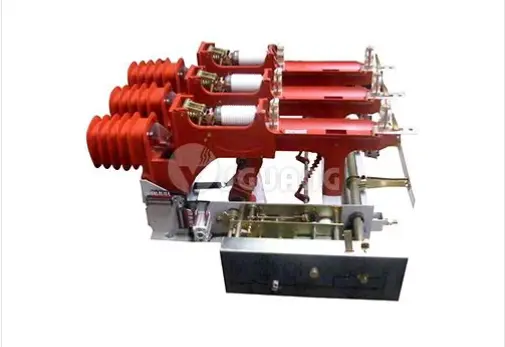
Understanding Vacuum Load Switches: Core Principles and Features
How Vacuum Interrupter Technology Works?
The vacuum interrupter is the most important part of any vacuum load switch. It is a carefully designed room where the switching happens. When loads put pressure on contacts, a short-lived electrical arc forms. The vacuum setting, with temperatures below 10-4 torr, is perfect for quickly putting out an arc. This happens because there aren't any particles in the vacuum to keep the arc going. It goes away within microseconds of the current zero-crossing. This idea makes sure that switching is clean, so it doesn't make harmful gases or need the complicated arc-chute systems that are found in regular air-break switches.
Voltage Ratings and Design Parameters
Companies like Yuguang make vacuum load switches that work with a wide range of voltages and can be used in a variety of situations. From 6kV to 40.5kV, the range covers needs for everything from factories to utility substations. Rated currents for standard configurations are usually between 630A and 1250A, but higher ampacities can be accommodated for custom solutions. Depending on the model, the breaking ability, which is important for stopping the load, goes from 630A to 2000A. These factors have a direct effect on system design because engineers have to match switch specs to circuit needs while taking operating frequency and ambient conditions into account.
Compact Construction and Reliability Benefits
In contrast to older models, modern vacuum interrupters have merged flexible designs that make them much smaller overall. Yuguang's method uses aerospace-grade precise production for core parts, which makes devices that meet IP67 sealing standards and can work in harsh conditions. The solid-sealed design keeps out moisture and dirt, which means the operating life can last longer than 20 years with little maintenance. This small size is very helpful in places with limited space, like urban substations, ring main units, and retrofitting projects where the size of the equipment is important.
Low Maintenance Advantages
The fact that vacuum technology is sealed means that it needs a lot less upkeep. Unlike oil switches that need to have their fluid tested and replaced on a regular basis or SF6 devices that need to have their gas levels monitored, vacuum switches don't need to be maintained for long periods of time. Because there is no oxidation in the vacuum chamber, contact erosion happens very slowly. This keeps the contact resistance below 50 micro-ohms throughout the service life. Operational mechanisms only need basic lubrication every three to five years or after 2,000 operations. This makes them appealing to operations teams that want to lower lifecycle costs and increase uptime.
Comparing Vacuum Load Switches to Other Load Breaking Technologies
Vacuum vs. Air and SF6 Load Switches
In older air-insulated switches, the arc is put out by atmospheric pressure. This means that the arc-chute assemblies have to be bigger, and the contacts have to be replaced more often because they oxidise. SF6 gas switches have great dielectric properties, but they are getting more attention from environmentalists because SF6 is a strong greenhouse gas that can warm the Earth 23,500 times more than CO2. Both problems are solved by vacuum technology, which doesn't need carbon gases and works reliably even when it's not exposed to air. As rules around the world get stricter, the environmental benefit becomes even more important. For companies that care about the environment, vacuum load switches are the best option.
Operational Durability Comparison
Metrics for durability show big differences between systems. Vacuum switches can usually handle 10,000 to 30,000 mechanical processes before they need major repairs. Oil switches, on the other hand, can only handle 5,000 to 8,000. Since there is no insulating media that needs to be replaced, there is no degradation over time. This is different from SF6 systems, where gas purity affects performance. To make sure they meet IEC 62271-103 and GB/T 3804 standards, Yuguang's vacuum switches go through several rounds of testing, such as arc quenching, insulation verification, and load adaptability checks. The strict quality controls make sure that the devices keep working properly for as long as they are used.
Distinguishing Load Switches from Circuit Breakers
Both devices stop current flow, but they are used for very different things. Vacuum load switches can stop charge and loop currents, but they aren't made to stop fault currents. They can handle normal load currents. When put together with current-limiting fuses, they make composite hardware that can handle short-circuit situations cheaply. On the other hand, vacuum circuit breakers are designed to stop large fault currents, usually 20kA or more. This makes them necessary for protecting transformers and feeders. Understanding this difference helps buying teams choose the right devices without over-specifying, which drives up costs needlessly. Yuguang offers both product lines with clear instructions on how to use them, making sure that they work best with operational needs.
Applications and Benefits of Vacuum Load Switches in Power Distribution
Industrial Plant Distribution Systems
In the steel, chemical, and metallurgical industries, factories need strong electricity systems that can handle constant loads with little chance of failure. Vacuum load switches work great in these places because they don't get damaged by dust, humidity, or changes in temperature. Because it is sealed, pollution can't affect how well the switches work, which is a common problem in industrial settings.
Yuguang's scenario-based customisation features let it adapt to different operational needs, like dealing with corrosive atmospheres in chemical plants or vibration-heavy areas near heavy machinery. The FZN21-40.5 and YGFZN25B series are designed to work with ring network setups that are popular on big industrial sites. They have a high breaking capacity and are easy to use, so maintenance staff don't have to learn how to use them.
Utility Grid and Substation Integration
For secondary distribution networks and ring main units, power companies are relying more and more on vacuum technology. The small size makes it possible to place in urban substations that don't have a lot of room for large switching rooms because of the cost of land. Modernising the power grid is helped by vacuum switches, which provide the stable isolation and switching needed for loop feeding systems.
Their fast operating speeds—usually between 0.9 and 1.2 meters per second—make sure that there aren't many transient disturbances during switching operations. This keeps the power quality for sensitive loads high. Yuguang's products cover the whole voltage range from 6kV to 40.5kV. These products give utilities standard options that make managing their inventory easier and meet the different voltage class needs of their distribution networks.
Renewable Energy and Smart Grid Applications
Vacuum switches work well for problems that are specific to wind farms, solar installations and new smart grid projects. Renewable energy systems need to switch between sources of energy often because output changes with the weather. This requires tools that can do a lot of different tasks without breaking down. Vacuum technology is perfect for these uses because it has been proven to last more than 10,000 times. Integrating smart grids is helpful because they work reliably and don't need any maintenance, which makes remote monitoring easier and cuts down on field service calls. Utilities that use automated distribution systems like how the systems always work the same way, which makes protection coordination and fault isolation strategies easier.
Sustainability and Environmental Considerations
The way vacuum technology affects the environment is in line with environmental regulations and company goals for sustainability. When used and when they are thrown away, vacuum switches don't release any greenhouse gases. This makes them different from SF6 alternatives that are being phased out in many places. The long service life—often more than 25 years with proper use—reduces the need for repair and the resources needed for that. Yuguang's concern for the environment goes beyond designing products; they also use ceramic coatings and powder treatments during the production process to get rid of dangerous volatile organic compounds, improve rust resistance, and make equipment last longer.
How to Choose the Right Vacuum Load Switch for Your Needs?
Critical Technical Selection Criteria
The right way to choose a vacuum load switch is based on its voltage and current ratings. The nominal voltage needs to be close to the system voltage class, with enough room for error. For example, a 12kV switch on an 11kV system should have enough room for error. The rated current should be enough to handle a regular load plus a fair amount of overloading, which is usually 125% of the maximum continuous current. Breaking capacity must match the biggest load current that the switch will cut off when it's working normally.
This is different from problem current, which is handled by fuse sets or circuit breakers. When it comes to environmental ratings, altitude has a big effect on how well insulation works; above 1000 meters, derating is needed, and high temperatures in the air affect contact pressure and how the system works. Yuguang's engineering team gives detailed application advice, such as calculations and drawings, to make sure that the right specifications are used for each project.
Evaluating Supplier Capabilities
You can only get part of the picture from technical specs. Both the qualifications of the supplier and the quality of their service are crucial to the success of the project. Strong quality management systems have certifications like ISO 9001, ISO 14001, and meeting IEC norms. Yuguang is a national high-tech company and has 39 patents for design improvements related to vacuum switching technology. This intellectual property portfolio shows real R&D investment, not just putting together bought parts. Customisation is what sets capable manufacturers apart from basic suppliers. Adaptations for unique mounting arrangements, better sealing for harsh environments, or integration with certain control systems often determine whether a project is possible.
Delivery Timelines and Support Services
Buying choices are often based on project plans, which makes delivery dependability very important. Standard vacuum switches usually ship between 7 and 15 days, but custom solutions can take anywhere from 30 to 60 days, based on how complicated they are. By changing tried-and-true base designs to fit specific needs, Yuguang's flexible manufacturing method speeds up the process compared to fully custom fabrication.
After-sales service should be carefully looked at because it has a direct effect on working readiness through things like installation help, commissioning support, and the availability of spare parts. Service agreements that cover both preventative maintenance and emergency reaction are a great way to protect yourself against problems that come up out of the blue. The fact that suppliers offer free change plans shows that they want to build long-term partnerships instead of just doing business with customers.
Cost Considerations Beyond Purchase Price
The total cost of ownership is much higher than the cost of buying something. When a business doesn't need any maintenance, there are no ongoing costs for things like oil tests or gas replenishment. Compared to systems that need to be replaced every 10 to 15 years, this one lasts 20 years or more. Energy efficiency affects operating costs in large installations with many devices, even though switches only use a small amount of power. Yuguang's low prices come from the fact that they make a lot of products efficiently and keep quality standards high, which can be seen in their national inspection reports and official certifications. With a minimum order number of just one unit, test projects and small retrofits can be done without having to commit to too much inventory.
Future Trends and Innovations in Vacuum Load Switch Technology
Smart Grid Integration and IoT Connectivity
Digitalisation efforts, the need to be more environmentally friendly, and changes in the way electricity is distributed are all speeding up the development of vacuum load switch technology. When procurement and engineering teams know about these trends, they can make decisions that protect infrastructure investments that look to the future. More and more, modern vacuum switches have sensors and communication features that let you do maintenance ahead of time and keep an eye on things in real time. Embedded temperature sensors find hot spots that are forming because of contact degradation or overloading, giving you early warning before the failure happens.
Operation counters keep track of motor cycles and set off repair alerts at regular times. Vacuum integrity tracking checks the state of interrupters without opening sealed chambers by using non-invasive methods. With these features, switches can talk to SCADA systems and maintenance management platforms, turning them from inactive parts of the grid to active players in its intelligence. Yuguang's growth plan includes different types of IoT-enabled products that meet the needs of both utilities and businesses that need linked infrastructure.
Miniaturization and Higher Voltage Classes
As materials science keeps getting better, smaller vacuum interrupters can work just as well as or better than current designs. New contact materials slow down erosion, which means that repair intervals and operating life are extended. Better insulation materials allow higher voltage values in smaller packages, meeting the needs of utilities for 40.5kV equipment that takes up little room and can be installed underground. These changes are especially helpful for urban infrastructure projects where space limits the size of the equipment. The movement toward higher breaking capacities in smaller sizes is still going strong. For example, research is looking into load switches that can handle 2500A continuous current in spaces that were only used for 1250A devices before.
Enhanced Environmental Performance
Even though vacuum technology is already better for the environment than options like SF6, companies are still working to make it even better. When performance allows, recyclable materials can be used instead of speciality alloys, which lowers the environmental impact of end-of-life products. Cleaner methods are used in manufacturing. Yuguang's ceramic coating and powder treatment method gets rid of volatile organic compounds and protects against corrosion better. During switching operations, energy-efficient operating systems use less power, which is significant when added up over thousands of installs. These small changes add up to big environmental benefits over the course of a product's life, which is in line with companies' sustainability promises and government requirements.
Modular Designs for Flexibility
Integrated modular architectures let you set up the system in a way that fits the needs of a wide range of applications without having to do custom engineering for each one. Base interrupter units can be put together with different mechanism choices, mounting setups, and accessory packages to make custom solutions for specific applications. This method gives you the benefits of customisation while keeping the costs and delivery times the same. Yuguang's modular design theory lets it adapt to harsh conditions and the needs of specific industries, while keeping the dependability benefits of tried-and-true parts. The strategy makes spare parts easier to find by using common parts across product families. This makes it easier for operators to keep track of their inventory while maintaining a wide range of installed bases.
Conclusion
Vacuum load switches are tried-and-true technology that meets important needs in current power distribution systems. Because they work reliably, don't need much upkeep, and are good for the environment, they are great choices for utilities, industrial facilities, and building projects. The technology keeps getting better by incorporating smart grids, using better materials, and using modular design methods that increase the number of uses while lowering the total cost of ownership.
To choose the right equipment, you need to know about its technical specs, check out the skills of the supplier, and think about its long-term service needs beyond the initial buy requirements. Partners who offer full support, from application planning to installation help to quick service after the sale, provide value that goes beyond the quality of the product itself. Vacuum switching technology is the basis for safe and effective operations as electrical distribution systems get more complicated and reliability requirements rise.
FAQ
Q1: What voltage ranges do vacuum load switches typically cover?
A: Vacuum load switches are used in medium-voltage situations, usually between 6kV and 40.5kV nominal system voltages. Standardised ratings in this group include 7.2kV, 12kV, 24kV, and 36kV designs that match the most common distribution voltages around the world. Choosing the right voltage class depends on the needs of the system. For example, higher voltages need better insulation coordination and bigger interrupter designs to keep the dielectric strength across the contact gap when the contacts are open.
Q2: How do vacuum switches compare environmentally to SF6 alternatives?
A: Vacuum technology completely removes greenhouse gas pollution, making it much better for the environment than equipment insulated with SF6. SF6 has 23,500 times the global warming potential of carbon dioxide, which makes it a liability as rules around the world get stricter. Vacuum interrupters don't have any gases that need to be monitored or thrown away at the end of their useful life, which makes handling them easier. The sealed design stops leaking problems that happen with SF6 systems. This makes vacuum load switches the environmentally friendly choice for businesses that care about the world.
Q3: What maintenance practices ensure optimal vacuum switch performance?
A: Vacuum interrupters don't need any maintenance for their whole service life, which is usually more than 20 years. Every three to five years, or after about 2,000 actions, the working system needs to be inspected. This includes visual checks and lubrication of the moving parts. Loop resistance measurement checks the state of the contacts; results below 50 micro-ohms mean the device is working properly. This low-maintenance schedule is very different from oil switches that need fluid analysis and SF6 devices that need gas purity verification. This saves a lot of time and money.
Partner with Yuguang for Reliable Vacuum Load Switch Solutions
For decades, decisions about electrical infrastructure affect how well projects work and how reliable they are. As a maker of vacuum load switches, Yuguang helps power companies, factories, and people who run infrastructure all over the world, including in the United States. Our wide range of products, from 6kV to 40.5kV, meets a wide range of voltage class needs with devices made for tough environments and demanding uses. We offer more than just equipment. Our full-chain service includes application planning, fast delivery (standard goods ship within 7–15 days), installation help, and responsive support after the sale. We are backed by 39 patents and reputable certifications, such as ISO 9001:2015. Email our expert team at ygvcb@hotmail.com to talk about your unique needs and find out how customised solutions can help with compatibility issues, make upkeep easier, and guarantee that the project will be finished on time.
References
1. IEEE Power Engineering Society. (2019). IEEE Guide for Application of Vacuum Interrupters in Power Distribution Systems, IEEE Standard C37.015-2018, Institute of Electrical and Electronics Engineers.
2. Slade, P. G. (2017). The Vacuum Interrupter: Theory, Design, and Application, Second Edition, CRC Press, Boca Raton.
3. International Electrotechnical Commission. (2021). High-voltage switchgear and controlgear – Part 103: Switches for rated voltages above 1 kV up to and including 52 kV, IEC 62271-103:2021.
4. Greenwood, A. N. (2020). Vacuum Switchgear: Development and Performance of Modern Interrupter Technology, The Institution of Engineering and Technology, London.
5. Cigré Working Group A3.27. (2018). The Impact of Vacuum Switchgear on Distribution Network Reliability, Technical Brochure 734, International Council on Large Electric Systems.
6. Zhang, Y., & Liu, Z. (2022). "Advances in Contact Materials and Arc Extinction Techniques for Medium-Voltage Vacuum Load Switches," IEEE Transactions on Power Delivery, Vol. 37, No. 4, pp. 2856-2867.

Send Inquiry
You may like
