
What are the types of power systems?
Understanding what a power system includes is essential for successful procurement when looking at electrical infrastructure for important business processes. A power system is a network of electrical parts that work together to safely and effectively make, send, share, and use electricity for different purposes. Generators, transformers, switches, circuit breakers, busbars, safety devices, and control systems are some of the things that make sure that stable electricity flows from the source to the equipment that uses it. Modern industrial power systems use voltage levels from medium voltage (usually 6KV) to high voltage (40.5KV and above). Each voltage level is intended to meet specific operating needs while meeting strict safety and reliability standards.
Understanding Power Systems – Fundamentals and Components
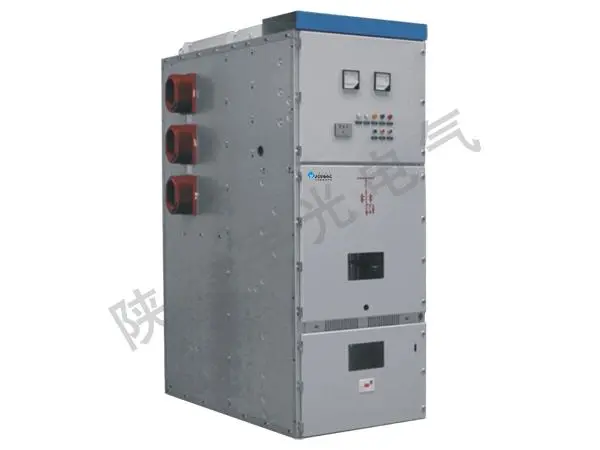
Industrial output depends on electrical power system infrastructure, but many procurement teams have trouble with equipment not working with each other and not getting enough expert help during key project phases. At its heart, every strong electrical network is made up of carefully put together parts that have to work together without any problems in tough situations.
The Role of Generation and Conversion Equipment
Generators are the main source because they turn mechanical energy into electricity. The energy then goes through transformers, which either step up the voltage to send it over long distances more efficiently or step it down to safely reach industrial loads. The security of your facility's operations and energy loss are directly affected by the quality of these exchange processes.
Circuit Protection and Switching Devices
The protective line of any electrical system is made up of circuit breakers and switches. These devices find faults and separate the damaged areas so that the damage doesn't spread. Because they don't need to be maintained and last longer, vacuum circuit breakers with improved arc-extinguishing technology have become the best choice for medium and high voltage uses. Modern breakers have a permanent magnet operating system that lets them switch operations many times without mechanical degradation. This solves a common problem in businesses that need to make regular load changes.
Control Systems and Automation
The information layer that checks on the health of the system in real time is made up of protection switches, PLCs, and SCADA systems. These parts of automation cut down on mistakes made by people, speed up the reaction time to problems, and allow for predictive repair plans that lower long-term running costs. When control systems are properly connected, they can turn reactive repair plans into proactive asset management plans. Because coordinating these parts is so technically difficult, you need sellers who offer more than just single goods. Piecemeal buying methods don't work as well for projects as integrated solutions that take compatibility, environmental factors, and industry-specific needs into account.
The Main Types of Power Systems: A Dimensional Analysis Approach
Buyers in the industrial sector have to make important choices about which power system design fits their needs, budget, and goals for growth. Each configuration type has its own pros and cons that affect both the original cost of cash and the overall cost of ownership.
Centralized Power Systems
Large utility companies and regional grids usually use centralized designs, which connect electricity from huge power plants to large transmission networks. Because they can handle large amounts of power and balance the load well, these systems are great for stable, high-volume power delivery. This model is used by state grid providers and big power groups to connect assets and serve millions of customers.
While centralized systems are great at being consistent and reliable, they also have a single point of failure and need a lot of money to be spent on transportation infrastructure. When project managers are working with tight commissioning plans, the long delivery times and complicated communication needs can be hard.
Decentralized and Distributed Systems
In decentralized setups, the power is spread out among several smaller plants that are closer to where the power is used. This method makes the network more resilient because breakdowns in one area don't affect the whole network. Distributed versions are being used more and more in industrial parks, manufacturing buildings, and data centers to become energy independent and cut down on transmission losses.
These systems are flexible and scalable, so they can add more space in small, modular steps instead of big, disruptive updates. As a trade-off, system integration and security coordination become more difficult, so sellers need to have a lot of technical knowledge about synchronizing multiple sources.
Renewable Energy Systems
The fastest-growing part of power output is made up of solar photovoltaic arrays, wind turbine farms, and hydroelectric systems. Environmental laws and company requirements for sustainability encourage acceptance, especially in energy-intensive businesses that want to lower their carbon footprints. Renewable energy sources make clean energy, but they can be hard to control because they depend on the weather.
For integration to work well, you need advanced forecasting tools, advanced energy storage solutions, and hybrid designs that mix green energy with traditional backup power. Teams in charge of buying things need to judge sellers by how well they can put together whole systems, not just parts.
Hybrid Power Systems
Hybrid designs use more than one source of energy to make the system reliable and environmentally friendly. Often, they pair renewable energy sources with diesel or gas engines. These systems move between sources automatically based on what's available, how much it costs, and how much power is needed. Hybrid options are especially useful for businesses that work in rural areas or places where the power grid isn't stable.
Hybrid systems need suppliers who can help with all parts of the process, from the initial design estimates to commissioning and ongoing upkeep. This is because the controls are complicated and the equipment is varied. Having a single point of responsibility lowers the risk of a project and makes managing warranties easier.
Smart and Automated Power Systems
Digital contact, real-time tracking, and artificial intelligence are all used in smart grids to make performance better all the time. These systems can guess how much traffic there will be, find problems before they happen, and change their settings automatically to keep service going when there are problems. Smart systems are bought by airports, public transit systems in cities, and modern manufacturing plants to cut down on unplanned downtime.
To put it into action, you need special tools, a way to communicate, and software systems that work with other equipment. When suppliers offer modular designs with standard interfaces, merging is much easier and rollout times are shortened by a large amount.
Comparing Power Systems to Support Informed Procurement Decisions
It's helpful for chief engineers and procurement managers to know about the key differences that affect power system choice, total cost of ownership, and operating risk profiles.
AC Versus DC Power Systems
Utility-scale transmission is mostly done with alternating current because it changes voltages quickly and efficiently. Direct current systems, on the other hand, are being used more and more in specialized industrial uses. DC systems don't lose any power when they convert between different types of current. This includes things like variable frequency drives, battery storage, and internet infrastructure. DC distribution is often used in telecom facilities and data centers to save energy and make adding backup power easier.
When choosing between AC and DC configurations, you should think about the needs of the tools you'll be using, the facilities you already have, and your future needs for expansion. Instead of converting the whole system, hybrid sites may do better with separate AC and DC zones.
Centralized Versus Decentralized Decision Framework
Several things affect the choice between centralized and distributed architectures: the amount of work, the need for dependability, the flexibility of the capital budget, and the location of the sites. Centralized systems work best for big buildings with steady demand patterns and loads that stay in one place. On the other hand, distributed setups work better for large campuses or operations that need to add capacity in stages. How willing you are to take risks also affects this choice. Hospitals and businesses that need to keep running all the time are increasingly choosing distributed systems with multiple backup sources over relying on a single centralized plant.
Evaluating Reliability and Stability Metrics
Mean Time Between Failures (MTBF), fault clearing times, and the performance of voltage control all have a direct effect on how long equipment lasts and how well it keeps working. If you only buy equipment that has been tested and proven to work in the past, you can lower the risk of it breaking down early, which can disrupt operations and drive up the cost of upkeep.
Industrial loads between 6KV and 40.5KV are most often served by voltage classes in this range. Permanent magnet systems and vacuum spark extinguishing technology are built into equipment made just for these ranges, so they work without any upkeep for more than 25 years. This durability directly solves the sourcing problem of having to change parts all the time, which costs a lot and causes downtime.
Procurement and Installation: Sourcing and Managing Power System Components
Delivering a job successfully depends on both the quality of the parts and the skills of the supplier. Purchasing managers are becoming more aware that technical specifications alone are not enough to ensure the success of a project. The quality of the vendor relationship is also very important for the power system installation.
Selecting Qualified Suppliers and Manufacturers
Global players like Eaton, Siemens, Schneider Electric, and ABB built their names on reliable quality and large support networks. However, new makers with specialized knowledge and quick customization options often offer better value for certain uses. This specialized method is shown by Yuguang Electric, which was founded in 2008 in Baoji, Shaanxi, which is China's vacuum circuit breaker production hub.
Look closely at a supplier's list of certifications when judging them. For example, ISO9001 standards for quality management, ISO14001 standards for environmental compliance, and ISO45001 standards for workplace safety show that the process is being controlled in a planned way. National high-tech business titles and patent portfolios (Yuguang has 39 patents) show that a company can do real research and development (R&D), not just put things together.
The Value of Integrated Modular Design
When projects get parts from different sellers, the interfaces and communication methods may not work with each other. This can cause problems with equipment compatibility. Integrated modular designs make installation easier, cut down on the time needed by field engineers, and make it easier for project managers who are working to tight deadlines to coordinate.
Modular vacuum circuit breakers with small areas, high-grade IP67 sealing, and standard mounting dimensions make it easier to add on to panels in the future and make panel assembly go faster. These design features directly lower project risk and speed up completion timelines, which are very important when contractual fines are in place for late energization.
Yuguang uses an integrated approach that includes choosing corrosion-resistant alloys for the raw materials, aerospace-grade precision machining for arc-extinguishing chambers, ceramic and powder coating for better resistance to the environment, and multiple rounds of testing to meet IEC and GB standards. This vertical merger makes sure that quality is always the same and stops component sellers from blaming each other when problems happen.
Customization for Harsh Environments and Special Applications
Standard store items don't usually have solutions for problems that come up because of things like high humidity, extreme temperatures, toxic environments, or specific switching duty cycles. For wind power sites, marine facilities, mining activities, and big industrial plants, you need equipment that was designed to work in those circumstances.
The ability to customize sets commodity sellers apart from real tech partners. Scenario-based design changes, like better sealing for marine uses or changed working methods for high-cycling automation, keep assets from breaking down too soon and make them last longer. Suppliers who offer free technical advice, thorough engineering estimates, and unique modification plans add value that can't be measured by unit price.
Delivery Timelines and Minimum Order Flexibility
Long lead times for manufacturing often clash with tight project plans, causing sourcing bottlenecks that slow down whole projects. Standard designs that suppliers keep in stock can be delivered within 7–15 days, while custom options usually take 30–60 days. Knowing these deadlines when planning a project keeps you from having to pay expensive fees to speed things up or make choices that aren't ideal.
Minimum order number rules also limit the freedom of buying. Suppliers that let you buy one unit at a time as well as in bulk can help with test projects, phased growth, and stocking up on extra parts without making you commit too much capital. This freedom is especially helpful when there is doubt about the project or a limited budget.
Comprehensive After-Sales Support
The equipment lasts 20 to 30 years, which is a lot longer than most dealer ties that are based on initial sales. Long-term operational success relies on quick expert help, easy access to spare parts, warranty coverage, and training in upkeep. Total cost of ownership goes down a lot when suppliers offer installation help, preventative maintenance agreements, and quick fault reaction.
You can't say enough about how much peace of mind it gives to know that skilled expert help is close by, whether it's through direct factory support or local service partners. This gives operations teams peace of mind so they can focus on production instead of fixing problems with individual pieces of equipment.
Future Trends and Challenges in Power Systems
The electrical grid in factories is at a turning point. New technologies promise big power system performance gains, but they also make integration more difficult, which buying teams have to figure out.
AI-Driven Optimization and Predictive Analytics
Algorithms that use artificial intelligence can now look at trends in operational data to predict when equipment will break down, make sure that loads are distributed optimally in real time, and change safety settings automatically as system configurations change. Recent industry studies show that these features change maintenance from reactive fix to proactive involvement, which cuts unplanned downtime by 30–40%.
Using AI-enhanced systems needs hardware with built-in sensors and communication features. These factors should affect the buying requirements right now, even if full AI usage doesn't happen until later in the project. By choosing "smart-ready" technology, you can protect your investments for the future and avoid expensive upgrades.
Renewable Integration and Energy Storage Challenges
As a result of rules and demands from stakeholders, the move toward carbon-neutral processes speeds up across all industries. Advanced control systems, energy storage buffers, and flexible load management are needed to combine changeable green production with stable grid operation.
Even though the price of battery energy storage devices is going down, they are still big purchases that need to be carefully looked at from an economic point of view over their whole life. Instead of focusing on finding the cheapest prices for each part separately, procurement plans should look at the total cost of the system, which includes production, storage, control systems, and connecting to the grid.
Grid Modernization and Smart Infrastructure
Transmission and transport systems in developed markets need to be replaced and upgraded on a regular basis because they are getting old. This wave of modernization makes it possible to use digital communication, automatic switching, and distributed control structures that were too expensive to use in older systems.
Smart grid methods and communication standards are becoming more and more required by project requirements. If your equipment doesn't have these features, it might officially meet the electrical performance standards, but it will be harder to integrate, which will raise the total cost of the project.
Cybersecurity Considerations
Connected systems create a cyber risk that electricity equipment that wasn't connected to the internet has never had to deal with. Protection against hacking, malware, and changing data without permission is now just as important as standard electricity safety when designing a system. Cybersecurity licenses, secure communication methods, and vendor support for security updates throughout the life of the equipment should all be included in the procurement specs.
Conclusion
To choose the right power system designs and parts, you have to weigh technical requirements, supplier skills, lifecycle costs, and operating risks. Depending on the needs of the application, centralized, autonomous, renewable, mixed, and smart systems all have their own benefits. It's not enough to just compare equipment datasheets when you're buying something.
You also need to look at the technical support, customization options, shipping reliability, and commitment to customer service after the sale. As factories move toward using more digital tools and green energy, picking providers with strong research and development (R&D) skills and a wide range of services can lower project risks and set up your infrastructure for long-term operating excellence. Because modern electricity systems are so complicated, they need partners who can provide whole solutions instead of separate parts.
FAQ
What voltage levels are considered medium versus high voltage power systems?
Medium voltage, which covers everything from 1KV to 35KV, is used for big business and industrial buildings. Above 35KV, high voltage devices work, mostly in utility supply networks. Manufacturing plants, power plants, and infrastructure operations are all examples of industrial medium voltage uses that can use equipment designed for 6KV to 40.5KV.
How do I determine whether centralized or distributed power architecture suits my facility?
Look at how the work is distributed, how reliable it needs to be, and any plans for growth. Centralized systems work best for loads that are close together and demand that stays stable. On the other hand, distributed setups work best for large sites or operations that need to be available all the time. Think about how you want to grow in the future and whether you want big, rare capacity adds or small, modular growth.
What certifications should I require from power equipment suppliers?
Insist on quality management that meets ISO9001 standards, records from approved labs on product testing, and agreement with electrical standards like IEC and GB. Industry-specific certifications, such as high-tech business titles, show that an engineer really knows what they're doing. Patent files show that you can come up with new ideas that go beyond simple making.
Partner with Yuguang for Reliable Power System Solutions
For electrical infrastructure projects to succeed, they need more than just reasonable prices. They also need providers who understand your operating problems and can provide full solutions. It has 39 patents and is ISO9001:2015 certified, and Yuguang Electric's main business is making 6KV to 40.5KV high voltage transmission and distribution equipment. Our combined modular designs are small, have better IP67 sealing, and have fixed magnet systems that don't need to be maintained. They were made to work in harsh industrial settings. Our full-chain service includes research and development, manufacturing, installation help, and full after-sales support.
We can deliver standard vacuum circuit breakers within 7–15 days, or we can make custom solutions for specific uses. Dealing with common buying problems is easy for us thanks to scenario-based customization, a flexible MOQ that lets you order anything from a single unit to a lot of them, and fast technical answer that keeps your projects on track. Yuguang is a reliable power system provider with official national certifications and a track record of providing cross-border service. They offer worry-free solutions from the initial consultation to decades of operating support. Email our team at ygvcb@hotmail.com to talk about how our tech skills can help you make your next power system project better.
References
1.International Electrotechnical Commission. (2021). High-Voltage Switchgear and Controlgear Standards. IEC Publication Series 62271.
2.Institute of Electrical and Electronics Engineers. (2020). IEEE Guide for AC Generator Protection. IEEE Standard C37.102.
3.Electric Power Research Institute. (2022). Distributed Energy Resources Integration Handbook. EPRI Technical Report 3002021196.
4.National Electrical Manufacturers Association. (2019). Application Guide for AC High-Voltage Circuit Breakers. NEMA Standards Publication SG 4.
5.Zhou, X., & Wang, L. (2023). Vacuum Circuit Breaker Technology and Applications in Modern Power Systems. China Electric Power Press.
6.Grigsby, L.L. (Ed.). (2018). Electric Power Generation, Transmission, and Distribution: The Electric Power Engineering Handbook(3rd ed.). CRC Press.

Send Inquiry
You may like
