
What causes a breaker to overload?
When the electrical current flowing through an overload breaker goes over its maximum limit for a long time, it trips. This safety measure stops the wire from getting too hot, which could damage equipment and cause a fire. Too many devices being attached to one circuit, motor starting spikes, electrical connections that are breaking down and causing more resistance, and problems inside connected equipment are the main reasons for this. When procurement managers and chief engineers know about these triggers, they can choose the right breaker rates and put in place preventative maintenance plans that keep manufacturing facilities running smoothly.
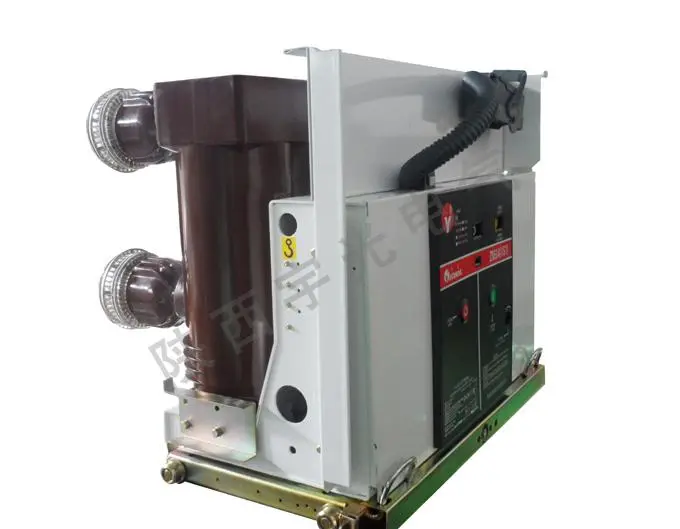
Understanding Breaker Overload: Definition and Working Principle
Overload protection is an important safety feature in power systems that serve data centers, steel mills, chemical plants, and green energy sites. An overload breaker is designed to protect against conditions of too much current that, even though they are below the levels needed for a short circuit, can still damage wires and equipment that is attached to them over time through heat.
What Distinguishes Overload Breakers from Other Protection Devices
While circuit breakers protect against both overloads and short circuits, special overload relays only protect against slow increases in power. Molded case circuit breakers (MCCBs) have thermal-magnetic trip mechanisms that can handle both types of faults. Motor safety circuit breakers, on the other hand, have adjustable overload sets that are made to work with inductive loads. Fuses protect against overcurrent by melting, but they need to be replaced after every use, which makes them less useful for places that need to get back to normal quickly.
This difference is important when choosing tools for medium-voltage switches. In KYN28 or GIS setups, vacuum circuit breakers usually come with separate overload relays that keep an eye on the load current all the time and send out early warnings before the thermal limits are hit.
Thermal and Electronic Detection Mechanisms
In regular thermal overload relays, bimetallic strips get bent when they get too hot from too much power. This trips the breaker contacts automatically. The time-current features have an inverse curve, which means that higher overloads trip more quickly, while modest overflows let the circuit work temporarily to handle motor starting currents. This simple, tried-and-true technology is still a good deal for uses where exact adjustment isn't necessary.
Electronic surge safety is more accurate and gives you more options. Microprocessor-based relays check the RMS current levels across all three phases and find imbalances that show single-phasing conditions before they cause damage to the motor. Different types of loads, such as quick-starting pumps and high-inertia conveyors, can be handled by programmable trip classes (10, 20, and 30). Temperature compensation changes the sensitivity based on the temperature of the surroundings. This keeps the safety working well even when it's hot outside.
Electronic safety is especially helpful for medium-voltage vacuum circuit breakers that serve wind farms or solar substations. There are big changes in load and harmonic distortion in these systems, which thermal devices might not understand correctly, which could cause false trips or not enough safety.
Common Causes of Breaker Overload and Tripping
Finding the main reasons for overloading lets buying teams fix systemic problems instead of changing parts over and over again. Most industrial breaker trips that are recorded in maintenance logs are caused by the following things.
Excessive Load Demands Beyond Design Capacity
When a production line grows, new equipment is often added to old circuits without recalculating the total ampacity. If you add more motors to a rolling mill that was drawing 800 amps at first, it may now be drawing 1,100 amps, which is more than the 1,000-amp breaker limit. Seasonal changes also play a role. For example, the highest loads that HVAC systems in data centers have to handle in the summer are close to or higher than what was planned for the winter.
This won't happen because connected load checks are done during buying planning, and anoverload breakeris selected accordingly. Keeping records of the actual current readings during peak production gives accurate information for choosing breaker rates with the right safety reserves, usually 125% of continuous load.
Short Circuits and Ground Faults
Even though they are not the same thing, rapid faults often show up as overload events when the problem is first found. When insulation breaks down between stages or from the wire to ground, low-impedance paths are made that can carry huge amounts of current. In systems with a lot of power, even short sparks can produce enough energy to melt copper and damage switchgear parts.
To protect against ground faults, you need to set the sensitivity so that it can tell the difference between normal leakage currents and real faults. Specifications for buying things should make sure that suggested breakers have adjustable ground fault trip units that work with different system grounding methods. For example, setups that are solidly grounded, resistance-grounded, or ungrounded need different types of security.
Environmental Factors Accelerating Component Degradation
Coastal substations that serve ocean wind farms have to deal with air that is high in salt, which damages terminal connections and makes contact resistance higher. As more resistance is added, it creates heat based on I²R losses. This leads to hot spots that finally set off thermal protection, even if the load current stays within the rated limits.
In the same way, projects at high elevations work in air that is weaker and can't cool as well. If you place a breaker that is rated for sea level, you may need to lower its value by 1% for every 100 meters above 1,000 meters. To get the right tools, procurement teams must tell manufacturers about the conditions at the spot.
These effects are made worse by high temperatures inside spaces that don't have enough air flow. In settings where switchgear works at 50°C instead of the normal 40°C, thermal trip points drop, which leads to early operation under normal load conditions.
Installation Errors and Maintenance Neglect
Overload signs can be avoided by making sure that links are properly torqued. Bus bar joints and terminal lugs need to be tightened exactly to the manufacturer's specs. Not enough torque lets tiny movements happen that oxidize contact surfaces, while too much torque bends wires or breaks insulators. Both situations make resistance and heat production higher.
More performance loss happens when dust and other contaminants build up on contacts. Buildings that have cement dust, metal particles, or chemical fumes need to be inspected more often. Maintenance contracts should include cleaning instructions that are right for the working environment. They should use approved solvents that protect silver-plated touch surfaces instead of rough methods that wear off protective coats.
When engineering teams understand these different reasons, they can come up with focused answers. Getting to the root causes of problems lowers the cost of emergency repairs and increases the useful life of equipment, which directly supports buying goals to lower long-term running costs.
Identifying Signs and Troubleshooting an Overloaded Breaker
Unplanned breakdowns during key production times can be avoided by finding overloading problems early on. If maintenance workers are trained to spot warning signs, they can plan to fix things during planned breaks instead of having to go on emergency trips.
Observable Symptoms Requiring Investigation
Breakers that trip over and over again mean that there are problems that need to be fixed. The operations staff should keep track of how often trips happen and link them to production activities. For example, do trips happen during certain steps in the process or when equipment is first turned on? Patterns show whether the problem is caused by too much load, broken equipment, or switch sizes that are too small.
When you hear clicking or buzzing from breaker casings, it means that something is wrong. Mechanical shaking from loose parts or electrical arcing makes sounds that only experienced techs can recognize. By looking for high temperatures at connections and conductor parts with thermal imaging scans, problems can be found before they become too big to fix.
Visual inspection shows darkened insulation, melted parts, or carbon tracking, all of which are signs that the temperature limit has been passed. Breakers should come with viewing windows so that they can be checked visually without having to open energized sections. This would make servicing safer.
Systematic Diagnostic Approach
The first step in troubleshooting is to measure the load using accurate clamp-on ammeters that record RMS current along with harmonic content. By comparing recorded values to breaker rates, you can tell if trips are caused by real overloads or by problems with the device. By measuring voltage, power problems that cause higher current draw can be found. Low voltage pushes motors to draw more current than they need to keep their mechanical output.
Using micro-ohmmeters to test contact resistance gives a number to the strength of the link. If the readings are more than 20% above what the maker recommends, appropriate action must be taken, such as installing anoverload breakerto prevent potential failures. This objective data helps with deciding whether to clean and retorque connections or replace broken parts.
Verification of trip unit tuning makes sure that safety devices work within certain limits. Over time, heat elements may move, causing them to trip too soon or not protect properly. Controlled currents are injected by specialized test sets to compare real trip characteristics to nameplate characteristics. This is especially important for sites that are getting older.
Maintenance Practices Preventing Overload Conditions
Scheduled inspection programs that are adapted to the seriousness of the operation cut down on sudden breakdowns. Breakers that are switched on and off a lot or that are in tough environments need to be checked every three months. Devices that are rarely used or that are in controlled environments may only need to be checked once a year. It's more important to have regular performance than random breaks.
When retorquing a connection, you should use calibrated tools and follow the manufacturer's pressure specs. Keeping records of which connections were worked on and their resistance values over time shows how decline has changed over time. This method is based on facts and supports replacing things before they break.
Protective coats must be kept in place during cleaning. To clean vacuum circuit breaker connections that are silver-plated, you should use lint-free cloths wet with isopropyl alcohol. You should never use rough materials that remove the plating. By using the right contact oils made for high-current uses, you can lower rust while keeping resistance low.
These proactive actions are in line with procurement goals to lower operations risk and increase the useful life of assets, giving repair investments a clear return on their investment.
Choosing the Right Overload Breaker for Your Industrial Needs
To choose the right security gadgets, you have to look at a lot of technical and business factors. Long-term dependability, upkeep costs, and system performance are all affected by the decision process in a big way.
Thermal Versus Electronic Protection Technologies
Choosing between thermal and electronic overload safety relies on the needs of the application and the available funds. Traditional thermal switches are less expensive at first and protect constant-speed motors reliably in stable settings. Because they are mechanically simple, they last a long time and don't need much care other than being inspected every so often.
When accuracy and adaptability are important, investing more in electronic safety is worth it. For systems that use variable frequency drives, it's important to get a correct RMS measurement that takes harmonic distortion into account. Setting the ground fault sensitivity stops trips that aren't necessary and finds real insulator problems. Motors are stopped by phase loss protection before single-phasing damages the windings. Communication platforms let you watch things from afar and plan repair ahead of time, which cuts down on unplanned downtime.
The people in charge of operations should compare these skills to what the place needs. The customizable features of electronic security are useful for a steel mill with important rolling motors that need to avoid sudden trips and protect against stall conditions. On the other hand, industrial HVAC tools might work fine with thermal devices.
Procurement Evaluation Criteria
Cost-effectiveness is more than just the price of the original buy. Total purchase cost includes labor for installation, time for setup, extra parts inventory, and the length of time the machine is expected to work. Breakers with flexible trip units make changes easier as loads change, so you don't have to replace the whole device. Using only one manufacturer's products limits the types of extra parts that can be used and the amount of training that needs to be done.
Different sellers offer very different warranty terms. Full coverage that includes parts, work, and security against consequential damage is worth more than just replacing the damaged part. When claims are made, disagreements can be avoided by making the guarantee conditions clear, such as whether coverage needs installation by a manufacturer-approved technician and set maintenance intervals.
Verification of certification compliance keeps buying teams from being sued. Certifications like IEC 60947 and UL 508 for industrial control tools show that they have been tested by separate labs. IEEE/ANSI C37 standards control how well vacuum circuit breakers work in medium-voltage situations. When evaluating bids, asking for certified test results verifies the claimed specs.
Manufacturer Relationships and Support Capabilities
When you work with well-known makers, you can get access to their technical knowledge in addition to their products. Application experts help with safety coordination studies, making sure thatoverload breakersettings are properly coordinated with upstream breakers and downstream fuses. This support is especially helpful for setups that are complicated and have a lot of different power levels and types of loads.
How quick you are after the sale has a direct effect on how well support works. When problems happen, suppliers who offer technical help 24 hours a day and quick arrival of spare parts keep downtime to a minimum. Before committing to a purchase, you should look into the manufacturer's service networks and regional support options. This is especially important for sites that are far away and where shipping delays can affect repair times.
Long-term happiness is higher when makers offer training programs for operations and repair staff. Knowing what a device can do, how to test it correctly, and how to fix problems increases its stability and cuts down on mistakes that weaken security. When procurement workers think about these things, they can make choices that will work well for a long time and help the business reach its goals.
Ensuring Electrical Safety and Compliance with Overload Breakers
When choosing, installing, and maintaining breakers, safety is always a top priority. Following well-known rules keeps people, places, and groups safe from risks that can be avoided.
Installation Best Practices
Integration into current electricity systems needs to be carefully planned and carried out. Coordination studies model the features of security devices across the distribution network, setting up ways to separate problems without turning off parts of the system that are working properly. This selectiveness limits the number of services that go down when something goes wrong.
When attaching and connecting things physically, you must follow the makers' instructions to the letter. The NEMA 1, 3R, and 4X ratings for environmental enclosures fit the amount of security to the conditions on the spot. Standard enclosures can be used for indoor substations, but outdoor sites need weatherproof protection with the right temperature values.
Before turning on equipment, commissioning processes make sure that it was installed correctly. Phasing checks make sure that three-phase wires are properly connected. Trip testing at low current levels proves that the safety works without putting parts through damaging fault currents. Recording the conditions as they were when they were made sets a standard for future comparisons of performance.
Maintenance Safety Protocols
Working on electrical equipment that is plugged in can seriously hurt you. Lockout-tagout processes that make sure all power is turned off before people can reach breaker compartments are safety requirements that can't be ignored. Electrical safety gear that is approved for the system voltage and available fault current keeps workers safe while they test and check things.
Arc flash hazard analysis figures out the amounts of incident energy at possible job sites. Putting estimated numbers and necessary PPE categories on the labels of electrical equipment helps repair staff know what safety measures to take. Breakers with remote racking mechanisms that let people enter and remove them while staying outside the arc flash boundary are becoming more and more common in procurement requirements.
Regular safety training helps people remember the right way to do things and keeps them up to date on what equipment-specific needs are. Combining training from the maker with general electricity safety lessons makes for a complete set of skills.
Regulatory Compliance Requirements
International standards set the base performance levels for devices that protect against overcurrent. IEC 60947-2 sets the rules for checking low-voltage circuit breakers. The rules cover how they work, how long they last, and how strong the insulator is. Independent lab tests show that products approved to these standards meet these requirements.
In the US, the National Electrical Code requires different types of safety for different types of tools and places of work. Article 430 talks about motor safety and says that overload protection devices must be 115% to 125% of the motor's full-load current, based on the service factor and temperature rise. Knowing these needs makes sure that the procurement specs follow the rules.
Utility link deals for independent power providers include extra safety rules. For wind farms and solar sites to join to transmission systems, they need to use approved relaying schemes that work with utility safety devices. Including utilities early on in the planning process keeps expensive changes from having to be made after the equipment has been bought. Legally, these compliance measures keep organizations safe while making sure systems meet safety standards that are known in the industry. This helps with buying goals to lower project uncertainty.
Conclusion
Understanding what causes breaker overload includes looking at electrical, environmental, and practical factors that procurement workers need to take into account when choosing equipment and keeping it in good shape. Too much load, broken connections, and external stresses cause protective trips that stop output and shorten the life of the equipment. Early warning signs let you take action, and thorough fixing finds the root causes instead of just the symptoms. Anoverload breakeris one example of a device where choosing between thermal and electrical security methods relies on the needs of the application.
When buying something, the original cost is weighed against the long-term costs of running it. Partnering with manufacturers to get expert help, quick access to extra parts, and full training is more valuable than just getting the parts. Following foreign safety standards and rules keeps people and places safe while also following the law. Using these ideas cuts down on downtime, improves safety, and gets the best total ownership costs for power distribution systems in factories.
FAQ
How often should overload breakers undergo testing and maintenance?
How often inspections are done depends on how hard the work is and what the environment is like. Breakers that are often switched or that are in harsh settings, like cement plants with dust or seaside substations with salt corrosion, need to be checked every three months. Inspections can be done every year at facilities with safe loads and controlled settings. No matter what the conditions are, more aggressive plans are needed for critical uses. Visual observation, measurement of connection resistance, confirmation of trip characteristic, and evaluation of contact state should all be part of the testing process.
Can overload breakers protect against all electrical faults?
Overload safety handles overcurrent conditions that last for a long time, but it doesn't cover sudden short circuits or ground problems without extra protection. Coordinated devices are needed for full fault protection. Overload switches handle long-term high currents, instantaneous elements handle short circuits, and ground fault protection finds imbalances in the current from the phase to the ground. These features are now all built into one electronic trip unit, which makes security schemes easier to use.
What advantages do electronic overload breakers offer compared to thermal models?
Electronic devices offer accurate RMS current measurements that aren't affected by changes in temperature, programmable trip characteristics that can handle different types of loads, phase loss detection that keeps motors from breaking down, harmonic current handling for variable frequency drive applications, communication features that let you monitor the device from afar, and self-diagnostics that find problems before they become protection gaps.
Partner with Yuguang for Reliable Overload Breaker Solutions
Choosing an experienced overload breaker provider who knows how to meet the strict needs of power generation, heavy industry, and important infrastructure is the first step to making sure that your electrical system is reliable. B2B procurement professionals looking for reliable protection options can get both advanced manufacturing skills and deep application knowledge from Yuguang Electric. Our production methods are ISO 9001:2015 approved, and we do a lot of quality control to make sure that every item meets strict performance standards. We make new goods that are backed by engineering that has been used before. We have 39 utility model patents and are known as a High and New Technology Enterprise.
For 6kV to 40.5kV uses, Yuguang can make custom overload protection solutions. These include vacuum circuit breaker setups that are specifically made for wind power, metallurgy, and mining installations. Our technical team offers full support, from creating the original specifications to helping with installation and setting up long-term upkeep plans. We keep a large stock of extra parts so that we can quickly respond to needs in the field and keep your downtime to a minimum. Get in touch with our engineering experts at ygvcb@hotmail.com to talk about your unique security needs and find out how Yuguang's wide range of services can lower procurement risks and improve business performance.
References
1. IEEE Standards Association. "IEEE Standard for Circuit Breakers and Switchgear." Institute of Electrical and Electronics Engineers, 2019.
2. National Fire Protection Association. "National Electrical Code: Article 430 - Motors, Motor Circuits, and Controllers." NFPA 70, 2020 Edition.
3. International Electrotechnical Commission. "Low-Voltage Switchgear and Controlgear - Part 2: Circuit Breakers." IEC 60947-2, 2016.
3. Westinghouse Electric Corporation. "Applied Protective Relaying." Westinghouse Electric Corporation, Newark, 1982.
4. Blackburn, J. Lewis, and Thomas J. Domin. "Protective Relaying: Principles and Applications." CRC Press, Fourth Edition, 2014.
5. Cooper Bussmann. "Electrical Protection Handbook: Overcurrent Protection for Electrical Distribution Systems." Eaton Corporation, 2018.

Send Inquiry
You may like
