
What certifications should I look for when purchasing high-voltage electrical appliances?
To make sure that high-voltage electrical appliances are safe, reliable, and in line with regulations, it is important to know what licensing standards they need. When it comes to switchgear and controlgear standards, IEC 62271 and ISO 9001 are the most important certifications. Other important certifications are regional ones, like UL (Underwriters Laboratories) for North American markets or CE marking for European compliance. These certifications show that the equipment has been through strict tests for electrical safety, arc-extinguishing performance, insulation integrity, and long-term operational stability. This directly addresses the risks that come with equipment failures that can cause expensive downtime and safety risks.
Understanding the Importance of Certifications for High-Voltage Electrical Appliances
Suppliers and buyers in the high-voltage electrical appliances business trust each other based on certifications. For people in charge of buying things at power plants, infrastructure owners, and factories that use a lot of energy, approved goods show a commitment to quality that goes beyond what the company says on the label. When I'm looking at tools for important jobs, licenses show me that the company has put money into good testing methods and quality control systems.
Regulatory Compliance Across Markets
When working with high-voltage electrical appliances, the risks are very high. A single piece of broken technology can cause power blackouts that affect whole buildings and cost hundreds of thousands of dollars per hour in lost production. Not only does non-certified equipment cost a lot of money, but it also puts the safety of the repair and management staff who work close to these systems every day at great risk.
Long-term Operational Reliability
Different markets have different licensing standards that are based on the safety rules and electricity codes in those areas. In the US, high-voltage electrical appliances setups are governed by the National Electrical Code (NEC) and ANSI standards. In Europe, on the other hand, products must have a CE label that shows they meet the requirements of the Low Voltage Directive and the EMC Directive. Understanding these regional differences can help you avoid expensive project delays caused by non-compliant equipment failing inspections during the launching phases.
As a result of having multiple national inspection reports and ISO 9001:2015 certification, Yuguang has carefully set itself up to meet a wide range of global needs. This ability to comply with multiple jurisdictions is especially useful for EPC companies who are in charge of projects in multiple countries, as it means they don't have to buy from multiple sellers because of licensing requirements in each country.
Certifications have a direct effect on how long equipment lasts and how often it needs to be maintained. Products that meet IEC standards are put through tests that mimic decades of use, such as rapid age, temperature cycles, and mechanical endurance. This strict evaluation method finds flaws in the design of products before they are used in the field. This greatly lowers the chance that products will fail before they're supposed to, which would disrupt operations.
If you look at Yuguang's product line, you can see the link between licensing and dependability. With 39 patents covering their 6KV–40.5KV product line, the company shows that they are always coming up with new ideas within approved frameworks. Their vacuum circuit breakers have permanent magnet working mechanisms that have been tested to work without any problems for thousands of rounds. This level of performance is only possible with approved manufacturing methods and quality control systems.
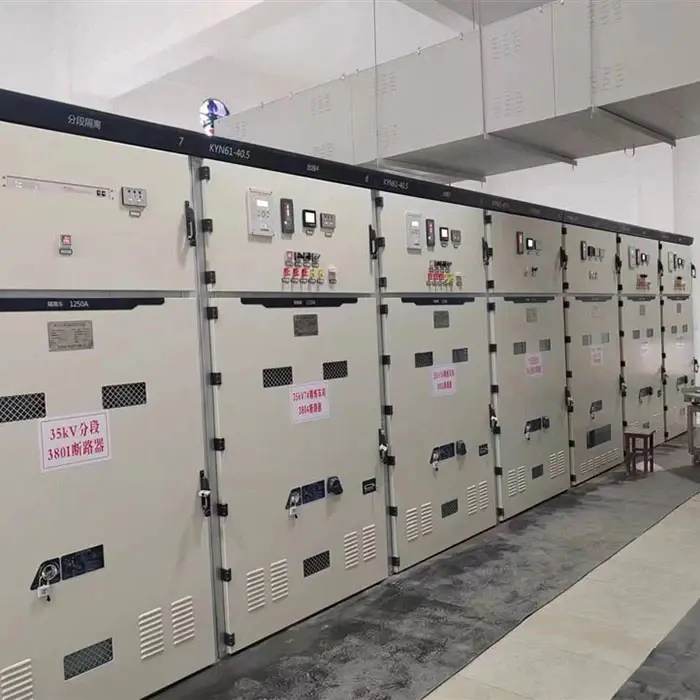
Key Certifications to Look For When Purchasing High-Voltage Electrical Appliances
To find your way around the world of certifications, you need to know which ones really affect how well equipment works and which ones are just for show. I focus on certifications that directly address the main problems that industrial operations have, such as making sure that equipment works with each other, meeting repair needs, delivering reliably, and being able to change to different working conditions when buying high-voltage electrical appliances.
International Electrotechnical Commission (IEC) Standards
IEC 62271 is the standard for high-voltage electrical appliances around the world. It covers important performance factors like maximum voltage levels, short-circuit breaking ability, mechanical longevity, and working conditions in different environments. This group of standards has specific parts for vacuum circuit breakers (IEC 62271-100), load break switches, and combination units that do more than one thing to protect.
When judging providers, check not only their claims of IEC compliance, but also the test results that show the performance gaps. Yuguang's goods go through multiple rounds of testing to make sure they meet IEC standards for arc-suppressing performance, insulation integrity, and load flexibility. Test results can be used for project planning reviews and utility approval processes.
Quality Management Certifications
Getting ISO 9001 approval shows that a seller is dedicated to quality control through recorded methods, ongoing growth, and managing customer happiness. Check more than just the license to see how long the company has had the certification and if they've added other standards, such as ISO 14001 for environmental management and ISO 45001 for workplace health and safety.
Yuguang's extensive list of ISO certifications shows that they have a mature quality mindset that runs through their whole business. This systems-level approach to quality management directly answers worries about supply stability and long-term source trustworthiness. This is especially important for building up extra parts stocks for upkeep and planning strategies for rolling out equipment over multiple years.
Regional and Application-Specific Certifications
UL approval is still needed for projects in North America because it covers independent testing of products to make sure they are safe. The UL mark on high-voltage electrical appliances gives it instant authority with electrical testers and insurance companies, who use these third-party approvals to speed up the project clearance process.
For more specific jobs, getting more qualifications is important. ATEX certification checks whether petrochemical facilities can work in dangerous atmospheres, and naval certifications check whether installations on remote platforms are safe. Customization based on scenarios is possible with Yuguang, so it can meet these specific approval needs. This helps with a wide range of tasks, from mines to making wind power, where normal product setups don't work well.
Type Testing and Documentation for Routine Testing
In addition to certifications, you should also ask for full test documents, such as type test results that cover design validation and regular test records for the tools you are buying. Type tests make sure that the design works well in harsh situations, like when the temperature rises or there is a short circuit. Every unit that is made goes through routine tests to make sure it is properly put together and works before it is shipped.
Yuguang's production process includes strict screening steps that go from checking the raw materials to trying their end functionality. Their use of aerospace-grade precision technology for core parts like solid-sealed poles and arc-extinguishing chambers, along with IP67-rated sealing systems, makes equipment that always goes above and beyond what is needed for basic approval.
How to Verify Certification Authenticity and Supplier Reliability?
When buying high-voltage electrical appliances from other countries, certification scams and misinformation are big problems that can go wrong. I've seen sellers show outdated certificates, say they have certifications for product groups that weren't actually tried, or show paperwork from certification bodies that aren't recognized by the industry.
Certificate Validation Through Official Databases
Legitimate certification groups keep databases that can be searched to check the legitimacy, scope, and end dates of certificates. There are online tools from ANSI, UL, and the ISO Survey database that can be used to prove ISO licenses. When looking at certificates, make sure that the formal name of the maker fits the name of the certificate provider perfectly, and make sure that the certification covers the types of products you want to buy.
The certificate number and release date make it possible to check against records kept by the licensing body. Watch out for certificates that don't have these details or that talk about "compliance with" standards without giving you official proof. Yuguang's open approach to paperwork includes including full certification credentials with technical plans. This makes it easy for official channels to check the information.
Factory Audits and Third-Party Assessments
For large orders or important uses, factory checks are a great way to find out more about a company's real production skills than just its paper qualifications. When you visit a facility, look at how advanced the production equipment is, how well the measuring and testing instruments are calibrated, and the paperwork that shows that workers have been trained. The fact that there are quality control labs and test equipment that has been measured shows that the company is really committed to using certified production methods.
Yuguang's Baoji factory is conveniently placed in China's vacuum circuit breaker production base. It has high-tech production lines that support modular assembly processes that make sure quality control at the component level. They bought special tools for precise pre-assembly, which helps them keep the regularity needed for certification compliance across all production levels.
Supplier Track Record and References
Ask for examples of projects with similar scope and technical needs, and then get in touch with those customers to find out how they felt about the quality of the equipment's performance, how quickly they got help from technical support, and how well they were treated after the sale. Pay close attention to how the providers dealt with problems that came up out of the blue or requests for changes while the project was being carried out.
When you look at long-term customer interactions, you can see how valuable Yuguang's full-chain service approach is. In addition to providing equipment, they also offer fitting advice, help with testing, and full after-sales warranties that include providing extra parts and free change plans. This level of service lowers the total cost of ownership by cutting down on unplanned downtime and making upkeep easier to plan.
Implications of Certifications on Safety, Performance, and Procurement Decisions
There are real practical and financial benefits to choosing approved high-voltage electrical appliances in addition to meeting legal requirements. As someone who has worked on building projects, I've seen how buying methods based on licensing always lead to better results in a number of performance areas.
Safety Risk Mitigation
Certified high-voltage electrical appliances goes through a lot of tests that mimic fault situations like short circuits, ground faults, and insulator breaks. This approval makes sure that safety devices work right when they're supposed to, which stops arc flashes that could seriously hurt people. According to the Insurance Institute, a lot of workplace accidents are caused by electrical problems. A lot of these accidents happen with equipment that isn't approved or isn't being kept properly.
Compared to older oil-filled switchgear designs, Yuguang's vacuum arc quenching technology with permanent magnet systems is safer by nature. The sealed vacuum interrupter gets rid of the fire risks that come with insulation oils that can catch fire. It also makes sure that the arc interruption works the same way for the whole life of the equipment. This design philosophy directly answers safety concerns for operations and facilities managers who are in charge of keeping workers safe.
Performance Optimization and Energy Efficiency
There are measured performance benefits to using certified equipment, such as lower contact resistance, less electromagnetic interference, and better power quality. These factors lead to lower energy losses during transfer and distribution, which saves a lot of money over the course of several years of operation.
Yuguang uses a combined modular design method that makes the company's size smaller while still providing strong seals and a longer service life. Their surface treatment methods, which include ceramic coating and powder coating, make things more resistant to corrosion. This is especially helpful for installations in tough places like coastal areas, chemical plants, and mines, where environmental stresses make equipment break down faster.
Total Cost of Ownership Analysis
Even though approved machinery usually costs more at first, a full lifetime cost study shows that it is worth the extra money. Lower failure rates, less upkeep needed, longer replacement times, and lower insurance fees all lead to strong economic gains. A thermal power company I talked to said that their maintenance labor costs dropped by 40% after they switched to approved maintenance-free switches from their old standard equipment.
Yuguang's faster shipping time is an extra benefit that is often forgotten when buying things. Their basic goods ship in 7–15 days, and personalized combinations take 30–60 days. This is a lot faster than the timelines of many of their competitors. This flexibility helps project managers stick to tight completion plans and cuts down on the costs that come with waiting longer to buy tools.
Procurement Risk Reduction
Supplier dependability has a direct effect on the chances of a project's success. Certified makers show that they have the organizational development and financial security to keep customers for a long time. The process of maintaining certification requires ongoing investments in quality systems, training, and equipment testing. Suppliers who can't keep these promises are weeded out.
As a National High-Tech Enterprise that is known and has Intellectual Property Management Standardization approval, Yuguang is the kind of stable provider that purchasing departments look for when they make strategic agreements. Their 39 patents show that they can keep coming up with new ideas, and their many "Quality and Trustworthy Unit" awards show that their consistent high performance is recognized by customers and peers in the same field.
Best Practices for B2B Buyers When Selecting Certified High-Voltage Electrical Appliances
Structured review systems that systematically compare suppliers' skills to project-specific needs are needed for effective buying to choose certified high-voltage electrical appliances. Before hiring possible suppliers, I think you should make thorough technical specs. When you do this, make sure that the evaluation factors take into account both the current needs of the project and long-term operating issues.
Comprehensive Specification Development
First, write down the electrical characteristics, such as the voltage class, current rate, short-circuiting capacity, and required working cycle. Conditions in the environment need to be carefully described, including ranges of temperatures, levels of humidity, effects of altitude, and exposure to toxic atmospheres or earthquake activity. Yuguang's ability to work in tough conditions and cover voltages from 6KV to 40.5KV makes them a good choice for a wide range of applications.
Supplier Qualification Process
When specifications are being made, integration needs should get the same amount of attention. Set rules for how control systems, safety switches, and tracking tools should talk to each other. Think about how the business might grow in the future and whether it will need more circuits or more space. Yuguang's manufacturing process uses flexible assembly, which makes it possible to meet these needs for growth without having to change the whole system.
Set up official criteria for qualifying suppliers that include their expert skills, quality systems, financial stability, and service infrastructure. Ask for specific information about how the products are made, how they can be tested, and how quality control is done. Yuguang's clear recording of their five-step manufacturing process—from handling raw materials to packing and shipping—shows how rigorous their production is and how it guarantees consistent product quality.
Check the supplier's technical help, such as the skills of their engineering staff, their experience with unique designs, and how quickly they respond to technical questions. Access to installation advice, operational support, and training for operations staff has a big effect on the success of a project, especially when new technologies are being used for the first time or when setups are complicated.
Contract Negotiation and Terms
Talk about clear release dates with consequences for missing them. Make sure the dates are reasonable and take into account the need for customization and testing procedures. Yuguang's low minimum order number of just one unit makes it easy to use for test programs or slow rollouts, and it also lets big projects customize in bulk.
The warranty should cover both problems with the product and promises of good performance. The situations that are covered and the time frames for responding should be made clear. Yuguang's full after-sales service, which includes maintenance agreements, spare parts supply, and free change plans, meets all of your ongoing support needs after the equipment is set up for the first time.
Conclusion
Choosing high-voltage electrical appliances that are properly approved is an investment in practical safety, equipment dependability, and managing long-term costs. International standards like IEC 62271, quality management systems like ISO 9001, and regional needs like UL and CE marks are all part of the certification environment. Verifying the validity of certifications through government databases, workplace audits, and reference checks guards against buying risks and makes sure that suppliers can really do what they say they can do.
The business case for approved machinery goes beyond just following the rules. It also includes real gains in safety, better performance, and a lower total cost of ownership. Structured procurement practices, such as detailed blueprint development, strict seller approval, and strategic contract discussion, can help procurement pros get the most out of key infrastructure investments while reducing risk.
FAQ
What are the most critical certifications for high-voltage switchgear?
IEC 62271 series standards are the basic ones for certifying high-voltage electrical appliances. They cover requirements for performance, safety, and dependability. Regional certifications, such as UL (North America) or CE (Europe), make sure that suppliers follow local rules. ISO 9001 quality management certification shows that a supplier's process is mature. Specialized systems need to have application-specific approvals like ATEX for dangerous areas.
How can I verify if a supplier's certifications are legitimate?
Check the formal records of certification bodies to make sure that certificates are still current and that they cover what they say they do. Check the formal name of the maker against certificate users and the websites of the organizations that issued the certificates to make sure the certificate numbers are correct. Ask for full test records instead of just certificates, and for expensive purchases, think about getting checks from a third party. For easy proof, Yuguang's clear recording methods and readiness to provide full certification badges make things very easy.
Does certified equipment justify higher initial costs?
Comprehensive lifetime cost analysis regularly shows that approved equipment is more cost-effective, even though it costs more to buy. Lower failure rates, less upkeep needed, longer service lives, and lower insurance costs all add up to a strong return on investment. Certified equipment also cuts down on unplanned downtime costs, which in important infrastructure uses often outweigh differences in the price of the equipment at first.
Partner with Yuguang for Certified High-Voltage Solutions
When purchasing managers are looking for dependable providers of high-voltage electrical appliances, they should look for partners who have both a wide range of certifications and a track record of technical success. Yuguang was founded in 2008 in Baoji, which is known for making vacuum circuit breakers. It has 39 patents and is fully ISO certified in its quality, environmental, and safety management systems. Our 6KV–40.5KV product range is designed to meet the needs of a wide range of industrial uses. It can be customized based on specific situations to work in difficult conditions and meet specific operating needs.
Our combined modular design mindset creates small, maintenance-free machines that last a long time. Our full-chain service model includes research and development, production, installation, and full support after the sale. We can deliver standard goods in 7–15 days and have variable minimum order numbers starting at just one unit. This helps infrastructure developers and industrial operators meet their tight project deadlines and ease their worries about supply stability. Get in touch with our technical team at ygvcb@hotmail.com to talk about your certification needs and get unique solutions backed by credible credentials and a history of excellent manufacturing. You can see all of our high-voltage electrical appliances for sale at ygvcb.com. That's also where you can find out why Yuguang is trusted by the world's biggest power, steel, and building projects.
References
1. International Electrotechnical Commission. "IEC 62271: High-voltage Switchgear and Controlgear Standards." IEC Standards Catalog, 2021.
2. American National Standards Institute. "ANSI C37 Series: Power Switchgear Standards for North American Applications." ANSI Publications, 2020.
3. Institute of Electrical and Electronics Engineers. "IEEE Standards for High-Voltage Circuit Breakers and Switchgear Testing." IEEE Standards Association, 2019.
4. International Organization for Standardization. "ISO 9001:2015 Quality Management Systems - Requirements and Implementation Guidelines." ISO Standards Portfolio, 2015.
5. National Fire Protection Association. "NFPA 70E: Standard for Electrical Safety in the Workplace." NFPA Code Standards, 2021.
6. China Electrical Equipment Industry Association. "Technical Specifications for High-Voltage Vacuum Circuit Breakers in Power Distribution Systems." Industry Technical Reports, 2020.

Send Inquiry
You may like
