
What does a load interrupter switch do?
It's an electrical device called a load interrupter switch that safely stops and starts load current in medium- to high-voltage distribution systems while they are working normally. Instead of reacting to faults like circuit breakers do, these switches provide controlled isolation during regular maintenance, load shifts, and system reconfigurations. When the current stops, they have arc-quenching devices (usually vacuum or gas-based) that put out the electrical arc that is made. This protects both the equipment and the people who are using it. Because of this basic feature, load interrupter switches are necessary in places like power plants, substations, factories, and renewable energy sites where safety and operating flexibility can't be compromised.
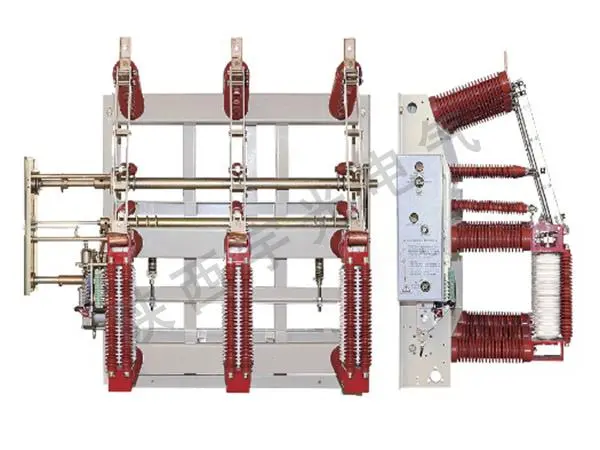
Understanding the Load Interrupter Switch: Function and Working Principle
Core Definition and Essential Components
The load interrupter switch is a safe way to turn off circuits carrying normal load currents without causing dangerous arcing conditions. It is a controllable break point in electrical distribution networks. The device has several built-in parts, including fixed and moving contacts that physically open or close the circuit, an arc extinguishing chamber that uses vacuum technology or insulating gas to quickly put out arcs, and a mechanical operating mechanism that gives the device the speed and force it needs to switch on and off reliably. These switches can handle active circuits up to their rated capacity, which is usually between 200A and 630A at voltages between 12kV and 40.5kV. This is different from simple isolators, which can only work when there is no load.
Operating Mechanism and Current Interruption Process
The moving contact separates from the fixed contact very quickly, generally within 30 to 50 milliseconds, when the working handle or motor drive starts to open. This fast motion is very important because it shortens the length of the arc and stops contact damage. When the contacts move apart, an electrical arc appears that moves the load current through plasma or charged gas.
The arc-suppressing system starts working right away. Vacuum interrupters make an almost perfect insulating environment so the arc can't continue, and gas-filled rooms use SF6 or other gases to cool and de-ionize the path of the arc. The energy stored in the circuit's inductance is released safely through this managed process, which stops the current completely without causing voltage spikes or damage to the equipment.
Distinguishing Load Interrupters from Circuit Breakers and Isolators
Knowing the organizational order of switching devices helps teams that buy things choose the right stuff. Circuit breakers protect against overcurrent and short-circuit faults by having complex trip mechanisms and a high fault-interrupting capacity, which is usually between 25kA and 50kA. They automatically react to things that aren't normal.
On the other hand, load interrupter switches can only handle normal load currents and need to be operated by hand or from a distance; they can't clear problem currents on their own. Isolators let you see when a link is made for servicing safety, but they can't put out arcs, so they can't be used to break energized circuits. In current installations, these parts are often used together: a load interrupter switch for routine switching, high-rupturing-capacity fuses for fault protection, and isolators to turn off the power completely during repair work.
Types and Key Features of Load Interrupter Switches
Classification by Installation Environment and Technology
Different designs allow load interrupter switches to work in a variety of situations. Indoor types are small and light, making them good for controlled spaces like power plant switching rooms and industrial electrical vaults where making the best use of space is important. Outdoor versions have weatherproof housings with ratings from IP54 to IP67, UV-resistant insulation, and gear that is protected against rust to work in temperatures ranging from -40°C to +50°C.
This makes them perfect for utility yards and renewable energy sites that are subject to harsh weather. Technology-wise, vacuum load interrupters rule the 12kV to 40.5kV market because their sealed rooms don't need any upkeep, they don't release greenhouse gases into the air, and they've been tested and proven to work over 10,000 times. Gas-insulated versions with SF6 or eco-friendly options have better dielectric strength for very small GIS uses, but they need to be checked for gas leaks and refilled on a regular basis.
Voltage and Current Rating Classifications
Picking the right grades makes sure of both safety gaps and cost effectiveness. 12kV systems are used for industry distribution, 24kV networks are common in urban substations, and 36kV to 40.5kV installations are used for transmission-level switching in power plants and big renewable farms. Ratings for current usually range between 400A and 1250A, which match the powers of the generator and feeder.
Engineers should make sure that the rated short-time withstand current of the switch (often 20kA or 25kA for 3 seconds) is higher than the maximum prospective fault current at the installation point. This rating protects the mechanical integrity before upstream protection kicks in, even though the switch itself won't interrupt faults.
Integrated Safety Mechanisms and Protective Features
These days, load interrupter switches have more than one safety layer. The earthing switch can't close until the main contacts are fully open, and the main contacts can't close while earthing is active. This is called mechanical interlocking. This keeps grounded equipment from getting energized by mistake. Visual position markers make it easy to see the state of a switch, which is very important for maintenance tasks. Arc reduction technology reduces contact wear and gets rid of fire risks.
Pressure release devices in gas chambers protect against problems inside the chamber. Remote operating systems let operators make changes from a safe distance. Motorized drives allow for automatic SCADA integration. And stored-energy spring systems keep the machine running at a high speed no matter how strong the user is or how fast they turn the handle. These features work together to solve the main problems that operations and maintenance teams have been having: a lower chance of failure, regular repair intervals, and better safety for workers during switching operations. These traits directly support buying goals that aim to lower the risk of power outages and keep long-term operating costs low.
How to Choose the Right Load Interrupter Switch for Your Needs
Critical Selection Parameters and System Compatibility
Accurate electrical specs are the first step in making purchasing choices. Find the highest steady load current and choose a load interrupter switch with a rating current that is at least 25% greater to avoid thermal stress when demand is high. With the right insulation coordination, the voltage level must match or be higher than the system voltage. For example, selecting a 24kV switch for a 22kV system gives you the safety margin you need. When choosing an enclosure, you should look at the environment.
For example, outdoor setups need UV-stabilized materials and sealed systems, and coastal areas need better corrosion resistance. Physical measurements (to make sure they work with current switchgear lineups), busbar link setups, and control voltage compatibility (usually 110VDC or 220VAC for motorized operators) are some of the things that need to be thought about when integrating a system. Compatibility with protection methods is also important. Make sure that the running time of the switch works well with the features of upstream circuit breakers and downstream fuses to keep selective coordination working when things go wrong.
Evaluating Global Manufacturers and Product Reliability
The foreign market has well-known companies that have a history of making good products. Siemens has a wide range of load interrupter switches, as well as a lot of licensing paperwork and a world service network that works well in North America and Europe. ABB focuses on its digital integration skills and eco-friendly designs that use insulator technologies that don't contain SF6. Schneider Electric is an expert in modular switchgear systems that use standard connections.
When purchasing managers compare products, they should look at type test certificates that show they meet IEC 62271-103 standards, MTBF (mean time between failures) data that shows the products usually last more than 20 years, and information on the availability of extra parts. When setting up and fixing problems, the quality of the manufacturer's expert help is very important. You should look at reaction times, the availability of English-language documentation, and experience with similar industrial applications in your field.
Clarifying Device Terminology and Functional Differences
In the market for moving tools, terms that are used for different things can be confusing. The terms "load break switch" and "load interrupter switch" are often used to refer to the same thing: a device that can stop load current. "Disconnect switch" usually refers to an isolator that can't break the load, but some makers use it in a more general way. "Load break disconnect switch" pairs the ability to see the separation with the ability to stop the load. When reading datasheets, pay attention to the ratings that are written in a clear way.
For example, "rated normal current" tells you how much current the device can safely stop, "rated load-breaking current" tells you how much current it can carry continuously, and "rated short-time withstand current" tells you how strong it is mechanically when there is a fault. Knowing these differences can help you avoid making mistakes that cost a lot of money and make sure that the equipment you choose meets your real operating needs. This directly addresses procurement problems related to equipment compatibility and technical support needs.
Procurement Guide: Buying Load Interrupter Switches for Industry
Identifying Reliable Suppliers and Distribution Channels
Procurement strategies that work well balance ties with manufacturers and networks of area distributors. Working directly with makers like Yuguang is better for big projects that need customization, longer warranties, and full expert support. Yuguang was founded in 2008 and is based in Baoji, Shaanxi, which is the center of vacuum circuit breaker production in China. The company specializes in 6kV to 40.5kV switchgear systems and has 39 utility model patents and ISO 9001:2015 certification.
Direct sourcing gives you access to technical tools that can help you with custom voltage ratings, unique mounting arrangements, and integrating new systems with old ones. Regional wholesalers offer faster shipping for common items, local stock for quick replacements, and hands-on expert help during installation. B2B sites make it easier to compare prices and check out suppliers, but buyers should still check the suppliers' certifications on their own. Hybrid methods work well: make general deals with makers for project-specific tools while keeping in touch with distributors for spare parts and replacements in case of emergencies.
Understanding Pricing Structures and Value Optimization
The price of a load interrupter switch depends on more than just how much it costs to make. Prices are greatly affected by voltage and current levels. For example, a 40.5kV/630A vacuum switch usually costs 40–60% more than a similar 12kV type because it needs more insulation and has bigger vacuum interrupters. The technology you choose is important. For example, vacuum switches cost more than air-break versions but have better long-term value because they require less upkeep. When you buy in bulk, you can get big discounts. Projects that need ten or more identical units can usually negotiate savings of 15 to 25 percent.
Customization costs more but makes integration easier: different mounting measurements, unique auxiliary contacts, or non-standard control voltages can raise the unit price by 10–30% while avoiding costly field changes. Delivery terms affect the total cost. For example, Ex Works pricing seems cheaper, but buyers take on the cost and risk of handling, while DDP (Delivered Duty Paid) pricing gives buyers peace of mind about the price. Smart buyers get full quotes that include the cost of the equipment, spare parts, help with setting up the system, and choices for an additional warranty. This way, they can compare the total cost of ownership, not just the purchase price.
Logistics Considerations and After-Sales Service Expectations
Lead times vary a lot depending on how standardized the product is and how much space the seller has. Catalog items from major manufacturers usually ship within 4 to 6 weeks. Customized designs, on the other hand, need 8 to 12 weeks for planning, production, and testing. Early on, project managers should share release plans that include extra time in case of delays in customs clearing or transportation. Good packaging is important. Strong wooden boxes with desiccant protection keep moisture out and avoid shipping damage, which speeds up the commissioning process.
Long-term relationship worth is based on service after the sale. Manufacturers have faith in their products by offering guarantees that cover 18 to 24 months from the date of starting, not just delivery. As long as technical help is available within 24 to 48 hours and extra parts are shipped within a week, downtime costs are kept to a minimum. Help with installation through thorough manuals, video tools, and on-site commissioning support makes sure that everything is set up correctly, and training programs teach maintenance teams what they need to know. Along with product specifications and price, these service elements directly address procurement pain points like project timeline certainty, expert help quality, and long-term operational costs. This makes them important criteria for evaluation.
Conclusion
In conclusion, load interrupter switches are an important part of modern electrical distribution infrastructure. They stop the flow of electricity safely, which makes it possible to do regular repair, be flexible with operations, and make the system work better. Procurement experts can choose the best options for voltage levels, current needs, and environmental conditions by knowing how they work, the different technologies they use, and how they need to be integrated. To do a good job of procurement, you need to find a mix between technical requirements and provider trustworthiness, lifecycle costs, and full support services. Load interrupter switches with advanced tracking and control features will become more important for grid resilience and operating efficiency in industrial, utility, and infrastructure applications as electrical networks become more automated and incorporate renewable energy sources.
FAQ
What distinguishes a load interrupter switch from a circuit breaker?
What makes a circuit breaker different from a load interrupter switch? Load interrupter switches safely stop regular load currents during planned tasks like repair isolation and load transfers. They can handle 200A to 630A of current at voltages up to 40.5kV. They have to be operated by hand or from a distance, and they can't clear fault currents on their own. Circuit breakers, on the other hand, stop fault currents that can reach 25kA to 50kA and protect against overloads and short circuits with automatic trip mechanisms.
Can load interrupter switches operate reliably in outdoor high-voltage environments?
Outdoor-rated models have weatherproof housings that achieve IP65 or IP67 protection, UV-resistant polymer housings, and metal parts that have been treated to prevent rust that are especially designed for installations that will be exposed to the elements. These units work regularly in temperatures ranging from -40°C to +50°C, even when there is smog, humidity, or rain. In substations, solar farms, and wind sites, outdoor load interrupter switches are often set up in Gas-Insulated Switchgear (GIS) or pole-mounted designs.
How frequently should maintenance be performed to ensure operational reliability?
Every year, vacuum-based load interrupter switches should be visually checked for physical damage, rust, and working indicators. Every three years, they should be fully tested, which includes measuring contact resistance and making sure the insulation is correct. Gas-insulated versions have yearly pressure checks added. The pivot points and linkages of mechanical parts need to be oiled and inspected once a year. Operation counters help with planned replacements. For example, most vacuum interrupters have a rating for 10,000 mechanical operations, which means that as counts near 8,000, they should be planned for renewal to keep reliability reserves.
Partner with Yuguang for Reliable Load Interrupter Switch Solutions
Partner with Yuguang for load interrupter switch solutions you can trust. Yuguang offers engineered load interrupter switch options backed by a wealth of technical know-how and a track record of top-notch making. We can make vacuum circuit breakers and equipment for voltages ranging from 6kV to 40.5kV, and our 39 unique innovations guarantee cutting-edge performance. As a maker that is approved by ISO 9001:2015 and a recognized High-Tech Enterprise, we offer OEM and ODM services that are tailored to each project's exact needs, including current ratings, mechanical setups, control integration, and environmental changes.
Our Baoji facility uses advanced production lines and strict testing procedures to make goods that don't need any upkeep and can be used for 20 years or more. We help you reach your buying goals by offering reasonable prices for large orders, ensuring delivery times that are in line with project plans, and providing full after-sales service that includes installation advice, operational support, and quick access to spare parts. Get in touch with our engineering team at ygvcb@hotmail.com to talk about your load interrupter switch needs, get detailed technical documentation, and find out why power utilities, industrial businesses, and EPC contractors on multiple continents choose Yuguang as their top load interrupter switch supplier.
References
1. International Electrotechnical Commission. IEC 62271-103: High-voltage switchgear and controlgear – Part 103: Switches for rated voltages above 1 kV up to and including 52 kV. Geneva: IEC, 2021.
2. Flurscheim, Charles H., ed. Power Circuit Breaker Theory and Design. London: Institution of Electrical Engineers, 1982.
3. IEEE Power Engineering Society. IEEE Guide for the Application of Gas-Insulated Substations in the Range of 1 kV to 52 kV. IEEE Std 1264-1993. New York: IEEE, 1994.
4. Slamecka, Eduard and Watkins, Larry. Medium Voltage Switchgear: Functions, Components and Applications. Hoboken: Wiley-VCH, 2017.
5. CIGRE Working Group A3.12. Vacuum Switchgear for Distribution and Transmission Applications. CIGRE Technical Brochure 382. Paris: CIGRE, 2009.
6. Ryan, Hugh M. High Voltage Engineering and Testing. 3rd edition. London: Institution of Engineering and Technology, 2013.

Send Inquiry
You may like
