
What Equipment Is Used in Wind Power Distribution?
In order to effectively handle the flow of electrical power from wind turbines to the electrical grid, wind power distribution equipment consists of a wide variety of specialized components. These systems consist of high-voltage cables for power transmission, transformers that increase transmission voltage levels, switchgear units for protection and control, monitoring systems for tracking performance in real time, and protection devices that guarantee safe operation under a variety of circumstances. In wind power installations, every component is essential to preserving system dependability, safety, and operational effectiveness.
Introduction
Wind power projects are spearheading the remarkable rise of the renewable energy industry in international markets. Modern wind farms' efficiency, dependability, and safety performance are directly impacted by the crucial infrastructure component of wind power distribution in renewable energy systems. Choosing the right distribution equipment has a significant influence on operational results and determines whether projects meet their budgetary and performance goals.
When assessing wind power distribution options, modern procurement experts must make more difficult choices. These decisions have an impact on long-term operating expenses, maintenance needs, and system dependability in addition to the project's immediate success. Making educated purchase selections requires an understanding of the technical details, compatibility requirements, and performance characteristics of different equipment alternatives.
In-depth information on component selection, performance optimization, and vendor assessment criteria is provided to procurement managers, chief engineers, and project directors by this thorough reference, which looks at the key pieces of equipment used in wind power distribution systems. Common procurement problems are covered in the material, such as equipment compatibility problems, maintenance difficulties, supply schedule issues, and the need for customization for certain operating situations.
Understanding Wind Power Distribution Equipment
Electrical power management systems, which move produced energy from individual turbines via collecting networks to grid connection points, are supported by wind power distribution equipment. These advanced technologies control high-voltage electrical flows in a variety of environmental settings while upholding safety regulations and operational effectiveness.
Core Components and Their Functions
Step-up transformers, which raise voltage levels from generator output to transmission needs, are the main parts of wind power distribution systems. Depending on project specifications and grid connection needs, these transformers usually handle voltage conversions from 690V generator output to distribution levels between 6KV and 40.5KV.
Throughout the distribution network, switchgear assemblies provide crucial control and protection features. These devices include protection relays, disconnect switches, and vacuum circuit breakers to provide safe operation, maintenance, and fault isolation as required. Modular architecture, small footprints, and improved environmental protection ratings appropriate for outdoor installations are key features of contemporary switchgear designs.
The physical transmission network that links individual turbines to collector substations and, eventually, to grid connection points is made up of power cables. In order to preserve electrical integrity over prolonged operating times, these specialist cables must endure environmental challenges such as temperature fluctuations, moisture exposure, and mechanical pressures.
System Integration and Control
Operators can follow power flow, spot any problems, and maximize system efficiency with the use of monitoring and control systems, which provide real-time supervision of distribution network performance. To guarantee coordinated operation across the whole wind farm installation, these systems interface with grid management and turbine controllers.
Surge arresters, grounding systems, and fault detection devices are examples of protection devices that protect people and equipment from electrical risks. These parts must function dependably in a variety of environmental circumstances that are often present in wind farm settings while adhering to strict safety regulations.
Compatibility considerations, environmental constraints, and operational criteria must all be carefully taken into account while integrating these components. Appropriate equipment selection, expert installation techniques, and thorough testing procedures that confirm system performance prior to commercial operation are all necessary for successful integration.
Key Benefits and Maintenance of Wind Power Distribution Equipment
Deploying specialized wind power distribution equipment delivers significant advantages in renewable energy systems, particularly regarding power reliability improvements, operational efficiency gains, and enhanced power quality delivery to grid connection points. These systems contribute substantially to sustainability objectives while providing grid stabilization capabilities essential for long-term renewable energy integration success.
Operational Advantages and Performance Benefits
Because wind-specific distribution equipment is designed to meet particular operating needs, it is more reliable than traditional power distribution systems. Strong construction materials that endure challenging outside circumstances while keeping constant performance levels, improved environmental protection measures, and sophisticated monitoring capabilities are all included in these specialist systems.
Modern wind power distribution equipment has a modular design approach that minimizes operating downtime and simplifies maintenance operations. Proactive maintenance scheduling and better asset utilization are made possible by integrated monitoring systems' predictive maintenance capabilities, which spot any problems before they become expensive breakdowns.
Improved power factor correction capabilities, lower transmission losses, and better transformer designs all contribute to increased energy efficiency. Over the course of the equipment's operating lifespan, these efficiency improvements immediately result in more revenue generation and better project economics.
Maintenance Strategies and Best Practices
Preventive measures that extend equipment lifetime and reduce unscheduled downtime are the major emphasis of effective maintenance plans for wind power distribution equipment. To find emerging problems before they affect operations, routine inspection plans usually comprise visual evaluations, electrical testing protocols, and performance monitoring data analysis.
Transformer oil analysis, switchgear contact inspection, cable integrity testing, and protection system verification are all examples of routine maintenance tasks. Although these tasks need for specific expertise and tools, they provide crucial guarantees of ongoing safe and dependable functioning for the duration of the equipment's design life.
In order to reduce the effect on total wind farm productivity, troubleshooting techniques for wind power distribution equipment prioritize quick problem discovery and isolation. Thorough spare parts management guarantees that essential parts are always accessible when required, cutting down on maintenance time and related production losses.
Safety Standards and Regulatory Compliance
Both worker safety and equipment protection are guaranteed by adherence to international safety standards, such as IEEE standards for electrical power systems and IEC 61400 series requirements for wind turbines. In order to ensure safe operation under both normal and fault settings, these standards provide minimum performance criteria, testing procedures, and installation instructions.
Regulatory compliance includes environmental issues, grid code compliance, and municipal electrical code standards in addition to the fundamental safety requirements. Manufacturers of equipment are required to prove compliance with relevant standards by means of extensive certification and testing procedures that verify safety features and performance promises.
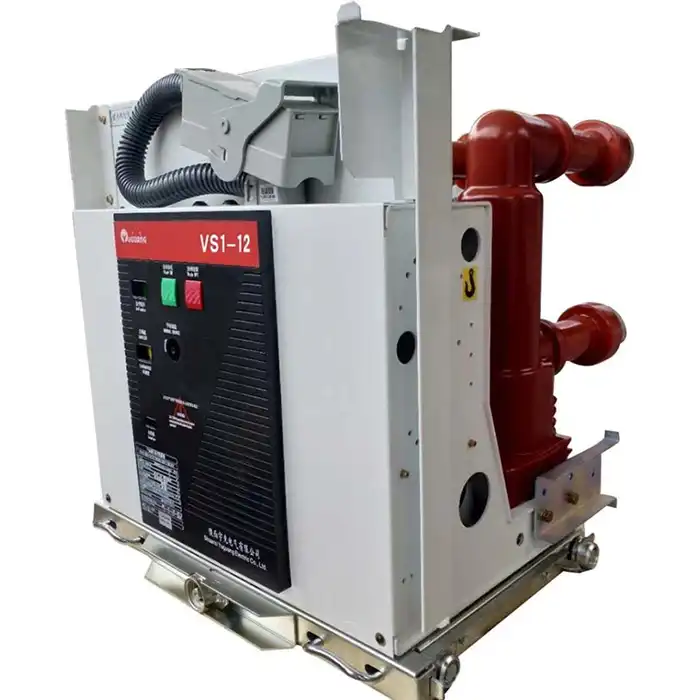
Comparative Analysis: Wind Power Distribution vs. Conventional Power Distribution
Fundamental distinctions exist between wind power distribution systems and conventional power distribution infrastructure, especially in terms of increased scalability, advantages for the environment, and special efficiency factors that affect equipment choice and system design strategies. Procurement professionals may make well-informed judgments that maximize project results by being aware of these differences.
Technical Performance Comparisons
Because wind-specific distribution equipment has modular design structures that can adapt to different project sizes and future expansion needs, it exhibits higher scalability when compared to traditional systems. This adaptability is also useful for phased project development strategies, where initial installations may grow over time in response to market circumstances and performance outcomes.
Another important benefit of specialist wind power distribution equipment is its environmental resilience. These systems use stronger mechanical designs, better sealing technologies, and increased corrosion resistance to survive external exposure circumstances such severe temperatures, dampness, and wind loading impacts that traditional indoor-rated equipment cannot tolerate.
Wind-specific and conventional distribution systems have very different efficiency characteristics. With better power factor correction capabilities and improved harmonic control features that preserve power quality under varied operating situations, wind power equipment maximizes performance for variable generating patterns characteristic of renewable energy sources.
Economic Considerations and Lifecycle Analysis
Upfront investment requirements for wind power distribution equipment typically exceed conventional alternatives due to specialized design features and enhanced environmental protection capabilities. However, total lifecycle cost analysis often demonstrates favorable economics when considering reduced maintenance requirements, improved reliability, and extended operational life expectancy.
Opportunities for bulk purchases provide substantial financial benefits for the construction of big wind farms. Standardized equipment specifications for many turbines provide for bulk reductions and streamlined inventory control, which lower project costs overall while preserving installation performance uniformity.
Because wind-specific distribution equipment requires less maintenance, has better fault detection capabilities, and has improved remote monitoring features that decrease the need for site visits, operating cost comparisons favor it. Over the course of the equipment's design life, these operational benefits add up to significant cost savings, especially for distant locations where maintenance access poses logistical issues.
Performance Metrics and Reliability Assessment
Comprehensive performance data is provided by top manufacturers like Siemens, GE, ABB, Schneider Electric, and specialty providers like Yuguang, allowing for in-depth equipment comparisons. Mean time between failures (MTBF), protection reaction times, environmental operating ranges, and efficiency ratings under different load circumstances are important indicators.
For wind-specific equipment designs that include redundant protection systems, improved monitoring capabilities, and strong building standards, reliability measures show definite benefits. When compared to traditional distribution networks functioning under comparable conditions, these characteristics help to increase availability rates and decrease unscheduled downtime.
How to Choose the Right Wind Power Distribution Equipment for Your Project?
A methodical assessment of project-specific needs, such as capacity specifications, environmental conditions, regulatory compliance requirements, and long-term operating goals, is necessary to choose the best wind power distribution equipment. This procedure necessitates giving serious thought to a number of variables that affect both the short-term project success and long-term operating performance.
Project Requirements and Technical Specifications
Equipment selection selections are based on capacity needs, which include both present generating levels and possible future growth scenarios. Depending on the specifications of the turbine, the design of the collecting system, and the grid connection criteria set by utility interconnection agreements, voltage level needs normally vary from 6KV to 40.5KV.
The installation site's environmental factors have a big impact on the equipment selection process. The required protection ratings and construction criteria are determined by a number of factors, such as seismic activity, humidity levels, corrosion exposure, ambient temperature ranges, and wind loading requirements. Through thorough testing and certification paperwork, equipment must show that it complies with relevant environmental regulations.
Federal electrical rules, state utility requirements, municipal construction codes, and international standards relevant to wind energy projects are all included in regulatory compliance. To guarantee regulatory clearance and a successful project commissioning, equipment selection must take into account all relevant criteria.
Supplier Evaluation and Vendor Selection
Leading international suppliers exhibit a range of qualities in terms of service quality, technical support skills, and product ranges. While specialist vendors like Yuguang provide targeted knowledge in certain voltage ranges and application needs, established manufacturers like Siemens and GE offer entire product lines with substantial worldwide support networks.
Manufacturing capabilities, quality management systems, financial stability, and a history of successfully completing projects are all included in the evaluation of a supplier's dependability. The ISO 9001 certification status, relevant industry certifications, customer reference projects, and documented performance history in comparable applications should all be considered evaluation factors.
When choosing a vendor, warranty policies and the quality of post-purchase services are important considerations. While service capabilities must include technical support, spare parts availability, field service response times, and maintenance training programs, comprehensive warranty coverage should cover both equipment failures and performance guarantees.
Procurement Process and Custom Solutions
Initial technical conversations, the creation of comprehensive specifications, the assessment of quotations, contract negotiations, and implementation coordination are all included in the procurement process. Clear communication of project needs, reasonable timetable expectations, and thorough assessment criteria that take into account both technical and commercial variables are all necessary for effective procurement management.
Optimizing equipment specifications for particular project needs is made possible by vendor cooperation in the creation of custom solutions. This method works especially well for unusual environmental circumstances, specific grid connection needs, or creative project designs that go beyond the limits of regular equipment.
Proper system integration and performance verification are ensured by equipment providers' assistance with commissioning and installation coordination. Technical documentation, commissioning support, and expert installation advice all reduce starting risks and delays and greatly increase project success.
Company Introduction and Product & Service Solutions
Shaanxi Yuguang Electric Co., Ltd. is a reputable expert in wind power distribution solutions, drawing on a wealth of knowledge gained since our founding in 2008 in Baoji, Shaanxi, which is known as a leading vacuum circuit breaker manufacturing facility. Our business offers entire high-voltage transmission and distribution systems that are especially tailored for wind energy applications by combining R&D, design, manufacture, installation, and extensive after-sales service.
Specialized Product Portfolio and Technical Capabilities
Our wind power distribution equipment portfolio encompasses comprehensive solutions covering the complete 6KV to 40.5KV voltage range, addressing diverse project requirements from small-scale installations to large utility-scale wind farms. Core product offerings include vacuum circuit breakers engineered specifically for wind power applications, combined electrical apparatus designed for harsh outdoor environments, and supporting equipment optimized for renewable energy integration.
Our approach to product creation is driven by technical innovation, as shown by our 39 patents and designation as a National High-Tech Enterprise. Our capacity for research and development allows for scenario-specific customisation that tackles certain environmental issues and industry-specific needs often seen in wind power projects.
Advanced production lines that use aerospace-grade precision technology for essential components like arc-extinguishing chambers and solid-sealed poles are the focal point of manufacturing excellence. Compact equipment footprints with improved sealing capabilities and longer operating lifespans that are appropriate for harsh wind farm conditions are provided by our integrated modular design philosophy.
Service Excellence and Global Capabilities
Our all-inclusive service strategy covers every stage of the equipment lifespan, from first consultation to ongoing operational assistance. Technical consulting services provide comprehensive engineering support, such as compatibility analysis, system design help, and performance optimization suggestions tailored to project needs.
Through expert advice and thorough technical documentation, installation and commissioning assistance guarantees correct system integration and performance verification. In order to reduce project risks and guarantee good commissioning results, our field service capabilities include installation monitoring, testing protocol creation, and starting help.
Maintenance agreement possibilities, replacement parts supply programs, and free modification plan preparation when project needs change are all examples of excellent after-sales support. Our dedication to a long-term collaboration goes beyond the delivery of equipment to include continuous operational assistance that optimizes equipment performance throughout the course of its design life.
Quality Assurance and Industry Recognition
Our quality management systems demonstrate a thorough dedication to quality, environmental responsibility, and workplace safety by maintaining ISO 9001:2015 accreditation in addition to ISO 14001 and ISO 45001 standards. Our technological prowess and superior production are confirmed by several national inspection reports and credible certificates.
Being recognized as a "Quality and Trustworthy Unit" is a testament to our ability to consistently provide dependable service and dependable goods. Our accreditation for intellectual property management standards shows that we manage innovation methodically and safeguard technical advancements that are advantageous to our clients.
Comprehensive OEM and ODM services that allow tailored solutions for a variety of worldwide needs are included in international market capabilities. Our cross-border service capabilities provide clients all over the globe dependable access to top-notch wind power distribution equipment and technological know-how by fusing home production advantages with global support capabilities.
Conclusion
Wind power distribution equipment selection significantly impacts project success, operational efficiency, and long-term economic performance of renewable energy installations. Understanding the comprehensive range of available technologies, their specific applications, and performance characteristics enables informed procurement decisions that optimize both immediate project objectives and extended operational outcomes.
The specialized nature of wind power distribution requirements demands careful consideration of environmental factors, technical specifications, and vendor capabilities when evaluating equipment options. Successful projects depend on choosing suppliers who demonstrate technical expertise, manufacturing excellence, and comprehensive support capabilities throughout the equipment lifecycle.
Partner with Yuguang for Superior Wind Power Distribution Equipment
Yuguang delivers industry-leading wind power distribution solutions engineered specifically for renewable energy applications across the complete 6KV to 40.5KV voltage spectrum. Our 39 patented technologies and National High-Tech Enterprise certification ensure reliable, innovative equipment that addresses your most challenging project requirements. As a specialized wind power distribution equipment manufacturer, we provide comprehensive customization capabilities, rapid delivery schedules, and complete lifecycle support that transforms complex procurement challenges into streamlined solutions. Contact us at ygvcb@hotmail.com to discuss your specific requirements and discover how our expertise can optimize your next wind power project.
References
1. International Electrotechnical Commission. "Wind Energy Generation Systems - Part 1: Design Requirements." IEC 61400-1:2019.
2. Institute of Electrical and Electronics Engineers. "IEEE Standard for Interconnecting Distributed Resources with Electric Power Systems." IEEE 1547-2018.
3. American Wind Energy Association. "Wind Power Distribution System Design Guidelines and Best Practices." Technical Report 2023.
4. Global Wind Energy Council. "Equipment Standards and Specifications for Utility-Scale Wind Power Projects." Industry Guidelines 2023.
5. National Renewable Energy Laboratory. "Wind Power Plant Electrical System Design and Performance Analysis." Technical Publication NREL/TP-2022.
6. European Wind Energy Association. "Wind Farm Electrical Infrastructure: Design Standards and Operational Requirements." Industry Standard Document 2023.

Send Inquiry
You may like
