
What is a high-voltage vacuum circuit breaker?
A high-voltage vacuum circuit breaker is a special kind of switch that is made to keep medium- to high-voltage electrical systems safe by stopping fault currents in protected vacuum interrupters. These breakers work with voltages from 6kV to 40.5kV. They use the unique dielectric qualities of vacuum to quickly and accurately put out electrical arcs. When a fault happens, like a short circuit or too much equipment, the breaker's contacts split inside a vacuum chamber. This stops the arc right away without releasing harmful gases or needing a lot of upkeep. This technology is now necessary in power plants, factories, and renewable energy sites that have to make decisions about what to buy based on operating safety, environmental compliance, and long-term cost efficiency.
Introduction to High-Voltage Vacuum Circuit Breakers
To understand how high-voltage vacuum circuit breaker technology works, you must first understand how vacuum itself is a perfect arc-quenching medium. Traditional breakers use air, oil, or SF6 gas to stop sparks, but all of these have major problems, such as fire risks, environmental issues, or difficult repair procedures. These problems are solved by vacuum technology, which makes a shielding space where electrons can't keep an arc discharge going after contacts are separated by a critical distance, which is usually only a few millimeters.
The vacuum interrupter is the system's brain. It has fixed and moving contacts inside a room that is completely sealed and kept at 10⁻⁴ Pa or lower vacuum levels. When there is a fault current and the breaker gets a trip signal, a permanent magnet working mechanism moves the contacts apart at speeds of more than 0.9 meters per second. During the first split, an arc forms that vaporizes very small amounts of contact material. This material is usually a copper-chromium alloy, which is chosen because it has a low cutting current and good conductivity. The vacuum's insulating strength returns within milliseconds, stopping the fire from starting again and carefully cutting off the damaged part from the rest of the power network.
This quick stoppage feature directly leads to less damage to tools and higher worker safety. This way of thinking is shown by Yuguang's vacuum circuit breakers, which have solid insulation structures made with Automatic Pressure Gelation (APG) technology. Putting the interrupter in epoxy resin shields the inside parts from water, dust, and chemical contaminants, which are common problems in steel plants, coastal wind farms, and underground transit systems. These design principles allow our devices to get mechanical endurance scores of M2 class, which means they can handle 10,000 to 30,000 processes without breaking down. This is very important for facilities that have to handle a lot of switching cycles.
Primary Components and Operating Mechanism
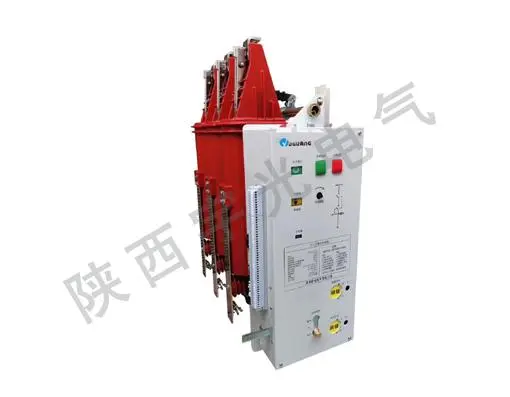
Each vacuum breaker is made up of several elements that work together. The moving part, which these days is usually a fixed magnet, gives the fast contact movement the kinetic energy it needs. Permanent magnet actuators work the same way throughout their entire service life, unlike traditional spring systems that need to be adjusted on a regular basis. This means that they require up to 70% less care than older technologies.
The touch method itself is the result of decades of improving metalworking techniques. Copper-chromium contacts are the best combination of being able to conduct electricity and being resistant to arc corrosion. Yuguang's special ways of making things use aerospace-grade precise cutting on these contacts to make sure the surface finish is within micrometers of perfection. This level of accuracy has a direct effect on the breaking capacity. Our 24kV models have short-circuit interruption rates of up to 31.5kA, which is enough for the toughest industrial uses like electric arc furnaces and traction power substations.
The shielding frame is one of the supporting structures. It is usually made of high-strength composite materials that make it rigid and give it better dielectric qualities. The assembly is finished with trip units and secondary switches that let it work with digital safety relays and SCADA systems so that it can be monitored and controlled from afar. Yuguang's smart breaker models have sensors built in that keep track of working temperature, contact wear, and the way the parts move. This turns reactive repair plans into proactive asset management programs.
Key Features and Technical Specifications
To choose the right high-voltage vacuum circuit breaker, you need to know how scientific factors fit with the needs of the system. The rated voltage tells you the highest steady working voltage that the device can handle, and the rated current tells you its thermal capacity when it's not under any load. Breaking capacity, which is one of the most important specs, tells you how much of a problem current the breaker can safely stop without damaging anything.
Yuguang has a wide range of products from 6kV to 40.5kV, so they can meet a wide range of needs in the utility and industry sectors. Our VXB-12(i) series is designed for 12kV distribution networks that are popular in business buildings and light industrial facilities. It has rated currents ranging from 630A to 4000A and breaking capacities of up to 40kA. The VXB-24P line has a 24kV capacity and the same current ratings, making it perfect for heavy industrial units and grids that receive energy from renewable sources. Extreme environments can also be customized. For example, our experts have made versions with better sealing (IP67 rating) for sites underwater and special contact materials for high-altitude use, where less dense air makes it harder for regular breakers to work.
Comparison with Alternative Technologies
Comparing vacuum breakers to options like SF6, air, and oil shows clear benefits that are driving market acceptance. Even though SF6 breakers work very well to stop power, they are coming under more and more government pressure because SF6 is a very strong greenhouse gas that can warm the Earth 23,500 times more than CO2. For SF6 units, maintenance procedures need special handling tools and systems for finding leaks, which makes operations more difficult and costs more.
When the voltage is low, air circuit breakers work consistently. But when the voltage is high, they have trouble stopping arcs, which means they need big arc chutes and contact replacements often. It is possible for oil circuit breakers to catch fire, and when the arc ends, they release poisonous chemicals that need to be disposed of in a costly way. These worries go away with vacuum technology, which also has better performance ratings. The following differences are shown in the table below:
Comparative Performance Metrics:
- Environmental Impact: Vacuum breakers don't release any fumes when they're in use or when they're being maintained. This is in line with companies' sustainability goals and makes it easier to report environmental compliance.
- Maintenance Intervals: Permanent magnet systems and sealed vacuum tanks make it possible for 20-year lifecycles of trouble-free operation, while SF6 units only need service every 3–5 years.
- Footprint Efficiency: Small modular designs cut the size of switchgear by 30 to 40 percent, which is helpful in places with limited space, like urban substations and industrial control rooms.
- Operational Safety: If there aren't any flammable or poisonous materials, there are no blast risks and no special handling needs. This means that insurance costs and damage exposure are lower.
Because of these benefits, vacuum technology is now the best choice for both new setups and projects that need to be fixed up. Yuguang's engineering team has taken advantage of these natural advantages by constantly coming up with new ideas. As a result, they have 39 protected technologies that cover things like contact materials, working mechanisms, and smart tracking systems. Being recognized as a "High and New Technology Enterprise" and having ISO 9001:2015 certification show that we are dedicated to quality and technical excellence.
Design Variants and Application Suitability
Configurations for indoor and outdoor use take into account different installation settings. Indoor models have small housings that work best in climate-controlled switchgear rooms. Outdoor models, on the other hand, have weather-resistant housings and better protection to handle high temperatures, UV light, and dirt. Yuguang has both types in a range of voltages. Outdoor forms have been tested to IEC 60068 standards to make sure they work reliably from -40°C to +60°C.
Fixed vs. withdrawable (draw-out) styles change how easy it is to do upkeep. Withdrawable breakers are mounted on carriages that make them easy to remove for inspection without damaging the main wires. This is important for key facilities that need to keep outages to a minimum. Our modular building philosophy makes sure that fixed and withdrawable versions can be switched out. This makes it easier to keep track of extra parts for operations that are spread out over multiple sites.
Maintenance and Troubleshooting Best Practices
Following organized maintenance procedures is necessary to get the most out of a high-voltage vacuum circuit breaker's life, but the requirements are still low compared to other technologies. The sealed vacuum interrupter itself is not the main focus of routine checks. Instead, the working mechanisms, linkages, and auxiliary switches are the main focus. Recommended inspection times depend on how often the facility operates. For example, facilities that do fewer than 500 operations a year may be able to extend checks to 24 months, while sites that switch operations often should use 12-month schedules.
The first step in the inspection process is to look at the mounting hardware and look for loose screws or discoloration that could mean the hardware has been overheated. Electrical contact resistance tests check that current routes are solid. Readings that are more than 20% higher than the baseline value show that the contact has been worn away and need to be looked into. A lot of this tracking is done automatically by Yuguang's intelligent breaker models, which measure contact resistance all the time and let workers know about trends of degradation before they affect performance.
Common Failure Modes and Diagnostic Techniques
Even though vacuum breaks are very reliable, they sometimes have problems that need to be fixed. Contact welding is the worst type of failure. It happens when fault currents are too high to break or when contacts close on existing faults because of bad coordination. A good way to stop this from happening is to do a correct short-circuit analysis when the system is being designed and make sure that the relays work together so that the upstream safety works before the damaging current levels reach the downstream breakers.
Even though it doesn't happen often with good products, vacuum loss inside the interrupter can happen if the seal breaks or the device gets damaged. Diagnostic methods include using hi-pot testing to measure the dielectric strength and then comparing the results to the manufacturer's specs. Yuguang's solid insulation design lowers this risk by not using traditional ceramic or glass shells that can break from heat or mechanical stress. Instead, it uses chemically linked epoxy structures that are stronger and better at sealing.
When an operating system doesn't work right, timing problems or slower touch speeds are common symptoms. Modern breakers have travel sensors that record the position of the contacts as they operate. This lets techs find worn bearings, weak springs, or areas that need more oil. Yuguang offers full diagnostic help, including standard travel curves and interpretation guides. This lets maintenance teams fix problems quickly without needing help from the maker for common issues.
Lifecycle Cost Analysis
When you look at the total cost of ownership, you have to think about more than just the purchase price. You have to think about the costs of installation, running, maintenance, and eventually repair. Throughout this period, vacuum breaks show strong economic benefits. Compared to oil or air breaks, they are easier to install and weigh less, so they cost less to put in. The operational efficiency stays high, and almost no energy is used—the permanent magnet mechanisms only need power when they are moving, which is different from SF6 breakers' systems that continuously check gas levels.
Because vacuum technology gets rid of products like arc chutes, shielding oil, and SF6 gas refills, maintenance costs go down by a huge amount. Yuguang's flexible designs allow for even lower costs by letting parts be replaced instead of whole units being swapped out. When they need to be replaced after decades of use, vacuum breakers are much cheaper to get rid of than SF6 units that need special gas recovery equipment or oil breakers that need to be thrown away safely. According to independent studies, the lifetime costs of vacuum breakers are 40–60% less than those of SF6 alternatives over 30-year review periods. This is strong proof that is used to make purchasing decisions across the power industry.
Comparing High-Voltage Vacuum Circuit Breakers: Making the Right Choice
When procurement teams choose a high-voltage vacuum circuit breaker, they have to think about a lot of things besides just the technology specs. The name of the supplier, how reliable their deliveries are, how well they can help with technical issues, and how long they keep parts in stock all affect the choice. Established companies like Siemens, ABB, and Schneider Electric offer wide range of products and support them with worldwide service networks. This makes them appealing to international companies that want to standardize equipment across all of their sites. The high prices these industry leaders charge are based on the value of their brand and the base support system they have already put in place.
Yuguang stands out in this competitive market because it has professional skills that are on par with large international companies, as well as quick service and low prices. Our 39 patents show that we have come up with new ideas that meet or beat industry standards. This is especially true in the creation of permanent magnet mechanisms and solid insulation technology. We are located in Baoji, Shaanxi, which is the center of vacuum circuit breaker production in China. This means that we can take advantage of the region's specialized supply lines and technical knowledge, which helps us make products more efficiently and quickly.
Procurement Considerations and Lead Time Management
Delivery schedules have a big effect on project timelines, especially when it comes to building goals that are linked to penalties or production start dates. Standard vacuum breaker models from major manufacturers usually ship within 7–15 days, which is enough time for regular repairs or additions that aren't too important. Custom setups need longer lead times, from 30 to 60 days for small changes to 90 days or more for complex uses requiring special voltage rates, working in harsh environments, or connecting to custom control systems.
Yuguang deals with these problems by having open manufacturing options that allow for both small orders (minimum order quantity: 1) and large customization. Our production planning systems organize the plans for getting materials, machining, and testing so that delivery times are cut down without lowering quality. Our strategic stockpile of long-lead components and modular assembly processes make it easy for customers with pressing needs to quickly customize standard platforms to meet their needs. Major EPC contractors and industrial plant managers who have to meet tight commissioning plans have praised this flexibility.
Price dynamics in the vacuum breaker market reflect ongoing competitive pressures and technological maturation. Entry-level 12kV models from secondary makers may cost 20–30% less than well-known names. This makes them appealing to buyers who want to save money and are okay with not having as much expert support. Premium goods from international sources cost 15–25% more than mid-range competition. This is because they come with longer warranties, can be serviced anywhere in the world, and have been proven to work reliably in tough situations.
Yuguang's main selling point is that they offer top-notch technical performance at reasonable prices by using efficient domestic production and upholding quality standards that are confirmed by ISO certification and approvals from national testing authorities. Our clear price system gets rid of any hidden costs, and our quotes include everything from tools to installation help, help with commissioning, and choices for longer warranties that are specific to the needs of the project.
High-Voltage Vacuum Circuit Breaker Applications and Future Trends
High-voltage vacuum circuit breaker deployment spans virtually every sector of the electrical power industry. As feeder breakers, bus-tie breakers, and capacitor bank switches, these devices are used in utility transmission and distribution networks to protect the infrastructure that serves millions of customers. Whether they are traditional steam plants, wind and solar farms, or hydropower stations, power plants use vacuum technology to protect the generators and keep the other systems running smoothly. Industrial uses are also very different, ranging from protecting arc furnaces in steel mills to motor control centers in chemical plants and uninterruptible power systems in data centers.
Yuguang has experience as an application engineer in all of these areas, with variations that are better suited to the needs of each field. Our wind power circuit breakers have better insulation coordination to handle the voltage changes that happen in power electronic converters. On the other hand, our metallurgical industry models have strong contact materials that can handle the repeated fault currents and harmonic distortion that happen in electric arc furnace operations. Our small, modular designs are great for rail traction substations that have to be put underground, and our smart tracking features that can be integrated with building management systems are great for data center installs.
Emerging Technologies and Smart Grid Integration
As we move toward smarter electricity networks, vacuum breaker technology is moving in new ways. Smart grid systems need equipment that can communicate in real time, be operated remotely, and diagnose itself. These features are becoming more and more common in modern designs. This trend is shown by Yuguang's VXB-12(i) intelligent line, which has built-in processors that check for contact wear, coil stability, and mechanical properties. These systems send out messages for preventative maintenance, keep a record of their operations, and talk to each other using industry-standard protocols like IEC 61850 and Modbus, which makes it easy to connect them to industrial and utility control systems.
Advances in material science keep making vacuum interrupters work better. The goal of research into different contact materials is to increase electrical durability while lowering the cost of production. Composite materials show promise for the future. Better vacuum pumping methods lower chamber pressures, which raises the dielectric strength and lets designs be smaller. Yuguang has ongoing research and development projects that work with academic institutions and material suppliers to make new technologies available in their goods. Our dedication to new ideas makes sure that customers who buy Yuguang equipment today can use technology systems that can be changed to meet the needs of the grid tomorrow.
Strategic Procurement Guidance
A successful vacuum breaker procurement combines the needs of the project right now with those of the business in the long run. Not only should basic electricity parameters be included in the specifications, but so should environmental conditions, seismic requirements, altitude factors, and the need to work with current safety systems. Asking for detailed technical information like type test results, quality certifications, and reference project lists lets you compare different offers in a smart way.
A supplier's evaluation goes beyond the specs of the goods to include the quality of the service they provide. Does the company that made the product keep expert help staff who know your industry? Can they offer on-site help with setup and training for operators? What plans are there for making sure that extra parts and retrofit help are always available as systems get older?
Yuguang handles these concerns by providing a wide range of services, including installation help, upkeep contracts, spare parts, and free creation of change plans. Our cross-border service skills make sure that foreign customers get the same level of help as domestic customers. This is made possible by expert documentation written in English and export coordination teams with a lot of experience. Working with suppliers who can show they will provide this full-chain service lowers project risk and saves infrastructure investments over many years of use.
Conclusion
High-voltage vacuum circuit breakers are an advanced and tried-and-true technology that offers unmatched dependability and cost-effectiveness in a wide range of power system settings. Because they are good for the environment, don't need much upkeep, and are small, they are the best choice for both new installs and retrofits. With 39 patents, ISO approval, and recognition as a national high-tech company, Yuguang's wide range of products, from 6kV to 40.5kV, meets all of the needs of industry and utilities.
Our modular designs, ability to customize for specific situations, and full-chain service model solve important problems like tools not working with each other, the need for a lot of upkeep, and not knowing when the delivery will happen. As electrical infrastructure changes to make processes smarter and more environmentally friendly, high-voltage vacuum circuit breaker technology keeps getting better. Yuguang is still dedicated to being at the forefront of these innovations while providing our global customers with the best value possible.
FAQ
How frequently do vacuum circuit breakers require maintenance?
Under normal conditions, vacuum breakers with fixed magnet mechanisms don't need any upkeep for 15 to 20 years. They only need to be visually checked and electrically tested every so often. When compared to SF6 or oil alternatives, Yuguang's solid insulation designs have much lower lifetime costs because they don't need to be serviced like standard ceramic or glass vacuum bottles do.
What environmental benefits do vacuum breakers offer compared to SF6 models?
With vacuum technology, there are no greenhouse gas emissions, so SF6 equipment doesn't have to meet regulatory standards for things like leak tracking and gas handling. This makes environmental reporting easier and fits in with company sustainable efforts. This is especially helpful for businesses that want to be carbon neutral or have to follow strict environmental rules.
Can vacuum circuit breakers be customized for harsh environments?
Yuguang specializes in scenario-based customization and offers improved sealing (IP67), corrosion-resistant coatings, and temperature-hardened parts for harsh settings like desert sites, high altitudes, and offshore platforms. Our engineering team offers free advice and plans for changes that are made to fit the needs of each business.
Partner with Yuguang for Reliable High-Voltage Vacuum Circuit Breaker Solutions
To fix issues like equipment not working with each other, hard upkeep, slow shipping, and not enough scenario adaptation, you need to work with a high-voltage vacuum circuit breaker manufacturer that is dedicated to technical excellence and customer success. Yuguang has 39 patented ideas, reliable ISO certifications, and full coverage from 6kV to 40.5KV. They also offer one-stop service for R&D, production, installation, and help after the sale. Our modular designs make operation stable and safe while lowering costs over the product's lifetime.
We can make orders ranging from a single unit to a lot of customized items, and basic products can be delivered in as little as 7–15 days. You can email our expert team at ygvcb@hotmail.comto talk about your specific needs, get detailed product details, and learn how our scenario-based customization options and full-chain service model can make your power system more reliable. Yuguang has the knowledge, quality, and support to make sure your electrical infrastructure works perfectly for decades, whether you're updating old infrastructure, starting up new facilities, or looking for a responsive supplier for current projects.
References
1.IEEE Standards Association. (2021). IEEE Guide for the Application of Vacuum Circuit Breakers for Capacitance Switching. IEEE Std C37.66-2021.
2.Slade, P.G. (2017). The Vacuum Interrupter: Theory, Design, and Application(2nd ed.). CRC Press.
3.International Electrotechnical Commission. (2021). High-voltage switchgear and controlgear – Part 100: Alternating current circuit-breakers. IEC 62271-100:2021.
4.Greenwood, A.N., & Glinkowski, M. (2019). Vacuum Switchgear: Principles and Applications in Industrial Power Systems. Springer International Publishing.
5.National Electrical Manufacturers Association. (2020). High-Voltage Circuit Breakers: Application Guide for Distribution and Transmission Systems. NEMA SG-4-2020.
6.Zhang, J., & Liu, H. (2022). Advanced Materials and Technologies in Modern Vacuum Circuit Breakers. Journal of Electrical Engineering & Technology, 17(4), 1823-1842.

Send Inquiry
You may like
