
What is a load break disconnect switch?
A load break disconnect switch is a special kind of electrical switch that is made to safely break electrical circuits while current is running in normal situations. Load break disconnect switches have advanced arc-quenching mechanisms that allow for the safe interruption of load currents up to their maximum capacity, in contrast to conventional disconnect switches that can only work when circuits are de-energized. These important parts have strong insulation, mechanisms that work with springs, and special contact materials that can handle the electrical stress that comes from switching. This makes them essential for medium voltage power distribution systems that need to be safe and flexible.
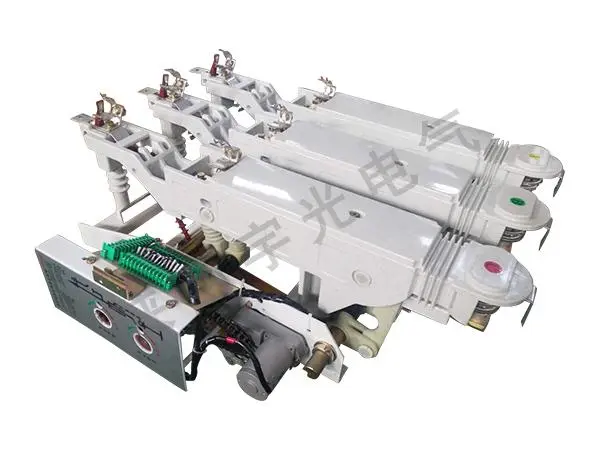
Understanding Load Break Disconnect Switches
Load break disconnect switches are an important step forward in electrical switching technology. They are a bridge between simple separation devices and full-featured circuit breakers. These high-tech parts are made to safely break electrical circuits when they're under a lot of stress, while still protecting both the user and the equipment to the greatest standards.
Core Functionality and Load Breaking Capability
One of the main ideas behind load break disconnect switches is that they can safely put out electrical sparks that happen when contacts separate under load. Arcs happen when electrical contacts open while current is flowing through them. This is because air or another insulation material between the contacts gets charged. Load break disconnect switches employ various arc-quenching technologies, including air-blast devices, vacuum interrupters, and SF6 gas insulation, to rapidly cool and de-ionize the arc path.
The Three Position Load Break Switch for GIS is an example of cutting-edge switching technology. Its sealed-for-life design keeps its IP67 grade for high-voltage parts. These switches use spring-charged energy storage systems that can make and break connections quickly, no matter how fast the user is moving. This makes sure that the switches work the same way over thousands of rounds.
Safety Features and Protective Mechanisms
These days' load break disconnect switches have many safety features that keep both tools and people safe. Load break disconnect switches incorporate arc-quenching tanks that use controlled gas flow or suction technology to contain and put out electrical arcs. This stops dangerous arc flash events. Insulated contacts and walls that are insulated keep you from accidentally touching live parts while you're doing repair.
To keep things safe, mechanical linking devices make sure that earthing switches can only be used when the main contacts are fully open. Visual indication systems make it easy to see where a switch is located, which cuts down on guessing during repair tasks and improves overall operating safety.
Types and Voltage Classifications
Load break disconnect switches are put into groups based on where they are installed and the energy they can handle. Indoor switches are made to work in controlled settings and keep out the weather. Outdoor switches, on the other hand, have strong waterproof housings that can handle extreme weather conditions like temperature changes, humidity, and contamination.
Medium voltage uses usually use voltages between 15kV and 40.5kV, and current ratings can go up to 630A or higher, based on the needs of the application. The 24kV Pneumatic Type Load Break Switch LBS is a common design. It uses pneumatic arc-quenching technology to get rid of the environmental problems that come with SF6 gas while still providing important isolation gaps for servicing safety.
Technical Dimensions and Performance Attributes
When choosing load break disconnect switches, there are a lot of technical factors that need to be carefully thought through because they have a direct effect on the safety, stability, and performance of the system. When procurement managers and engineers understand these standards, they can make choices that meet their unique business needs.
Standard Voltage and Current Ratings
Load break disconnect switches are made to meet strict electrical performance standards. For middle voltage uses, their voltage ratings usually range from 12kV to 40.5kV. Current ratings depend on the purpose, but for constant use, they usually fall between 200A and 1250A. Short-time withstand current capabilities, which are usually rated at 20kA to 25kA for 3 seconds, make sure that equipment can stay operational during fault conditions until the fault can be cleared by safety devices.
The switch's Basic Insulation Level (BIL) number tells you how well it can handle lightning and switching surges. Typical BIL ratings range from 95kV to 200kV, based on the voltage class. These scores make sure that the system will work reliably in places where the weather can change and there are system transients.
Breaking Capacity and Arc Extinction Technology
The breaking capacity of a load break disconnect switch tells you how much power it can safely cut off when it's working normally. This characteristic is very different from fault interrupting power because load break switches are made to stop normal load currents, not short-circuit currents. Breaking capacities usually fall between 630A and 1250A, which is the same as the device's constant current rate.
Different switch designs use different types of arc reduction technology. Instead of using SF6 gas, pneumatic switches blast the arc with compressed air, which is better for the environment. When it comes to small designs, vacuum interrupter technology works better, and SF6 gas-insulated switches are great for high-voltage uses because they have great insulating qualities.
Mechanical and Electrical Endurance Ratings
Endurance classes tell you how long load break disconnect switches should work under normal conditions. Class E3 electrical endurance usually covers 5,000 to 10,000 electrical operations at maximum power. Class M2 mechanical endurance, on the other hand, covers 2,000 to 10,000 mechanical operations without electrical load.
These scores have a direct effect on upkeep plans and lifecycle costs, which makes them very important things to think about when buying something. The Three Position Load Break Switch for GIS uses sealed-for-life technology, which means that the high-voltage section won't need any regular upkeep for 20 to 30 years.
Comparative Analysis with Related Switching Devices
Knowing the differences between load break disconnect switches and other similar devices can help you figure out where to use them. Circuit breakers can stop a problem from happening, but they are much more expensive and difficult to use. Load break elbows can switch wire systems, but they can only handle a certain amount of power. Fused switches do both switching and protecting, but the fuse needs to be replaced after fault actions.
Load break disconnect switches are one of a kind because they can reliably switch loads without the complexity and cost of circuit breakers. This makes them perfect for situations where switching loads needs to happen often when the load is normal.
Application Scenarios and Industry Use Cases
Load break disconnect switches are widely used in many different industrial fields because they are safe, reliable, and flexible in how they are used, which solves important problems with power distribution. These uses show how flexible and important the right switching technology is for keeping the purity of an electricity system.
Power Distribution Networks and Utilities
Electric companies use load break disconnect switches a lot in medium voltage distribution networks to make operations more flexible and the systems more reliable. These switches allow network reconfiguration during maintenance, which lets utilities keep service going while they service or replace equipment that needs it.
In urban underground distribution networks, especially in places that are likely to flood, like subway systems or basement substations, the sealed design of GIS load break switches is very important for keeping water out and condensation from forming. The IP67 grade makes sure that the equipment works reliably even in harsh environments that would damage normal switching equipment.
Industrial Manufacturing and Heavy Industry
Load break disconnect switches are essential for important process isolation and maintenance tasks in high-energy-consuming industry facilities like steel, chemical, metallurgy, and manufacturing facilities. Often, these places have tough conditions, like conductive dust, shaking, and toxic air, which calls for strong switching solutions.
In mobile substations that serve mine sites, GIS encapsulation keeps coal dust or metal particles from getting on the switching contacts. This keeps power going to important production lines all the time. Being able to reliably do change tasks in these tough settings has a direct effect on how well things get made and how safe the workers are.
Renewable Energy Infrastructure
Wind power sites are hard for switching equipment because they are usually in rural areas and are exposed to the elements. The mechanical vibrations from the turbines also make things more difficult. Installed inside wind turbine towers, load break disconnect switches have to deal with constant shaking while still being able to separate loads for repair work.
The compact design and sealed construction of modern load break disconnect switches are great for installations with limited room because they are small and sealed. This makes them better than standard air-insulated switchgear. They are reliable enough to work in these tough conditions, which helps the growth of green energy infrastructure.
Infrastructure and Transportation Systems
Airports, data centers, and urban rail transit systems are all examples of critical infrastructure that depends on efficient power distribution systems. When these systems go down, it can be very dangerous and affect how they work. Load break disconnect switches give you the practical freedom you need to do repair work without affecting the reliability of the whole system.
The 24kV Pneumatic Type Load Break Switch LBS is especially useful in these situations because it gets rid of the need to report environmental issues with SF6 gas systems while still providing the clear separation gap needed for maintenance safety rules.
How to Choose the Best Load Break Disconnect Switch for Your Needs?
To choose the best load break disconnect switch, you need to carefully consider technical needs, operating limitations, and external factors. This organized method makes sure that the equipment picked meets both short-term operating needs and long-term standards for dependability.
Technical Specification Evaluation Framework
The decision process starts with a careful look at the electrical system's features, such as the voltage level, the amount of continuous current needed, and the ability to handle short-term current. The voltage in the system affects the switch's insulation needs and total size. The current levels must be able to handle both normal loads and expected load increases.
When choosing tools, the environment is very important, especially for installations that will be outside and be subject to changes in temperature, humidity, contamination, and earthquakes. For installations inside, there may be special fire-resistance ratings or room limitations that affect how the equipment is set up.
Certification and Compliance Requirements
Managers in charge of buying things must make sure that the tools they choose meets all business standards and government rules. IEC 62271-103 sets the standards for how switches should work, and IEC 62271-102 sets the standards for disconnectors and earthing switches. There may be extra requirements that need to be added to the selection factors based on national standards and utility specs.
Quality management certifications, like ISO 9001:2015, show that a manufacturer is committed to regular quality methods. Environmental management systems show that a manufacturer is responsible in how they make things. With these certifications, you can be sure that both the goods and the seller are trustworthy.
Manufacturer Support and Service Capabilities
Long-term equipment depends a lot on how well the maker can support it, such as by offering expert help, spare parts, and support for field service. As part of the evaluation process, the manufacturer's experience with similar uses, the area they serve, and their promise of an emergency reaction time should all be taken into account.
With customization services available, equipment can be changed to fit the needs of a specific application, and detailed technical paperwork helps with installation and upkeep. Training programs for repair workers help make sure that technology works at its best for as long as it is in use.
Cost-Benefit Analysis and Procurement Strategy
The starting cost of the tools is an important factor to think about, but the total cost of ownership gives us a more complete picture. The costs of installation, the upkeep needed, the system's estimated lifespan, and how reliability affects its total performance should all be part of this study.
When you buy in bulk, you can save money and make sure that the equipment meets the same standards at all of your sites. To meet project deadlines, however, shipping plan needs must be weighed against cost concerns.
Conclusion
Load break disconnect switches are important parts of modern electrical distribution systems because they offer the safety, dependability, and operating freedom that are needed in tough industrial settings. Because they can safely stop load currents while still being able to isolate well, they are essential for a wide range of uses, from utility distribution networks to heavy industrial processes and green energy installations. To choose the right switching technology, you need to carefully think about the technical specs, the surroundings, and the long-term support needs to make sure the equipment works at its best for as long as it is in use.
FAQ
What distinguishes load break disconnect switches from standard disconnect switches?
Load break disconnect switches incorporate specialized arc-quenching mechanisms that enable safe interruption of electrical circuits under load conditions, while standard disconnect switches can only operate safely when circuits are de-energized. This fundamental difference allows load break switches to provide practical flexibility without shutting down the system. This makes servicing much more efficient and the system available all the time.
How often do load break disconnect switches require maintenance?
Maintenance needs are very different depending on the type of switch and the location. For sealed GIS designs with lifetime gas sealing, the external mechanism only needs to be inspected and oiled every two to five years. On the other hand, contacts and arc-quenching chambers in air-insulated switches may need to be inspected once a year. Pneumatic switches usually need more frequent attention to parts of the air system, but their form makes fixing easier because the parts are easier to see.
What are typical lead times for bulk procurement of load break disconnect switches?
Standard product configurations usually take 8 to 12 weeks for delivery, while personalized solutions can take up to 16 to 20 weeks, based on how complicated the specifications are. When planning a purchase, you should include extra time for testing in the plant, making paperwork, and shipping operations. This is especially important for foreign deliveries where paperwork for regulatory compliance may be needed.
Can load break disconnect switches clear short-circuit faults?
No, load break disconnect switches are made to stop normal load currents. They should not be used to fix short-circuit problems. They do, however, have the ability to make, which lets them safely close onto circuits that aren't working. Separate safety devices, like fuses or circuit breakers, must be placed correctly in the security plan to provide short-circuit protection.
Are load break disconnect switches compatible with smart grid automation systems?
Modern load break disconnect switches can be equipped with motor operators and auxiliary contacts that let them work with SCADA and automatic distribution control systems. These features allow for advanced grid management tasks like remote switching, problem location, isolation, and service restore, which makes them important parts of building a smart grid system.
Partner with Yuguang for Superior Load Break Disconnect Solutions
Yuguang Electric makes the best load break disconnect switches on the market. These switches are made to meet the strict needs of current power distribution systems. Our comprehensive product portfolio includes advanced GIS switches, pneumatic load break switches, and custom-engineered solutions that are backed by 39 patents and ISO 9001:2015 certification. We have been making high-quality products in Baoji, Shaanxi, for more than 15 years, and we offer full technical support from the initial design advice all the way through installation and long-term repair services. Email our engineering team at ygvcb@hotmail.com to talk about your unique switching needs and find out how Yuguang's years of experience can improve the speed and reliability of your electrical infrastructure.
References
1. IEEE Standard C37.34-1994, IEEE Standard for Test Code for High-Voltage Air Switches, IEEE Power Engineering Society, 1994.
2. IEC 62271-103:2021, High-voltage switchgear and controlgear - Part 103: Switches for rated voltages above 1 kV up to and including 52 kV, International Electrotechnical Commission, 2021.
3. Brown, Michael J., "Medium Voltage Switchgear Design and Application Guidelines," Electrical Power Systems Engineering Handbook, McGraw-Hill Professional, 2019.
4. National Electrical Manufacturers Association, "Application Guide for Load Break Switches in Distribution Systems," NEMA Standards Publication SG 4-2018, 2018.
5. Wilson, David R. and Thompson, Sarah K., "Arc Extinction Technologies in Medium Voltage Switching Equipment," IEEE Transactions on Power Delivery, Vol. 35, No. 4, August 2020.
6. International Council on Large Electric Systems, "Load Break Switch Technologies for Smart Grid Applications," CIGRE Technical Brochure 742, Working Group B3.28, 2018.

Send Inquiry
You may like
