
What is a manual circuit breaker?
A manual circuit breaker is an important electrical safety device that keeps electrical circuits safe from overcurrent, short circuits, and other electrical problems. It does this by letting the user directly control the circuit. When something goes wrong, automatic circuit breakers trip on their own. But with manual circuit breakers, you have to open or stop the electrical circuit yourself. In many workplace settings, these devices make sure that electrical work is safe by combining mechanical switching processes with protective elements. The manual operation feature gives operators exact control over how power is distributed, which makes them very useful when they need to intentionally turn off or on a circuit for repair, testing, or emergency procedures.
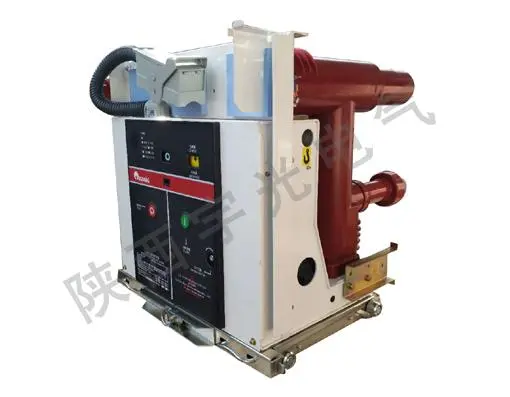
Understanding Manual Circuit breakers: Definition and Key FunctionsCore Operating Principles
Manual circuit breakers operate through a combination of mechanical switching contacts and protective trip mechanisms. The device consists of fixed and moving contacts inside an insulation medium. Depending on the voltage level, this medium can be air, vacuum, or sulfur hexafluoride gas. When the user presses the push-button or manual handle, an internal device physically separates the contacts. This stops the flow of current and makes the circuit open.
The safety feature rests on built-in overcurrent detectors, which are usually thermal-magnetic trip units that react to both long-term overloads and sudden short-circuits. These trip units constantly check the flow of current and open automatically when certain levels are reached, even when the unit is in manual operation mode.
Key Operational Benefits
The fact that the system can be controlled by hand has some practical benefits over fully automatic systems. During repair, operators can disconnect certain parts of the circuit without affecting other parts of the system. In industrial settings where planned shutdowns need regular power isolation routines, this specific control feature is very useful.
Controlled energization during starting steps is also possible with manual operation. This lets workers watch how the system responds and stop the connection process if something goes wrong. This level of control lowers the chance that tools will get damaged and raises the general reliability of the system in important situations.
Industrial Application Examples
In motor control centers where individual machine separation is often needed, manufacturing facilities use manual circuit breakers a lot. These are used in steel companies' furnace control systems where workers need to be able to shut down the furnace right away in case of an emergency. Manual breakers are used to control pumps and compressors in chemical processing plants, where exact timing and human supervision are needed for the operations to run smoothly.
Power plants use manual circuit breakers in extra systems where repair workers need to be sure they are completely disconnected before they can do their jobs. These uses show how flexible the device is in many different types of industries where human control is still very important for safety and efficiency.
Types and Ratings of Manual Circuit breakers: A Dimensional Analysis
Classification by Trip Mechanism
Different trip systems are used in manual circuit breakers to meet different safety needs. Thermal trip units use bimetallic parts that bend when heated by too much current. This gives time-delayed safety against mild overloads. These units work great in situations where short-term current spikes are common but long-term overloads need to be stopped.
Magnetic trip units have electromagnetic coils inside them that make strong magnetic fields that are related to the amount of power flowing through them. When the current goes over a certain limit, the magnetic force is stronger than the spring strain and trips the contacts on the breaker. When there is a serious fault, like a short circuit, these units guard right away.
Combinations of thermal and magnetic protection offer full security against a wide range of fault situations. The thermal element protects against overloading, and the magnetic element protects against short-circuiting. Together, they make a full safety system that can be used in most industrial settings.
Voltage and Current Rating Specifications
Most manual circuit breakers can handle currents between 15 amps for small control circuits and 6,000 amps for big industrial feeds. The rating choice is based on the normal load current, the expected overload situations, and the fault current values that are available in the electrical system.A manual circuit breakerallows operators to directly control the disconnection and restoration of the circuit, ensuring that the selected rating aligns with both system protection requirements and practical operational needs.
Low voltage systems (up to 1,000 volts AC) and medium voltage systems (1,000 to 35,000 volts AC) are both types of voltage. Medium voltage breakers are used in utility substations and big industrial sites with complex power distribution networks. Low voltage units are mostly used for industrial motor control and distribution panels.
The interrupting capacity tells you the biggest problem current that the breaker can safely cut off without hurting anything. To make sure reliable defense and user safety during fault conditions, this rating must be higher than the highest fault current that can flow through the system.
Installation and Environmental Considerations
For a proper installation, you need to pay close attention to the size of the conductors, the pressure requirements at the terminals, and the environmental protection rules. The ambient temperature changes both the current-carrying ability and the trip unit calibration. For high-temperature installations, this means that derating estimates need to be done.
Moisture and contamination are big problems in industrial settings, so enclosures need to be rated correctly and maintained regularly. Vibrations from nearby machines can change the tuning of mechanical parts and the trip unit, so it needs to be mounted securely and adjusted regularly.
Manual Circuit Breaker vs Other Protective Devices: Rational Choice Approach
Comparison with Automatic Circuit breakers
Automatic circuit breakers work great in situations where a fault needs to be fixed right away without any help from a person. This makes them perfect for ongoing process operations where quick repair is needed. However, they don't give you the conscious control that manual breaks do for routine repair and operations.
Most of the time, automatic breakers are cheaper and better for regular security tasks. On the other hand, manual breakers are worth the extra money because they give you more operating freedom and require less repair downtime. Which one to use relies on the application's safety needs, maintenance preferences, and operating objectives.
There are big differences in how reliable human and automatic systems are. Manual breakers get rid of the complicated control circuits and extra parts that can go wrong in automatic systems. This could make the systems more reliable over time in tough industrial settings where simplicity is better than complexity.
Fuse Alternative Analysis
Fuses are a cheap and effective way to protect against short circuits, but they need to be replaced after every use, which means that you have to keep an inventory of them. Manual circuit breakers offer security that can be reset, so they don't need to be replaced, and their trip settings can be changed to accommodate changing load conditions.
Response time properties make fuses ideal for clearing faults very quickly, especially in semiconductor security applications where response times of only a few microseconds are needed. Manual breakers typically react in milliseconds, which is fast enough for most motor and distribution protection needs but might be too slow for sensitive electrical equipment.
Because their trip settings can be changed and their behavior is reliable, manual circuit breakers are often easier to work with other safety devices. To keep safe coordination schemes going, fuse coordination needs to be carefully chosen and replaced with similar types.
Specialized Protective Device Considerations
Residual current devices (RCDs) protect against ground faults better than manual circuit breakers can. This is why they are necessary to keep people safe in wet or dangerous places. However, RCDs need extra security against overcurrent, which is usually given by manual circuit breakers in setups that use both types of devices.
Molded case circuit breakers are a type ofmanual circuit breakerthat are best for certain uses and have standard values. For everyday tasks, these devices are a cheap way to get the job done, and they still allow for human control and safe protection. Arc fault circuit interrupters are more complicated and expensive than regular hand breakers, but they meet certain fire safety needs in some situations. The choice is made based on regulations, fire risk estimates, and a cost-benefit study of the installation in question.
Procurement Guide: Buying Manual Circuit breakers for B2B Clients
Sourcing from Established Manufacturers
Global companies like Siemens, Schneider Electric, and ABB keep a lot of different products that can be used in a lot of different situations and have a history of being reliable. These companies provide full technical support, standardized testing methods, and service networks that reach people all over the world. These networks help with both foreign projects and ongoing maintenance needs.
Regional makers often offer reasonable prices and unique solutions to meet the needs of specific markets. They also keep quality standards high by getting widely recognized licenses. Which global or regional supplier to use relies on the needs of the project, the available cash, and the availability of local support.
Quality approvals, such as those from UL, IEC, and IEEE, make sure that a product meets safety and performance standards. Specifications for purchases should clearly list any relevant standards and demand that manufacturers provide proof of agreement to show that the products are suitable for their intended uses.
Pricing Structure and Volume Considerations
When you buy more than 50 units of a normal grade, you can usually get a discount. For big projects that need hundreds of units, you can get even bigger discounts. Discounts for buying in bulk can be as much as 15 to 25 percent off the list price, and normal warranty terms and expert support services will still be available.
Managing lead times is very important for planning projects, especially when they need to be made in custom configurations or with odd grades that require special production runs. Standard items usually ship between 2 and 4 weeks, but special units may take 8 to 12 weeks, based on the details and the factory's ability to make them.
Different suppliers have very different payment terms and financing choices. Larger, more established makers may be able to offer longer terms for big projects, while smaller suppliers may have stricter payment schedules. Letters of credit and export documentation rules can add extra complexity to international deals.
Technical Support and Service Considerations
Depending on the complexity of the project and the skills of the provider, installation support services can range from simple phone consultations to on-site commissioning help. For big jobs, it's often necessary to give a specialized field service engineer to make sure the installation and start-up go smoothly.
Maintenance workers can learn how to properly use, test, and fix problems with goods made by different companies through training programs. These tools are especially helpful for buildings that have a lot of different types of breakers or complicated ways to coordinate their safety.
The price and availability of spare parts have a big effect on long-term running costs, especially in important situations where quick repairs are needed. To help with lifetime cost analysis and inventory planning, suppliers should give thorough lists of spare parts, price plans, and promises of availability.
Troubleshooting and Maintaining Manual Circuit breakers: Problem Alert Approach
Common Fault Identification
Mechanical wear usually shows up as more working force being needed, contact movement that isn't smooth, or failure to reach fully open or closed positions. These signs mean that the pivot points are worn, the mechanisms are dirty, or the spring units are weak. They need to be fixed by a professional to keep the machine from breaking down.
Normal arcing during operation causes contact damage, which shows up as pitting, discoloration, or carbon spots on switching contacts in amanual circuit breaker. When there is a fault, severe contact damage can lead to higher resistance, burning, and eventually welding that stops the machine from working properly.
Calibration drift in trip units happens slowly over time because of mechanical stress, aging parts, and external factors. Symptoms include annoying trips at normal currents or failing to trip during planned tests; both of these indicate that the device needs to be professionally re-calibrated or replaced.
Preventive Maintenance Protocols
Visual inspection of external parts, operation testing, and electrical measures should all be part of regular inspection plans, as recommended by the maker and in line with industry standards. How often you inspect relies on the surroundings, how hard the equipment is being used, and how important it is.
Environmental contamination must be taken into account in cleaning processes while important changes and calibrations are kept. Non-abrasive solvents get rid of dust and other particles without hurting protected coats or delicate parts, and contact cleaners fix electrical connections that aren't working right.
The amount of lubrication needed depends on the maker and the surroundings. Most units only need a small amount of lubrication to keep contaminants from building up. Using the right oils and methods to apply them will keep your machines running smoothly for as long as they're supposed to.
Safety Protocols and Best Practices
Lockout/tagout methods keep people safe during repair work by keeping power from being accidentally turned on while work is being done. Checking that the state of zero energy is correct, using safe isolation methods, and making sure that everyone participating can talk to each other clearly are all part of the right processes.
Using the right test tools and taking safety measures, testing methods should check both the protective functions and the ability to be operated by hand. Testing shouldn't make the system less reliable or put people or tools in danger.
Keeping records of maintenance activities, test results, and any corrective steps taken helps with reliability analysis and meeting legal requirements. Keep accurate records to find patterns and find the best times for upkeep. These records also show that you did your research for insurance and legal reasons.
Conclusion
Manual circuit breakers serve as fundamental protective devices in industrial electrical systems where operator control, reliability, and safety converge. Their unique combination of manual operation capability and automatic protection functions makes them indispensable for applications requiring deliberate control over power distribution while maintaining protection against electrical faults. The selection process demands careful consideration of technical specifications, environmental factors, and operational requirements to ensure optimal performance throughout the equipment lifecycle. Proper procurement, installation, and maintenance practices maximize the value and reliability of these critical protective devices, supporting safe and efficient industrial operations across diverse applications.
FAQ
What distinguishes manual circuit breakers from automatic ones?
Manual circuit breakers require operator intervention to open or close the circuit during normal operations, while automatic breakers respond independently to control signals or predetermined conditions. Both types provide automatic protection against overcurrent conditions, but manual breakers offer greater operator control for maintenance and operational procedures.
How do you determine the correct current rating for a specific application?
Current rating selection requires analyzing normal load current, expected overload conditions, and coordination with upstream and downstream protective devices. The breaker rating should exceed normal load current by an appropriate margin while ensuring proper coordination with other system protection elements.
What maintenance intervals do manual circuit breakers typically require?
Maintenance intervals depend on environmental conditions, operating frequency, and manufacturer recommendations, typically ranging from annual inspections for critical applications to three-year intervals for standard installations. High-duty or harsh environment applications may require more frequent attention.
Can manual circuit breakers be used in medium voltage applications?
Yes, manual circuit breakers are available for medium voltage applications up to 38kV with appropriate insulation systems and interrupting capabilities. These units require specialized installation procedures and maintenance protocols due to the increased safety hazards associated with medium voltage systems.
What safety precautions are essential when operating manual circuit breakers?
Safety precautions include proper personal protective equipment, verification of system conditions before operation, adherence to established operating procedures, and awareness of arc flash hazards. Personnel should receive appropriate training on safe operating practices and emergency response procedures.
Partner with Yuguang for Premium Manual Circuit Breaker Solutions
Yuguang Electric combines decades of experience with cutting-edge manufacturing capabilities to deliver superior manual circuit breaker solutions for demanding industrial applications. Our ISO 9001:2015 certified facility produces high-quality protective devices that meet international standards while offering competitive pricing and reliable delivery schedules. As a trusted manual circuit breaker supplier, we provide comprehensive technical support, customization services, and rapid response capabilities that reduce project risks and ensure successful installations.
Our experienced engineering team collaborates with clients to develop optimal protective solutions tailored to specific operational requirements and regulatory compliance needs. Contact us at ygvcb@hotmail.com to discuss your protective device requirements and discover how Yuguang's advanced manufacturing capabilities can support your next project with reliable, high-performance circuit protection solutions.
References
1. IEEE Standard C37.13-2015, "IEEE Standard for Low-Voltage AC Power Circuit Breakers Used in Enclosures"
2. National Electrical Manufacturers Association, "Application Guide for AC High-Voltage Circuit Breakers Rated on a Symmetrical Current Basis"
3. Institute of Electrical and Electronics Engineers, "IEEE Guide for the Application of Protective Relaying for Transmission Lines"
4. International Electrotechnical Commission, "IEC 62271-100 High-voltage switchgear and controlgear - Part 100: Alternating current circuit-breakers"
5. Electrical Safety Foundation International, "Industrial Electrical Safety Best Practices Manual"
6. American National Standards Institute, "ANSI C37.04 Standard Rating Structure for AC High-Voltage Circuit Breakers"

Send Inquiry
You may like
