
What is a vacuum switch and its primary function?
In systems that distribute high-voltage electricity, knowing what the important moving parts do can mean the difference between smooth operation and costly downtime. An important electrical device called a vacuum switch stops or controls the flow of current in a protected vacuum environment. Since there is no air in the vacuum, arcs don't form and the dielectric strength is higher. Unlike regular air-insulated switches, vacuum switches use the unique qualities of vacuum to quickly stop electrical arcs. This keeps equipment from getting damaged by heat and increases its working lifetime. This is their main job: to safely connect and disconnect electrical lines when they are loaded, mostly in 6kV to 40.5kV medium-voltage situations. This technology solves some of the biggest problems in the industry, like problems with equipment connection and maintenance, and the need for solid performance in harsh industrial settings where safety and efficiency must not be compromised.
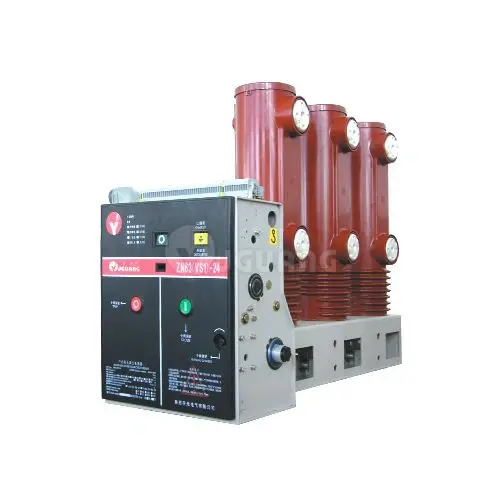
Understanding the Vacuum Switch: Definition and Core Function
Technical Definition and Operating Principle
The basic idea behind vacuum switches is very simple, but it works very well. When contacts in a vacuum interrupter chamber come apart, any electrical arc that forms goes out right away because there are no ionizable gas molecules present. The pressure in this vacuum is usually less than 10⁻⁴ Torr, which means that electrons can't move along an electrical path between contacts that are far apart.
The main parts are vacuum bottles (also called interrupters), contact materials (often copper-chromium alloys for better conductivity and corrosion resistance), and a device that moves the contacts quickly and precisely. Yuguang's high-tech vacuum switch designs use permanent magnet actuators that keep switching functions constant over tens of thousands of operations. This means that the switches are reliable and don't need to be serviced, which is something that procurement managers look for when figuring out the total cost of ownership.
Primary Functions in Power Systems
The vacuum switch is an important part of industrial power equipment that does many important things. It keeps an eye on and handles the flow of current, isolating it during repair work and keeping other equipment safe from faults. When these devices are built into switchgear assemblies, they make it safe to divide power networks into parts. This lets workers fix problems in individual sections without affecting the whole system.
Yuguang's vacuum switches have integrated modular designs that take up little space and are sealed to IP67 standards. This makes them perfect for setups in steel mills, chemical plants, and green energy facilities that don't have a lot of room. Their ability to handle many switching processes without breaking down meets the needs of wind power installations and solar systems, where changing loads need strong switching solutions.
Distinguishing Vacuum Switches from Related Components
Knowing the differences between vacuum switches, pressure switches, and vacuum sensors makes it easier to understand what each one does in industrial settings. Pressure switches react to changes in fluid pressure through air or hydraulic systems, whereas vacuum switches are designed to control electrical circuits when there is a vacuum arc. On the other hand, vacuum sensors detect and send data about the vacuum level without directly controlling electrical loads.
This difference is very important for procurement workers who are choosing tools for factories or substations. Yuguang's engineering team offers full technical advice to help clients choose the best switching options. They do this by providing thorough drawings and figures that make sure the system works well and meets IEC and GB standards.
Types of Vacuum Switches and Their Applications
Mechanical versus Electronic Variants
Based on how they are controlled, vacuum switches can be put into two main groups. Mechanical vacuum switches physically separate contacts with spring-loaded or motor-driven actuators. They are easy to use and have been proven to work reliably in large-scale uses. Electronic versions have microprocessor-based controls that let them be controlled from a distance, have customizable logic built in, and have advanced diagnostic features.
Both types are used a lot in a wide range of working situations. Power plants that manage thermal, hydroelectric, or wind turbine groups often choose mechanically operated devices because they don't need to be controlled by electronics and can work even if something goes wrong. In the meantime, electronic versions that work well with SCADA systems are useful for smart grid applications and automated delivery networks.
Industry-Specific Application Scenarios
Different types of industries have different needs for moving tools. In airports and public transit systems in cities, vacuum switches must be completely reliable while also meeting strict safety standards and emergency power situations. To protect secret computer equipment, data centers need devices that can switch quickly while causing little electromagnetic interference. Yuguang meets these different needs by customizing vacuum switch setups based on the situation.
For example, they can change them to work in difficult settings with high vibration levels, high temperatures, or corrosive atmospheres. Our manufacturing process uses metals that don't rust and ceramic coatings that make things last longer, even in tough conditions. This lowers long-term upkeep costs that operations departments carefully track when judging the performance of suppliers.
Functional Comparison: Vacuum Switches versus Pressure Switches
Even though their names make them sound alike, vacuum switches and pressure switches are actually used for very different things. Pressure switches keep an eye on the limits of fluid pressure in HVAC systems, hydraulic circuits, or air machinery. If these limits are surpassed, they set off alarms or take other control actions. On the other hand, vacuum switches are used in electricity distribution networks to break high-voltage circuits.
The electrical needs for pressure switches and vacuum switches are very different. Pressure switches work in low-voltage control circuits, while vacuum switches work in kilovolt-level power circuits, which have specific insulation coordination needs. During the system planning steps, this difference becomes very important. Yuguang's technical support team helps EPC companies and design institutes choose the right parts and gives installation instructions that make sure the parts work well with control systems and protective relays.
Installation, Testing, and Maintenance of Vacuum Switches
Best Practices for Installation and Wiring
The performance and life of a vacuum switch are directly affected by how well it is installed. For gravity-assisted mechanisms or magnetic actuators to work correctly, the mounting position must be exactly as the maker says it should be. To get the best contact pressure without putting mechanical stress on the bolts, connection to busbars needs torque-controlled fitting. Yuguang includes detailed installation instructions with every package.
These instructions include torque requirements, clearance requirements, and step-by-step instructions for starting. Our technical specialists help with complicated projects on-site and work with project managers to keep to tight schedules. This full-chain service method, which includes delivering the equipment and making sure it works properly, sets Yuguang apart from suppliers who only sell products and don't offer implementation knowledge.
Systematic Testing and Troubleshooting Protocols
Methodical testing methods are needed to confirm that vacuum switches work. Precision micro-ohmmeters should be used for the first acceptance test to check the contact resistance, which should be less than 50 microohms for new equipment. Testing the dielectric strength makes sure the vacuum is solid. Standard tests put 2kV across open contacts for one minute without flashover.
For mechanical durability verification, the switch is put through a series of processes to find any binding or unusual friction in the way it works. When problems happen, routine troubleshooting starts with looking at the external signs visually, then moves on to measuring the contact resistance, and if the pressure has dropped, the vacuum bottle may need to be replaced. Yuguang keeps spare parts in stock so that they can be quickly sent out when repair is needed. This addresses the operational worry about downtime that buying managers look for in equipment providers.
Ongoing Maintenance and Environmental Considerations
Yuguang's vacuum switches use fixed magnet actuators that don't need to be maintained, but mission-critical setups should still be checked on a regular basis. Visual checks should be done every three months to make sure there is no damage to the outside, building of dirt on the insulators, or signs of warming at the connection points. Environmental factors have a big effect on how long technology lasts.
Salty air near the coast speeds up rusting on installations, and dust from the desert gets into places where installations are located. Yuguang's improved surface treatment methods, such as powder coating followed by constant-temperature curing, make surfaces more resistant to rust and aging, which means they can be used for longer periods of time than regular finishes. These engineering improvements directly fix procurement problems that have to do with total lifetime costs and allocating resources for upkeep.
Comparing Vacuum Switch Options: Choosing the Right Model for Your Business
Market Overview and Leading Manufacturers
In the global vacuum switch market, there are well-known companies that specialize in different areas and have strong regional markets. International names have a lot of experience with a lot of different applications and a lot of different products. On the other hand, regional makers often offer better customization options and quick expert support. When you evaluate a provider, you need to look at more than just their product specs. You also need to look at their technical skills, quality systems, and service infrastructure. Yuguang stands out because it has 39 approved patents that cover new ideas in arc-extinguishing chamber design, contact materials, and how they work. Our Baoji factory is ISO 9001:2015 certified and uses cutting-edge production tools and strict quality control to make goods that meet the high standards of state-owned power companies and global industrial companies.
These advantages over competitors directly lead to benefits in buying. Yuguang covers a full voltage range from 6kV to 40.5kV, which makes it easier to handle suppliers and improves the standards of parts for projects that use more than one voltage. Our low minimum order number of just one unit allows for pilot installations and quick replacements in case of emergencies. However, our volume price models award bigger pledges. Standard product delivery within 7–15 days allows for quick project activation, and our 30–60 day customization timeline meets unique needs without causing too much schedule effect, both of which are important factors for EPC contractors handling complicated building schedules.
Functional Distinctions: Switches, Sensors, and Transducers
Making it clear how vacuum switches, sensors, and transducers work differently helps buying teams choose the right tools. When working orders or protective relay signals are sent to vacuum switches, they either open or close circuits. Vacuum sensors constantly check the amount of vacuum and send analog or digital signals that show the pressure. This lets you keep an eye on things without directly controlling the loads. Vacuum transducers take measurements of vacuum and turn them into standard electrical outputs that can be used with distributed control systems.
In full tracking and control systems, each type of component does a different job. Because Yuguang has experience putting systems together, we can suggest the best pairings of parts for any job, from simple circuit interruption to complicated interlocked sequencing with many switching points.
Key Selection Criteria for Industrial Procurement
To choose the right vacuum switch, you have to weigh a lot of different factors against the needs of the project and the goals of the company. Accuracy and consistency are important, especially when safe sending or synchronization controls need to work together perfectly. Mechanical strength tells you if something can work in places with a lot of vibration, like mines or factories that make big things.
Supplier dependability includes things like on-time delivery, consistent quality, and long-term business stability. Procurement teams that don't like taking risks put a lot of weight on these factors when making lists of accepted vendors. Lead time freedom lets both planned projects and last-minute replacements work. The price must include all of the costs of ownership, such as labor for installation, regular upkeep, and the expected length of service life. Quality of after-sales help is often the deciding factor, as quick expert support and easy access to spare parts keep small problems from turning into long outages.
Procurement and Supply Chain Insights for Vacuum Switches
Sourcing Strategies and Channel Selection
There are several ways for procurement workers to get to vacuum switches, and each has its own benefits. Online industrial markets make it easy to browse and compare specs, but they might not have enough technical information for complicated uses. Authorized wholesalers keep stock in their own areas and help people in the region, but they may only carry a few products. Working directly with the manufacturer gives you the most customization choices and expert support, which is especially helpful for big jobs or unique needs. Yuguang's business plan focuses on working directly with end users, design institutes, and EPC contractors.
This cuts out markups for middlemen and makes sure that the technical specs of equipment match the needs of applications. Our export services help foreign projects by making sure that the necessary paperwork, certifications, and arrangements are arranged so that they meet the needs of the target country.
Negotiation Tactics and Long-Term Partnerships
Effective sourcing goes beyond just buying things and includes building long-term relationships with suppliers. Smart buyers look at more than just unit price when comparing quotes. They also look at things like the quality of technical support, shipping promises, warranty terms, and upgrade paths for when they need to add more capacity in the future. A lot of the time, promises to buy in bulk lead to better prices and earlier schedules for production.
By negotiating maintenance deals when you buy the equipment in the first place, you can be sure of stable long-term costs and quick help when you need it. Yuguang offers a wide range of services, such as installation advice, free modification planning, and deals for the sale of spare parts. These services give operations teams the worry-free support structure they need. Our history of working with large power grids, metallurgical plants, and building projects shows that we can handle mission-critical tasks where equipment failure could have big effects.
Building long-term relationships with suppliers gives you long-term benefits. Preferred sellers learn a lot about their clients' systems and tastes, which lets them make suggestions and make it easier for them to place orders again. Yuguang's method for managing accounts involves giving big clients their own technical liaisons. This ensures stability and builds institutional knowledge that makes projects run more smoothly over time. This level of relationship depth is especially helpful when there are changes in the equipment lifecycle. This is because planning for technology refreshes and managing outdated equipment needs coordinated long-term plans instead of quick fixes in times of disaster.
Conclusion
In conclusion, vacuum switches are an important part of medium-voltage power distribution systems because they reliably break circuits by using vacuum arc-quenching principles, which are better than other switching methods. By learning about their technical features, how they're used, and what to think about when buying them, you can choose equipment that meets your needs and helps your business reach its goals. Yuguang's all-around approach, which includes unique designs, the ability to customize, and full-chain service support, solves the main problems that industrial buyers have, such as problems with equipment compatibility, the need for adaptation, and the difficulty of maintaining equipment. Our high-quality production, backed by official certifications and proven performance in tough applications, makes us a reliable partner for businesses that want to improve system stability while keeping lifecycle costs low.
FAQ
What distinguishes a vacuum switch from a vacuum sensor?
A vacuum switch stops an electrical circuit by using vacuum technology to put out an arc. It works with kilovolt-level power circuits in manufacturing buildings and substations. Vacuum sensors check the amount of vacuum pressure and send back information without directly controlling electrical loads. They do this by monitoring rather than switching. When specifying a system, this difference is very important because each part has a unique job to do in control designs. The expert advice that Yuguang gives to clients helps them find the right parts for their needs.
How frequently should vacuum switches be tested in industrial settings?
How often you should test something depends on how often it will be used and the surroundings. Checking the contact resistance every three months and doing a full test once a year, which includes checking the dielectric strength, are both good for high-frequency switching uses. Installs that don't need as much attention may be able to go on a quarterly or yearly plan. Yuguang's designs don't need regular maintenance, and our documentation includes detailed testing methods that are tailored to different working situations. This helps maintenance teams make the best use of their resources.
Can modern vacuum switches integrate with IoT and advanced control systems?
Modern vacuum switch designs include digital communication features more and more, which lets them connect to SCADA systems, building control platforms, and IoT infrastructure. Different types of electronic actuators work with different protocols, such as Modbus, DNP3, and IEC 61850, so they can be monitored and controlled from afar. Yuguang's engineering team can choose communication-enabled choices for projects that need smart grid functions or centralized facility management integration. This makes sure that our goods can keep up with changing technological needs.
Partner with Yuguang for Superior Vacuum Switching Solutions
Yuguang is in a unique situation to solve complicated power distribution problems for companies that need to find trusted vacuum switch manufacturers. Our wide range of products, from 6kV to 40.5kV, is backed by 39 patents and a lot of certifications. They have been tested and shown to work well in power generation, heavy industry, and important infrastructure. We understand that procurement choices extend beyond equipment specs to cover delivery reliability, expert support quality, and long-term partnership value. Yuguang's scenario-specific customization lets us adapt solutions to harsh conditions and unique operating needs. Our combined modular designs make the best use of space and increase the life of the product.
If you need to find vacuum switches for a single replacement unit or tools for upgrading a large power system, our technical team is ready to give you competitive quotes, full product information, and advice on how to use the products. Email our experts at ygvcb@hotmail.com to talk about your unique needs.
References
1. IEEE Standards Association, "IEEE Std C37.04-2018 - IEEE Standard for Ratings and Requirements for AC High-Voltage Circuit Breakers with Rated Maximum Voltage Above 1000 V," Institute of Electrical and Electronics Engineers, 2018.
2. Slade, Paul G., "The Vacuum Interrupter: Theory, Design, and Application," CRC Press, Second Edition, 2017.
3. International Electrotechnical Commission, "IEC 62271-100:2021 - High-voltage switchgear and controlgear - Part 100: Alternating-current circuit-breakers," IEC Central Office, Geneva, 2021.
4. Greenwood, Allan N., "Vacuum Switchgear," Institution of Engineering and Technology Power and Energy Series, 2007.
5. Cigré Working Group A3.27, "Circuit-Breaker Reliability Aspects in the Framework of Substation Reliability," Cigré Technical Brochure 618, Paris, 2015.
6. National Electric Manufacturers Association, "NEMA SG 4-2019 - Alternating-Current High-Voltage Circuit Breakers," NEMA Standards Publication, Rosslyn, Virginia, 2019.

Send Inquiry
You may like
