
What Is Power Transmission and Distribution Equipment? A Complete Guide for 2026
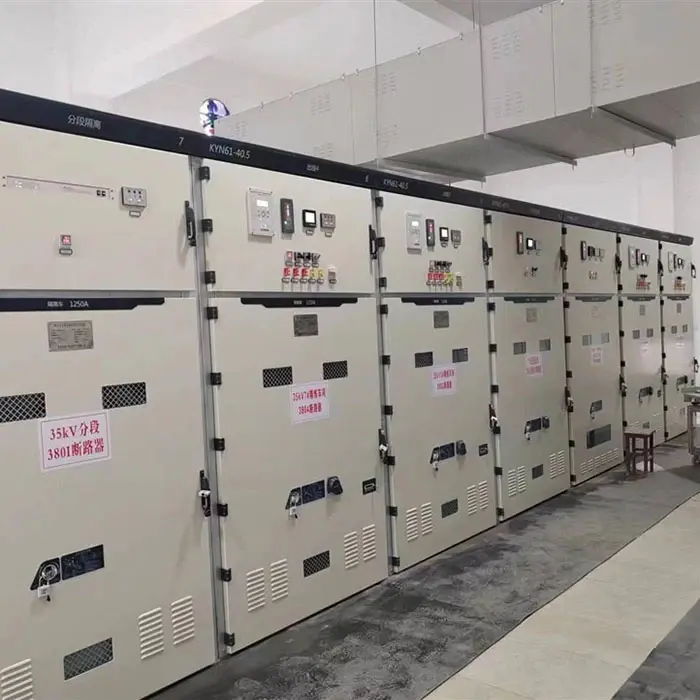
Power transmission and distribution equipment makes up the crucial infrastructure that transports energy from power plants to end consumers. This set of tools includes high-voltage transformers, circuit breakers, switches, wires, and safety devices that work with voltages ranging from 6KV to 40.5KV. These systems make it possible to send power over long distances reliably while also controlling voltage, balancing load, and protecting against faults. With 2026 coming up, it's important for businesses that deal with complex energy needs to choose equipment that is both technically reliable and easy to change.
Understanding Power Transmission and Distribution Equipment
Defining Transmission Equipment and Its Core Functions
Transmission equipment moves very high-voltage energy from power plants to substations over long distances. Transformers raise the voltage so that as little energy as possible is lost during transfer. The physical paths are made up of high wires or cables buried in the ground.
Switchgear and circuit breakers are very important for controlling and protecting electrical systems. They separate faults so that they don't cause more problems. More and more, modern transmission systems use vacuum circuit breakers with permanent magnet working mechanisms. These breakers don't need to be maintained and last longer, which is especially helpful for facilities that are open 24 hours a day.
Distribution Equipment: Bridging Power to End Users
For business and industrial users, distribution equipment lowers the power and sends electricity to them. Medium-voltage switches, distribution transformers, and safety devices that control the flow of power to different buildings are all in this group. Transmission and distribution are mostly different in the power levels and areas they cover, but both require the same high standards of safety and dependability. When made for tough industrial settings like metals plants or mines, equipment has to be able to handle toxic atmospheres, high temperatures, and electromagnetic interference while still working properly.
Current Technologies Shaping the Market
Gas-insulated switchgear (GIS) and solid-sealed pole designs are big steps forward in making equipment smaller and more resistant to the elements. Older oil-based systems have mostly been replaced by vacuum arc suppression technology, which gets rid of the need for upkeep that comes with insulation fluid breaking down. Manufacturers can set up equipment for different uses by using modular construction principles.
This can be used for anything from installing wind power to building urban rail transit systems. These new ideas solve problems that have been bothering the industry for a long time, like tools not working well with other systems, being hard to get to for repair, and not being able to change well to specific operating situations.
Core Functions and Benefits of Power Transmission and Distribution Equipment
Essential Functions Driving Operational Efficiency
Several important jobs are done at the same time by high-voltage tools. Voltage control keeps the quality of the power fixed even when loads and power sources change. Load balancing spreads the demand for electricity across the equipment that is available. This stops overloads in certain areas that cause power blackouts. Fault management systems find problems very quickly, separating them before they cause damage to equipment.
These features directly lead to less downtime, which is important for places where work stops cost thousands of dollars per minute. Yuguang's method focuses on combined modular design, where small layouts and IP67-rated sealing protect delicate parts and make installation easier in places with limited room.
Measurable Benefits for Industrial Stakeholders
Buying the right Power transmission and distribution equipment has real benefits that go beyond its simple usefulness. Higher network uptime comes from parts that are naturally reliable: aerospace-grade precise production and multiple rounds of testing make sure that parts meet national high-voltage standards and ISO system requirements.
Scalability is useful when flexible designs let you add small amounts of capability without having to update the whole system. Less resistance losses and better power factor control lead to gains in energy economy. Compliance certainty makes it easier to follow the rules, especially when equipment has official certifications and thorough technical paperwork to back up project approvals.
This dedication to quality can be seen in Yuguang's production method. Before cutting and pressing are used to make structure parts, corrosion-resistant materials are carefully checked. Arc-extinguishing tanks are precisely machined with special tools that make sure the dimensions are correct, which is important for keeping the pressure intact. Surface treatments like ceramic sealing and powder finishing make things last longer in harsh industrial settings. The end result is operation that doesn't need any upkeep, which lowers lifetime costs and fits the busy plans of EPC workers and project managers.
How to Choose the Right Power Transmission and Distribution Equipment in 2026
Evaluation Criteria for Procurement Decisions
When choosing the right Power transmission and distribution equipment, you have to weigh the technical specs against the practicalities of the job. Harmonic compatibility with voltage classes is the most important condition. For most industry uses, tools rated for 6KV to 40.5KV will work. The ability to carry current must be able to handle both regular loads and short-circuit problem currents without lowering the safety limits.
Environmental scores are very important. IP protection levels show how resistant something is to dust and water, and working temperature ranges show whether it can be used outside or in a climate-controlled space. More and more, purchasing managers are looking for providers who can provide full expert support, from the first figures and sketches to help with finishing.
Technology Comparisons and Application Matching
For urban substations with limited room, gas-insulated switchgear works best, but it costs more. Air-insulated designs, on the other hand, work best in open-air sites with enough space. Vacuum circuit breakers are now the standard for medium-voltage uses because they reliably stop arcs and don't need much upkeep.
Permanent magnet working mechanisms get rid of the complexity of spring-charging systems. This makes them easier to fix and allows them to switch between cycles more often without losing performance. When judging a maker, look at their patent files to see how innovative they are. For example, Yuguang's 39 patents show that the company is still investing in research and development to solve real-world practical problems.
Customization Capability
The ability to customize sets key partners apart from common sellers. Manufacturers that offer scenario-specific planning can help facilities that have particular needs, such as those that need to work with older systems, deal with harsh environmental conditions, or use specific bus designs. Yuguang has worked in the power generation, mining, chemicals, and green energy sectors in the past, which shows that they can adapt to difficult tasks. They don't have a minimum order number, so they can handle both small test projects and large-scale operations. They can take orders from as few as one unit and customize them in bulk.
Installation, Maintenance, and Safety of Power Transmission and Distribution Equipment
Pre-Installation Planning and Execution Best Practices
Thorough site surveys that look at foundations, gaps, natural factors, and places where new infrastructure can connect to current ones are the first step to successful installs. Power transmission and distribution equipment needs must be taken into account in detailed installation processes. These include torque requirements for busbar connections, wire entry setups, and where to put the grounding lead.
When manufacturers offer installation instructions as normal features instead of as extras that you buy after the fact, commissioning goes faster and mistakes are less likely to happen. Yuguang's full-chain service model includes not only delivering equipment but also providing on-site expert help to make sure it is set up correctly and works properly before handing it over.
Proactive Maintenance Strategies Reducing Downtime
Traditional oil circuit breakers need to have their fluids analyzed and parts replaced on a regular basis, but maintenance-free equipment designs make operations a lot easier. Vacuum interrupters keep their insulating properties for the full length of their estimated life, which is usually more than 10,000 mechanical actions.
Older technologies had coil wear and spring stress, but permanent magnet systems get rid of those problems. Condition monitoring, which keeps track of things like contact wear signs, insulation resistance trends, and working times, is used by predictive maintenance systems to plan actions for planned breaks instead of waiting for failures to happen.
More and more, remote tracking tools are being added to actual repair plans. Smart devices collect data that can be analyzed to find performance drift before it leads to a problem. This method works great with operations and repair teams that want to quickly fix problems and lower long-term costs. Suppliers who offer servicing agreements and spare parts availability protect against obsolescence by making sure that parts are still available years after they were first installed and after production runs are over.
Future Trends and Innovations in Power Transmission and Distribution Equipment
Smart Grid Integration and Digital Transformation
As electricity systems and information technology continue to merge, Power transmission and distribution equipment standards are changing. IoT devices send operating data in real time, which allows for unified tracking of sites that are spread out. Artificial intelligence programs take in data from sensors and figure out how to best distribute the load without any help from a person.
When equipment makers add these features during the planning phase instead of adding them later, it results in more reliable solutions with less complexity over time. Support for standards like IEC 61850 in communication protocols makes sure that systems from different vendors can work together.
Sustainability Imperatives and Material Science Advances
Environmental laws and companies' vows to sustainability increase the need for equipment that leaves smaller environmental footprints. Greenhouse gas worries about standard GIS systems can be eased with SF6 gas options. Along with standard technical factors, purchase requirements include things like recyclable materials and less packing trash.
Even small gains in energy efficiency add up to big savings over time. For example, a 2% drop in energy loss in a 50MW system saves a lot of money every year on running costs. Companies that show they care about the environment by using approved management systems and clear material sourcing get an edge in bids that focus on ESG factors.
Renewable energy offers both chances and technical difficulties. In order to work, wind and solar systems need equipment that can handle higher levels of voltage changes and harmonics than is normally used in power plants. Yuguang's mixed electrical equipment for wind power meets these needs with focused engineering that has been proven to work in real wind farms. As the amount of green energy available grows, it becomes more useful for tools to be able to react to different power patterns.
Conclusion
The essential infrastructure that enables modern industrial processes is made up of Power transmission and distribution equipment. As we move into 2026, good buying strategies combine technical requirements with suppliers' abilities, giving more weight to makers who offer complete solutions over those who only offer individual products. Problems with compatibility, maintenance, and application mismatches can be solved with equipment that has maintenance-free vacuum technology, flexible construction, and scenario-specific customization.
By working with well-known suppliers who show they are innovative through patent portfolios and official certificates, procurement experts can get reliable infrastructure that helps them meet business goals and manage lifecycle costs well. When tried-and-true technologies come together with new smart grid features, users who are thinking ahead can take advantage of higher efficiency and greater stability in an energy market that is changing.
FAQ
What factors most significantly affect equipment lifespan in industrial environments?
In most sites, decline rates are more affected by the environment than operating cycles. Different stresses are put on parts by corrosive atmospheres, changing temperatures, humidity, and dust getting in. Choosing tools with the right IP grades and made of materials that don't rust greatly increases its service life. Vacuum circuit breakers that are sealed keep important parts from being exposed to the environment. This is why they last longer than older technologies that needed to replace insulation media that broke down over time.
How do I ensure compliance with both domestic and international safety regulations?
It's easier to prove compliance when equipment has more than one certification, like ISO 9001 for quality management, IEC standards for electricity performance, and approvals specific to the area. Manufacturers who keep their licenses up to date show that they are committed to meeting changing needs. Asking for verified test records and type-test paperwork during the purchase process helps make sure that the equipment meets the claimed specs, which is important for regulatory checks and project clearance processes.
What advantages come from sourcing through specialized manufacturers rather than general distributors?
Direct ties with manufacturers give you access to engineering experts who can help you make changes that are specific to your application. The level of technical help is usually better than what you can get through distribution methods. This is especially true for setups that are complicated and need complex formulas or non-standard settings. Manufacturers who offer full-chain services, from research and development to help after the sale, are responsible for their products throughout their entire lifecycles. Yuguang is a great example of this method because it combines 39 patents worth of new ideas with a wide range of service options that cover everything from the original design to long-term upkeep.
Partner with Yuguang for Reliable Power Transmission Solutions
Picking the right company to supply Power transmission and distribution equipment is important for the success of the project and the cost of running it in the long term. Yuguang was founded in 2008 in Baoji, which is known as the world's largest producer of vacuum circuit breakers. It specializes in 6KV–40.5KV systems and has 39 patents and full ISO certifications to back it up. Our combined modular designs make it easier for products to work together and require no upkeep thanks to vacuum arc quenching and permanent magnet systems.
Whether your facility needs standard goods in 7–15 days or unique solutions for difficult conditions in 30–60 days, we can help with everything, from technical estimates to installation help and extra parts. We make high-voltage transmission and distribution tools and work with industries like infrastructure, metals, petrochemicals, and power production around the world. Get in touch with our expert team at ygvcb@hotmail.com to talk about your unique needs and find out how our full-chain service method lowers project uncertainty and improves performance throughout the lifecycle.
References
1. IEEE Standards Association. (2023). "IEEE Guide for Metal-Enclosed Switchgear Rated 1 kV to 35 kV." IEEE Standard C37.20.3.
2. International Electrotechnical Commission. (2024). "High-Voltage Switchgear and Controlgear – Part 100: Alternating Current Circuit-Breakers." IEC 62271-100.
3. Sharma, R.K., & Patel, M. (2023). "Modern Power System Protection: Advances in Circuit Breaker Technology." Journal of Electrical Engineering and Technology, 18(4), 1245-1268.
4. National Electrical Manufacturers Association. (2023). "Application Guide for Medium-Voltage Switchgear." NEMA Standards Publication SG-6.
5. Zhang, L., & Chen, W. (2024). "Reliability Assessment of Vacuum Circuit Breakers in Industrial Applications." Electric Power Systems Research, 228, Article 109845.
6. World Energy Council. (2025). "Global Trends in Power Infrastructure: Technology and Investment Outlook 2026." World Energy Resources Report Series.

Send Inquiry
You may like
