
What is the difference between a vacuum interrupter and a vacuum circuit breaker?
For procurement managers and engineers working on mission-critical power infrastructure projects, understanding the difference between a vacuum interrupter and a High-voltage vacuum circuit breaker is essential. A vacuum interrupter is the main part that puts out arcs. It is kept in a sealed vacuum room and stops the flow of electricity safely during switching operations. A High-voltage vacuum circuit breaker, on the other hand, is an all-in-one electromechanical device that manages and protects power delivery networks. It has vacuum interrupters, working mechanisms, control systems, and protective casings. This difference affects the features of the equipment, how it should be maintained, and how much it will cost to run in the long run. These are all things that have a direct effect on the timelines and dependability of projects for power plants, factories, and utility companies.
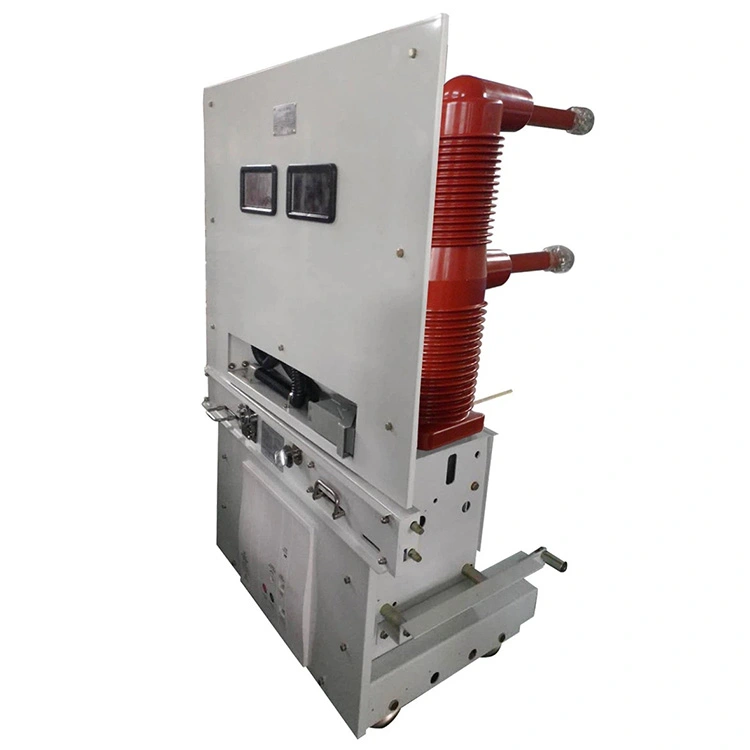
Introduction to Vacuum Interrupters and Vacuum Circuit Breakers
Vacuum technology is now an important part of current electrical switching systems, especially for medium to high-voltage uses between 6kV and 40.5kV. Vacuum interrupters are the important arc-quenching parts inside circuit breakers. They use the better dielectric qualities of vacuum to quickly and cleanly put out electrical sparks. When contacts separate under pressure, the vacuum environment stops ionization. This gets rid of the chance of sustained arcing that older technologies have.
Circuit breakers, on the other hand, are all-in-one safety devices that include vacuum interrupters, insulation systems, control interfaces, and mechanism that work with fixed magnets or springs. These systems work together to find faults, stop the flow of electricity, and automatically cut off power to substations, factories, and green energy sites so that failures don't spread.
Why Vacuum Technology Matters for Industrial Applications?
Vacuum switching technology is becoming more popular around the world because it has many benefits, such as not releasing any greenhouse gases, needing very little upkeep, and being very reliable even in tough environments. Unlike SF6 gas breakers, which are closely watched by regulators because of worries about climate change, or oil-filled units that can leak and cause fires, vacuum-based systems work cleanly and efficiently. High-voltage vacuum circuit breakers are being used more and more in industries like steel production, petroleum processing, and data center operations to reduce the risk of downtime and increase machine lifecycles.
Since 2008, Yuguang has been a leader in this field, creating High-voltage vacuum circuit breakers with built-in flexible designs that solve compatibility problems in older switchgear systems. Our engineering team has 39 patents for new ideas in permanent magnet systems and solid-sealed pole structures. This makes sure that our goods meet IEC and GB certification standards and are better able to handle high humidity, extreme temperatures, and pollution from factories.
The Role of Vacuum Interrupters in Power System Protection
Vacuum interrupters work on a simple but effective principle: removing electrical connections in a high-vacuum environment (usually 10⁻⁴ Pa or better) stops the ionization path that is needed to keep the arc going. The vacuum acts as both an insulator and an arc-quencher, stopping the flow of electricity in milliseconds. To keep transformers, generators, and distribution lines safe from short-circuit harm, this speed is very important.
How well an interrupter works depends on how precisely it was manufactured. During our modular manufacturing workflow, Yuguang uses aerospace-grade machining standards and IP67-rated sealing methods to make sure that the contact surfaces stay in the best position for millions of switching cycles. Corrosion-resistant metals and ceramic coatings are used in our vacuum tanks to make them last longer than 30 years, even in seaside or mining areas where salt fog and dust speed up equipment breakdown.
Technical and Functional Differences Between Vacuum Interrupters and Vacuum Circuit Breakers
The operating structure makes it clear how these parts work together. When an arc forms, vacuum interrupters stop it physically, and circuit breakers protect the whole system by using combined control logic and mechanical action.
Component Architecture and Functional Scope
A vacuum interrupter has fixed and moving contacts inside a ceramic or glass envelope. The contacts are covered by a metal vapor screen that keeps the vaporized contact material inside. Contact pressure is controlled by regulated springs and is usually between 2,000N and 4,000N to keep the resistance low and keep the contact from getting too hot when a current flows continuously. Over-travel, or the amount of compression after the first contact, is very important during maintenance checks because not enough over-travel causes contact welding when there is a fault.
Adding permanent magnet working mechanisms (like those in Yuguang's VXB-24P series), trip coils, extra switches, and protective casings rated for outdoor exposure makes circuit breakers even better. The working part saves energy by charging a spring or using magnetic latching, which lets it close and open quickly in time with safety relays. As a safety measure required by IEC 62271 standards, modern designs include anti-pump circuits that stop repeated attempts to close when there is a fault.
Safety Standards and Insulation Coordination
IEC 62271-100 lists the performance standards for alternating current High-voltage vacuum circuit breakers. These include tests for dielectric withstand voltage, the ability to break short circuits, and scores for mechanical endurance. The self-healing qualities of vacuums make them great for these tests because small flaws on the surface don't affect the insulation strength like they would in oil or air. This trait lowers the number of rejections during quality assurance testing and raises the trustworthiness over time.
Yuguang's quality control method includes several rounds of tests that make sure the products can put out arcs at rated and maximum fault currents, have insulation resistance values above 2,000 MΩ, and work with loads in temperatures ranging from -40°C to +55°C. According to national guidelines for high-voltage electrical appliances, products are put through power frequency withstand voltage tests. Fracture voltage tests find vacuum leakage through rapid discharge patterns. These thorough checks make sure that devices meet both British GB standards and international IEC standards, which makes it easier for them to work together on global projects.
Maintenance Accessibility and Lifecycle Management
In the past, vacuum interrupters needed special testing tools to check the vacuum integrity, because contact erosion happens inside the protected room and can't be seen. These days, breakers have wear signs, which are visible marks on the actuator rod that show how much contact is being used. When compared to older SF6 units, Yuguang's designs have easy-to-reach inspection ports that let techs check for over-travel and contact alignment without taking the whole unit apart. This cuts down on repair labor costs by about 40%.
Because permanent magnet systems don't need to be maintained, they don't need to have hydraulic fluid refilled or electromagnetic coils burned out. They also don't have the spring wear problems that are common in older designs. This directly means less downtime for power plants that have limited repair windows and lower costs for facilities that are in charge of large switchboard fleets.
Comparative Analysis: Vacuum Circuit Breaker vs. Other High-Voltage Breakers
When deciding what to buy, it's important to know how vacuum technology compares to other options in terms of performance, cost, and impact on the environment.
Environmental Impact and Regulatory Compliance
SF6 circuit breakers used to be very common in utility uses, but they are now being phased out because SF6 gas is 23,500 times more likely to cause climate change than CO₂. The F-Gas Regulation in the European Union and related laws in North America set goals for lowering emissions that support vacuum options. Oil circuit breakers can cause fires and pollute the environment during spills, which means that expensive cleanup procedures are needed.
These worries are completely taken away by High-voltage vacuum circuit breakers. Yuguang's product line supports environmental efforts by using zero-emissions operations and building with reusable materials. Our ISO 14001 environmental management certification shows that we are committed to using environmentally friendly ways to make things, like treating surfaces without using solvents and using energy-efficient production lines that cut carbon emissions by 35% compared to old ways of doing things.
Operational Efficiency and Maintenance Economics
Compared to air breakers, vacuum technology interrupts better with contact gaps as small as 8–12 mm, while air breakers need 150 mm or more. Because they are small, they can be installed in substations in cities and on platforms in the ocean. For mechanical processes, maintenance intervals are 10,000 to 30,000 cycles before contact checks are needed. For oil breakers, maintenance intervals are 3,000 to 5,000 cycles before filtration and tests are needed.
Lifecycle cost analysis shows that vacuum breakers pay for themselves in three to five years because they require less upkeep work, don't need as many consumables like dielectric fluids and desiccants, and have higher uptime rates. Yuguang offers full after-sales services, which include providing extra parts, helping with installation, and free modification plans for equipment updates. This makes sure that customers get the most out of their investment over the 30+ year service life.
Performance Under Electrical Stress and Failure Modes
Contact erosion from repeated fault breaks, vacuum leaks due to seal degradation, and mechanical jamming from contamination entry are all common ways for High-voltage vacuum circuit breakers to fail. Early discovery through condition tracking stops failures that are too bad to fix. Yuguang builds in diagnostic entry points that work with infrared thermal imaging and partial discharge monitors. This lets them use predictive maintenance strategies that are in line with the ideas behind Industry 4.0.
Short-circuit capacity numbers show how safely a breaker can stop fault currents. Yuguang has a wide range of products that can handle breaking currents between 20kA and 40kA at voltage levels of 6kV, 12kV, 24kV, and 40.5kV. This adaptability makes it useful for a wide range of uses, from protecting generators to feeding power to other devices. It can also be customized to fit the needs of specific projects, like making units that can withstand heights of over 3,000 meters or shelters that can't explode in petrochemical settings.
Practical Considerations for B2B Procurement: Choosing and Purchasing Vacuum Circuit Breakers
To do procurement right, you need to balance technical requirements, the skills of the seller, and the total cost of ownership. Choosing and buying High-voltage vacuum circuit breakers for business-to-business deals requires buyers with a lot of experience to know that the price you pay up front is only 25–30% of the total costs you'll have over the course of the product's life. The real costs are maintenance, downtime, and new parts.
Essential Decision Factors for Equipment Selection
It is important that voltage values match the standard voltages of the system, taking into account overvoltage spikes and insulation coordination gaps. To make sure there are safety gaps during grid disturbances, short-circuit capacity should be 20–30% higher than maximum potential fault currents. Choosing the right operating mechanism affects how often it needs to be serviced. For example, Yuguang's permanent magnet mechanisms get rid of the wearing parts that come with spring-charged or solenoid-operated designs, allowing them to do 100,000 no-load operations without needing to be serviced.
Supplier Evaluation and Technical Support
Reliable sellers show their technical knowledge by showing off their certifications, patents, and data on how well their products have worked in the field. Yuguang's ISO 9001:2015 quality management system and title as a High and New Technology Enterprise show that the company can create, make, and test things in a structured way. Our 39 patents cover new ideas in arc-extinguishing chamber geometry, seal technology, and modular building methods that give us performance benefits that our rivals can't match.
Long-term success depends on help after the sale. Full services should include overseeing the installation, helping with the setup, teaching operators, and quick-response technical hotlines. Yuguang gives specific project engineers the job of coordinating the installation of new equipment, making sure it works with current hardware (like KYN28-24 cabinets), and testing the site to make sure it meets all the requirements. Our global service network makes sure that customers in other countries get the same level of help by using specialized expert teams and faster shipping for spare parts.
Maintenance Best Practices for Operational Continuity
Scheduled checkups should check for contact wear by measuring over-travel, vacuum integrity by performing high-voltage withstand tests, and the usefulness of the working mechanism by analyzing timing. Yuguang gives thorough maintenance guides that list torque values, lubrication plans, and diagnostic limits based on the number of activities and the amount of time on the calendar.
When spare parts are easy to get, emergency repairs don't take as long. Keeping important parts like vacuum interrupters, trip coils, and backup switches on hand cuts the average time it takes to fix something from weeks to hours. Yuguang keeps regional stores filled with common replacement parts and makes obsolete parts for equipment that is getting close to the end of its useful life. This helps customers who use different generations of switchgear in different locations.
Case Studies and Future Trends of Vacuum Interrupters and Circuit Breakers
Implementations in the real world show clear gains in terms of operational metrics and cash success. A big metalworking plant replaced old oil breakers with Yuguang's vacuum units, which increased uptime by 99.7% and cut down on yearly oil waste costs by more than $45,000. The replacement didn't require many changes to the original KYN28 switchgear, and it was finished three weeks early.
Emerging Innovations in Vacuum Switching Technology
To protect sensitive electrical loads, advanced materials research works on making contact metals that are more resistant to erosion and have lower chopping currents. Copper-chromium contacts are the most popular on the market right now, but tungsten-copper alloys could make contacts last 50% longer in uses that switch contacts often, like capacitor banks and reactor control.
As technology changes, condition tracking sensors are built into breaker enclosures. These sensors send real-time information to cloud-based analytics platforms about the temperature of the contacts, the health of the working mechanism, and the activity of partial discharges. Yuguang works with partners in industrial IoT to provide upgrade kits that turn old breakers into smart assets. This lets maintenance plans plan ahead and cut down on unplanned outages by up to 60%.
Sustainability and Regulatory Drivers
As governments around the world tighten rules on dangerous materials and greenhouse gas pollution, the move away from SF6 and oil technologies speeds up. The SNAP program (Significant New Alternatives Policy) of the US Environmental Protection Agency says that High-voltage vacuum circuit breakers are the best choice for medium-voltage uses. Following these rules keeps infrastructure investments safe from becoming outdated due to new rules.
As part of Yuguang's dedication to environmentally friendly manufacturing, our Baoji production plant has closed-loop water recycling systems and ceramic coating methods that get rid of volatile organic compound emissions. These practices are in line with what customers want in terms of ESG (Environmental, Social, and Governance) reports, which helps buying teams that have to evaluate the sustainability of vendors.
Conclusion
Understanding the difference between vacuum interrupters and High-voltage vacuum circuit breakers helps you see things from the point of view of a component versus a system, which is important for smart purchasing. Interrupters are what stop arcs, and full breakers protect everything at once with their mechanisms, controls, and casings. Vacuum technology is better than options because it is better for the environment, easier to maintain, and cheaper over its lifetime. With 39 patents, a wide voltage range (6kV–40.5kV), and a full-chain service model, Yuguang solves some of the biggest problems in equipment compatibility, delivery speed, and expert support. To choose the right provider, you need to look at their customization options, certifications, and commitment to customer satisfaction after the sale. These are all things that have a direct effect on the success of the project and the continuation of operations in industries that use a lot of power.
FAQ
Can Vacuum Interrupters Be Replaced Independently?
Yes, vacuum interrupters are replaceable parts that are made to be replaced in the field. After installation, technicians must use high-voltage resist tests to make sure that the dimensions match, the contact material meets the requirements, and the vacuum is still intact. Yuguang offers OEM-equivalent interrupters that are guaranteed to fit all major types of breakers. These parts are 35% cheaper to repair than original manufacturer parts while still meeting performance standards.
What Are Typical Failure Signs in Vacuum Circuit Breakers?
Unusual working sounds (mechanism binding), high contact resistance found through thermographic inspections, or failure to latch during close operations are all signs that something is wrong. During fracture voltage tests, instant discharge shows that there is vacuum leakage. Yuguang suggests checking important applications every three months and standard-duty setups once a year to find problems before they stop working. A High-voltage vacuum circuit breaker failure can often be detected early through these methods.
How Do Vacuum Breakers Enhance Safety Over Traditional Alternatives?
Vacuum technology gets rid of the blast risks that come with oil breakers and the harmful byproducts of SF6 arcing. The sealed interrupter design keeps repair workers from being exposed to arc flashes, and the shorter interruption times (10–20ms) make equipment less stressed when problems happen. The solid-sealed pole construction by Yuguang using APG technology offers IP67 environmental protection, keeping interior parts clean to avoid tracking breakdowns in air-insulated designs.
Partner with Yuguang for Advanced High-Voltage Vacuum Circuit Breaker Solutions
High-voltage vacuum circuit breaker Solutions in Partnership with Yuguang are ready to help you with your next power infrastructure project by providing you with cutting edge technology that is specifically designed to meet your needs. As a specialized producer with ISO 9001:2015 certification and 39 utility patents, we offer safe solutions for voltage classes ranging from 6kV to 40.5kV. These solutions come with fixed magnet mechanisms that don't need to be maintained. Our engineering team creates special designs that can work in harsh conditions, such as plateau installations and explosive atmospheres.
These designs are backed by a full range of services, such as installation advice, spare parts supply, and quick technical support. Our MOQ policy is open enough to fit projects of all sizes, from a single test unit to buying a whole fleet. You can email our procurement experts at ygvcb@hotmail.com to talk about technical details, get full datasheets, or set up plant audits. Learn how Yuguang's unified approach to supply lowers project risks and operating costs while guaranteeing compliance with international standards.
References
1. IEEE Standard C37.06-2009, "AC High-Voltage Circuit Breakers Rated on a Symmetrical Current Basis—Preferred Ratings and Related Required Capabilities for Voltages Above 1000 V," Institute of Electrical and Electronics Engineers, 2009.
2. International Electrotechnical Commission, "IEC 62271-100: High-voltage switchgear and controlgear – Part 100: Alternating-current circuit-breakers," Edition 3.0, 2021.
3. Slade, P.G., "The Vacuum Interrupter: Theory, Design, and Application," CRC Press, Boca Raton, 2017.
4. Greenwood, A.N., "Vacuum Switchgear," Institution of Engineering and Technology, London, 1994.
5. Dullni, E., "Vacuum Arc Physics and Application in Circuit Breakers," IEEE Transactions on Plasma Science, vol. 47, no. 8, pp. 3530-3537, August 2019.
6. United States Environmental Protection Agency, "Significant New Alternatives Policy (SNAP) Program: Substitutes for SF6 in Medium-Voltage Equipment," Federal Register Notice, 2022.

Send Inquiry
You may like
