
What is the main function of a switchgear?
Power distribution switchgear is the most important part of electrical infrastructure. It controls, protects, and disconnects electrical equipment in business and industrial buildings. At its core, switchgear controls the flow of electricity, protects people and equipment from electrical problems, and allows for safe repair work. In modern electrical systems, these devices include circuit breakers, disconnect switches, fuses, and safety relays. They make sure that power is always delivered reliably and continuously, and they reduce the risks of downtime and operational interruptions that happen a lot in high-energy facilities.
Understanding the Main Function of Power Distribution Switchgear
Power distribution switchgear acts as the main control center for electrical systems, coordinating three basic tasks that keep industrial processes going easily.
Control of Electrical Power Flow
Switchgear controls how energy flows through your building by sending power from utility lines to different distribution points. When a user or an automatic signal is sent to the assembly's circuit breakers, they open or close electrical circuits to turn on equipment, move loads between power sources, or change the way power is distributed during scheduled repair times. This control feature keeps certain circuits from overheating while also making the best use of energy across your whole business.
Protection Against Electrical Faults
When short circuits, ground problems, or overload conditions happen, safety switchgear devices find them within milliseconds and cut off the affected circuit section before they do a lot of damage to the equipment. Today's safety switches constantly check voltage, current, and power factor parameters. If numbers go above safe limits, they set off circuit breakers. This quick fault separation keeps electrical problems in small areas, stopping failures that could shut down whole production lines or hurt costly motors and transformers.
Safe Isolation for Maintenance Operations
Maintenance workers can safely work on electrical equipment with the separation function, which physically disconnects power lines and makes sure they are no longer active. Live parts are kept separate from neighboring sections by metal enclosures, and mechanical interlocks stop them from accidentally turning on during repair activities. This physical separation meets OSHA's lockout-tagout rules and keeps workers safe from arc flash dangers, which can be life-threatening in factories.
Types of Power Distribution Switchgear and Their Functional Differences
Understanding the differences between possible designs and how they affect operation is necessary for choosing the right switching setups.
Voltage Classification Systems
Most of the time, medium voltage power distribution switchgear distributes power between 1kV and 52kV. It is the main link between utility supply systems and building distribution networks. The voltage range that Yuguang works in is from 6kV to 40.5kV. This covers the most typical medium voltage uses in power plants, steel mills, industrial plants, and building projects. Low voltage switchgear manages the final distribution to each piece of equipment and tools. It works below 1kV. The voltage rating has a direct effect on the assembly's shielding needs, physical measurements, and safety gaps.
Insulation Medium Variations
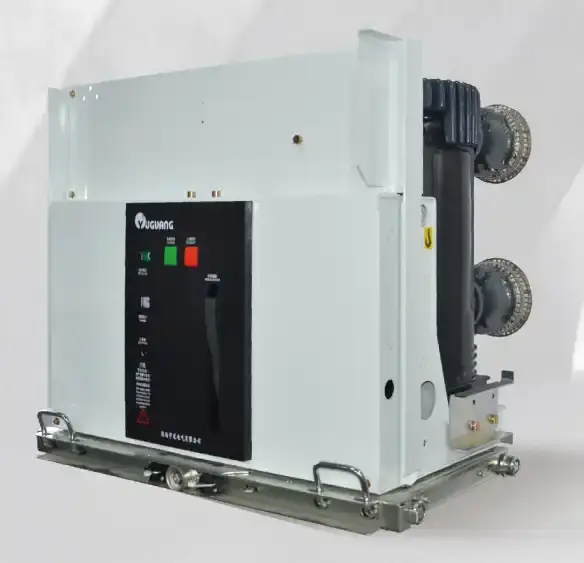
Air-insulated switchgear uses the air around it as a buffer between electrified parts, and it can be used in places with enough room for it to be cost-effective. Gas-insulated switchgear uses sulfur hexafluoride or other gases in sealed sections to make small areas that are good for places with limited space, like substations in cities or platforms at sea. In Yuguang's entire line of products, vacuum circuit breakers use vacuum interrupters to stop arcs. This means that they don't need to be maintained and can last for more than 30 years in normal industrial job cycles.
Construction Design Categories
Metal-clad switchgear has fully sealed sections with circuit breaker elements that can be taken out and tested or replaced without shutting down the system. This design that can be taken out cuts down on servicing time from hours to minutes, which helps EPC workers meet their tight project plans. When room allows, metal-enclosed designs offer cost-effective options with partitioned parts that aren't fully separated. The way something is built affects its safety grade. For example, arc-resistant designs have built-in pressure release systems and designed air paths to keep people safe during internal arcing events.
Essential Functions Addressing Common Operational Challenges
Electrical systems in factories often have problems that need to be fixed, and well-designed switches can fix them directly with smart safety features and working abilities.
Fault Detection and Isolation Capabilities
Protective switches in modern switchgear systems that are built on microprocessors can tell the difference between short-term problems and long-term faults that need to be isolated right away. These devices check the size and length of fault currents and work with protective devices further upstream and further downstream to clear faults at the nearest protective zone border.
Yuguang builds permanent magnet working mechanisms into their circuit breakers. This lets them respond quickly—in less than 50 milliseconds—and doesn't require the care that comes with standard spring-charged mechanisms. This quick separation feature keeps equipment from getting damaged, which can cost between $250,000 and $500,000 per incident when transformers or big motors fail catastrophically.
Load Management and Distribution Control
Switchgear makes it easier to shift loads, which keeps production going even when equipment breaks down or is being maintained. Automatic transfer plans quickly switch important loads between regular and emergency power sources, keeping businesses that use ongoing processes from having to pay for expensive production stops.
Yuguang's flexible design theory lets configurations be changed easily, so it can adapt to future needs for growth without having to update the whole system. As operations grow, facilities can protect the initial capital investment by adding more feeder circuits or raising fault current rates. This way, they can change to changing operational needs while protecting the initial capital investment.
Integration with Monitoring and Automation Technologies
Modern switchgear platforms have communication ports that support the Modbus, DNP3, and IEC 61850 protocols. This makes it possible for them to work seamlessly with systems for remote control and data collection. With remote tracking, you can see working temperatures, contact wear signs, and insulation resistance trends in real time.
Yuguang's full range of services includes expert help for system integration of power distribution switchgear, which makes sure that switchgear assets can talk to the building's current control systems. When compared to reactive maintenance strategies, predictive maintenance programs look at trends in operational data to predict when parts will need to be replaced before they break. This cuts unexpected downtime by 40–60%.
Choosing the Right Switchgear for Industrial Applications
When buying electricity distribution equipment, you need to carefully consider a lot of technical and business factors that affect both the short-term success of the project and the long-term costs of running it.
Critical Selection Criteria
The main standard factor is voltage level compatibility, which means matching protection rates to system working voltages while leaving enough safety gaps. The short-circuit current values must be higher than the highest fault current that can flow at the installation site. This is usually found by doing a thorough study of the electrical system. Ratings for enclosures and component derating factors are based on things like atmospheric temperature ranges, altitude, humidity levels, and exposure to toxic atmospheres. Customization is needed because of limited room, the need to meet seismic standards, or the need for specific working routines that are only used in certain industrial processes.
Evaluating Supplier Capabilities
When buying managers compare switchgear providers, they should look at more than just the price of the equipment. ISO 9001 certification is one of the quality factors for manufacturing. Yuguang also has ISO 14001 certification for environmental management and ISO 45001 certification for workplace safety. Intellectual property portfolios show how innovative a company is.
For example, Yuguang's 39 patents show that the company is continuing to spend in research and development to make power distribution switchgear technology better. Products are checked to make sure they meet public specs by testing centers that can do type tests according to IEEE, IEC, and state standards. Response times for expert help or extra parts that are needed during the launching or operating phases are set by geographic service networks.
Delivery performance has a big effect on project plans, especially for EPC workers who are in charge of tasks that are on the key path. This problem is solved by Yuguang, which has variable production schedules and can deliver standard setups in 7–15 days and finish unique designs in 30–60 days. This speed is very different from foreign equipment, which needs 16–20 weeks of wait time plus time for overseas shipping. The company's minimum order number of one unit allows for test setups and emergency repairs without having to buy in bulk, which can put a strain on buying budgets.
Structures for after-sales service tell the difference between trustworthy partners and transactional sellers. Full support programs should have instructions on how to install, help with setup, training for operators, upkeep agreements, and extra parts that are easy to get. Yuguang's full-chain service model covers the whole lifetime of an item of equipment, from the initial design review to removal. This gives you a single point of responsibility, which makes managing vendors easier and speeds up problem solving when technical questions come up.
Maintenance, Safety Guidelines, and Troubleshooting for Switchgear
Sticking to set safety rules and doing regular repair on equipment is needed to keep it working well for 20 to 30 years.
Preventive Maintenance Requirements
Scheduled inspection times rely on how hard the working environment is and how often the job cycle happens. They usually range from once a year for clean, climate-controlled sites to three times a year for tough industrial settings. Visual inspections look for signs of overheating, corrosion, or mechanical damage.
Infrared thermography scans find strange temperature patterns that mean connections are loose or contacts are breaking down. Insulation resistance testing makes sure the dielectric is intact, and contact resistance measurements make sure the device can carry enough current. When compared to air-magnetic or oil circuit breakers, vacuum circuit breakers don't need as much upkeep over their lives.
Common Fault Identification
Breaker trip events need to be looked into to find out what went wrong and stop it from happening again. When you set up a protected relay incorrectly, it can cause unwanted trips. To fix this, you need to study cooperation to get the best awareness and precision. Contact damage shows up as higher working temps or irregular trip behavior, which means the contacts need to be replaced.
When insulation breaks down because of water getting in, chemicals being exposed, or heat aging, the dielectric strength goes down, which increases the risk of flashover. Mechanical binding in working mechanisms slows them down or stops them from moving all the way, which makes it harder to block when there is a fault.
Regulatory Compliance Considerations
In the United States, installations of switchgear must meet the standards of the National Electrical Code and any state or local changes that apply. OSHA rules say that people who work near electrified equipment must have an arc flash danger analysis, the right warning signs, and the right personal safety equipment.
The IEEE C37.20.1 and IEC 62271-200 standards set requirements for design, testing, and performance that make sure equipment is safe and reliable. Facilities with ISO 9001 quality management systems keep records of repair processes, calibrations, and correcting actions. This way, they can be checked for compliance with internal and external standards.
Conclusion
Power distribution switchgear is still needed for safe and effective electrical system operating in both business and public buildings. When you know how the control, security, and separation functions work, you can choose equipment that fits your needs and your level of comfort with risk. The best mix between initial investment and long-term value is reached by carefully examining voltage levels, insulation media, building types, and suppliers' skills. To successfully install switchgear, you need to work with makers who can provide professional help, open design, quick delivery, and full support throughout the equipment's working life.
FAQ
How does switchgear differ from panelboards in industrial settings?
Panelboards can't handle higher voltages or currents than switchgear units can. They are mainly used for distribution between utility junctions and building substations. For medium voltage uses, switchgear has to meet strict safety standards by using security relays, locking systems, and building with separate parts. Panelboards send low-voltage power to final circuits and are usually placed in boxes that are attached to the wall. They come with basic safety features like molded-case circuit breakers.
What maintenance intervals apply to industrial switchgear installations?
How often maintenance is done relies on the surroundings and how hard the machine is being used. In clean indoor setups that only switch on and off every two years, checks may not be needed. But in tough industrial settings where loads change often, inspections should be done once a year or three times a year. Compared to older technologies, vacuum circuit breakers require less upkeep. In fact, they can often go 10,000 mechanical processes without needing to be serviced. No matter the climate, thermographic scans and safety relay tests should be done at least once a year.
Can switchgear be customized for specialized operational requirements?
Manufacturers with strong engineering skills can easily change standard designs to fit specific needs. Customization choices include voltage levels that aren't standard, better ability to withstand earthquakes, special cover materials for toxic environments, built-in tracking and metering systems, and changes to the physical measurements to fit tight installation areas. Yuguang has 39 patents that show how well he can adapt switching solutions to difficult situations in the infrastructure, heavy industry, and power generation sectors.
Partner with Yuguang for Reliable Power Distribution Switchgear Solutions
Yuguang offers tried-and-true medium voltage switchgear options that deal with connection issues, maintenance issues, and shipping risks that can affect the success of a project. Our 6kV–40.5kV product line blends vacuum interrupter technology with permanent magnet systems to make them work without any upkeep and last longer in harsh industrial settings. We are a reliable manufacturer of power distribution switchgear for thermal power plants, steel mills, petrochemical facilities, and infrastructure projects in North America and around the world.
Our technical skills are backed by 39 patents, and our commitment to quality is shown by our full ISO certification. Our all-in-one method includes custom design, precision production, installation help, and quick support after the sale. This makes sure that your electricity distribution systems work as safely and reliably as possible. Email our engineering team at ygvcb@hotmail.com to talk about your unique application needs and find out how Yuguang's scenario-based customization options can help you with your toughest power distribution problems.
References
1. National Electrical Manufacturers Association. (2020). Medium-Voltage Switchgear Standards and Application Guide. NEMA Publication SG4-2020.
2. Institute of Electrical and Electronics Engineers. (2019). IEEE Standard for Metal-Clad Switchgear. IEEE Standard C37.20.2-2019.
3. Beaty, H. Wayne, & Fink, Donald G. (2021). Standard Handbook for Electrical Engineers (17th ed.). McGraw-Hill Education.
4. International Electrotechnical Commission. (2018). High-Voltage Switchgear and Controlgear – Part 200: AC Metal-Enclosed Switchgear and Controlgear for Rated Voltages Above 1 kV and Up to and Including 52 kV. IEC 62271-200:2018.
5. Garzon, R.D. (2017). High Voltage Circuit Breakers: Design and Applications (3rd ed.). CRC Press.
6. Das, J.C. (2022). Power System Protective Relaying: Principles and Applications. CRC Press.

Send Inquiry
You may like
