
What is the purpose of a VCB?
Electrical systems are safeguarded by a vcb circuit breaker, which safely interrupts the passage of electrical current during maintenance operations or fault conditions. Vacuum circuit breakers are essential safety devices with medium-voltage distribution of electricity networks, as they employ vacuum technology to prevent equipment damage and extinguish electrical discharges. These advanced devices autonomously identify overcurrent conditions, shorts, as well as and other electrical anomalies, and they then promptly isolate the affected areas to ensure the stability of the system and safeguard valuable infrastructure investments.
Understanding the Purpose and Working Principle of a VCB
Vacuum circuit breakers represent a revolutionary advancement in electrical protection technology, specifically engineered to address the demanding requirements of modern industrial power systems. These devices operate on a fundamental principle that distinguishes them from conventional circuit protection methods.
Core Function and Design Philosophy
The primary purpose of vacuum circuit breakers centers on their ability to interrupt electrical current safely within a controlled vacuum environment. When electrical faults occur, these devices create a physical separation between electrical contacts housed within sealed vacuum chambers. This vacuum environment eliminates the presence of air molecules that would typically sustain electrical arcs, allowing for rapid arc extinction and reliable current interruption.
The construction of vacuum circuit breakers incorporates advanced materials science and precision engineering. Each unit contains specialized vacuum bottles where the actual switching operation occurs. These bottles maintain an ultra-high vacuum level, typically around 10^-4 Pa, which provides an ideal medium for arc quenching. The contact materials, often comprising copper-chromium alloys, are selected for their excellent electrical conductivity and resistance to contact erosion.
Vacuum Arc Quenching Technology
The way it works depends on the special features of vacuum as an interrupting medium. When contacts come apart during a switching process, any electrical arc that forms is quickly deprived of the gas molecules it needs to keep forming plasma. Because of this effect, vacuum circuit breakers can end an arc very quickly, usually within the first current zero crossing.
This technology has a lot of benefits over older options that use air insulation or gas filling. Since there are no breakdown products, there are no harmful gases released during operation, and the vacuum environment stays the same for the entire time the device is working. Because the arc climate is managed, there isn't much contact erosion. This means that the service life is longer and less upkeep is needed.
Advantages and Industrial Applications of VCBs
Modern industrial facilities demand electrical protection systems that deliver exceptional reliability while minimizing operational disruptions. VCB circuit breaker technology, in particular, exemplifies this capability, as vacuum circuit breakers excel in meeting these stringent requirements through their inherent design advantages and proven performance characteristics.
Superior Performance Characteristics
Vacuum technology provides several compelling advantages that make these devices particularly suitable for industrial settings. The ability to quickly stop makes sure that problem currents are cleared quickly, which reduces the stress on the equipment and the chance of damage. Other circuit breaker systems have problems with moisture getting in and contamination. The sealed vacuum setting doesn't have these problems.
The amount of maintenance needed is much lower than with other methods. The sealed vacuum bottles don't need to be refilled or checked for gas on a regular basis, and they're easier to set up and run because they don't need extra systems like air pumps or gas handling equipment. Major inspections are usually done every 15 to 20 years, and regular upkeep only includes cleaning the outside and lubricating the moving parts.
Strategic Industrial Applications
Power generation facilities rely heavily on vcb circuit breaker technology for generator protection and auxiliary power distribution. In thermal power plants, these devices keep expensive transformers safe and make sure that power gets to transport networks reliably. Because they can handle switching tasks that happen a lot, they are perfect for backup systems in power plants where motors and other loads cycle a lot.
Manufacturing facilities benefit from the compact design and reliable operation of vacuum circuit breakers in their main distribution systems. Steel mills, chemical processing plants, and automotive manufacturing facilities utilize these devices to protect critical production equipment and minimize unplanned downtime. The environmental benefits of vacuum technology align with corporate sustainability goals while delivering superior technical performance.
Renewable energy installations present unique challenges that vacuum circuit breakers address effectively. Wind farms and solar sites are often set up in remote areas that are hard to get to for upkeep. Vacuum technology lowers running costs and increases system uptime because it doesn't need to be maintained. The variable nature of green energy output also needs to be able to handle fast switching processes.
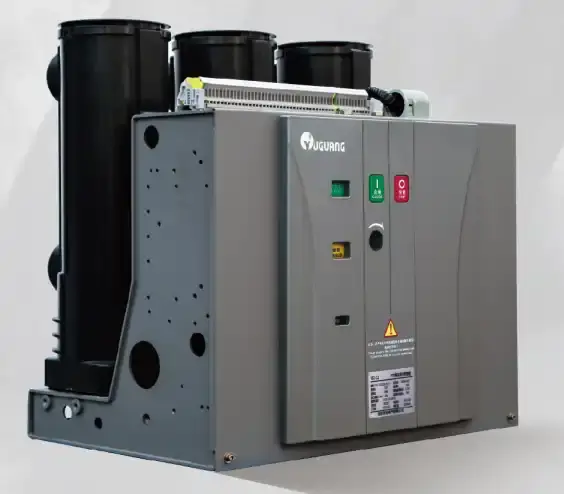
Comparison and Selection Guide: VCB vs Other Circuit Breakers
Selecting appropriate circuit protection technology requires careful evaluation of multiple factors including performance characteristics, environmental considerations, and lifecycle costs. VCB circuit breaker systems represent a key option in this landscape, as understanding the distinctions between available technologies enables informed decision-making for specific applications.
Technical Performance Analysis
Vacuum circuit breakers demonstrate superior interruption characteristics compared to air-magnetic and SF6 alternatives in medium-voltage applications. The interruption time for vacuum technology typically ranges from 0.5 to 1.5 cycles, significantly faster than air-magnetic designs that may require 2-3 cycles. This rapid response minimizes equipment stress during fault conditions and enhances overall system protection.
SF6 circuit breakers offer excellent performance but present environmental concerns due to the greenhouse gas properties of sulfur hexafluoride. Regulatory pressure to reduce SF6 emissions has accelerated adoption of vacuum alternatives in applications where both technologies are technically viable. The performance gap between vacuum and SF6 technology has narrowed considerably with recent advances in vacuum interrupter design.
Air circuit breakers are still a good deal for low-voltage uses, but they need to be maintained more often and take up more space when installed. The more complicated mechanical parts of air-magnetic operation mechanisms mean that they need more upkeep and have more possible failure modes than vacuum technology's easier systems.
Lifecycle Cost Considerations
The total cost of ownership includes a lot more than just the cost of buying the tools. Vacuum circuit breakers usually cost more at first than air ones, but they save you a lot of money in the long run because they last longer and need less upkeep. Getting rid of arc-quenching gases and complicated support systems lowers the costs of running the business.
Vacuum circuit breakers don't lose much energy because they have low contact resistance and can carry current efficiently. Over many years of use, these improvements in economy can save a lot of money, especially in high-use situations. The small size also lowers the cost of placement and the amount of room needed in tight spaces.
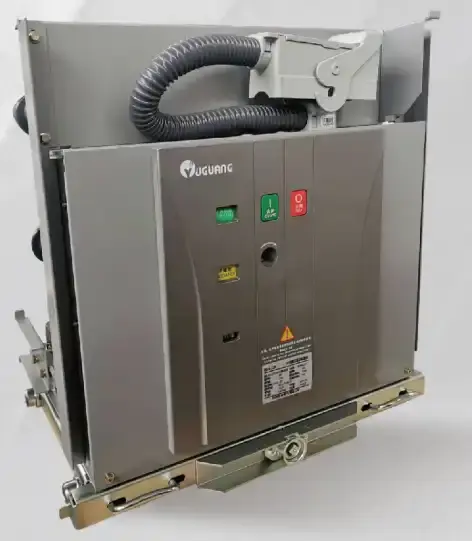
Leading VCB Brands and Procurement Insights for Industrial Buyers
The global market for vacuum circuit breakers includes several established manufacturers offering diverse product portfolios tailored to specific industrial requirements. Understanding the strengths and characteristics of different suppliers enables procurement professionals to make informed sourcing decisions.
Established International Manufacturers
Siemens has a big foothold in the market for vacuum circuit breakers with their 3AH model, which is known for being well-built and working well in utility settings. Standardization and compatibility with current infrastructure are important to them, which is why their goods are often chosen for system expansions and retrofits.
ABB offers a wide range of VCB circuit breaker options for a variety of market groups, from small uses to heavy-duty industrial settings through their VD4 and VM1 product lines. Their focus on digital integration and smart grid support makes them appealing to power companies that are updating their delivery networks.
Schneider Electric's Evolis and HVX product lines offer vacuum circuit breaker technology, with a focus on flexible design and easy installation. Their approach to standardizing products helps cut down on the number of extra parts that need to be kept on hand and makes upkeep easier.
Emerging Technology Leaders
Yuguang Electric has established itself as a prominent manufacturer in the vcb circuit breaker market, combining advanced vacuum technology with competitive pricing structures. Located in Baoji, Shaanxi—recognized as China's vacuum circuit breaker production hub—the company leverages regional expertise and supply chain advantages to deliver high-quality products for global markets.
Their ZN39-40.5 and ZW39-40.5 series demonstrate sophisticated engineering capabilities, incorporating features like integrated current transformers and advanced spring operating mechanisms. The company's ISO 9001:2015 certification and multiple utility model patents reflect their commitment to quality and innovation in vacuum circuit breaker technology.
Procurement professionals benefit from Yuguang's comprehensive service approach, which includes customized engineering solutions, technical support throughout project lifecycles, and competitive lead times. Their experience in diverse applications from renewable energy to heavy industry provides valuable expertise for complex project requirements.
Conclusion
Vacuum circuit breakers are an important part of modern electrical infrastructure because they protect wiring and have better performance and practical benefits than other technologies. VCB circuit breaker systems exemplify this advantage—they are meant to do more than just stop the flow of current. They are also meant to improve system stability, protect the environment, and lower lifetime costs. Vacuum technology is the best choice for medium-voltage uses in many industrial sectors because it quickly ends an arc, doesn't need much upkeep, and is safe for the environment.
Vacuum circuit breaker technology will become even more important as electrical systems get more complicated and people expect higher levels of stability. If procurement workers know about the technical benefits and practical uses of these devices, they can make smart choices that improve system performance and lower the total cost of ownership.
FAQ
What distinguishes vacuum circuit breakers from other types of circuit breakers?
Vcb circuit breaker technology utilizes a vacuum environment to extinguish electrical arcs, eliminating the need for gas or air as interrupting mediums. This approach provides faster arc extinction, reduced maintenance requirements, and environmental benefits compared to SF6 or air circuit breakers. The sealed vacuum bottles maintain their insulating properties throughout the device's operational life without requiring periodic maintenance or gas refilling.
How often do vacuum circuit breakers require maintenance?
Vacuum circuit breakers usually need big maintenance checks every 15 to 20 years, which is a lot longer than the time between checks for other technologies. Routine upkeep mostly includes cleaning the outside, lubricating the moving parts, and checking how they work. Because it is trapped in a vacuum, there are no worries about gas leaks or poisoning, which are problems with other types of circuit breakers that need to be fixed often.
Are vacuum circuit breakers suitable for high-voltage applications?
Vacuum circuit breakers work great in situations with middle voltage, which is usually between 1kV and 40.5kV. Above these voltage levels, vacuum bottles can't be used because they are too big. Instead, gas-insulated technologies like SF6 circuit breakers are better for this situation. However, current study is still finding ways to improve the design and production of insulation to make the useful voltage range for vacuum technology bigger.
Partner with Yuguang Electric for Premium Vacuum Circuit Breaker Solutions
Yuguang Electric stands ready to support your electrical infrastructure projects with industry-leading vcb circuit breaker technology and comprehensive technical expertise. Our advanced manufacturing capabilities, backed by 39 patents and ISO 9001:2015 certification, deliver reliable solutions that meet the most demanding industrial requirements.
As a recognized high-technology enterprise specializing in 6kV-40.5kV power transfer and distribution equipment, we offer full lifecycle support, from custom design to installation and ongoing upkeep. Our experienced engineering team works closely with procurement professionals to make sure that specifications are optimized, deliveries are made on time, and expert help is given throughout the project's implementation. Contact our technical team at ygvcb@hotmail.com to discuss your specific requirements and find out how our vacuum circuit breaker options can make your electrical system more reliable while lowering your costs.
References
1. IEEE Standard C37.04-2018, IEEE Standard for Ratings and Requirements for AC High-Voltage Circuit Breakers with Rated Maximum Voltage Above 1000V, Institute of Electrical and Electronics Engineers, 2018.
2. IEC 62271-100:2021, High-voltage switchgear and controlgear - Part 100: Alternating current circuit-breakers, International Electrotechnical Commission, 2021.
3. Greenwood, Allan N., "Vacuum Switchgear: A Comprehensive Guide to Design, Application, and Maintenance," Second Edition, Institution of Engineering and Technology, 2019.
4. Ryan, Hugh M., "High Voltage Engineering and Testing," Third Edition, Institution of Engineering and Technology, 2020.
5. Slade, Paul G., "The Vacuum Interrupter: Theory, Design, and Application," CRC Press, 2017.
6. CIGRE Working Group A3.27, "Guide for Application of IEC 62271-100 and IEC 62271-1 to Vacuum Circuit Breaker Applications," CIGRE Technical Brochure 842, 2021.

Send Inquiry
You may like
