
What type of breaker is used in most homes?
Miniature Circuit Breakers (MCBs), or single-pole and double-pole standard thermal-magnetic breakers with ampere ratings between 15 and 50, are the circuit breaker switch types used in the majority of American homes. Traditional fuses have mostly been replaced by these devices because they can be changed, have better safety features, and protect against electrical overloads better. Single-pole breakers keep 120-volt circuits like lights and standard outlets safe, while double-pole breakers keep 240-volt machines like dryers and air conditioners safe. These small, reliable protection devices are mostly found in modern home electrical panels. When dangerous conditions happen, they instantly cut power.
Understanding Circuit Breaker Switch Types in Residential Settings
Circuit breakers are the main safety feature in home electrical systems. They work like automatic switches that stop the flow of electricity when dangerous situations happen. Modern breaker technology is better than fuses because it can be restarted easily after the main electrical problem has been fixed. Fuses burn out and need to be replaced.
Miniature Circuit Breakers: The Residential Standard
The most popular type of safety device in American homes is the miniature circuit breaker. These small units are usually between 1 and 3 inches wide and can be mounted directly on home electrical lines. Motor control boards (MCBs) work by using a bimetallic strip that reacts to heat caused by electrical overloads and an electromagnetic coil that answers right away to short-circuit conditions.
When the current goes over its maximum capacity, the thermal component slowly warms up to protect against extended overloads. When the temperature of the bimetallic strip hits its triggering temperature, it automatically trips the breaker. At the same time, the magnetic part protects against dangerous short circuits right away by making a magnetic field that is proportional to the flow of current.
Single-Pole vs Double-Pole Configurations
Single-pole breakers are used to protect single 120-volt lines and take up one space in the electrical panel. Standard home loads, like lighting circuits, receptacle outlets, and small tools, can be handled by these devices. Each single-pole breaker can handle 15, 20, or even 30 amps of current, based on the wire size and the needs of the circuit.
Double-pole breakers protect the 240-volt lines that power big machines. They fit between two panel slots. These devices separate both hot conductors at the same time, making sure that the circuit is completely cut off during fault situations. Electric water heaters, central air conditioning systems, electric ranges, and clothes dryers that need higher power are all common uses.
Molded Case Circuit Breakers in Residential Applications
Even though they aren't used very often in homes, Molded Case Circuit Breakers can be found in bigger residential setups or main service uses. Compared to standard MCBs, these tough devices can handle higher currents and better fault interruption. MCCBs have trip sets that can be changed and can handle currents from 15 to several hundred amperes. This means that they can be used as main breakers or to protect heavy machines.
Key Differences Between Residential and Industrial Circuit Breakers
Understanding the differences between industrial and household safety devices helps explain why certain circuit breaker switch types predominate in residential electrical systems. These differences come from the fact that home and industrial settings have different needs and working situations.
Voltage and Current Capacity Variations
Most residential breakers work with 120/240-volt single-phase systems, and the most current that main breakers can handle is 100 amps, and the least that branch circuits can handle is 50 amps. Three-phase systems with voltages between 480 and several thousand volts and current levels of thousands of amperes are needed in industrial settings.
There are big differences in the physical building between these uses. Residential breakers have small, cost-effective designs that make the best use of space. On the other hand, industrial units need strong housings that can handle tough environments and heavy use over and over again.
Installation and Maintenance Considerations
Installing a residential breaker is made to be easy and accessible for experienced plumbers. Plug-in breaker designs that snap tightly into place on standard home panels don't need a lot of mounting hardware or complicated wiring processes. This way of thinking about design cuts down on building time and labor costs while keeping electrical links safe.
A lot of the time, industrial breakers need special mounting systems, a lot of testing, and to work with complicated safety plans. Also, the maintenance needs are very different. Residential units usually work for decades with little maintenance, while commercial uses may need testing, calibration, and preventive maintenance plans on a regular basis.
Safety and Protection Standards
Breakers for homes and businesses both have to meet strict safety standards, but the exact requirements depend on the purpose. For plastic case circuit breakers, residential devices follow UL 489 standards. For extra guards, they follow UL 1077 standards. These standards make sure that normal home electricity loads and working conditions are protected well enough.
For industrial uses, it may be necessary to follow extra rules like IEEE, NEMA, and international IEC requirements. In industrial settings, coordination of security is more difficult because exact time and current characteristics are needed to make sure selective operation during fault conditions.
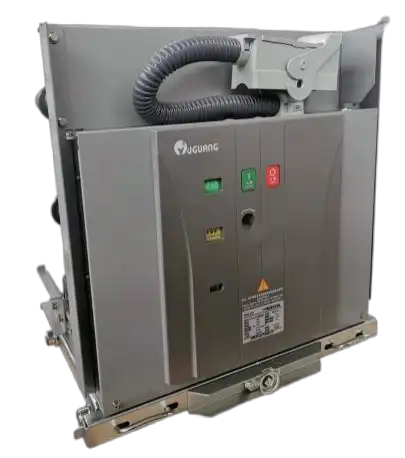
How to Choose the Best Circuit Breaker Switch Type for Your Home?
When choosing the right security devices, you need to think carefully about electrical loads, safety standards, and compatibility issues. By choosing the right breakers, you can make sure that the system works reliably while still following the rules and leaving enough safety gaps.
Evaluating Electrical Load Requirements
Figuring out the load is the first step in choosing the right breaker. Each circuit needs security that is right for the conductor's ampacity and the amount of electricity that will be needed. Breakers with 15 or 20 amps are usually used for standard lights and receptacle circuits. Dedicated appliance circuits, on the other hand, may need 30, 40, or 50 amps of safety depending on the equipment.
The National Electrical Code tells you exactly how to figure out necessary circuit sizes for different uses and how to calculate continuous and non-continuous loads. To safely handle today's electrical needs, kitchen machines, bathroom outlets, and outdoor plugs often need their own 20-amp lines with the right kind of breaker protection.
Safety Certification and Standards Compliance
There must be safety certificates on good circuit breaker switch types from well-known testing labs. UL listing is the main safety standard for home breakers in the US. It makes sure that devices pass strict tests for fire safety, mechanical longevity, and electrical performance.
For Canadian markets, extra qualifications might include CSA approval, and for foreign uses, IEC compliance. These certifications make sure that breakers will work efficiently in both normal and fault situations, keeping people and property safe from electrical dangers.
Brand Reputation and Warranty Considerations
Well-known companies like Siemens, Schneider Electric, ABB, and General Electric are known for making safety devices that work well and come with good guarantee policies. These businesses put a lot of money into research and development, which leads to cutting-edge designs that are safer and last longer.
When comparing makers, you should think about things like how easy it is to get new parts, how readily available the products are, and how well they work with existing electrical panels. Some makers make special breakers that have extra features like the ability to find arc faults, protect against ground faults, or stop surges.
Where to Buy Circuit Breaker Switch Types for Residential Use?
To find good protection devices, you need to find trusted sellers and learn how prices work in the market. When buying breakers, whether they are one at a time or in large numbers for big projects, buyers have to balance the need for quality and dependability with the cost.
Supplier Network and Distribution Channels
Electrical wholesalers are the best place to get professional-grade breakers because they have a lot of products and can help you with technical questions. These sellers have connections with big makers and can help you choose the right product, make sure it works with other things, and find ways to buy in bulk.
Residential breakers are easier to find at online stores, but buyers should still make sure the goods they buy are real and have the right safety licenses. Some companies let qualified contractors and big buyers buy directly from them, which could save them money and give them better technical help.
Pricing Factors and Cost Optimization
Breaker prices change a lot depending on the brand's name, its current rating, any special features it has, and how many you buy. Most basic home breakers cost between $10 and $50 per unit. More advanced devices that offer more safety may cost $100 or more. When you buy in bulk, you can save a lot of money on each unit, especially for standard designs used in business or residential developments.
Here are the key cost optimization strategies for procurement professionals:
• Volume negotiations: Make blanket purchase orders for standard types of breakers to get volume savings and make sure that supplies will always be available during project timelines.
• Manufacturer relationships: Form partnerships with your main suppliers to get better prices, expert help, and first picks when there are problems in the supply chain.
• Standardization benefits: Limit the number of different types of breakers and makers to make inventory less complicated while also getting the most out of buying power and servicing efficiency.
With these strategies, buying teams can cut costs by a lot while still meeting quality standards and ensuring a reliable supply chain. Professional buyers often say that strategic sourcing methods that focus on long-term ties with suppliers over transaction-based buying lead to 15–25% cost savings. For instance, when sourcing circuit breaker switch types, applying these methods helps secure both quality and supply stability without inflating costs.
Future Trends and Technological Advances in Residential Circuit Breakers
Smart technology integration, better safety features, and better tracking capabilities are some of the ways that the residential electrical security business is still changing. These new ideas meet the growing need for better ways to control energy, keep an eye on things from afar, and do preventative repair.
Smart Breaker Technology Integration
Smart breakers have wireless connection built in, so they can be monitored and controlled from afar using smartphone apps or home automation systems. These gadgets give you real-time information about how much energy you're using, load trends, and automatic load control features that help you use less energy in your home.
Advanced models come with features that can be programmed, such as scheduled switching, reducing high usage, and the ability to work with green energy systems. Some smart switches can talk to utility companies to join demand response programs. This could lower the cost of energy during times of high use.
Enhanced Safety and Monitoring Features
Arc fault detection technology is built into modern circuit breakers. It finds dangerous arcing situations before they can start fires. AFCIs, or Arc Fault Circuit Interrupters, are now required in many home settings. They protect against series arcs that regular breakers can't see. Ground Fault Circuit Interrupters (GFCIs) keep getting better, with more sensitive devices and fewer false trips. Combination AFCI/GFCI breakers guard in many ways with a single device, making installation easier while adding extra layers of safety.
Integration with Renewable Energy Systems
Specialized circuit breaker switch types made for DC uses and two-way power flow are needed for installing solar panels and battery storage systems. The breaks in these systems have to deal with the special needs of solar systems while still working with regular AC systems.
Adding energy storage adds new problems that need to be solved. For example, breakers need to be able to handle fast charge and discharge cycles while still protecting the system in different ways. In the future, breakers may be made with built-in energy management features that automatically improve the performance of storage systems.
Conclusion
Miniature Circuit Breakers are the most common type of safety device used in home electrical systems. They come in single-pole and double-pole forms to meet different voltage and current needs. In addition to meeting the specific needs of home electrical applications, these circuit breaker switch types offer better safety, dependability, and ease to conventional fuses. Adding smart technology and better safety features to residential breakers keeps making them better, giving homeowners better tracking, energy management, and security options. For home electrical safety needs, making smart choices means knowing the right selection criteria, sourcing strategies, and new technologies.
FAQ
What is the most common circuit breaker used in homes?
The most common circuit breakers in residential applications are thermal-magnetic Miniature Circuit Breakers rated at 15 and 20 amperes. These single-pole devices protect standard 120-volt lighting and receptacle circuits found throughout typical homes.
How long do residential circuit breakers typically last?
In normal situations, good home circuit breakers can work regularly for 20 to 30 years. But switches should be checked by a professional if they trip a lot, show signs of overheating, or don't restart properly after tripping.
Can I replace a circuit breaker myself?
Changing a circuit breaker takes a lot of electrical understanding and should only be done by licensed electricians. There is a major risk of shock and death when working in electrical panels, especially when the main breaker stays on during the repair process.
What's the difference between 15-amp and 20-amp breakers?
The main difference is the amount of power they can carry and the sizes of wires they can use. 15-amp breakers protect circuits with copper wire that is 14 AWG, while 20-amp breakers need lines that are 12 AWG or bigger. Most outlets in the kitchen and bathroom need 20-amp safety.
How do I know if a circuit breaker has gone bad?
Breakers that trip a lot, can't be reset after tripping, smell like burning metal, have damage that can be seen on the housing, or fail to trip when overload conditions are present are all signs that they are failing. If you notice any of these signs, you should get a professional to look at it right away and maybe replace it.
Partner with Yuguang for Reliable Circuit Breaker Switch Types Solutions
We at Yuguang Electric are ready to help you with all of your home and business electrical safety needs with our wide range of high-quality circuit breaker options. We offer reliable circuit breaker switch types that meet strict international safety standards as an approved high-tech company with 39 patents and ISO 9001:2015 certification. Our engineering team offers custom solutions, expert advice, and full after-sales help to make sure that systems work well and meet safety standards. Find out about reasonable prices from a trusted circuit breaker switch types maker that is committed to quality and innovation by emailing our experts at ygvcb@hotmail.com. We can help you with anything from standard home breakers to specialized safety devices.
References
1. National Electrical Manufacturers Association. "Standards for Molded Case Circuit Breakers and Molded Case Switches." NEMA AB 2021.
2. This is Underwriters Laboratories. "Standard for Molded-Case Circuit Breakers, Molded-Case Switches, and Circuit-Breaker Enclosures." UL 489, 18th.
3. The Institute of Electrical and Electronics Engineers. "IEEE Guide for the Application of Molded Case Circuit Breakers for Equipment Protection." 2015 IEEE C37.13-2015.
4. National Association for Fire Protection. "NFPA 70-2023 Edition, Article 240: Overcurrent Protection" is part of the "National Electrical Code."
5. International Commission for Electrotechnical Standards. The IEC 60947-2:2016 standard talks about "Low-voltage switchgear and controlgear – Circuit-breakers."
6. International Foundation for Electrical Safety. The ESFI Technical Report 2023 is called "Residential Electrical Safety: Circuit Protection and Panel Maintenance Guidelines."

Send Inquiry
You may like
