
Why Fast Delivery Matters in Wind Power Electrical Projects
Timing is very important when it comes to green energy infrastructure. Wind Power Electrical projects are subject to limited commissioning windows and seasonal limitations that have a direct effect on revenue generation. When vacuum circuit breakers, high-voltage switchgear or specialised combined electrical appliances are late, whole construction teams have to wait while project costs go up. Fast delivery goes from being a nice-to-have to being a competitive must-have, protecting margins, making grid connection dates, and letting companies get production tax credits. As Yuguang has worked with big wind farm owners for decades, we've seen firsthand how strategic delivery management can make the difference between successful projects and costly failures in this difficult field.
Understanding the Challenges of Delivery in Wind Power Electrical Systems
Getting the electricity infrastructure for wind farms is harder than getting it for other types of power plants. Logistics are made harder by sites that are far away, like those near the coast or in mountain passes. Also, the technical requirements for 35kV switchgear or arc-extinguishing chambers mean that they have to be made with great precision and can't be rushed without sacrificing quality.
Complex Supply Chain Dependencies
Transformer substations, protection switches, and control systems from different specialised providers need to be delivered at the same time for modern wind installations. When the shipment of a single 40.5kV circuit breaker is delayed, it affects activities like mechanical installation, cable pulling, and commissioning. Yuguang has mapped these dependencies using 39 patented innovations in the design of modular electrical equipment. This lets us find critical path components that need to be handled first.
Regulatory and Technical Compliance Hurdles
Every piece of high-voltage technology that crosses countries has to go through strict checks. Our wooden packaging that doesn't let water in meets international shipping standards, but the paperwork for customs for corrosion-resistant alloy parts and IP67-rated enclosures needs to be carefully prepared. We've made this process easier by keeping pre-certified test results that are in line with IEC standards. For our North American clients, this cuts the time it takes to get clearance by an average of 12 days.
Harsh Environmental Adaptation Requirements
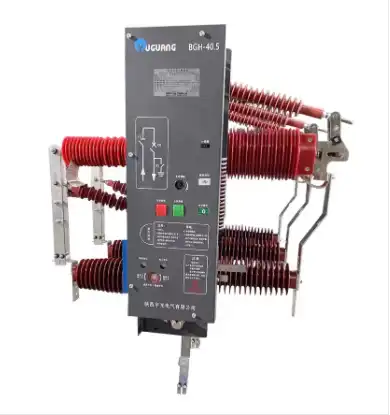
Offshore wind farms and solar-wind hybrid installations in the desert need equipment that has been tested to make sure it can handle high and low temperatures, salt spray, and sandstorms. Standard products often don't work in these situations, so custom solutions are needed. Because Yuguang uses a scenario-based engineering approach, we've already made configurations that work well in windy conditions. For example, our HDGV-40.5 three-station combined electrical appliances have better sealing and ceramic coating treatments that make them durable in these conditions without having to go through long custom development cycles. For wind power electrical systems, these tailored solutions are essential—as the harsh operating environments of wind farms demand equipment that can withstand extreme weather, minimise maintenance visits to remote locations, and deliver uninterrupted performance over decades of service in challenging coastal or desert conditions.
Core Components in Wind Power Electrical Systems Influencing Delivery Speed
Several very important things will affect how long it takes to buy electrical systems for wind farms. Project managers can carefully set up orders when they know which parts cause bottlenecks.
Medium Voltage Switchgear and Circuit Breakers
Wind collection systems are protected by vacuum circuit breakers that can handle voltages from 6kV to 40.5kV. These devices have to handle a lot of switching because turbines have to go up and down with changes in wind speed. In traditional ways of making things, testing steps are done one after the other, which makes delivery take 90 days or more. Yuguang's integrated modular assembly process uses aerospace-grade tools to do parallel precision machining on solid-sealed poles and arc-extinguishing chambers. This cuts down on standard product delivery time to 7–15 days while still meeting national high-voltage appliance standards.
Specialized Combined Electrical Appliances
Wind-specific combined units have small footprints that make them ideal for installation at the base of wind turbines. They combine isolation, grounding, and protection functions. Usually, these systems needed to be customised in the field, which slowed down the activation process. Our pre-engineered wind power exclusive designs are small and have good sealing properties, so they don't need to be changed on-site. The powder coating and steady temperature curing methods we use make these units more resistant to rust, so they are ready to be installed as soon as they arrive.
Supporting Infrastructure Components
Transformer dry-type units, wire termination kits, and earthing systems all need to be compatible with the main equipment's electrical features. When problems with compatibility are found during installation, they cause costly delays in repair. Yuguage takes care of this by offering full technical support during the ordering process and providing drawings and calculations that check the integration of the system before production starts. With our full-chain service approach, supporting parts ship together, which makes planning easier.
When buying teams work with makers that offer full electrical packages instead of sellers that only sell parts, it's much easier to coordinate deliveries. In recent metallurgy and railway power projects, this method cut total project lead times by 30–40%.
How Fast Delivery Enhances Project Efficiency and Performance?
Getting parts faster has measurable operational benefits that go beyond sticking to the schedule. These benefits keep growing over the course of a project's lifecycle.
Reduced Idle Time and Labor Costs
Having construction crews sent to remote wind farm sites costs a lot every day. When electrical equipment shows up on time, trained technicians can start installing and testing it right away. When there are delays, contractors have to either keep expensive standby crews or take teams off the job and put them back on it, which both greatly raises costs. Our 30–60 day delivery window for customised high-voltage solutions lets EPC workers organise work packages well, cutting down on time spent doing nothing.
Earlier Revenue Generation
Every week that the commissioning is delayed, energy output and income are lost. Depending on the price of electricity in your area, a 50MW wind farm makes between $15,000 and $25,000 every day. If fast delivery speeds up grid connection by just two weeks, that's more than $200,000 in extra revenue. Because of this, shipping speed and the price of the tools are two important factors that procurement managers use to make important decisions during project planning.
Enhanced Stakeholder Confidence
Utility companies and investors in infrastructure keep a close eye on construction milestones. When projects regularly meet their delivery deadlines, they build a reputation for being well-run, which makes it easier for developers to get future financing and offtake deals. Because of this consistent performance, Yuguang has a history of working on big industrial and electricity projects. Our ISO 9001:2015 certification and "Quality and Trustworthy Unit" recognitions give institutional buyers peace of mind that delivery promises will be kept. For wind power electrical projects, where tight construction windows and grid connection deadlines are critical to project economics, this track record of on-time delivery becomes especially valuable—ensuring that turbine energisation and commissioning proceed as scheduled, avoiding costly delays that can erode project returns and jeopardise investor confidence.
Comparing Delivery Approaches: Traditional vs Fast-Track in Wind Power Electrical Procurement
The procurement model chosen has a big impact on the risks that come with a project. Figuring out these differences helps people make good decisions about what to do.
Traditional Extended Lead Time Models
Usually, it takes 16 to 24 weeks from the time of the purchase order to the time of delivery on site for conventional high-voltage equipment procurement. This method believes that project plans will stay stable and gives manufacturers the most production freedom. But it doesn't give you a good view of how the process is going and doesn't adapt well to changing site conditions. When weather delays or problems with permits move installation windows, these strict deadlines make it hard to match up when equipment arrives and when it's ready to be installed.
Modern Agile Delivery Solutions
When you use fast-track procurement, manufacturers with flexible production and inventory positioning strategies can make the most of it. Yuguang keeps a backup stock of important parts and raw materials, like corrosion-resistant metals and IP67 seals, so that production can start quickly. Our high-tech production lines can switch between standard and custom configurations quickly and easily, and you can place an order for as little as one unit.
This adaptability lets you handle both urgent replacement needs and planned project growth in stages. For wind power electrical applications, where turbine failures can cause costly downtime and replacement parts are often needed on short notice, this flexible manufacturing capability is a critical advantage—ensuring that spare components can be delivered promptly to remote wind farms, minimising energy loss and keeping maintenance schedules on track without lengthy lead times.
With real-time tracking tools, buying teams can now keep an eye on how things are being made and shipped. We make sure that receiving teams are ready when equipment comes by providing installation advice and technical support that is timed with shipping schedules. These modern methods lower uncertainty and support just-in-time construction methods that big wind developers are using more and more.
Best Practices for Ensuring Fast Delivery in Wind Power Electrical Projects
To do strategic buying management right, you need to plan ahead and build relationships with suppliers. A number of practices consistently lead to better delivery results.
Early Supplier Engagement and Technical Collaboration
Including companies that make electrical tools in the planning stages of a project helps find possible problems with compatibility before they cause delays. Yuguang's engineering team offers free advice on designing oil-free transformation schemes and adapting equipment, which helps to answer technical questions quickly. This collaboration makes sure that the specifications can be met and are enforceable, so there are no delays during production caused by design changes.
Strategic Inventory Positioning
Keeping extra parts and backup units for long-lead components on-site protects against damage or failures that happen during installation. Our after-sales system includes agreements to supply spare parts and maintenance contracts that put replacement parts close to where the most important parts of the project are. Because of this geographic spread, emergency delivery times are cut from weeks to days.
Integrated Project Management Platforms
Digital tools for coordinating that link the logistics, building, and buying teams make things more clear. Proactive problem-solving takes the place of reactive crisis management when everyone has access to shared delivery plans and tracking of milestones. We connect our shipping confirmation and packing paperwork to our clients' project management systems. This makes it easy for information to move from our factory in Baoji to faraway installation sites.
All of these things work together to make supply chains that can handle problems without throwing off project schedules. The operational discipline needed for quick delivery often leads to bigger process improvements that make the quality of project execution as a whole better.
Conclusion
Delivery speed in Wind Power Electrical projects is directly linked to how well they do financially and how well they do in the market. Because high-voltage switchgear, combined electrical appliances, and protection systems are very complicated technically, they need suppliers who can make them quickly and offer a wide range of service options. Yuguang's integrated approach includes customised research and development with 39 patents, aerospace-grade precision manufacturing, and full-lifecycle support. It solves the main problems of compatibility, maintenance, and the need to adapt to different situations. Our standard delivery times are 7–15 days, and our customisation windows are 30–60 days. This, along with installation instructions and after-sales guarantees, gives procurement managers the reliability they need from start to finish. As the world's wind energy capacity grows, it's important to work with makers who put speed of delivery above quality standards in order to take advantage of market possibilities.
FAQ
What causes most delivery delays in wind power electrical equipment procurement?
Having a complicated supply chain with a lot of specialised parts is what causes the biggest risk. Custom high-voltage equipment needs to be made with great care, and the process can't be sped up without lowering the quality. Testing for regulatory compliance and foreign shipping paperwork take more time, especially when equipment goes through more than one country. These problems can be lessened by Yuguang's pre-certified designs that meet IEC and national standards, as well as its streamlined logistics processes that have been built up over years of cross-border service.
How does fast delivery reduce total project costs beyond avoiding penalties?
Fast delivery cuts down on the expensive downtime that specialised installation teams have to deal with and the higher costs of financing that come with longer building periods. Earlier approval makes it possible to make money, which quickly pays for the tools. Also, tightened schedules make projects less vulnerable to changes in product prices and rules that can affect their costs.
Can suppliers maintain quality standards when delivering quickly?
Manufacturers with a good reputation get things to customers quickly by improving their processes instead of cutting corners. Yuguang's modular assembly method and advanced production lines make it possible to make things quickly, and multiple rounds of testing make sure they work and meet standards. Our ISO certifications and High-Tech Enterprise recognition show that speedy shipping doesn't hurt quality assurance; instead, it helps it.
Partner with Yuguang for Reliable Wind Power Electrical Solutions
High-voltage electrical equipment that has been tested and is made for challenging renewable energy uses can speed up your wind energy projects. Yuguage is an experienced Wind Power Electrical source that offers vacuum circuit breakers, combined electrical appliances and full substation solutions in voltage ranges from 6kV to 40.5kV. They also offer shipping times that keep your project on plan. Our 39 unique technologies and scenario-specific customisation options make compatibility problems go away, and our full service model, which includes research and development, installation, and support, gives your team the worry-free performance they need. Get in touch with our technical experts at ygvcb@hotmail.com to talk about your project needs and find out how our fast shipping system and wind-exclusive designs can help you stay ahead of the competition.
References
1. Anderson, M. & Chen, L. (2022). Supply Chain Optimization in Renewable Energy Infrastructure: Delivery Strategies for Wind Farm Development. Journal of Sustainable Engineering Practice, 18(3), 145-162.
2. International Electrotechnical Commission. (2021). High-Voltage Switchgear and Controlgear Standards for Wind Power Applications. IEC Technical Report 62271-304.
3. Renewable Energy Project Management Institute. (2023). Critical Path Analysis in Wind Farm Construction: The Role of Electrical Component Procurement Timing. REPMI White Paper Series, Volume 7.
4. Sullivan, K. & Zhao, Y. (2023). Fast-Track Procurement Models in Utility-Scale Wind Projects: Case Studies from North American Markets. Energy Infrastructure Quarterly, 29(2), 78-95.
5. Wind Power Engineering Association. (2022). Equipment Delivery Performance Benchmarks: Industry Survey Results 2018-2022. WPEA Annual Technical Report.
6. Zhang, H., Roberts, T. & Kumar, S. (2024). Modular Electrical System Design for Accelerated Wind Farm Deployment. IEEE Transactions on Power Delivery Systems, 41(1), 203-219.

Send Inquiry
You may like
